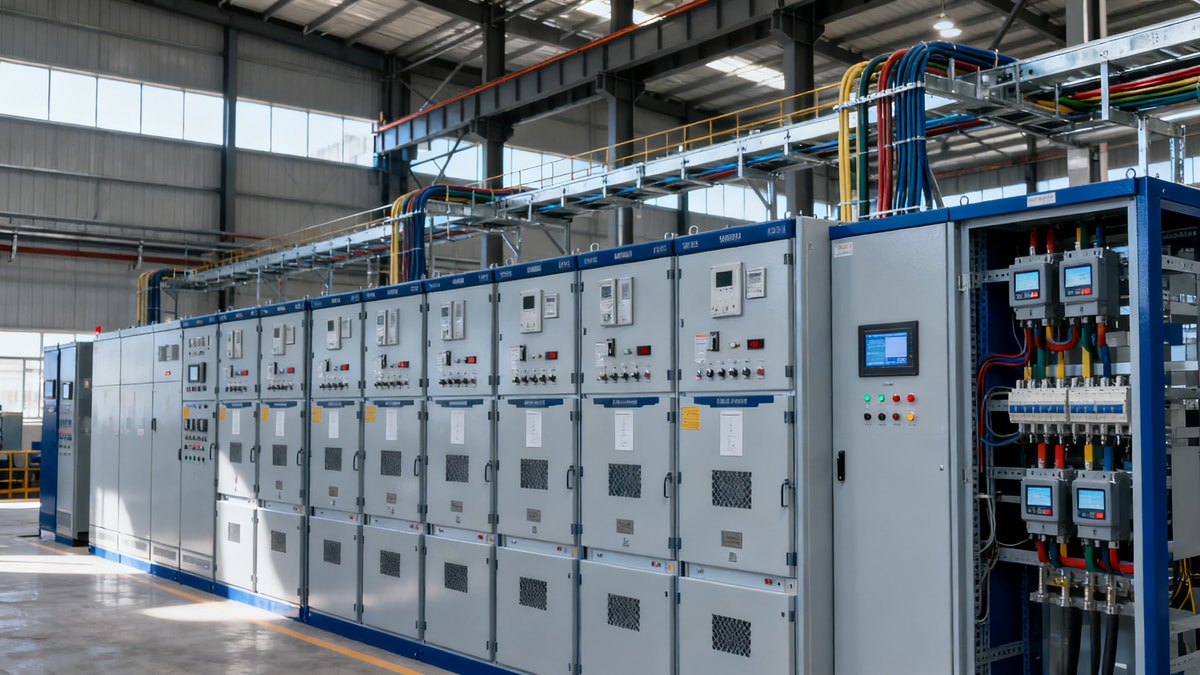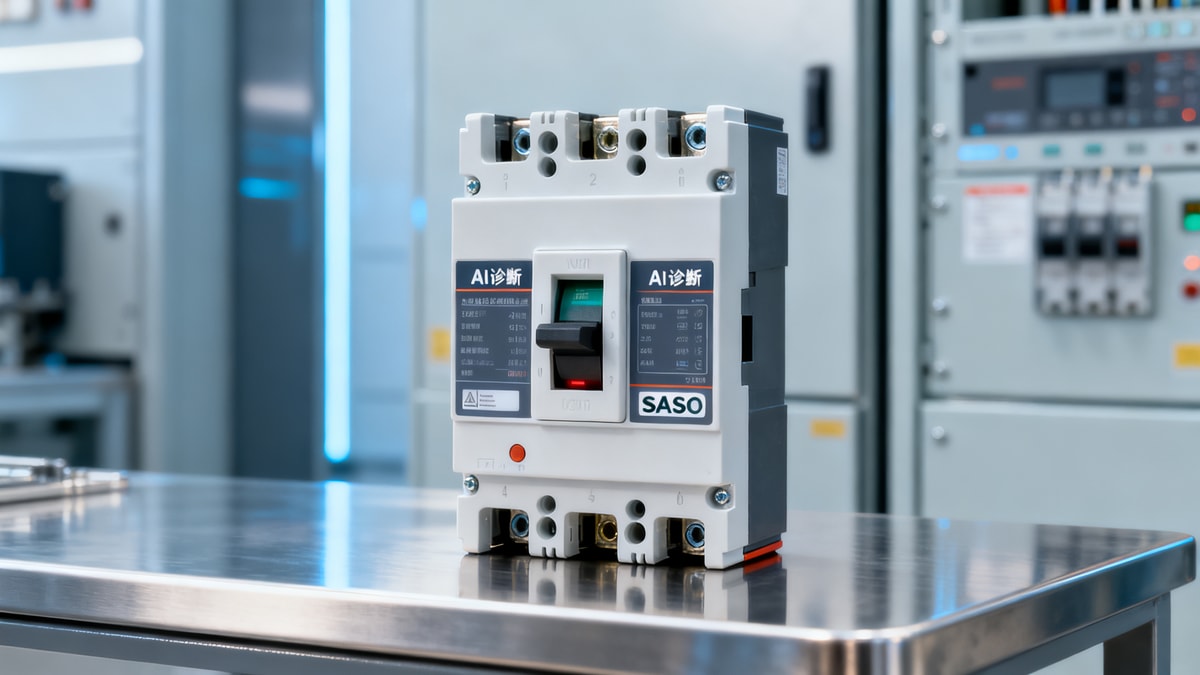
UL 62841-2-11:2026 Effective: AI Overload Prediction Required for US Industrial Circuit Breakers
Author
Date Published
Reading Time
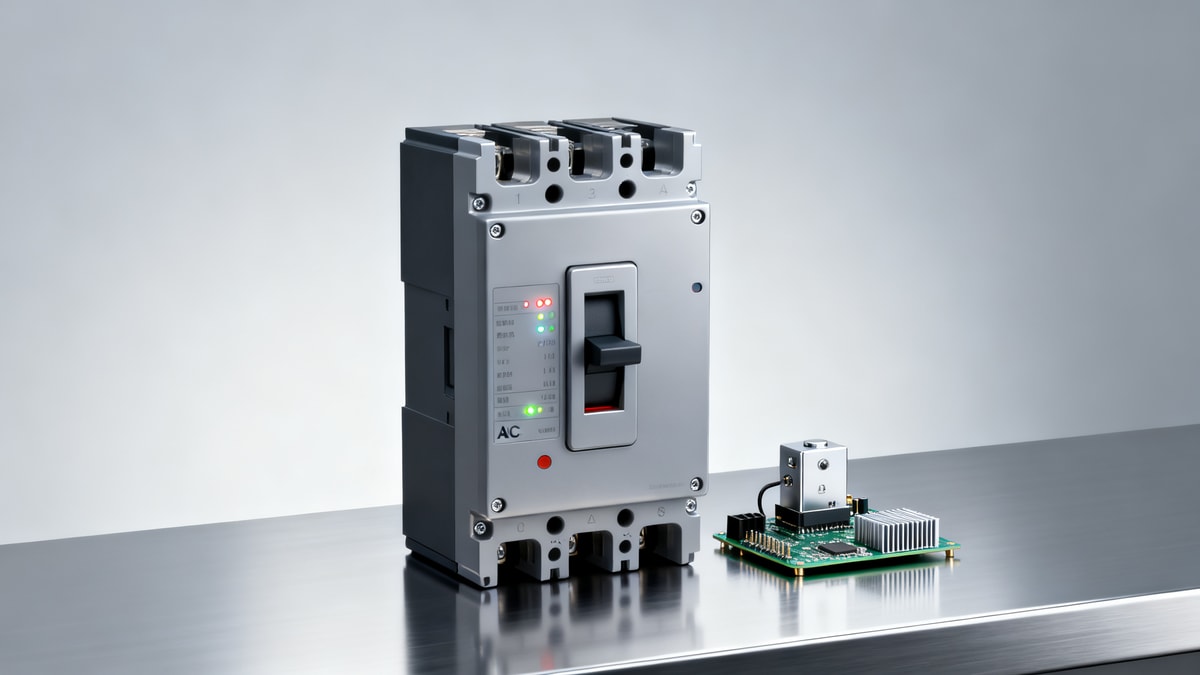
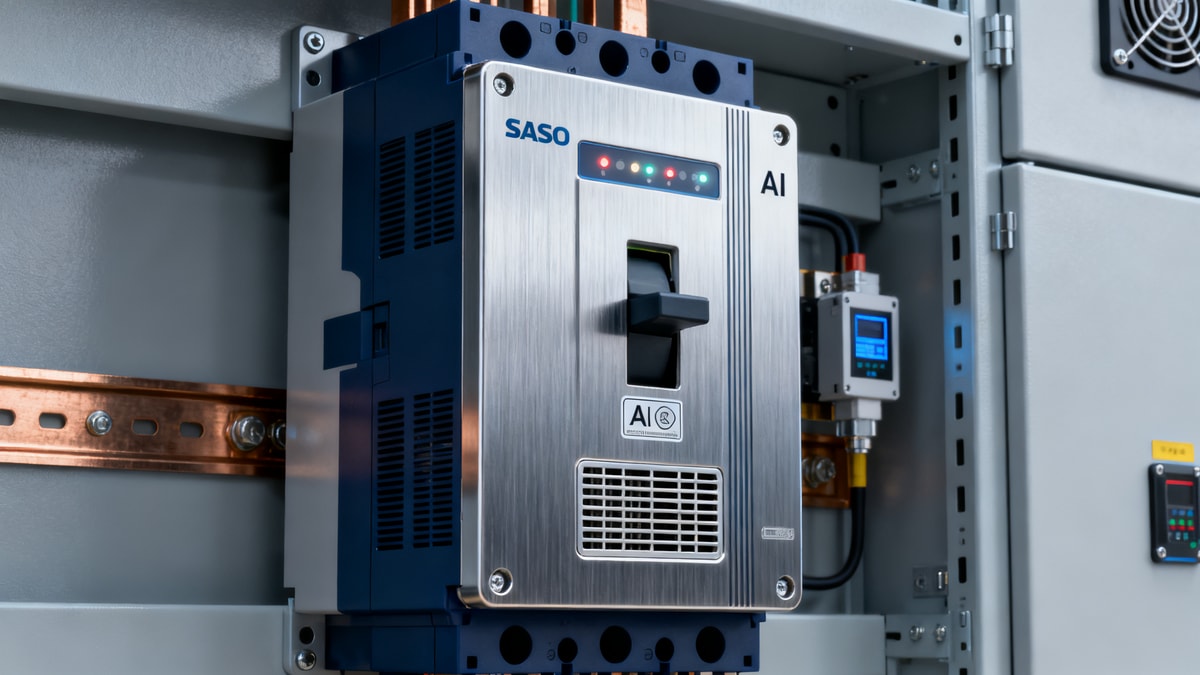
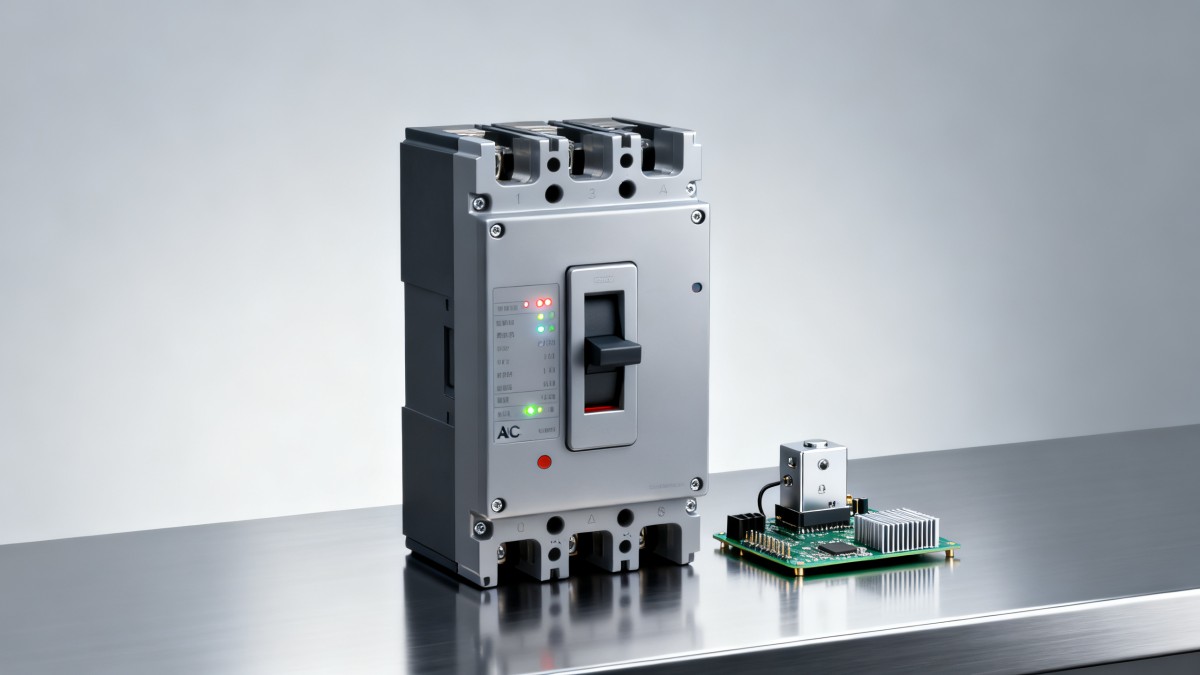
On May 2, 2026, UL (Underwriters Laboratories) confirmed the official entry into force of UL 62841-2-11:2026 — a revised standard mandating AI-driven real-time overload prediction capability for all industrial circuit breakers (including MCCBs and ACBs) sold in the U.S. This development directly impacts manufacturers, exporters, component suppliers, and certification service providers engaged in the North American electrical protection equipment market.
Event Overview
UL officially activated UL 62841-2-11:2026 on May 2, 2026. The revision requires that all industrial circuit breakers placed on the U.S. market must be certified to include an AI-based real-time overload prediction function. This function must operate using on-device edge processing power to project load trends up to 15 minutes ahead. According to publicly confirmed information, Chinese manufacturers — accounting for 68% of U.S. imports of such devices — are jointly developing dedicated MCU modules with semiconductor firms to meet the requirement.
Industries Affected by Segment
Direct Exporters & OEM Manufacturers
Exporters supplying industrial circuit breakers to the U.S. face immediate compliance pressure. Non-compliant units may no longer be accepted by U.S. authorities or major distributors post-effective date. Impact manifests in product redesign timelines, certification lead times, and potential inventory obsolescence for legacy models without embedded predictive logic.
Component & Semiconductor Suppliers
Suppliers of microcontrollers (MCUs), analog front-end ICs, and edge-AI accelerators are seeing renewed demand signals — specifically for low-power, real-time inference-capable modules suitable for integration into compact breaker housings. The requirement for on-device edge computation (not cloud-dependent) narrows viable chip options and raises qualification thresholds.
Certification & Testing Service Providers
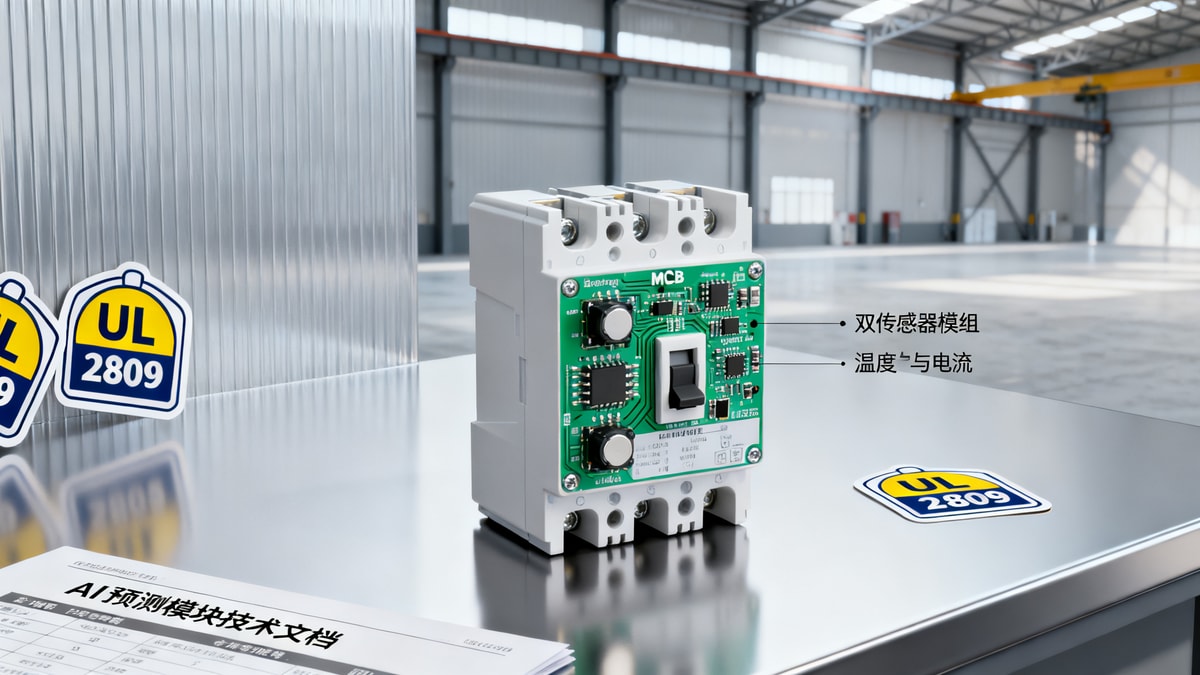
Laboratories offering UL certification services must now validate not only traditional electrical safety parameters but also functional performance of AI inference models under defined thermal, electromagnetic, and operational load conditions. This introduces new test protocols, tooling requirements, and domain-specific expertise needs — particularly in embedded ML validation.
Distribution & Channel Partners
U.S.-based distributors and system integrators handling industrial power distribution equipment must verify conformance documentation (e.g., UL Report numbers referencing the 2026 revision) before accepting shipments. Stock rotation planning is affected, as pre-2026-certified inventory may face resale restrictions after transitional periods end.
What Relevant Enterprises or Practitioners Should Focus On Now
Monitor Official Clarifications from UL and NRTLs
While the standard is effective, implementation guidance — including acceptable inference accuracy thresholds, model update policies, and edge hardware qualification criteria — remains pending. Enterprises should track updates issued by UL and accredited Nationally Recognized Testing Laboratories (NRTLs).
Prioritize Certification Readiness for High-Volume SKUs
Given China’s 68% share of U.S. imports, manufacturers should identify top-selling MCCB/ACB models destined for the U.S. and initiate certification workflows first. Prioritization helps allocate limited engineering and testing resources effectively amid tight timelines.
Distinguish Between Regulatory Signal and Operational Enforcement
Analysis shows this revision represents an early-stage regulatory signal toward embedded intelligence in safety-critical infrastructure — not yet a fully matured enforcement regime. Customs or distributor-level checks may lag behind the formal effective date; however, proactive alignment avoids last-minute disruptions.
Initiate Cross-Functional Alignment on Hardware-Software Co-Design
Current more appropriate response is to launch joint engineering sprints between firmware, hardware, and certification teams — especially around MCU selection, inference latency budgeting, and data logging for auditability. Relying solely on external AI software vendors without on-device optimization risks non-compliance.
Editorial Perspective / Industry Observation
Observably, UL 62841-2-11:2026 marks a structural shift: it embeds AI functionality as a mandatory safety feature — not merely an optional enhancement. From an industry perspective, this is less a one-off compliance update and more a precedent-setting move toward performance-based, behavior-aware certification in electromechanical safety devices. It signals growing regulatory acceptance of deterministic edge AI in life-critical systems. However, the absence of published test methodology details means current impact remains largely preparatory — not yet operational. Continued observation is warranted for how UL interprets ‘real-time’, ‘15-minute projection’, and model drift tolerance in practice.
Conclusion
This standard revision redefines baseline expectations for industrial circuit breaker intelligence in the U.S. market. It does not introduce new electrical safety thresholds, but instead layers functional AI verification onto existing certification. For stakeholders, the most rational interpretation is that this is an inflection point — not an endpoint — where technical readiness, cross-supply-chain coordination, and adaptive certification strategy matter more than isolated compliance checklists.
Information Sources
• UL official announcement (confirmed effective date: May 2, 2026)
• Publicly reported import share data (68% Chinese origin for U.S. industrial circuit breakers)
Note: Test methodology documents, acceptable inference accuracy benchmarks, and transition period guidance remain under observation and are not yet publicly available.
Technical Specifications
- SASO Mandates Dual Energy Label for Industrial Transformers in Saudi Arabia from May 2026Author :Grid Infrastructure Analyst
- EN 61000-4-30:2026 Enforced: Class A Harmonic Traceability Mandatory for EU PQ AnalyzersAuthor :Precision Metrology Expert
- US DOE Level 3 Transformer Efficiency Standard Effective July 1, 2026Author :Grid Infrastructure Analyst
Expert Insights

Chief Security Architect
Dr. Thorne specializes in the intersection of structural engineering and digital resilience. He has advised three G7 governments on industrial infrastructure security.
Related Analysis
- May 06, 2026SASO Mandates Dual Energy Label for Industrial Transformers in Saudi Arabia from May 2026Author :Grid Infrastructure Analyst
- May 06, 2026EN 61000-4-30:2026 Enforced: Class A Harmonic Traceability Mandatory for EU PQ AnalyzersAuthor :Precision Metrology Expert
- May 06, 2026US DOE Level 3 Transformer Efficiency Standard Effective July 1, 2026Author :Grid Infrastructure Analyst
Core Sector // 01
Security & Safety
- UL 62841-2-11:2026 Effective: AI Overload Prediction Required for US Industrial Circuit BreakersAuthor :Grid Infrastructure Analyst

- SASO AI Overload Prediction Requirement for Industrial Circuit Breakers in Saudi ArabiaAuthor :Grid Infrastructure Analyst

- Where Electrical & Power standards change equipment selectionAuthor :Grid Infrastructure Analyst

- UL 62841-2-11:2026 Effective: AI Overload Prediction Required for Industrial MCBsAuthor :Grid Infrastructure Analyst

- Electrical Safety Solutions That Address Repeat Workplace IncidentsAuthor :Grid Infrastructure Analyst

- Electrical & Power Solutions That Help Prevent Hidden DowntimeAuthor :Grid Infrastructure Analyst

- SASO AI Diagnostic备案要求:Saudi Arabia Industrial Circuit BreakersAuthor :Grid Infrastructure Analyst

- Automatic Voltage Regulator AVR Issues Linked to Load SwingsAuthor :Grid Infrastructure Analyst