Electrical & Power Solutions That Help Prevent Hidden Downtime
Author
Date Published
Reading Time
Unexpected outages often begin with overlooked weaknesses in infrastructure, maintenance, or load management. Electrical & Power solutions help operators identify hidden risks early, improve system reliability, and protect critical equipment from costly disruption. For users and frontline personnel, understanding the right power strategy is essential to keeping operations safe, efficient, and continuously online.
What Electrical & Power solutions mean in daily operations
In practical terms, Electrical & Power solutions are the systems, devices, monitoring methods, and operating practices used to deliver stable energy to equipment without interruption, overload, or unsafe fluctuation. For operators, this is not an abstract engineering concept. It directly affects whether motors start correctly, control panels remain stable, production lines stay synchronized, backup systems respond on time, and sensitive assets avoid heat, voltage stress, or premature failure.
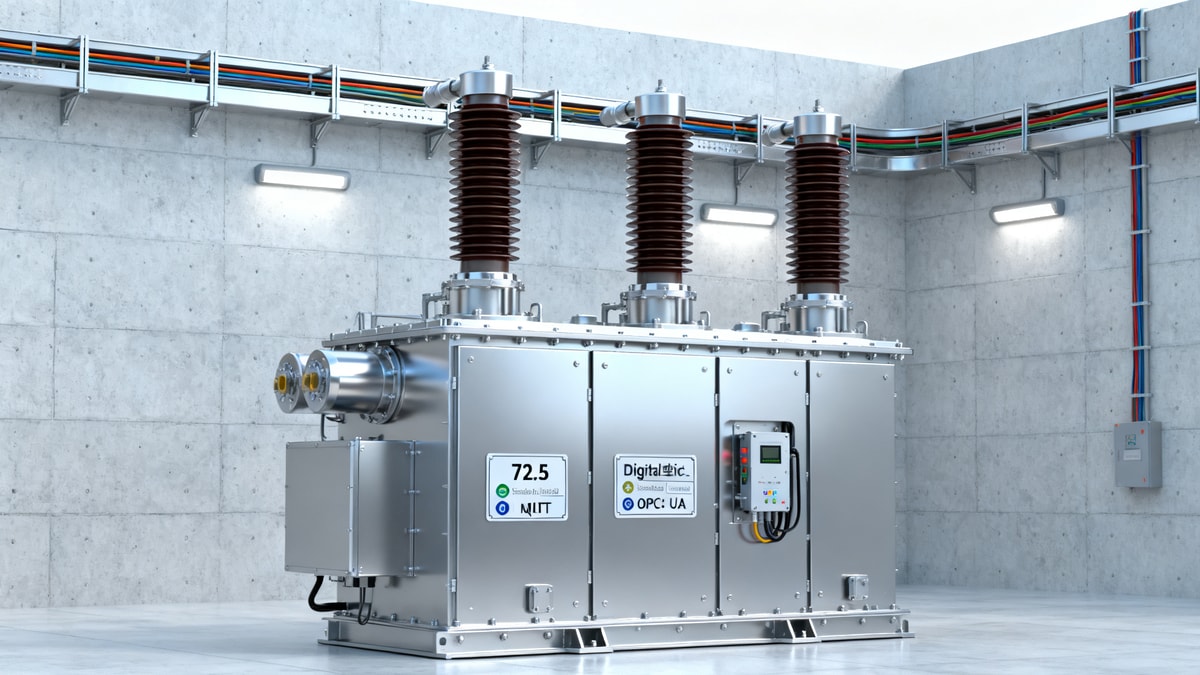
Across industrial, commercial, utility, and infrastructure environments, these solutions typically include power distribution equipment, switchgear, transformers, circuit protection, grounding, cable management, backup power, surge protection, energy monitoring, and power quality analysis. They also include the decisions behind them: how loads are balanced, how maintenance is scheduled, how fault signals are interpreted, and how compliance with CE, UL, ISO, or local electrical standards is maintained.
For frontline users, the value of Electrical & Power solutions lies in visibility. Hidden downtime is rarely truly sudden. It often builds silently through heat at connection points, harmonic distortion, phase imbalance, insulation aging, undervoltage events, repeated breaker trips, or unplanned changes in load. The right solution turns these hidden conditions into visible operating data that can be acted on before production stops.
Why hidden downtime has become a major industry concern
Modern operations depend on tighter tolerances and more connected equipment than ever before. Facilities now run variable frequency drives, PLC-based controls, digital sensors, automated packaging, robotic cells, HVAC networks, and IT-connected building systems on the same electrical backbone. This increases efficiency, but it also makes electrical systems more sensitive to disturbance. A voltage dip that once caused only a momentary disruption may now trigger communication errors, process resets, data loss, or safety interlocks.
At the same time, many sites are expected to do more with older infrastructure. Aging panels, overloaded circuits, undocumented modifications, and inconsistent maintenance records create ideal conditions for hidden downtime. In sectors where loss of service affects safety, production targets, environmental controls, or customer delivery commitments, operators need Electrical & Power solutions that support both reliability and traceability.
This is where a disciplined, data-driven approach matters. Organizations such as Global Industrial Core highlight a wider industry reality: electrical reliability is no longer only a maintenance issue. It is now part of resilience planning, compliance readiness, asset protection, and operational continuity. Users and operators are often the first to notice warning signs, so their understanding of power conditions is increasingly important.
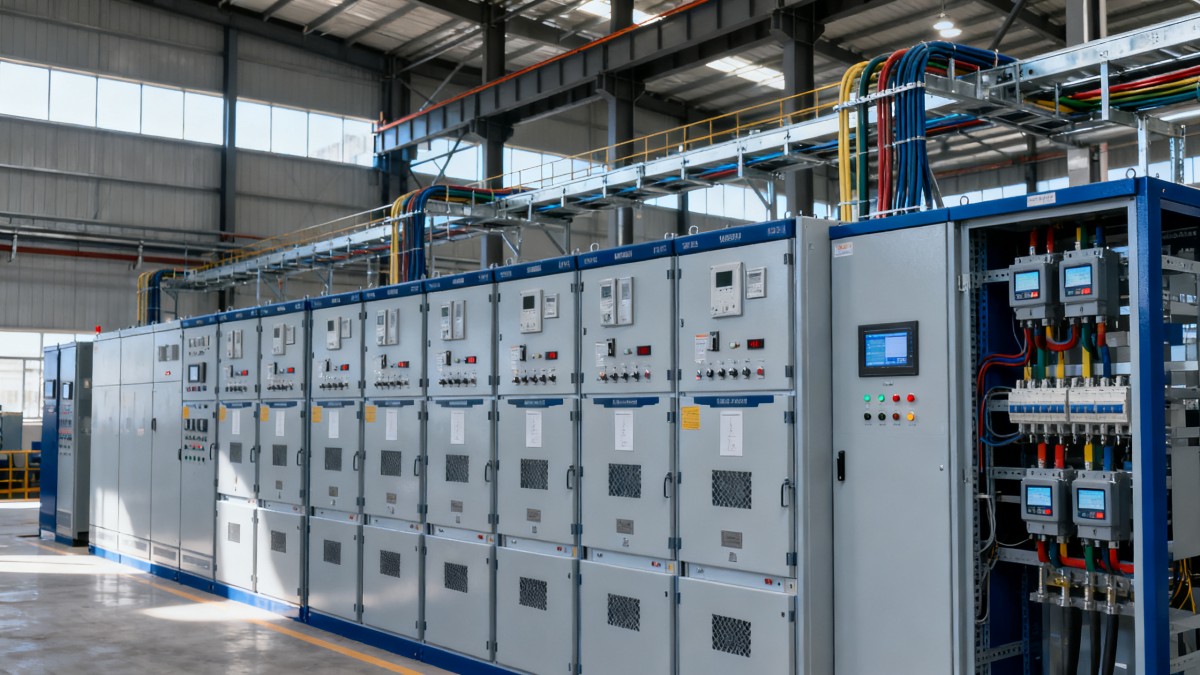
Core areas where Electrical & Power solutions create value
Well-chosen Electrical & Power solutions do more than keep lights on. They support several layers of performance that matter to users on the ground and decision-makers above them.
Reliability and uptime
Stable distribution, fast fault isolation, and power quality control reduce nuisance trips and equipment resets. This is especially important where even short interruptions can ruin batches, stop conveyors, or delay restart sequences.
Equipment protection
Surges, harmonics, poor grounding, and thermal stress shorten asset life. Protective relays, surge devices, monitoring systems, and proper circuit coordination help preserve motors, drives, control cabinets, and instrumentation.
Operational safety
Electrical faults can escalate into arc flash hazards, overheating, fire risk, or dangerous shutdown conditions. Strong Electrical & Power solutions improve protective response and support safer intervention by operators and maintenance staff.
Energy efficiency and load awareness
Power monitoring helps users see whether losses come from poor power factor, unnecessary peak demand, or equipment running outside normal operating windows. Better visibility often leads to lower energy waste and more predictable load planning.
Industry overview: common risk points and suitable responses
Although operating environments differ, the same hidden electrical issues appear across many sectors. The table below summarizes where Electrical & Power solutions usually deliver the fastest practical benefit.
Typical application categories users should recognize
Not every site needs the same level of intervention. However, most Electrical & Power solutions used to prevent hidden downtime fall into a few practical categories.
1. Distribution and protection
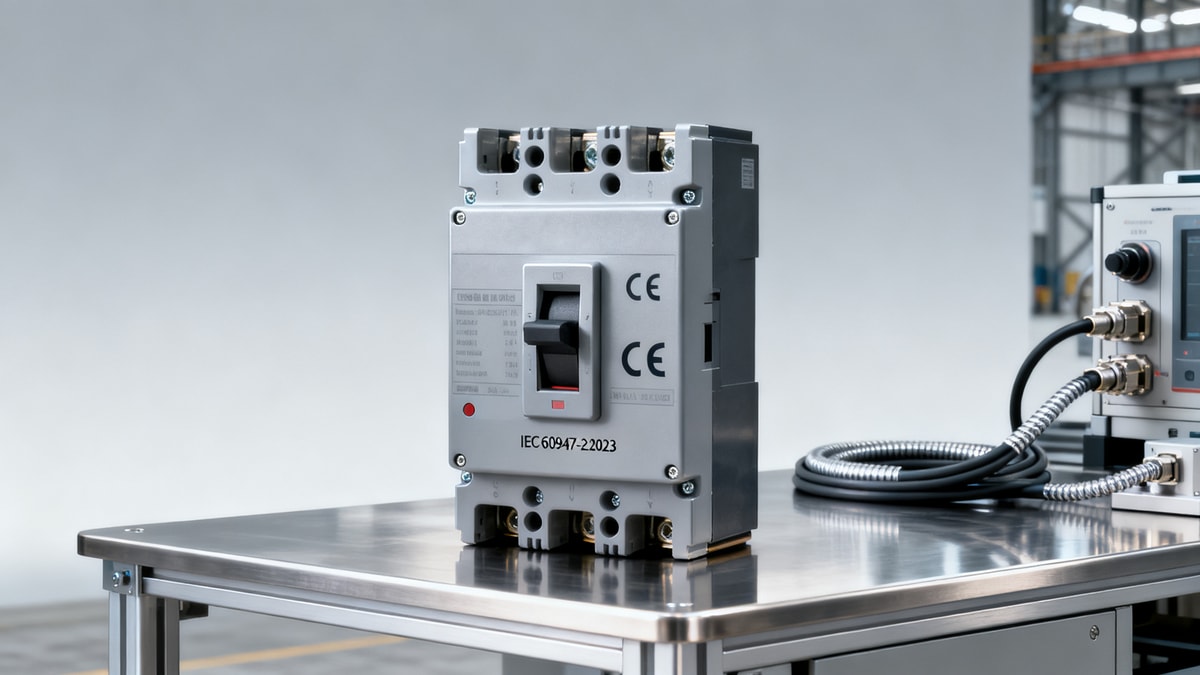
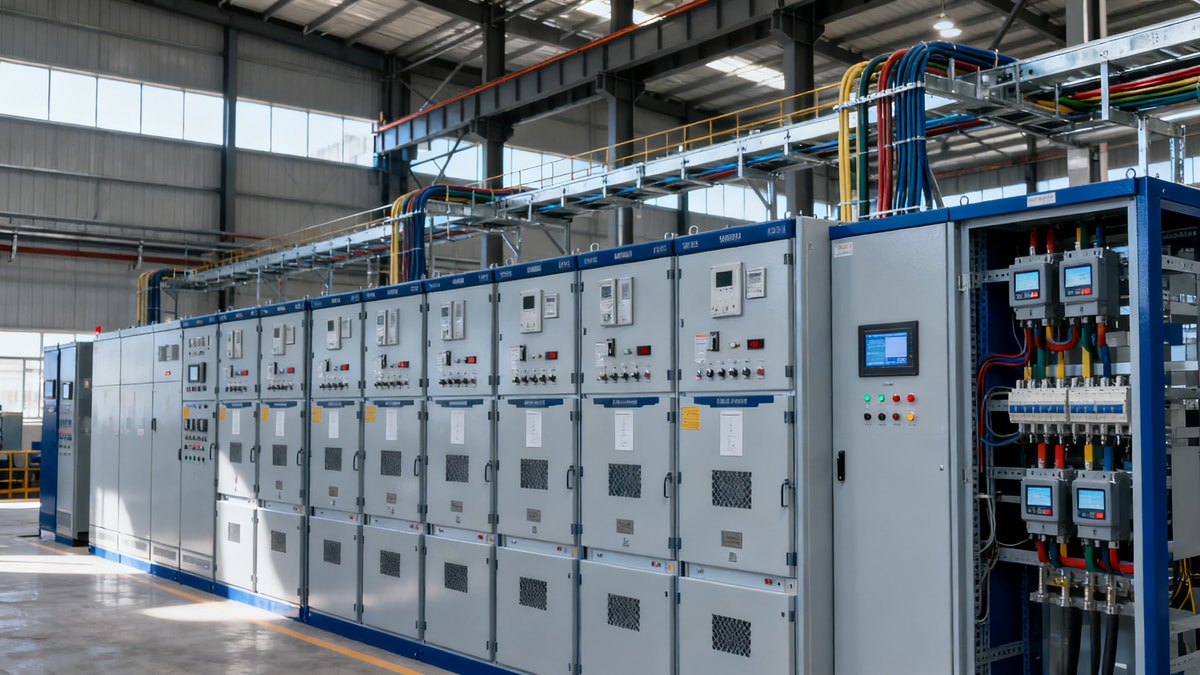
This includes switchboards, breakers, fuses, relays, busbars, and feeder design. The goal is to ensure current is distributed safely and that faults are isolated quickly without shutting down unrelated areas.
2. Backup and continuity planning
Uninterruptible power supplies, standby generators, transfer switches, and battery systems protect critical loads. For operators, the key question is not only whether backup exists, but whether it supports the actual restart sequence and control priorities of the site.
3. Monitoring and diagnostics
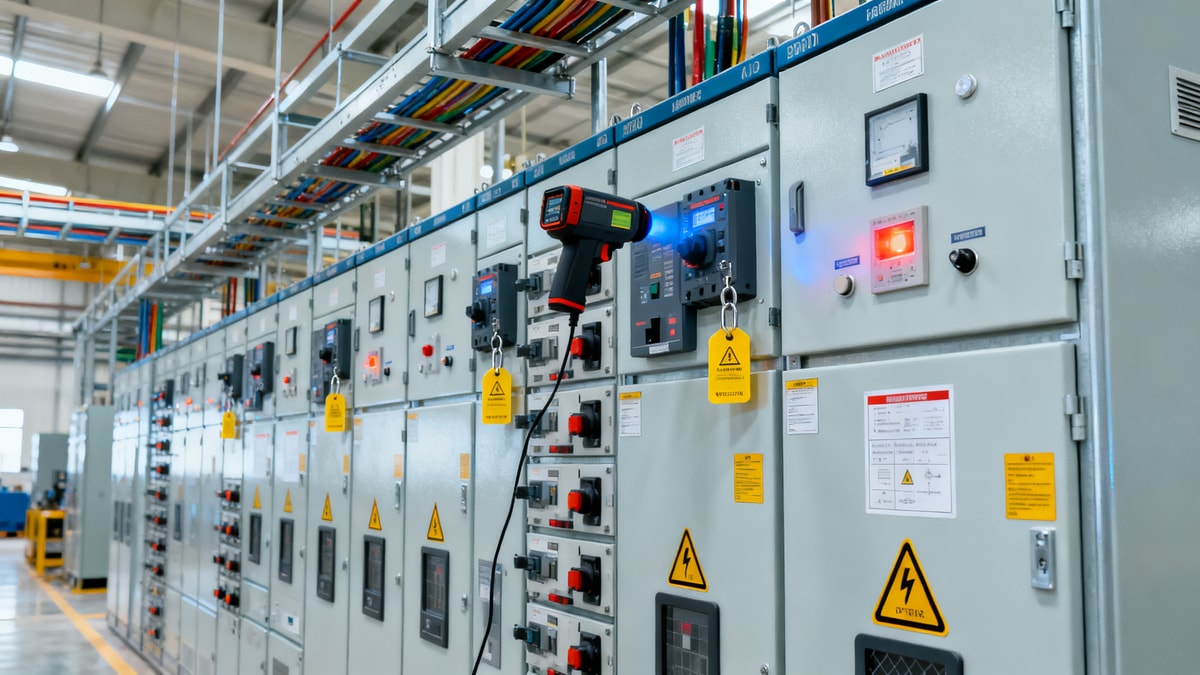
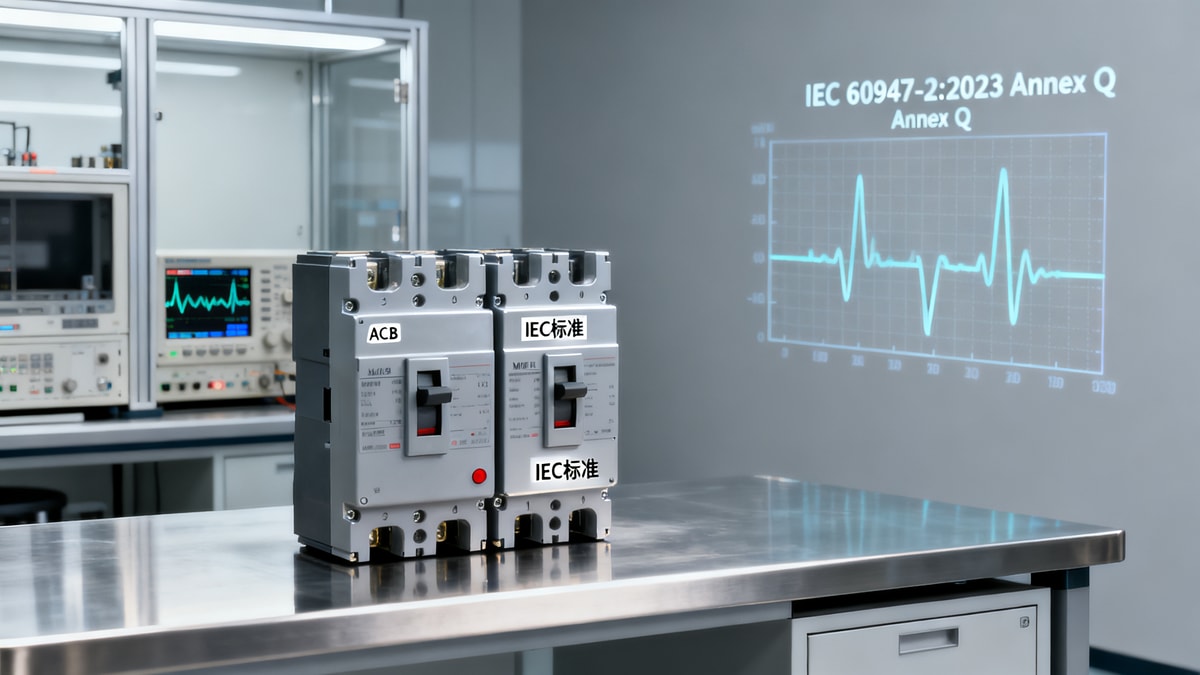
Meters, analyzers, thermal imaging, insulation testing, and event logging reveal abnormal trends before failure occurs. These Electrical & Power solutions are particularly valuable where faults appear intermittent or hard to reproduce.
4. Power quality improvement
Filters, surge suppressors, capacitor banks, grounding improvements, and harmonic mitigation help stabilize sensitive loads. This category is often overlooked until drives, PLCs, or instrumentation begin behaving unpredictably.
What operators should watch for before downtime becomes visible
Users and frontline personnel are in the best position to detect early warning signs. A strong reliability culture depends on noticing patterns that seem minor at first but often point to deeper electrical problems.
- Repeated breaker trips or unexplained protective resets
- Motors running hotter than normal or drawing unstable current
- Flickering lights, dimming during start-up, or unstable display panels
- Communication faults between drives, sensors, and controllers
- Burn marks, odor, vibration, or discoloration near terminals and cable entries
- Unexpected alarms after adding new equipment or changing operating schedules
When these signs appear, Electrical & Power solutions should be evaluated as a system rather than as isolated parts. Replacing one breaker or one cable may not solve a load imbalance, grounding defect, or harmonic issue elsewhere in the network.
Practical evaluation points before adopting or upgrading solutions
A good upgrade decision starts with operating reality, not product labels. Before selecting Electrical & Power solutions, users and site teams should align around a few essential questions.
Load profile and criticality
Which loads are essential, which are sensitive, and which can tolerate interruption? Knowing this prevents under-protection of critical equipment and overspending on non-critical circuits.
Environmental and operating conditions
Heat, dust, moisture, vibration, corrosive atmospheres, and outdoor exposure all influence equipment suitability. Reliability in harsh environments depends as much on enclosure integrity and material selection as on electrical ratings.
Compliance and documentation
International standards and local code requirements matter because they reduce uncertainty. Verified documentation, testing records, and clear labeling support safer maintenance and easier audits.
Maintainability and data access
The most effective Electrical & Power solutions are not only robust; they are understandable. Operators need access to useful alarms, trend data, and maintenance intervals that fit actual staffing and skill levels.
From concept to resilient practice
Preventing hidden downtime is rarely about one dramatic change. It usually comes from combining better visibility, stronger protection, disciplined maintenance, and realistic planning for abnormal conditions. Electrical & Power solutions are most effective when they are treated as part of the operational foundation rather than as emergency fixes after failure.
For users and operators, the practical next step is to review where interruptions start, which assets are most exposed, and what warning signals already exist but are not being tracked consistently. In that process, structured technical guidance and credible industry intelligence can help turn scattered observations into a reliable power strategy. When Electrical & Power solutions are matched to real site conditions, organizations gain more than uptime: they gain safer operations, longer asset life, and greater confidence in every shift.
Technical Specifications
- US DOE Level 3 Transformer Efficiency Rule Takes Effect July 1, 2026Author :Grid Infrastructure Analyst
- INMETRO Proposes EMP Immunity Requirement for Industrial Laser Distance Meters in BrazilAuthor :Precision Metrology Expert
- Indonesia BPOM Fast-Tracks Chinese Industrial Air PurifiersAuthor :Environmental Engineering Director
Expert Insights

Chief Security Architect
Dr. Thorne specializes in the intersection of structural engineering and digital resilience. He has advised three G7 governments on industrial infrastructure security.
Related Analysis
- May 05, 2026US DOE Level 3 Transformer Efficiency Rule Takes Effect July 1, 2026Author :Grid Infrastructure Analyst
- May 05, 2026INMETRO Proposes EMP Immunity Requirement for Industrial Laser Distance Meters in BrazilAuthor :Precision Metrology Expert
- May 05, 2026Indonesia BPOM Fast-Tracks Chinese Industrial Air PurifiersAuthor :Environmental Engineering Director
Core Sector // 01
Security & Safety
- UL 62841-2-11:2026 Effective: AI Overload Prediction Required for Industrial MCBsAuthor :Grid Infrastructure Analyst

- Electrical Safety Solutions That Address Repeat Workplace IncidentsAuthor :Grid Infrastructure Analyst

- Electrical & Power Solutions That Help Prevent Hidden DowntimeAuthor :Grid Infrastructure Analyst

- SASO AI Diagnostic备案要求:Saudi Arabia Industrial Circuit BreakersAuthor :Grid Infrastructure Analyst

- Automatic Voltage Regulator AVR Issues Linked to Load SwingsAuthor :Grid Infrastructure Analyst

- IEC 62271-100:2026 Ed.4.0 Adds Digital Twin Interface RequirementAuthor :Grid Infrastructure Analyst

- EU CE新规: Industrial Circuit Breakers Must Pass IEC 60947-2 Annex Q Test from May 1, 2026Author :Grid Infrastructure Analyst

- INMETRO Mandates IEC 60947-2 Annex Q Waveform for Circuit BreakersAuthor :Grid Infrastructure Analyst