UL 62841-2-11:2026 Effective: AI Overload Prediction Required for Industrial MCBs
Author
Date Published
Reading Time
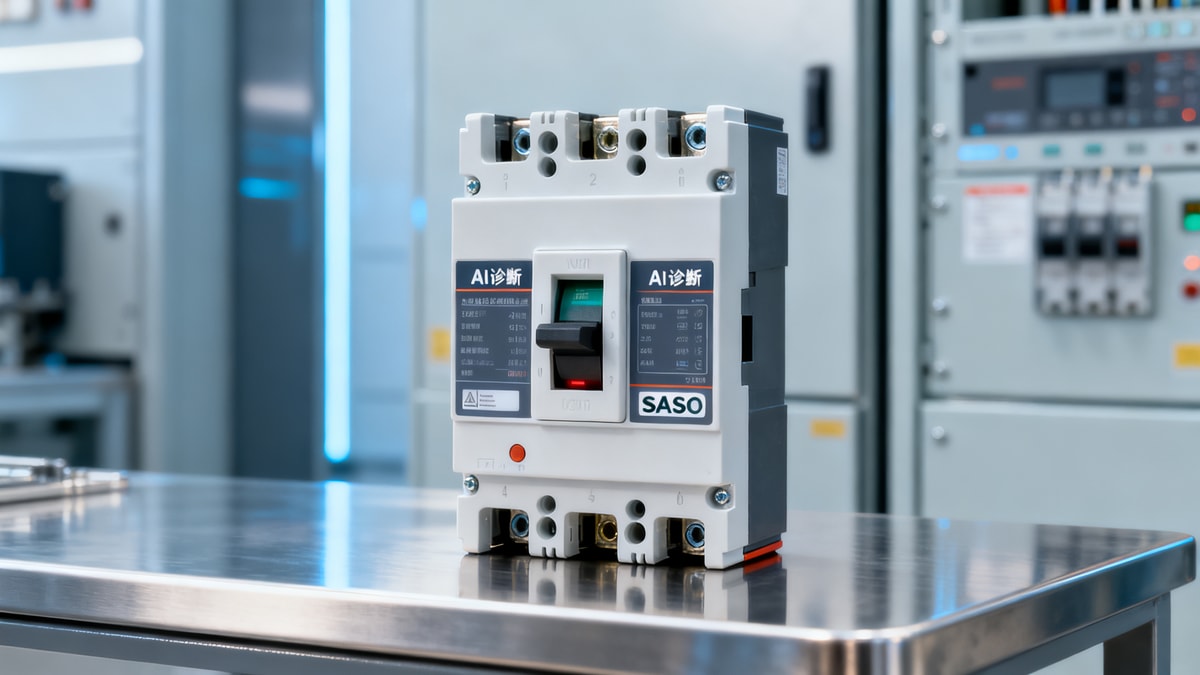
On May 4, 2026, UL (Underwriters Laboratories) officially enacted UL 62841-2-11:2026, mandating AI-based overload prediction capability for industrial miniature circuit breakers (MCBs) used in electric tool systems. This update directly affects exporters and distributors of breakers and relays targeting the U.S. market — particularly those supplying components to power tool OEMs and industrial equipment integrators.
Event Overview
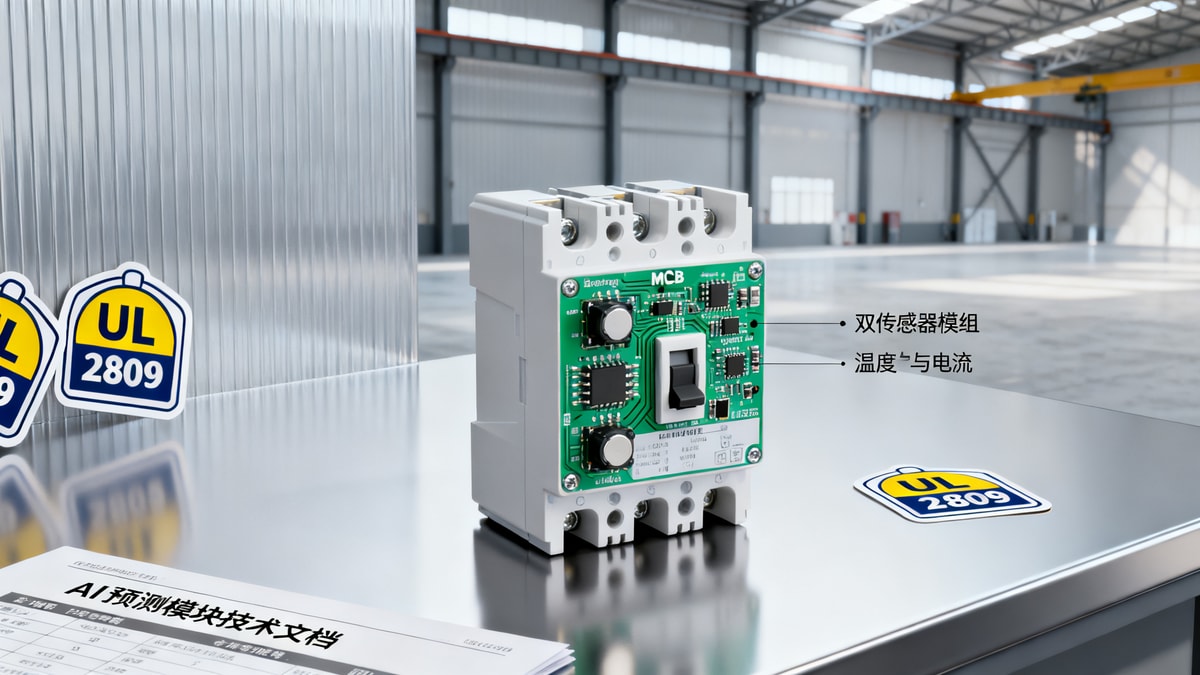
UL announced on May 4, 2026, that UL 62841-2-11:2026 is now in effect. The standard requires industrial-grade miniature circuit breakers (MCBs) intended for electric tool systems to integrate an AI-powered overload prediction module based on dual-variable monitoring of temperature and current. Such modules must be validated under UL 2809 AI Safety Validation Protocol. As of July 1, 2026, legacy MCB models lacking this functionality will be prohibited from entering U.S. distribution channels.
Impact on Specific Industry Segments
Direct Exporters of Breakers & Relays
These enterprises face immediate compliance pressure: non-compliant MCB models currently certified under earlier editions of UL 62841-2-11 cannot be shipped to U.S. distributors after July 1, 2026. Impact manifests in certification revalidation timelines, potential inventory write-offs, and renegotiation of OEM supply agreements.
Manufacturers of Electric Tool Control Systems
As system integrators embedding MCBs into cordless or industrial-grade tools, they must verify component-level compliance upstream. Non-AI-enabled MCBs may trigger redesign cycles for thermal management interfaces, firmware communication protocols, and safety validation documentation.
Distributors and Importers of Electrical Protection Components
U.S.-based distributors handling imported MCBs are responsible for verifying conformance prior to warehousing or resale. Post-July 1, 2026, customs and retail channel partners may require UL 2809 test reports and firmware version traceability — increasing documentation burden and lead-time risk.
What Relevant Enterprises Should Monitor and Do Now
Confirm alignment with UL’s official implementation guidance
While the standard took effect May 4, 2026, UL may issue supplementary bulletins clarifying scope (e.g., whether retrofit kits qualify, or if legacy stock grandfathering applies). Enterprises should subscribe to UL’s Standards Updates Portal and monitor announcements through June 2026.
Identify affected product families and prioritize validation pathways
Companies should audit their MCB SKUs by application (e.g., brushless motor drives vs. battery pack protection), voltage/current class, and existing UL file numbers. Prioritization should focus on high-volume export lines where AI module integration feasibility — including sensor placement, edge inference latency, and firmware update mechanisms — determines timeline viability.
Distinguish between regulatory signal and enforceable requirement
The May 4 effective date reflects formal adoption, but enforcement readiness (e.g., lab capacity for UL 2809 testing, inspector training) remains variable. Enterprises should treat July 1, 2026 as the hard commercial cutoff, not a technical grace period — especially given U.S. distributor liability exposure.
Initiate cross-functional coordination across engineering, procurement, and compliance teams
Integrating AI prediction modules involves hardware (dual-sensor PCB layout), software (real-time inference engine, OTA-updatable models), and certification (UL 2809 test plan development). Early alignment avoids bottlenecks in component sourcing (e.g., certified temperature-current sensor ICs) and third-party lab scheduling.
Editorial Observation / Industry Perspective
Observably, UL 62841-2-11:2026 marks a structural shift — not merely an incremental update — in how functional safety standards address intelligent protection devices. Analysis shows this is less about adding a feature and more about redefining the safety lifecycle: predictive behavior must now be testable, auditable, and field-updatable. From an industry perspective, it signals growing convergence between electrical protection standards and AI system assurance frameworks. Current enforcement posture suggests this is already an operational requirement, not a forward-looking signal — though real-world rollout velocity will depend on lab throughput and vendor implementation maturity.
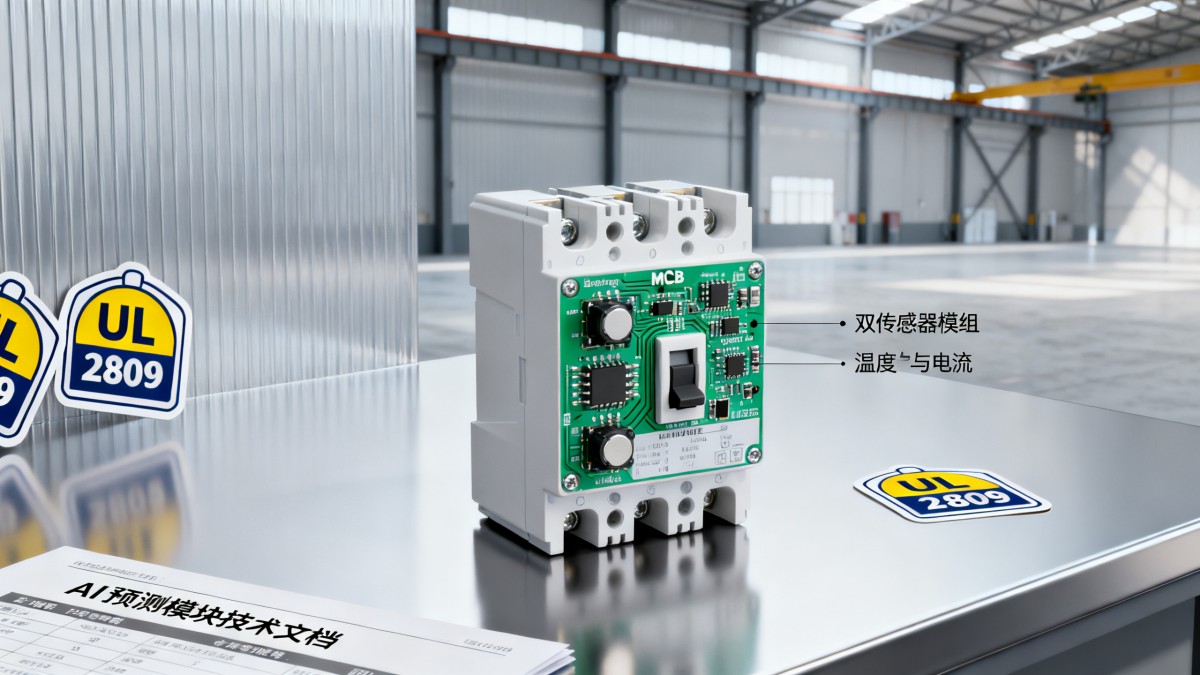
Conclusion: UL 62841-2-11:2026 establishes a new baseline for industrial MCBs in U.S.-bound electric tool applications. Its significance lies not in novelty alone, but in binding AI functionality to verifiable safety outcomes. For stakeholders, it is best understood as a compliance milestone with cascading implications across design, certification, and supply chain operations — requiring action now, not contingency planning later.
Source: UL official announcement dated May 4, 2026; UL 62841-2-11:2026 standard document; UL 2809 AI Safety Validation Protocol (public version).
Note: Ongoing observation is recommended for potential clarifications on legacy model transition provisions and UL 2809 test methodology updates through Q2 2026.
Technical Specifications
- US DOE Level 3 Transformer Efficiency Rule Takes Effect July 1, 2026Author :Grid Infrastructure Analyst
- INMETRO Proposes EMP Immunity Requirement for Industrial Laser Distance Meters in BrazilAuthor :Precision Metrology Expert
- Indonesia BPOM Fast-Tracks Chinese Industrial Air PurifiersAuthor :Environmental Engineering Director
Expert Insights

Chief Security Architect
Dr. Thorne specializes in the intersection of structural engineering and digital resilience. He has advised three G7 governments on industrial infrastructure security.
Related Analysis
- May 05, 2026US DOE Level 3 Transformer Efficiency Rule Takes Effect July 1, 2026Author :Grid Infrastructure Analyst
- May 05, 2026INMETRO Proposes EMP Immunity Requirement for Industrial Laser Distance Meters in BrazilAuthor :Precision Metrology Expert
- May 05, 2026Indonesia BPOM Fast-Tracks Chinese Industrial Air PurifiersAuthor :Environmental Engineering Director
Core Sector // 01
Security & Safety
- UL 62841-2-11:2026 Effective: AI Overload Prediction Required for Industrial MCBsAuthor :Grid Infrastructure Analyst

- Electrical Safety Solutions That Address Repeat Workplace IncidentsAuthor :Grid Infrastructure Analyst

- Electrical & Power Solutions That Help Prevent Hidden DowntimeAuthor :Grid Infrastructure Analyst

- SASO AI Diagnostic备案要求:Saudi Arabia Industrial Circuit BreakersAuthor :Grid Infrastructure Analyst

- Automatic Voltage Regulator AVR Issues Linked to Load SwingsAuthor :Grid Infrastructure Analyst

- IEC 62271-100:2026 Ed.4.0 Adds Digital Twin Interface RequirementAuthor :Grid Infrastructure Analyst

- EU CE新规: Industrial Circuit Breakers Must Pass IEC 60947-2 Annex Q Test from May 1, 2026Author :Grid Infrastructure Analyst

- INMETRO Mandates IEC 60947-2 Annex Q Waveform for Circuit BreakersAuthor :Grid Infrastructure Analyst