SASO AI Overload Prediction Requirement for Industrial Circuit Breakers in Saudi Arabia
Author
Date Published
Reading Time
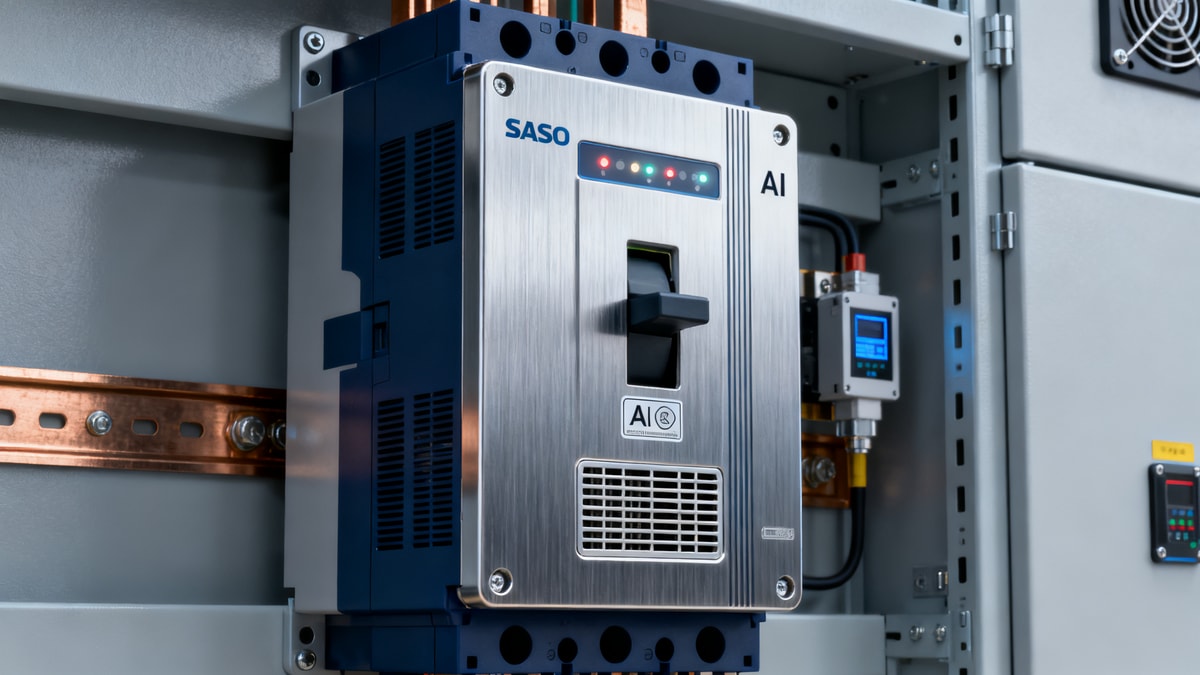
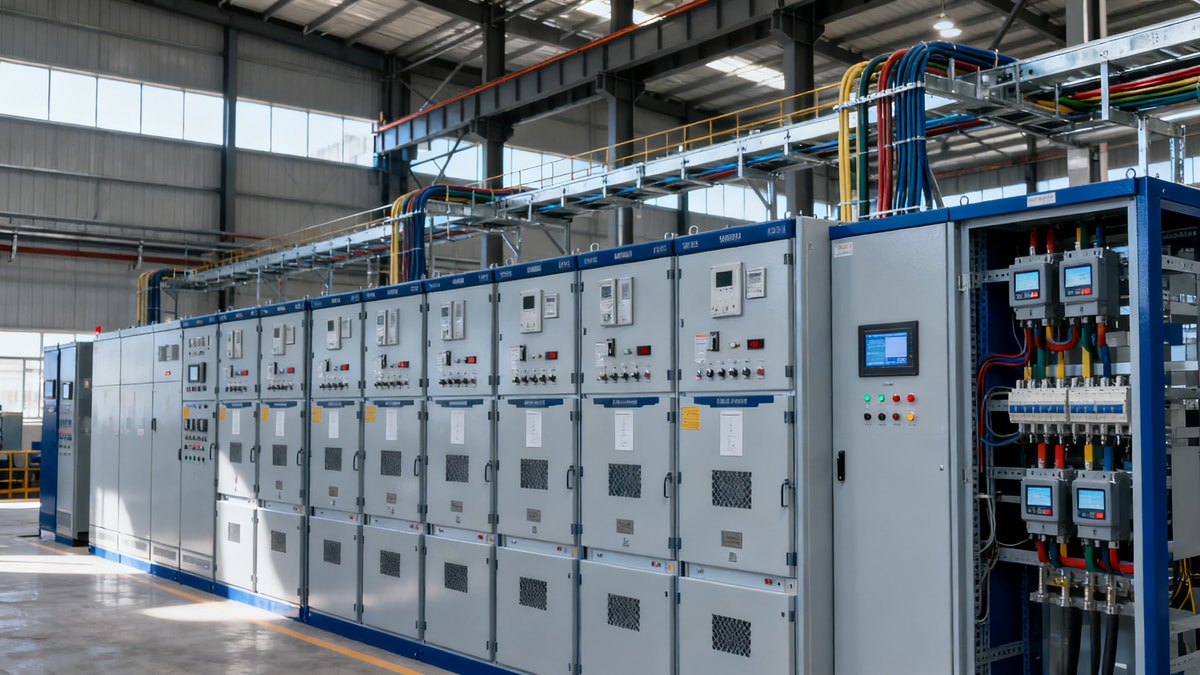
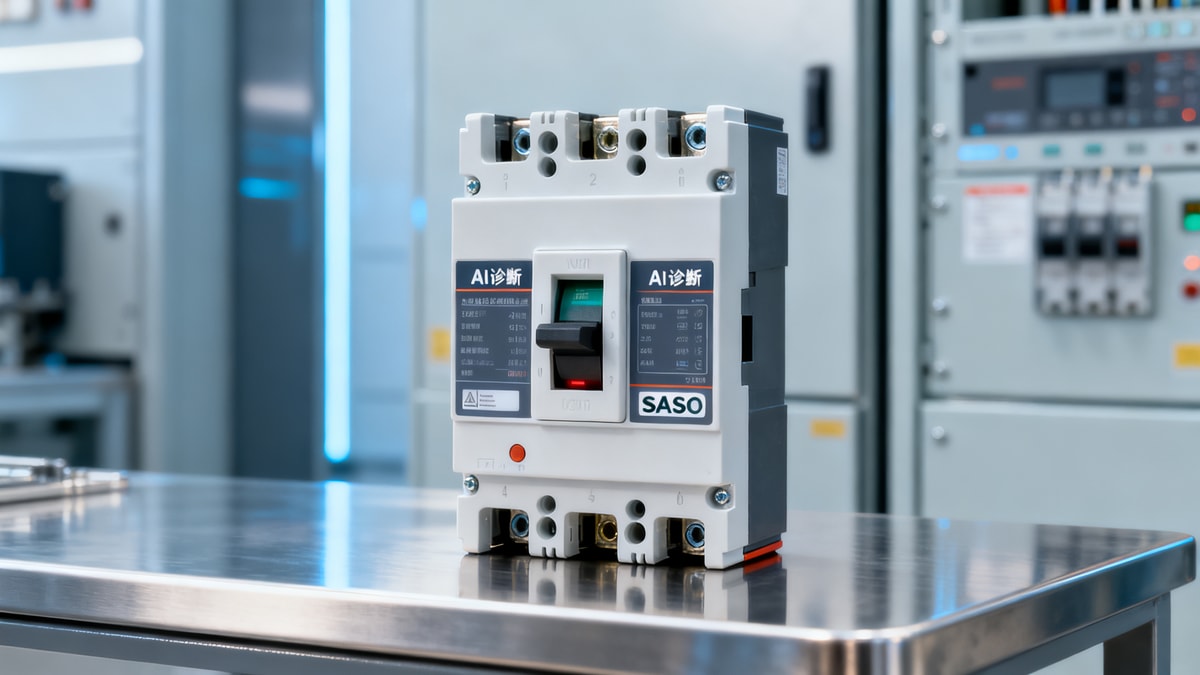
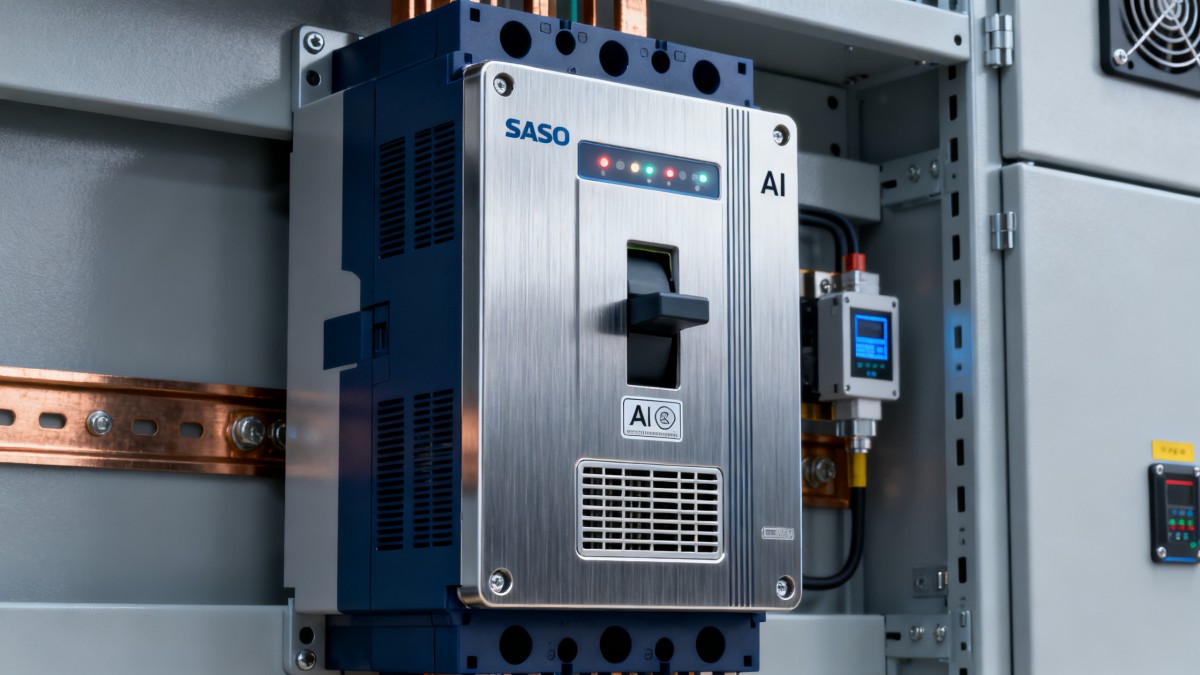
Saudi Arabia’s Standards, Metrology and Quality Organization (SASO) issued an urgent update to the technical notice for SASO IEC 62841-2-11:2026 on May 5, 2026. Effective July 1, 2026, all industrial circuit breakers—including molded-case and low-voltage power circuit breakers—imported into Saudi Arabia must undergo third-party verification of AI-driven real-time overload prediction functionality, per Clause 5.3.7 of UL 62841-2-11:2026. This requirement directly affects manufacturers and exporters supplying Saudi electricity EPC projects and national infrastructure programs such as NEOM—and carries implications for the global circuit breaker supply chain, particularly for firms based in China, which accounts for 72% of global production capacity.
Event Overview
On May 5, 2026, SASO published a supplementary technical notice amending SASO IEC 62841-2-11:2026. The notice mandates that, starting July 1, 2026, industrial circuit breakers imported into Saudi Arabia must demonstrate compliance with AI-based real-time overload prediction capability, verified by an accredited third-party body against UL 62841-2-11:2026, Clause 5.3.7. Products failing to meet this requirement will be excluded from eligibility for Saudi electricity EPC tenders and NEOM procurement lists.
Industries Affected
Direct Exporters and Trading Companies
These entities face immediate regulatory gatekeeping: without verified AI overload prediction functionality, their products cannot clear Saudi customs or qualify for tender participation. Impact manifests in delayed shipments, rejected bids, and potential contract renegotiations where compliance was not contractually specified upfront.
Manufacturers (OEMs and ODMs)
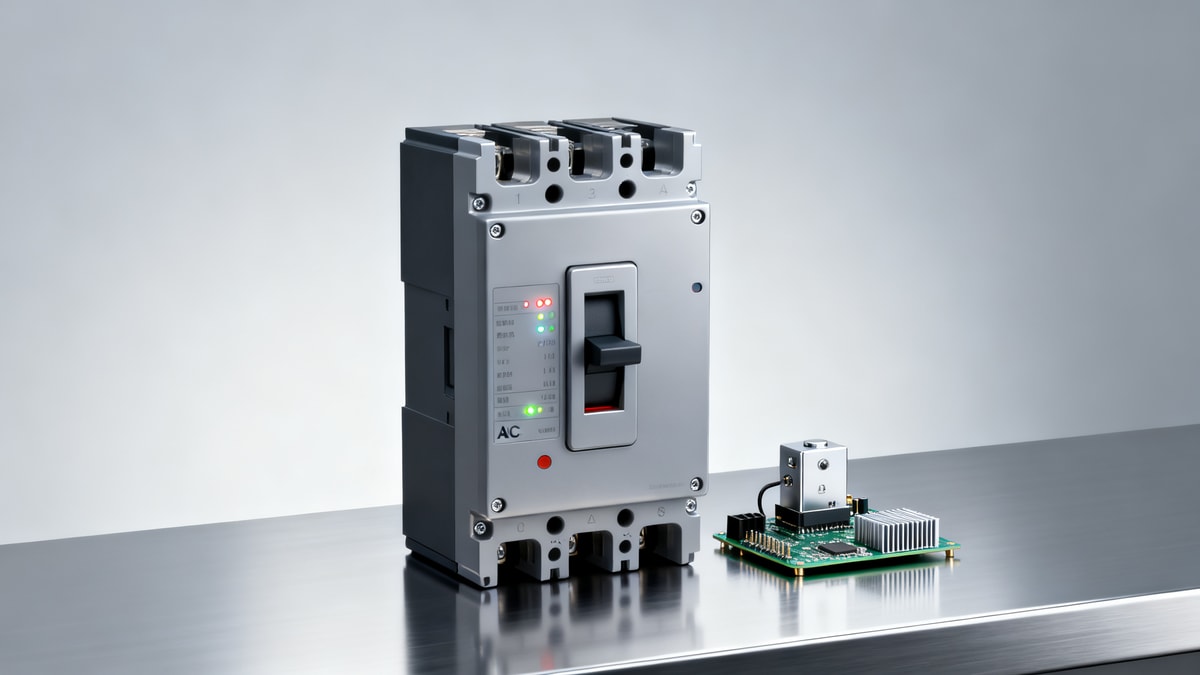
Manufacturers—especially those producing molded-case and frame-type circuit breakers for export—must now integrate AI-enabled predictive logic (e.g., thermal-magnetic modeling with real-time current/temperature analytics) and support third-party validation. This introduces new R&D, firmware, documentation, and test-reporting requirements—not previously mandated under legacy IEC or SASO standards.
Supply Chain and Certification Service Providers
Testing laboratories, certification bodies, and conformity assessment consultants must align their scope with the new UL 62841-2-11:2026 Clause 5.3.7 verification protocol. Capacity constraints, lead-time extensions, and accreditation gaps may emerge, especially among labs not yet authorized for AI-functional verification under this specific clause.
What Enterprises and Practitioners Should Focus On Now
Monitor official SASO and SASO-accredited body communications
The technical notice references UL 62841-2-11:2026, but SASO has not yet published a publicly accessible list of approved testing labs or clarified whether existing SASO CoC (Certificate of Conformity) schemes will be updated to include AI verification. Stakeholders should track SASO’s official portal and designated conformity assessment partners for procedural updates.
Identify and prioritize product lines subject to the requirement
The mandate applies specifically to industrial circuit breakers—excluding residential miniature circuit breakers (MCBs) or residual-current devices (RCDs). Exporters should audit their active SKUs against the scope defined in Clause 5.3.7 and flag models intended for Saudi EPC or NEOM delivery channels for immediate technical review.
Distinguish between policy signal and operational implementation
Analysis shows this requirement reflects a broader shift toward performance-based, intelligent functionality in electrical safety standards—not just prescriptive construction rules. However, it remains unclear whether SASO intends this as a one-off specification or the first in a series of AI-integrated safety validations across other power equipment categories.
Prepare technical documentation and firmware validation packages early
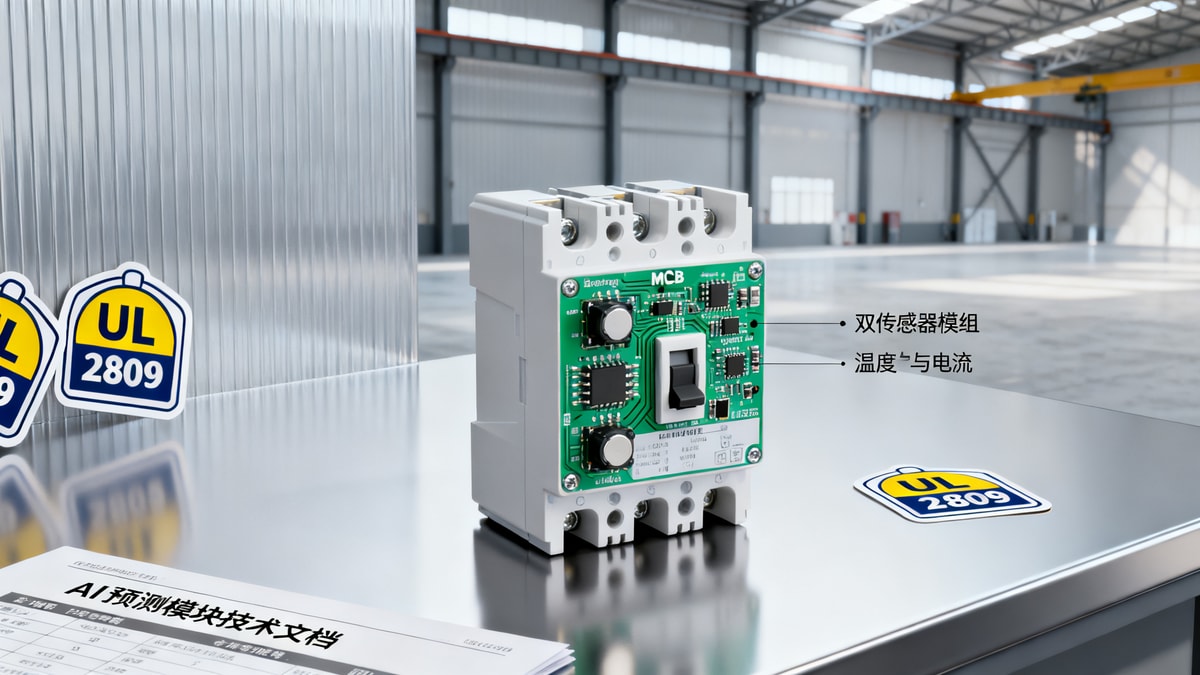
Third-party verification will require documented evidence of AI model architecture, input data sources (e.g., real-time current sensing, ambient temperature), prediction accuracy thresholds, and fail-safe behavior under edge-case overloads. Manufacturers should begin assembling these materials now—even before lab capacity becomes available—to avoid bottlenecks post-July 2026.
Editorial Perspective / Industry Observation
Observably, this is less a standalone compliance update and more a strategic signal: SASO is embedding AI-driven functional assurance into critical infrastructure procurement—prioritizing predictive reliability over passive compliance. From an industry perspective, it marks a pivot from ‘does it trip?’ to ‘can it anticipate and communicate risk before tripping?’. Current evidence suggests this is an emerging regulatory threshold—not yet a mature framework—with significant ambiguity around verification methodology, model transparency expectations, and international recognition of test reports. The requirement is best understood not as a finalized standard, but as a pilot phase for AI-integrated electrical safety governance in high-stakes infrastructure markets.
Conclusion: This SASO update represents a material compliance inflection point for industrial circuit breaker exporters targeting Saudi Arabia. Its significance lies not only in its technical novelty, but in its precedent-setting role for AI-functional validation in energy infrastructure standards. At present, it is more accurately interpreted as an early-stage regulatory signal requiring close monitoring and phased readiness—rather than a fully operationalized mandate with universally defined execution pathways.
Source: SASO Technical Notice Supplement to SASO IEC 62841-2-11:2026, issued May 5, 2026. Note: Verification procedures, accredited laboratories, and transitional arrangements remain pending official clarification and are subject to ongoing observation.
Technical Specifications
- SASO Mandates Dual Energy Label for Industrial Transformers in Saudi Arabia from May 2026Author :Grid Infrastructure Analyst
- EN 61000-4-30:2026 Enforced: Class A Harmonic Traceability Mandatory for EU PQ AnalyzersAuthor :Precision Metrology Expert
- US DOE Level 3 Transformer Efficiency Standard Effective July 1, 2026Author :Grid Infrastructure Analyst
Expert Insights

Chief Security Architect
Dr. Thorne specializes in the intersection of structural engineering and digital resilience. He has advised three G7 governments on industrial infrastructure security.
Related Analysis
- May 06, 2026SASO Mandates Dual Energy Label for Industrial Transformers in Saudi Arabia from May 2026Author :Grid Infrastructure Analyst
- May 06, 2026EN 61000-4-30:2026 Enforced: Class A Harmonic Traceability Mandatory for EU PQ AnalyzersAuthor :Precision Metrology Expert
- May 06, 2026US DOE Level 3 Transformer Efficiency Standard Effective July 1, 2026Author :Grid Infrastructure Analyst
Core Sector // 01
Security & Safety
- UL 62841-2-11:2026 Effective: AI Overload Prediction Required for US Industrial Circuit BreakersAuthor :Grid Infrastructure Analyst

- SASO AI Overload Prediction Requirement for Industrial Circuit Breakers in Saudi ArabiaAuthor :Grid Infrastructure Analyst

- Where Electrical & Power standards change equipment selectionAuthor :Grid Infrastructure Analyst

- UL 62841-2-11:2026 Effective: AI Overload Prediction Required for Industrial MCBsAuthor :Grid Infrastructure Analyst

- Electrical Safety Solutions That Address Repeat Workplace IncidentsAuthor :Grid Infrastructure Analyst

- Electrical & Power Solutions That Help Prevent Hidden DowntimeAuthor :Grid Infrastructure Analyst

- SASO AI Diagnostic备案要求:Saudi Arabia Industrial Circuit BreakersAuthor :Grid Infrastructure Analyst

- Automatic Voltage Regulator AVR Issues Linked to Load SwingsAuthor :Grid Infrastructure Analyst