Stainless Steel Sprockets or Carbon Steel in Wet Lines?
Author
Date Published
Reading Time
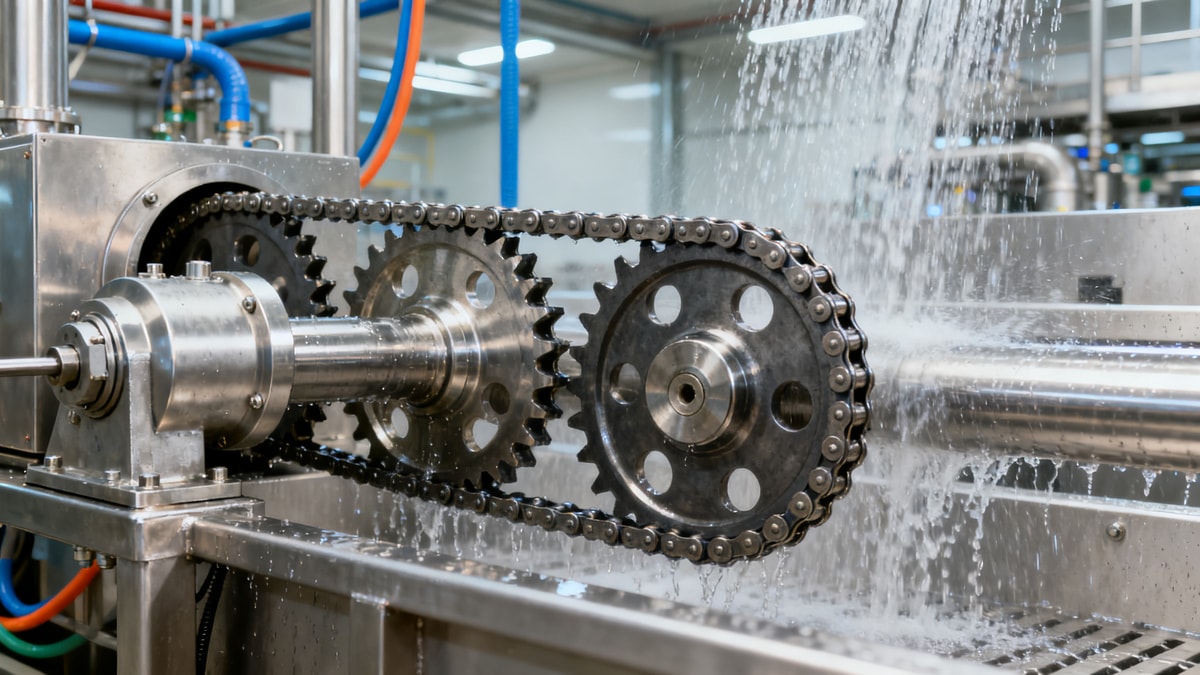
In wet production lines, the choice between stainless steel sprockets and carbon steel can shape uptime, maintenance costs, and long-term reliability. For project managers overseeing performance-critical systems, material selection is not just about price—it is about corrosion resistance, load stability, hygiene requirements, and lifecycle value. This article examines the key trade-offs to help you specify the right option with greater confidence.
Across food processing, beverage filling, washdown packaging, wastewater handling, marine transfer, and chemical dosing systems, sprockets operate in conditions where moisture, cleaning agents, and temperature swings accelerate wear. In many projects, the initial price gap between stainless steel sprockets and carbon steel looks significant at purchase order stage, but the real cost difference often appears 6 to 24 months later through unplanned stops, chain damage, sanitation issues, and replacement labor.
For EPC teams, facility managers, and project leaders, the decision should be tied to operating environment, required service life, maintenance access, compliance expectations, and the cost of downtime per hour. A low-cost sprocket in a wet line can become the most expensive component if it drives repeated shutdowns or contaminates adjacent equipment. The sections below break the decision into practical engineering and procurement criteria.
Why Material Selection Changes Performance in Wet Lines
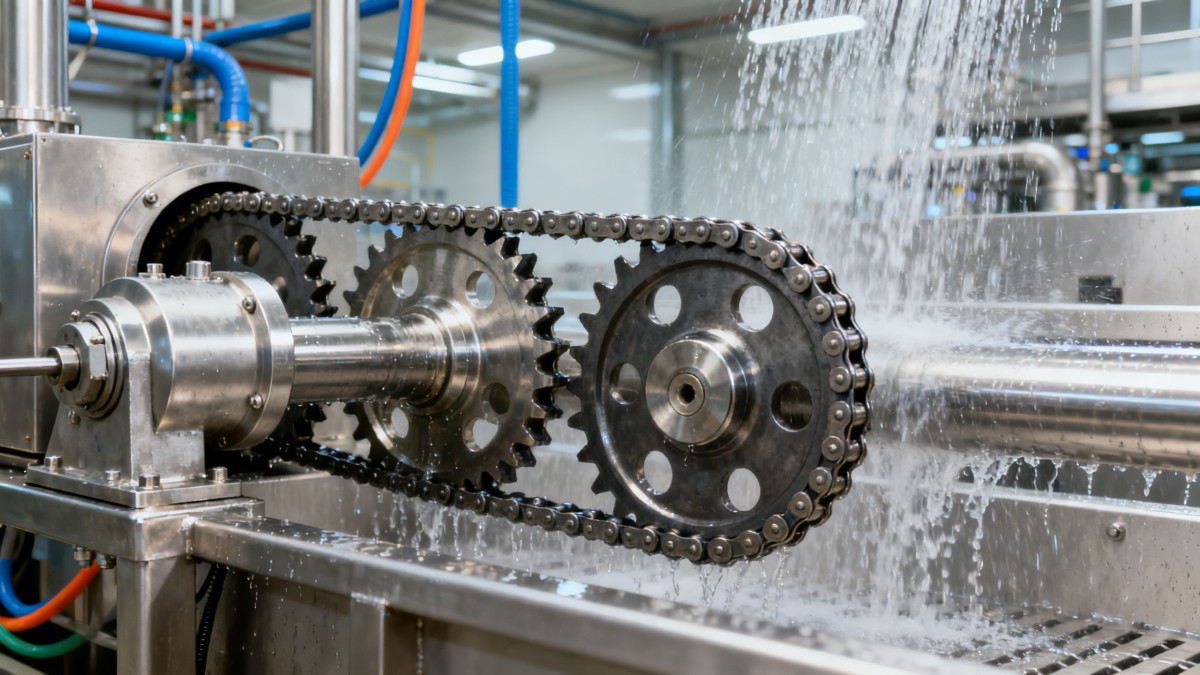
Wet production lines create a very different wear profile from dry conveying systems. Water alone can trigger oxidation, but many industrial lines also introduce chlorides, caustic cleaners, acidic residues, or abrasive slurry. Under these conditions, a sprocket is not just a rotating component; it becomes a corrosion-sensitive load transfer point that directly affects chain engagement, pitch accuracy, and drive stability.
Carbon steel sprockets can perform well in dry or lightly humid areas, especially when protected by plating, coating, or routine lubrication. However, once the coating is scratched, edge-worn, or exposed to aggressive cleaning cycles, rust can spread quickly around tooth profiles and bore surfaces. In washdown systems running 1 to 3 sanitation cycles per shift, this deterioration may appear far sooner than expected.
The Main Performance Variables Project Managers Should Track
When specifying stainless steel sprockets or carbon steel alternatives, most project teams should review at least 5 variables: corrosion exposure, mechanical load, chain speed, sanitation frequency, and maintenance interval. If any one of these is underestimated, the selected material may meet initial budget targets but miss long-term reliability targets.
- Corrosion exposure: freshwater, salt-laden air, alkaline washdown, acidic residue, or chemical splash
- Load profile: steady load, shock load, start-stop duty, or torque spikes above normal range
- Operating temperature: ambient, chilled zones, steam-adjacent equipment, or thermal cycling
- Service access: easy 30-minute replacement or restricted shutdown windows of 8 to 12 hours
- Hygiene requirement: general industrial use versus food, beverage, or pharmaceutical contact-adjacent environments
In many wet lines, the balance shifts in favor of stainless steel sprockets when the environment combines moisture with frequent cleaning. That is because corrosion affects more than appearance. As rust develops, tooth geometry changes, chain seating worsens, and wear accelerates in a compounding cycle. A 1 mm change at the tooth edge can be enough to increase engagement noise, vibration, and chain stress over time.
Stainless Steel Versus Carbon Steel at a Functional Level
The table below compares common decision points that matter in real industrial settings rather than in purely theoretical material charts.
The practical takeaway is simple: if your line is wet only occasionally and downtime has low operational impact, carbon steel may remain viable. If the line sees daily washdown, chemical contact, or high-cost downtime, stainless steel sprockets usually produce better lifecycle value even with a higher unit price.
Where Carbon Steel Still Makes Sense
Carbon steel is not automatically the wrong choice. It can still be appropriate in 3 common cases: enclosed drives protected from spray, utility conveyors outside hygiene-critical zones, and short-cycle assets with planned replacement intervals under 12 months. In these cases, project managers can use carbon steel strategically if maintenance planning is disciplined and spare inventory is available.
How to Evaluate Cost, Risk, and Service Life
Procurement teams often compare only unit price, but a better method is to review total installed cost over a defined service window such as 12, 24, or 36 months. For a wet line running 16 to 20 hours per day, one replacement event can include labor, line stoppage, lockout procedures, chain inspection, alignment, and restart validation. That can outweigh the original savings from carbon steel after a single failure cycle.
A useful project question is this: what does 1 hour of downtime cost on this line? In packaging, food, or process industries, the answer can be far higher than the cost difference between material options. If a shutdown window requires 4 technicians for 3 hours plus sanitation requalification, the decision should favor the material with lower failure risk rather than lower purchase price.
A Practical Lifecycle Comparison Framework
The following framework helps project managers assess the two options across financial and operational dimensions before final specification.
This type of matrix moves the discussion away from a narrow “cheap versus expensive” debate and toward quantifiable risk. In many industrial projects, the cost of just 2 unplanned interventions per year is enough to justify stainless steel sprockets in wet service.
Typical Risk Patterns by Environment
Not all wet lines are equally corrosive. A room-temperature rinse conveyor and a chloride-heavy seafood line do not impose the same demands. Project teams should map the operating environment into at least 4 levels before final selection.
- Low exposure: occasional splashing, less than 1 cleaning cycle per day
- Moderate exposure: daily moisture, regular detergent washdown, 1 to 2 wet shifts
- High exposure: continuous water presence, chemical cleaners, poor drainage, 2 to 3 sanitation cycles
- Severe exposure: chlorides, acids, salt fog, slurry, or areas with frequent standing water
As exposure moves from Level 2 to Level 4, stainless steel sprockets become increasingly advantageous. In severe environments, carbon steel often remains in service only with protective coating strategies, tighter inspections, and acceptance of shorter life. That may be manageable on non-critical assets, but it is usually a weak fit for lines where production continuity is tightly measured.
Specification Criteria for Project Managers and EPC Teams
Selecting the right sprocket material requires more than naming the alloy. A solid specification should cover geometry, interface fit, operating profile, and maintenance expectations. If those inputs are incomplete, even the right material can deliver poor results due to misalignment, incorrect bore tolerance, or chain mismatch.
Five Questions to Confirm Before Ordering
- What chain standard, pitch, and tooth count are required for the drive?
- Will the line operate in washdown conditions more than 5 days per week?
- Is the area hygiene-sensitive or exposed to product-contact-adjacent risk?
- What is the expected shaft fit tolerance and keyway requirement?
- How long is the acceptable replacement interval: under 12 months or over 24 months?
These questions help prevent a common procurement error: choosing stainless steel sprockets for corrosion resistance, but overlooking fit accuracy or tooth profile quality. In wet lines, corrosion resistance matters, but so do concentricity, alignment, and surface finish. Poor machining can create chain jump, uneven wear, and noise even when the material itself is well chosen.
When Hygiene Requirements Change the Decision
In sectors with washdown-driven cleanliness protocols, surface condition becomes a purchasing factor rather than a maintenance afterthought. Stainless steel sprockets are often preferred because they simplify cleaning, reduce visible corrosion points, and support more predictable inspection outcomes. This matters in facilities where daily pre-op checks or weekly audit routines include component surface review.
Procurement Checklist for Reduced Project Risk
Before approving the final purchase, use a 6-point verification process to reduce mismatch and avoid field modifications.
- Confirm chain pitch, tooth count, bore size, and hub style
- Define moisture level, cleaner type, and exposure duration per shift
- Review shaft fit and alignment tolerances with the mechanical team
- Set target service life, such as 18, 24, or 36 months
- Verify maintenance access time and shutdown cost impact
- Request material and dimensional documentation from the supplier
For global sourcing projects, it is also wise to align replacement parts strategy with lead time reality. If imported components require 4 to 8 weeks, the risk profile changes. Carbon steel may seem acceptable until an unexpected failure happens and no spare is on site. In contrast, a longer-life stainless option can reduce emergency purchasing pressure.
Common Mistakes, Maintenance Implications, and Best-Fit Use Cases
One common mistake is assuming that lubrication alone will offset poor material choice in a wet environment. In reality, water and cleaning chemistry can wash away protective films quickly, especially in systems exposed 2 or 3 times per shift. Another mistake is using carbon steel in visible washdown zones while expecting cosmetic corrosion to remain harmless. Surface rust often becomes a precursor to dimensional wear and sanitation concerns.
Best-Fit Application Guidance
Stainless steel sprockets are typically the stronger fit for food and beverage conveyors, packaging lines with aggressive sanitation, water treatment systems, marine-adjacent handling, and chemical process areas with persistent moisture. Carbon steel remains more appropriate for dry warehouse conveyors, guarded utility drives, and budget-controlled installations where replacement is straightforward and corrosion exposure stays low.
For mixed environments, some project teams apply a zone-based strategy. Critical wet sections use stainless steel sprockets, while dry transfer zones use carbon steel. This approach can balance budget and reliability if the line layout is clearly divided and maintenance teams understand the different inspection cycles.
Maintenance Planning by Material Type
Material choice influences not only replacement frequency but also what technicians inspect. Stainless steel sprockets still require checks for tooth wear, bore integrity, alignment, and chain seating, but they usually reduce corrosion-related intervention. Carbon steel systems often need added checks for coating damage, red rust formation, and moisture traps near hubs or keyways.
A practical maintenance cadence may include weekly visual review, monthly chain engagement inspection, and shutdown-based dimensional checks every 3 to 6 months depending on duty severity. If the line shows vibration, noise increase, or uneven chain wear before the expected interval, the material and environment match should be reassessed rather than simply replacing parts like-for-like.
Final Decision Rule for High-Consequence Lines
If the line is wet, hard to access, cleaned frequently, or expensive to stop, stainless steel sprockets are usually the lower-risk choice. If the line is dry most of the time, easy to service, and not hygiene-sensitive, carbon steel may remain an efficient option. The best answer is not universal; it depends on whether your priority is lowest initial spend or lowest operational disruption over the asset lifecycle.
For project managers responsible for uptime, compliance, and budget accountability, the most reliable specification process is to compare material options against actual exposure, shutdown cost, maintenance burden, and target service life. Stainless steel sprockets often deliver stronger value in wet production lines because they reduce corrosion-driven failure modes and support more stable long-term operation. If you are evaluating a new line, retrofit, or sourcing strategy, contact GIC to discuss the operating conditions, component priorities, and procurement criteria behind your next specification. Get a tailored solution, review suitable material options, and explore more industrial component guidance for wet-service applications.
Technical Specifications
- India BIS Draft IS 17832:2026 Sets Noise & Dust Limits for Waste CrushersAuthor :Environmental Engineering Director
- Korea MFDS Mandates Korean UI & KOSHA OEL Database for Industrial Water AnalyzersAuthor :Precision Metrology Expert
- Indonesia BPOM Mandates PM0.1 Efficiency & CADR Decay Labeling for Industrial Air PurifiersAuthor :Environmental Engineering Director
Expert Insights

Chief Security Architect
Dr. Thorne specializes in the intersection of structural engineering and digital resilience. He has advised three G7 governments on industrial infrastructure security.
Related Analysis
- May 03, 2026India BIS Draft IS 17832:2026 Sets Noise & Dust Limits for Waste CrushersAuthor :Environmental Engineering Director
- May 03, 2026Korea MFDS Mandates Korean UI & KOSHA OEL Database for Industrial Water AnalyzersAuthor :Precision Metrology Expert
- May 03, 2026Indonesia BPOM Mandates PM0.1 Efficiency & CADR Decay Labeling for Industrial Air PurifiersAuthor :Environmental Engineering Director
Core Sector // 01
Security & Safety
- Conveyor Roller Belts: Early Wear Signs You Should Not IgnoreAuthor :Heavy Industry Strategist

- Gear Rack and Pinion Backlash Problems Often Start HereAuthor :Heavy Industry Strategist

- PU Timing Belts Wholesale: Why Cheap Belts Cost More LaterAuthor :Heavy Industry Strategist

- Rubber Shock Absorbers and the Hidden Cost of OverhardnessAuthor :Heavy Industry Strategist

- Stainless Steel Sprockets or Carbon Steel in Wet Lines?Author :Heavy Industry Strategist

- Beijing Non-Motor Vehicle Rules Take Effect May 1: GB 43854-2026 Applies to Industrial e-Mobility BatteriesAuthor :Heavy Industry Strategist

- Egypt SMIIC Mandates Arabic Energy Labels for Industrial PumpsAuthor :Heavy Industry Strategist

- How to Select Overhead Line FittingsAuthor :Heavy Industry Strategist