Metallurgical Engineering Solutions for Corrosion Problems That Return
Author
Date Published
Reading Time
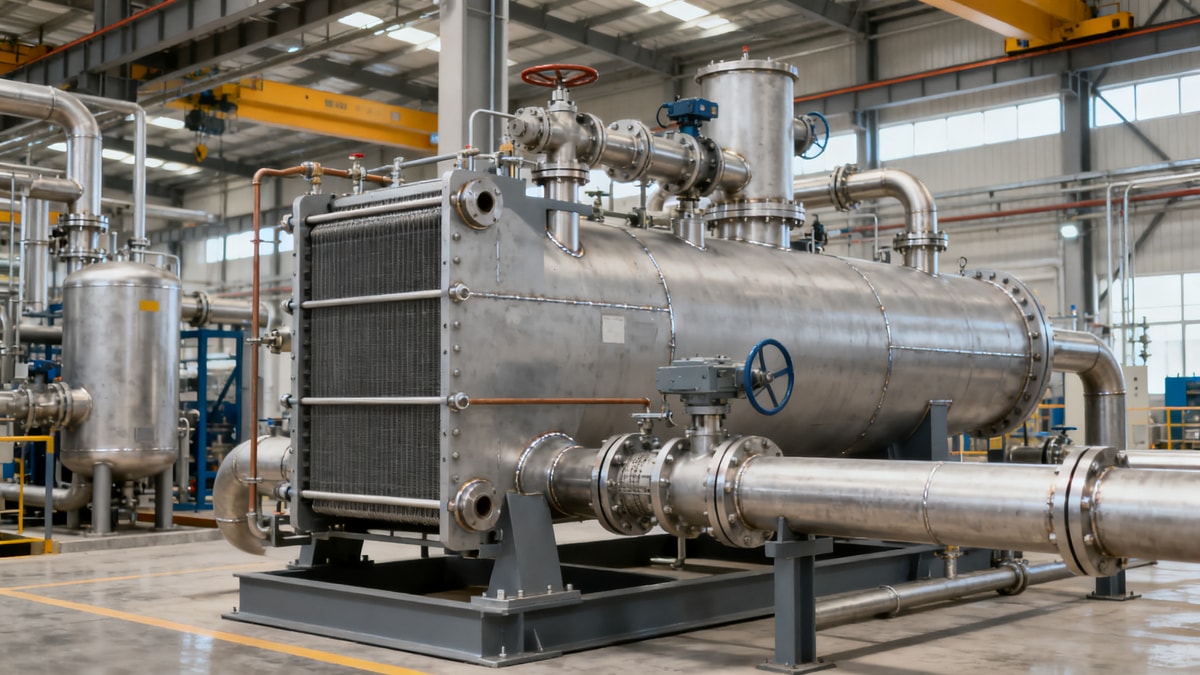
When corrosion problems keep returning, patch repairs only raise downtime and maintenance costs. Effective metallurgical engineering solutions help after-sales maintenance teams identify root causes in materials, environments, and operating conditions before failures repeat. This article explores practical ways to improve durability, reduce unplanned shutdowns, and support long-term asset reliability in demanding industrial settings.
For after-sales maintenance personnel, recurring corrosion is rarely a simple coating issue. In pumps, valves, tanks, heat exchangers, cable trays, fasteners, and structural supports, repeated attack often points to a mismatch between alloy selection, fabrication practice, process chemistry, and inspection intervals. In heavy industry, even a 2–6 hour stoppage can disrupt production sequencing, contractor schedules, and safety planning across multiple departments.
That is why metallurgical engineering solutions matter beyond material substitution alone. A useful maintenance strategy links field symptoms to metallurgical evidence, identifies the failure mechanism, and turns that knowledge into practical decisions on repair scope, spare parts, operating limits, and future procurement. For industrial teams working under tight shutdown windows of 24–72 hours, this approach can reduce repeat intervention cycles and improve long-term asset control.
Why Corrosion Returns in Industrial Assets
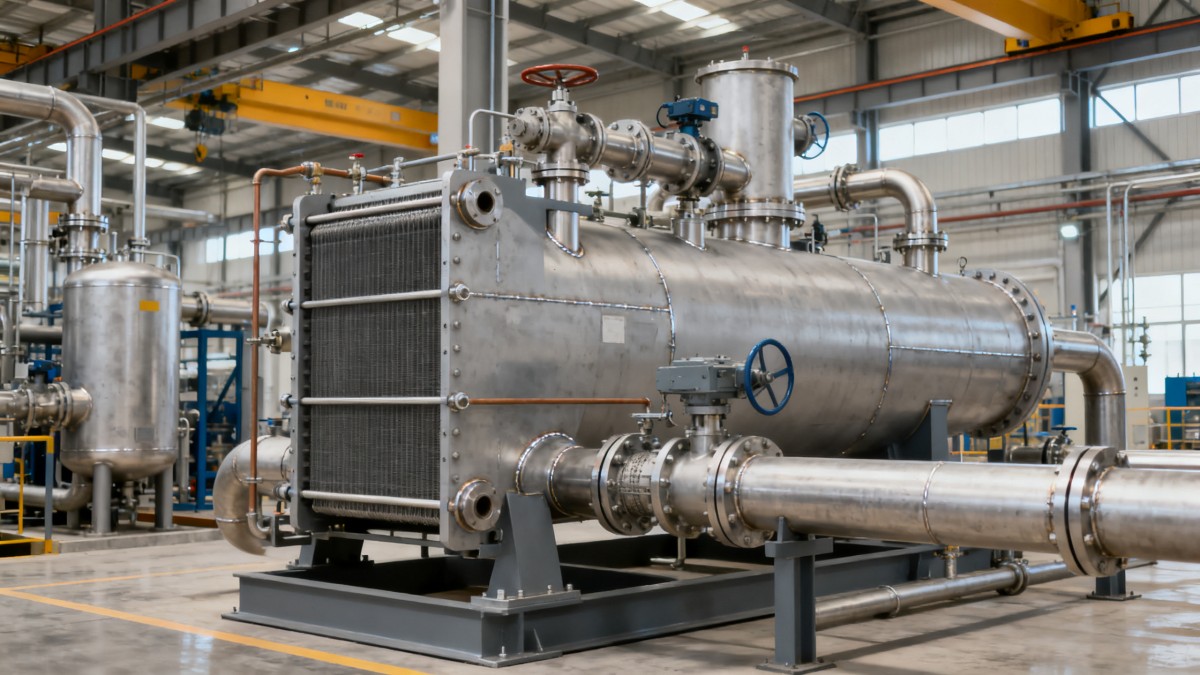
Recurring corrosion usually develops from one of four conditions: wrong material for the medium, unstable operating parameters, fabrication defects, or incomplete failure diagnosis. Many sites treat the visible damage but leave the mechanism unchanged. If chloride concentration, pH swings, temperature cycling, or galvanic contact remain in place, the same area can fail again within 3–12 months.
For maintenance teams, the first task is to separate cosmetic corrosion from active damage that threatens integrity. Surface rust on external carbon steel supports may be manageable through scheduled coating maintenance, while pitting inside a stainless steel line carrying warm chloride-bearing condensate can become a leak path much faster. The difference affects urgency, labor allocation, and whether the repair should be temporary, permanent, or tied to a planned outage.
Common mechanisms behind repeat failure
Several mechanisms appear repeatedly across industrial maintenance environments. Uniform corrosion is often predictable, but pitting, crevice corrosion, galvanic corrosion, erosion-corrosion, and stress corrosion cracking can accelerate unexpectedly when process conditions drift. A rise from 40°C to 65°C, or a jump in fluid velocity from 1.5 m/s to 3 m/s, may be enough to shift a component from acceptable performance to rapid damage.
- Chloride-driven pitting in stainless steels used in wet, warm, or stagnant service
- Galvanic attack between dissimilar metals connected without isolation washers or sleeves
- Erosion-corrosion in elbows, reducers, and pump casings exposed to suspended solids
- Under-deposit corrosion caused by scale, biofilm, or residue trapped on metal surfaces
- Heat-affected zone weakness near welds due to poor post-fabrication control
Why temporary repairs often fail
A patch plate, sealant, sleeve, or local grinding repair can restore function quickly, but these actions do not automatically remove the original risk driver. If the parent metal has already lost 20%–35% of wall thickness, or if the same fluid chemistry is still present, a localized repair may simply relocate the failure to the edge of the intervention zone. This is a common pattern in tanks, piping spools, and flange assemblies.
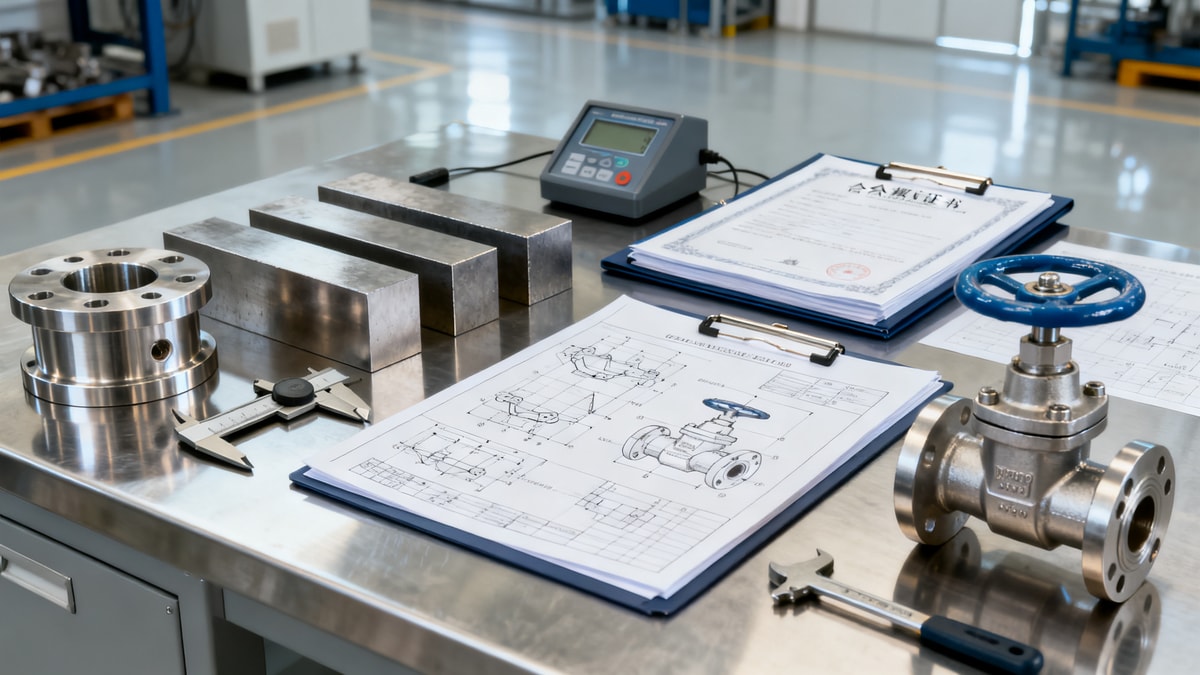
Maintenance teams also face documentation gaps. Without operating history, previous repair records, or material certificates, repeated corrosion may be misclassified. A component labeled as “stainless” may in fact be a lower-grade alloy not suited for the service. Metallurgical engineering solutions help verify composition, hardness, microstructural condition, and damage mode before a repair budget is committed.
Field indicators that call for deeper metallurgical review
When the same asset needs more than 2 repairs in 12 months, when corrosion is concentrated at welds or low-flow zones, or when wall loss is uneven across adjacent sections, maintenance teams should move beyond routine patching. These indicators suggest that the issue is linked to metallurgical compatibility, process design, or fabrication quality rather than normal wear alone.
The table below helps after-sales maintenance personnel connect visible symptoms with likely corrosion mechanisms and practical first actions. It is not a substitute for laboratory analysis, but it can shorten the first 24 hours of troubleshooting and improve communication with engineering, procurement, and external repair contractors.
The key takeaway is that repeat corrosion is usually pattern-based, not random. Once teams classify the mechanism correctly, metallurgical engineering solutions become more targeted. This improves the quality of repair decisions, helps prioritize spare parts, and reduces the chance of repeating the same corrective action across the next shutdown cycle.
How Metallurgical Engineering Solutions Improve Root Cause Control
The most effective metallurgical engineering solutions combine inspection data, material verification, and service-condition review. In practice, maintenance teams do not need a full research program to make better decisions. A focused 5-step workflow can often identify whether the correct response is alloy upgrade, coating revision, process adjustment, geometry redesign, or a change in inspection frequency.
A practical 5-step workflow for maintenance teams
- Document the exact location, size, and recurrence interval of the damage.
- Confirm process data such as temperature, pH, flow rate, pressure, and contamination level.
- Verify base material, weld filler compatibility, and any prior repair material used.
- Inspect morphology through thickness checks, surface replication, or sample review.
- Decide on a corrective action tied to root cause, not only leak stoppage.
This workflow is especially useful when maintenance windows are short. Within 8–24 hours, teams can often gather enough evidence to rule out at least 2 or 3 incorrect repair assumptions. That saves procurement time, avoids unnecessary component replacement, and reduces the chance of installing the same unsuitable material again.
Material selection is only one part of the answer
An alloy upgrade can be effective, but it should not be automatic. Moving from carbon steel to stainless steel, or from a standard stainless grade to a higher-alloy option, may improve resistance in one environment while creating new cost or fabrication challenges. For example, if the core issue is poor drainage, stagnant pockets, or dissimilar metal contact, even a more corrosion-resistant alloy may still fail prematurely.
In many industrial settings, the better solution may involve two or three changes made together: revised weld finishing, improved gasket design, reduced crevice formation, and a shorter inspection interval of 3 months instead of 12 months during the first service year. Metallurgical engineering solutions work best when they are integrated into maintenance planning, not treated as a one-time materials purchase.
Useful diagnostic tools in the field and workshop
After-sales maintenance teams often benefit from a mix of fast screening and deeper analysis. Portable alloy verification, wall-thickness mapping, hardness testing, borescope inspection, and fluid sampling can provide enough direction for immediate decisions. If cracking, weld-related attack, or severe pitting is present, a laboratory review of microstructure or deposit composition may be justified before final repair execution.
The comparison below shows how different corrective paths perform under common industrial corrosion scenarios. It can help maintenance and procurement teams compare short-term restoration against longer-term lifecycle control.
The main conclusion is that the best option depends on mechanism, accessibility, outage time, and lifecycle target. A low-cost repair that survives only 6 months may be more expensive than a planned modification that runs reliably for 3–5 years. For this reason, metallurgical engineering solutions should be reviewed in terms of total maintenance burden, not just initial material price.
Selection Criteria for Repairs, Replacements, and Future Procurement
After-sales teams are often asked to make recommendations that affect both immediate repair work and future sourcing standards. To improve consistency, decision-making should be based on at least 4 factors: corrosion mechanism, operating envelope, fabrication compatibility, and inspection practicality. These factors support better communication between maintenance supervisors, plant engineers, and procurement managers.
Four questions to ask before approving a replacement material
- Will the material resist the actual process medium at its maximum normal temperature, not only average temperature?
- Can the selected alloy be welded, machined, or assembled within the site’s normal repair capability?
- Will the replacement create galvanic risk with adjacent parts, supports, fasteners, or instruments?
- Can the inspection team monitor the component with available methods every 3, 6, or 12 months?
These questions may sound basic, yet they prevent many repeat failures. A higher-performance material that needs special fabrication controls or long lead times of 8–14 weeks may not be practical for critical spares unless the asset ranking justifies it. In other cases, a moderate upgrade with better availability can deliver a stronger maintenance outcome.
Procurement signals that support reliability
Maintenance-driven procurement should not stop at nominal material descriptions. Purchasing documents need enough technical detail to protect the repair intent. That usually includes alloy grade confirmation, inspection requirements, surface finish expectations, welding notes where relevant, and environmental limits such as chloride exposure, moisture cycling, or abrasive solids content.
For industrial buyers, this level of clarity also improves supplier comparability. When bid packages define 5–6 technical checkpoints instead of only dimension and quantity, suppliers are less likely to substitute a lower-performing option. This is where metallurgical engineering solutions create value at the sourcing stage: they turn field failure lessons into better specifications.
Recommended specification checkpoints
A useful procurement checklist may include base material identity, acceptable hardness range, corrosion allowance if applicable, coating preparation standard, required thickness verification method, and traceability expectations for critical parts. Even 6 simple checkpoints can reduce ambiguity and support more reliable vendor responses during urgent maintenance procurement.
Implementation, Monitoring, and Long-Term Maintenance Value
Once a corrective path is selected, implementation discipline becomes the difference between a one-time success and another repeat failure. The repair scope should define not only what is replaced, but also how adjacent surfaces are prepared, how weld zones are inspected, what startup conditions are allowed, and when the first follow-up inspection must occur. In many cases, the first 30–90 days after restart are the most important monitoring period.
Building a realistic post-repair monitoring plan
A practical plan does not need to be complicated. It can assign three checkpoints: an initial baseline at commissioning, an early-condition check after 30 days, and a trend review after 90 or 180 days. If thickness loss, deposit buildup, or discoloration appears again during that interval, the site can intervene before a leak or unplanned shutdown occurs.
Digital maintenance systems also help. Even a simple record of location, date, alloy, failure mode, and corrective action can reveal patterns after 6–12 months. For multi-site operators, these records are especially valuable because the same component design may fail differently in coastal, humid, chemical, or dust-heavy environments.
Common mistakes that undermine corrosion control
- Replacing the damaged part without checking upstream process variability
- Ignoring weld zones and focusing only on base metal condition
- Assuming all stainless steels behave the same in chloride service
- Delaying follow-up inspection because the initial repair appears successful
- Using generic spare specifications that repeat earlier material mismatch
Each of these mistakes can erase the value of a technically sound intervention. Metallurgical engineering solutions deliver the strongest return when maintenance, engineering, and sourcing teams share the same failure language and acceptance criteria. This alignment is particularly important in EPC-linked projects, plant expansions, and major overhauls where multiple contractors touch the same asset system.
Where after-sales teams add the most value
After-sales maintenance personnel are often the first to see recurring patterns that procurement or design teams do not immediately notice. Their field observations on leak frequency, deposit behavior, shutdown response time, and component accessibility can shorten root cause analysis and improve future purchasing standards. In this role, they are not just fixing corrosion; they are shaping a more reliable asset strategy.
Recurring corrosion should be treated as a systems problem, not a surface defect. The most effective metallurgical engineering solutions connect failure evidence, service conditions, repair practicality, and sourcing discipline into one decision process. For after-sales maintenance teams, that means fewer repeated interventions, better control of shutdown risk, and stronger justification for material or design changes that protect long-term reliability.
Global Industrial Core supports industrial buyers and maintenance-focused decision makers with practical intelligence across metallurgy, mechanical components, safety, and infrastructure performance. If you need help evaluating corrosion-prone assets, refining replacement specifications, or building a more resilient maintenance plan, contact us to get a tailored solution, discuss product details, and learn more about industrial-grade metallurgical engineering solutions.
Technical Specifications
- US DOE Level 3 Transformer Efficiency Rule Takes Effect July 1, 2026Author :Grid Infrastructure Analyst
- INMETRO Proposes EMP Immunity Requirement for Industrial Laser Distance Meters in BrazilAuthor :Precision Metrology Expert
- Indonesia BPOM Fast-Tracks Chinese Industrial Air PurifiersAuthor :Environmental Engineering Director
Expert Insights

Chief Security Architect
Dr. Thorne specializes in the intersection of structural engineering and digital resilience. He has advised three G7 governments on industrial infrastructure security.
Related Analysis
- May 05, 2026US DOE Level 3 Transformer Efficiency Rule Takes Effect July 1, 2026Author :Grid Infrastructure Analyst
- May 05, 2026INMETRO Proposes EMP Immunity Requirement for Industrial Laser Distance Meters in BrazilAuthor :Precision Metrology Expert
- May 05, 2026Indonesia BPOM Fast-Tracks Chinese Industrial Air PurifiersAuthor :Environmental Engineering Director
Core Sector // 01
Security & Safety
- Metallurgical Engineering Solutions for Corrosion Problems That ReturnAuthor :Heavy Industry Strategist

- How to Judge a Components & Metals Manufacturer on StabilityAuthor :Heavy Industry Strategist

- Where Metallurgical Engineering Standards Affect Product ConsistencyAuthor :Heavy Industry Strategist

- Components & Metals Bulk Order: Where Savings Usually DisappearAuthor :Heavy Industry Strategist

- When Components & Metals bulk order pricing stops being cheaperAuthor :Heavy Industry Strategist

- What a Components & Metals manufacturer should prove firstAuthor :Heavy Industry Strategist

- How metallurgical engineering manufacturers improve consistencyAuthor :Heavy Industry Strategist

- Why Components & Metals specs break sourcing plansAuthor :Heavy Industry Strategist