What a Components & Metals manufacturer should prove first
Author
Date Published
Reading Time
Before any shortlist or site visit, a Components & Metals manufacturer must prove the fundamentals: certified quality systems, material traceability, process consistency, and delivery reliability. For business evaluators, these are not optional claims but measurable signals of risk control, compliance, and long-term supply stability in demanding industrial environments.
What business evaluators should verify first in a Components & Metals manufacturer
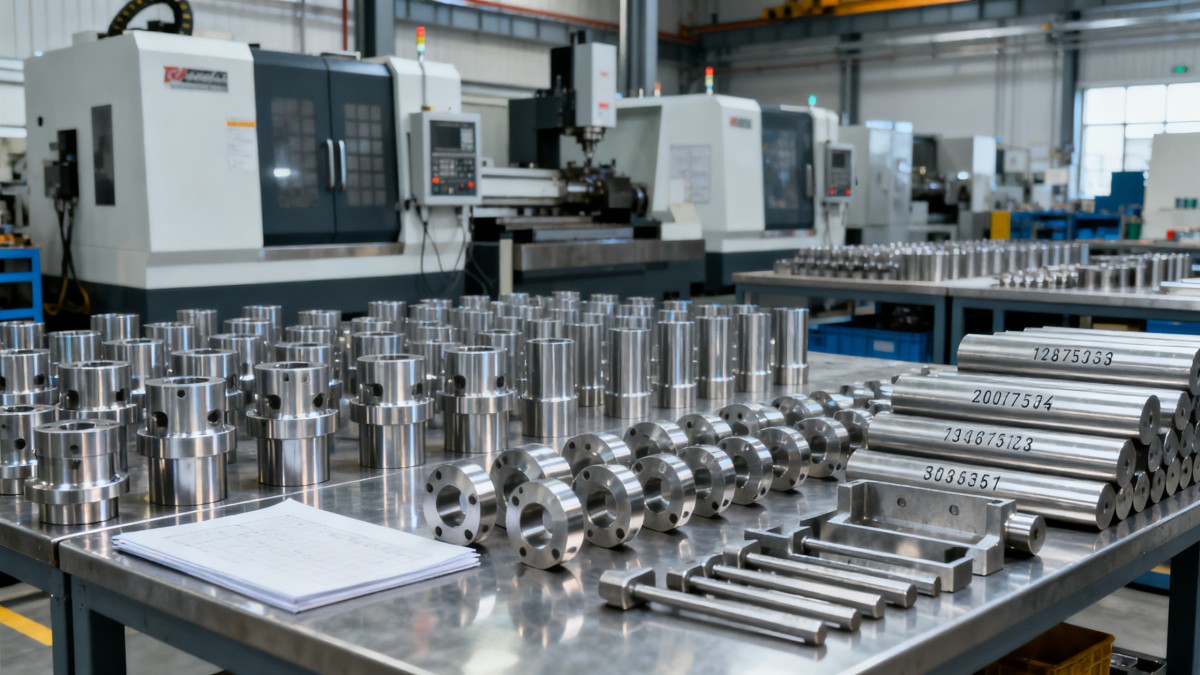
In industrial sourcing, first impressions should not come from polished brochures or broad capability statements. A serious Components & Metals manufacturer should first demonstrate control over the factors that directly affect downstream risk: documented quality management, stable production methods, raw material accountability, inspection discipline, and on-time fulfillment performance.
For business evaluators, the core task is not simply to compare prices. It is to determine whether a supplier can support repeatable output across projects, geographies, and compliance environments. This matters even more in broad industrial applications where components may enter power systems, machinery assemblies, environmental equipment, safety systems, and process plants.
A capable Components & Metals manufacturer usually needs to prove four fundamentals early in the evaluation cycle:
- Its quality system is formalized, documented, and actively used rather than presented only for audits.
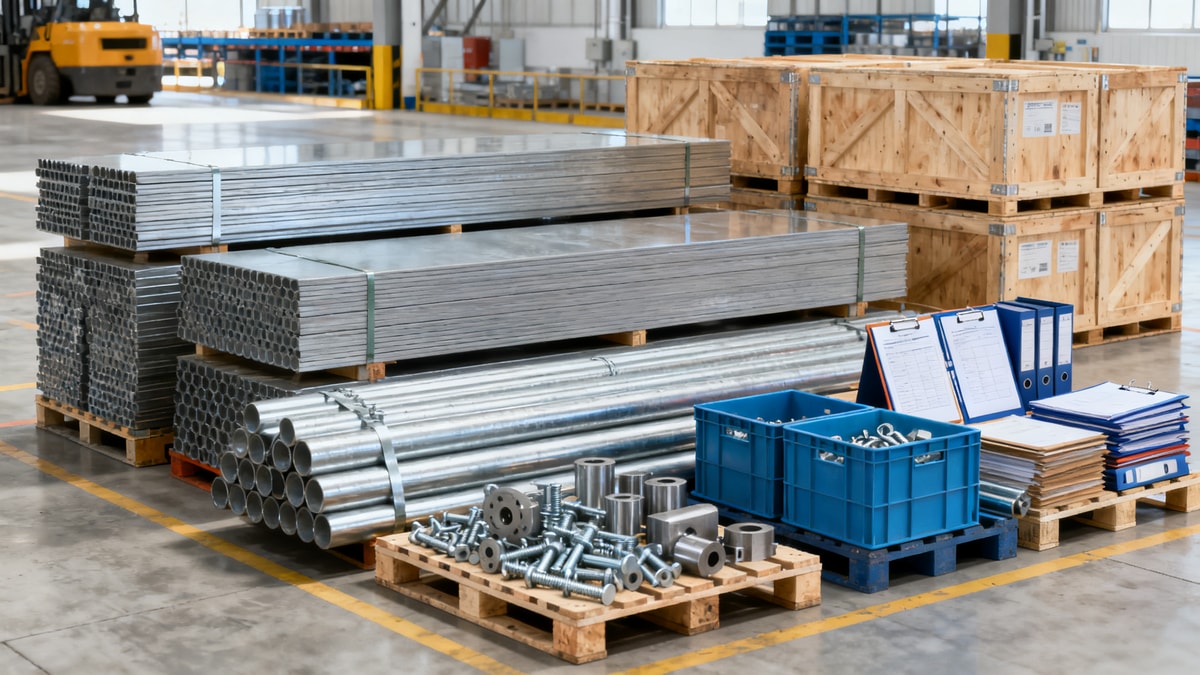
- Its materials can be traced from incoming batch to finished lot, especially for critical alloys, safety-related parts, and regulated applications.
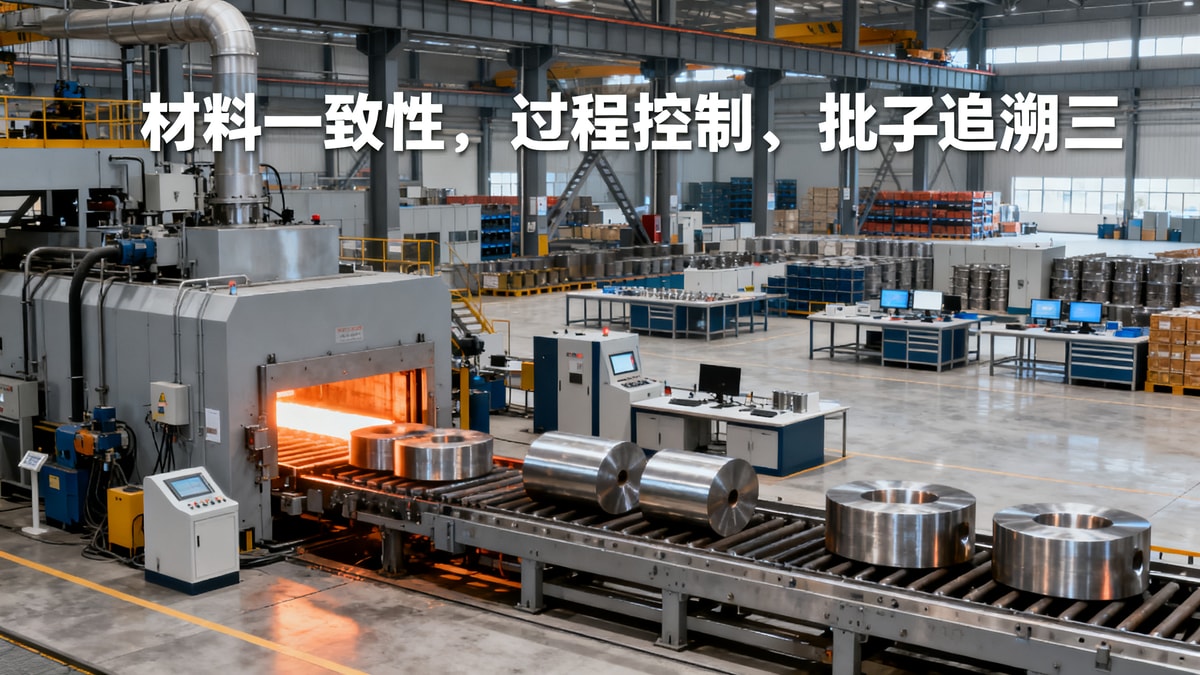
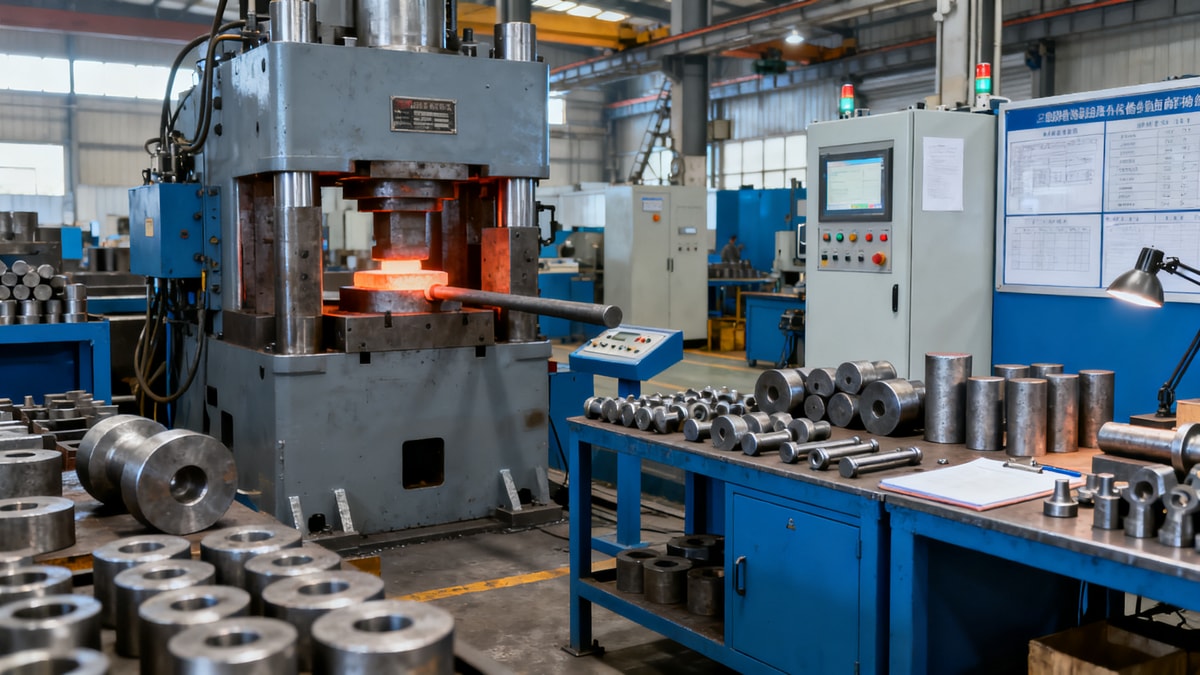
- Its process capability is stable enough to hold required tolerances, surface conditions, heat treatment targets, or coating performance over time.
- Its delivery model is resilient against disruptions in tooling, subcontracting, logistics, or raw material availability.
At Global Industrial Core, these fundamentals are the basis for responsible supplier visibility. In heavy industry and foundational engineering, a weak supplier may pass a quotation stage yet fail at the exact point where projects cannot tolerate uncertainty: installation, commissioning, safety review, or field service.
Why “capability” is not enough without proof
Many suppliers describe themselves as full-service, precision-driven, or globally compliant. Those words are not useless, but they are incomplete. Business evaluators need evidence that a Components & Metals manufacturer can convert internal capability into controlled output under real commercial pressure.
The practical difference between capacity and control
Capacity means the supplier owns machines, labor, or subcontracting channels. Control means the supplier can maintain specification, documentation, and timing when conditions change. If material substitution occurs, if a furnace load varies, or if a finishing vendor changes lead time, control is what keeps nonconformities from reaching the customer.
What evaluators should ask for early
- A current overview of the quality management system and its scope.
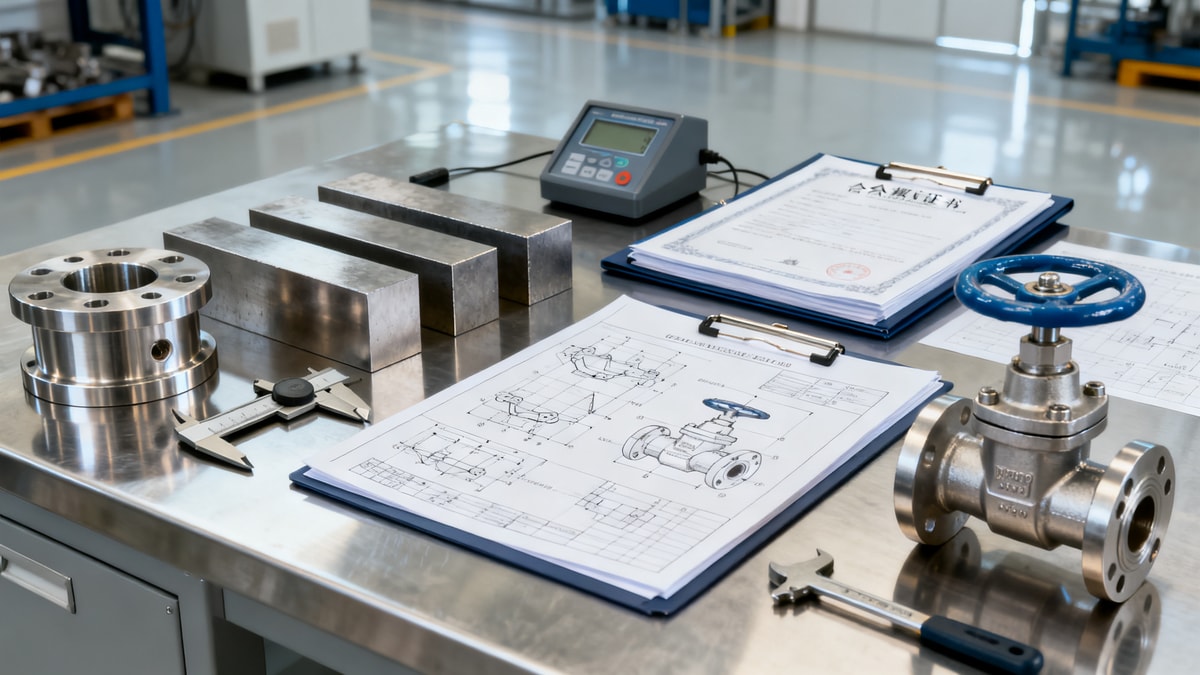
- Examples of inspection records, lot traceability, and nonconformance handling.
- A process map showing which stages are in-house and which are outsourced.
- Typical lead times for prototypes, pilot batches, and recurring production.
- Information on how engineering changes are controlled and communicated.
These requests help separate a commercially responsive supplier from a strategically reliable one. In components and metals procurement, that distinction often determines lifecycle cost more than the quoted unit price.
The first proof set: quality system, traceability, process consistency, delivery reliability
The table below summarizes the first proof points a Components & Metals manufacturer should present to business evaluators before deeper technical review or factory qualification.
This proof set is especially useful because it aligns commercial evaluation with operational risk. It also creates a common review framework for procurement, quality, engineering, and project teams, reducing internal disagreement during supplier selection.
Which standards and certifications deserve early attention?
Not every project requires the same compliance stack, but business evaluators should still begin with a practical certification screen. A Components & Metals manufacturer serving industrial markets should be able to explain which standards apply to its products, processes, and target regions.
What to review beyond the certificate itself
- Whether the certificate scope actually covers the supplied process or product family.
- Whether testing, calibration, or inspection activities are performed internally or by external laboratories.
- Whether regional market requirements such as CE, UL, RoHS, REACH, or customer-specific standards affect material choice or labeling.
- Whether special processes such as welding, plating, coating, heat treatment, or passivation are controlled and documented.
The next table helps business evaluators match common compliance areas to practical review points when assessing a Components & Metals manufacturer.
A certificate should start a conversation, not end it. Evaluators should always connect the document to process reality, product scope, and downstream obligations in the customer’s project environment.
How to assess traceability and process discipline without waiting for a factory audit
Site visits are valuable, but many sourcing decisions begin long before travel approval. A business evaluator can still perform a disciplined remote review of a Components & Metals manufacturer by requesting process-linked evidence in sequence.
- Start with the bill of materials and identify critical materials, special processes, and outsourced operations.
- Ask for one sample production trail: incoming material record, work order, in-process inspection, final release, and shipping reference.
- Review how nonconforming material is segregated, approved, or scrapped.
- Check whether drawing revisions, customer specifications, and inspection criteria are synchronized.
- Confirm who owns process changes when external subcontractors are involved.
This remote method often reveals whether the supplier can connect documentation across departments. A strong Components & Metals manufacturer will usually answer with linked records. A weak one often responds with isolated files that do not prove continuity between raw material, manufacturing, inspection, and shipment.
Commercial comparison: low quote versus low risk
Price remains important, especially in competitive sourcing events. However, business evaluators should compare quoted cost against the hidden cost of supplier instability. A Components & Metals manufacturer that appears cheaper may become more expensive once rework, delays, expediting, quality escapes, or engineering clarification cycles are included.
Common cost drivers that do not show up in the first quote
- Repeated first-article corrections due to weak drawing review or tooling discipline.
- Material re-verification because traceability records are incomplete or inconsistent.
- Schedule slippage caused by overloaded subcontractors or poor production planning.
- Extra receiving inspection on the buyer side because confidence in supplier control is low.
For evaluators in EPC, facilities, utilities, and industrial manufacturing, the right comparison is not cheapest supplier versus premium supplier. It is low-visibility risk versus documented control. That is why the early proof burden matters so much when screening a Components & Metals manufacturer.
Application scenarios where proof matters most
Different end uses place different stress on supplier qualification. The same Components & Metals manufacturer may be suitable for one project class and unsuitable for another if process control or documentation depth does not match the operating environment.
High-consequence industrial scenarios
- Mechanical assemblies in high-vibration or high-load environments, where metallurgical consistency and dimensional control affect service life.
- Electrical or enclosure-related metal parts exposed to heat, corrosion, or outdoor conditions, where coating and material choice must be verified.
- Safety-related brackets, housings, fittings, or fabricated parts, where traceability and documented release are necessary for incident review.
- Environment and process systems that rely on corrosion-resistant alloys, weld quality, or chemical compatibility.
These are the environments where GIC’s industrial focus is especially relevant. Procurement decisions in such sectors cannot rely on generic vendor marketing. They need evidence that aligns sourcing, engineering, compliance, and operational resilience.
Common evaluation mistakes when reviewing a Components & Metals manufacturer
Even experienced teams can overlook early warning signs. Most mistakes happen when commercial urgency compresses the review sequence.
Frequent misconceptions
- Assuming that a recognized certificate automatically proves product-specific suitability.
- Treating traceability as necessary only for premium alloys, while ignoring coated carbon steel, fasteners, or fabricated subassemblies.
- Evaluating lead time without checking dependency on external plating, machining, heat treatment, or freight consolidation.
- Reviewing sample quality but not asking whether the same controls apply to recurring volume production.
A better approach is staged qualification. Screen documentation first, compare process maturity second, and use audits or sample validation only after the supplier has met the baseline evidence threshold.
FAQ for business evaluators
How do I know if a Components & Metals manufacturer is suitable for repeat orders, not just prototypes?
Look for evidence of repeatability, not just capability. Ask for recurring production control plans, batch inspection practices, revision control, and examples of how the supplier handled process drift or customer changes over time. A prototype can succeed through manual attention; repeat supply depends on system discipline.
What documents matter most at the early qualification stage?
Prioritize quality scope, traceability records, sample inspection output, process maps, lead-time structure, and a clear statement of in-house versus outsourced operations. These reveal more than a generic catalog because they show how the Components & Metals manufacturer manages risk in real production flow.
Is a lower-cost supplier always a higher-risk supplier?
Not always. Some suppliers are efficient because they have mature planning, effective tooling, and strong material sourcing. The real issue is transparency. If a lower-cost Components & Metals manufacturer can clearly document controls and dependencies, the risk may be acceptable. If the cost advantage comes with weak visibility, the apparent savings can disappear quickly.
How important is material traceability for standard industrial parts?
It is often more important than buyers expect. Even standard parts can enter safety-sensitive, corrosive, or load-bearing environments. Traceability supports root-cause investigation, compliance review, warranty handling, and confidence in substitution control. For many industrial buyers, it is a baseline sign of supplier maturity.
Why work with GIC when evaluating a Components & Metals manufacturer
Global Industrial Core supports industrial decision-makers who need more than supplier directories or surface-level sourcing content. Our focus is on foundational systems where failure carries operational, compliance, and commercial consequences. That perspective helps business evaluators ask sharper questions earlier and reduce wasted qualification effort.
If you are reviewing a Components & Metals manufacturer for industrial supply, you can consult GIC on practical evaluation topics such as:
- Parameter confirmation for material grade, tolerance expectations, coating needs, and inspection points.
- Supplier screening criteria for quality systems, traceability depth, and subcontracting exposure.
- Lead-time evaluation for prototype, pilot, and repeat production under project schedule pressure.
- Certification and compliance review for target markets, industry standards, and customer documentation needs.
- Custom sourcing discussions covering sample support, technical clarification, packaging expectations, and quotation alignment.
When the first decision is whether a Components & Metals manufacturer deserves deeper review, the right evidence saves time, protects budget, and improves supplier confidence across procurement, engineering, and operations. Contact GIC to discuss qualification checkpoints, sourcing comparisons, delivery concerns, or documentation requirements before you commit resources to the wrong supplier.
Technical Specifications
Expert Insights

Chief Security Architect
Dr. Thorne specializes in the intersection of structural engineering and digital resilience. He has advised three G7 governments on industrial infrastructure security.
Related Analysis
- May 04, 2026When Components & Metals bulk order pricing stops being cheaperAuthor :Heavy Industry Strategist
- May 04, 2026What makes an Instruments & Measurement supplier dependableAuthor :Precision Metrology Expert
- May 04, 2026How to assess an Environment & Ecology exporter by documentationAuthor :Environmental Engineering Director
Core Sector // 01
Security & Safety
- When Components & Metals bulk order pricing stops being cheaperAuthor :Heavy Industry Strategist

- What a Components & Metals manufacturer should prove firstAuthor :Heavy Industry Strategist

- How metallurgical engineering manufacturers improve consistencyAuthor :Heavy Industry Strategist

- Why Components & Metals specs break sourcing plansAuthor :Heavy Industry Strategist

- How to vet a closed die forging parts supplier fastAuthor :Heavy Industry Strategist

- Closed die forging parts or casting parts for high loads?Author :Heavy Industry Strategist

- Industrial metallurgy choices that affect part lifespanAuthor :Heavy Industry Strategist

- Why investment casting manufacturer quotes vary so muchAuthor :Heavy Industry Strategist