Components & Metals Bulk Order: Where Savings Usually Disappear
Author
Date Published
Reading Time
A Components & Metals bulk order should reduce total cost, yet savings often vanish through hidden variables such as scrap rates, packaging damage, compliance gaps, and inefficient logistics. For procurement professionals, understanding where margin leaks occur is essential to securing reliable supply, consistent quality, and measurable purchasing performance before a large order turns into an expensive operational risk.
Why a checklist approach matters before placing a Components & Metals bulk order
In industrial purchasing, headline unit price is rarely the real cost driver. A low quote on castings, fasteners, sheets, coils, machined parts, or fabricated assemblies can hide losses across quality variation, inbound handling, documentation, storage, rework, and delayed production. That is why procurement teams should evaluate every Components & Metals bulk order through a checklist rather than through price comparison alone.
A checklist-based review helps buyers standardize supplier comparison, identify risk before commitment, and create measurable acceptance criteria. It also aligns sourcing with the needs of EPC contractors, plant maintenance teams, and industrial operations where compliance, traceability, and continuity of supply are often more valuable than a minor price reduction.
The first items to confirm before you compare quotes
Before negotiating any Components & Metals bulk order, procurement should confirm whether all suppliers are quoting the same technical and commercial scope. Many apparent savings disappear because one supplier priced a different grade, tolerance, finish, test standard, or delivery condition.
- Material grade and equivalency: Verify exact alloy, temper, hardness, coating, and substitution rules. “Equivalent” material without written approval often causes downstream rejection.
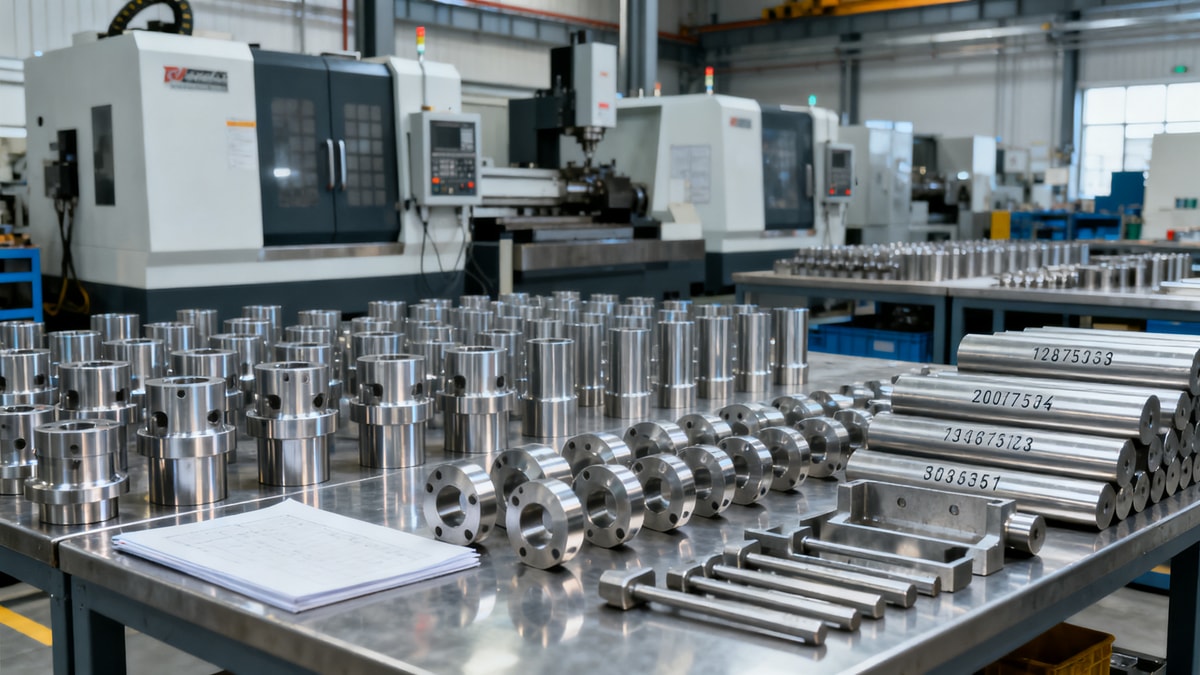
- Dimensional tolerance: Confirm tolerance stack-up, flatness, concentricity, wall thickness, and machining allowance. Even small deviations can multiply scrap in assembly lines.
- Surface condition: Define deburring, roughness, plating thickness, corrosion protection, and cosmetic limits. Hidden finishing costs can erase the expected bulk discount.
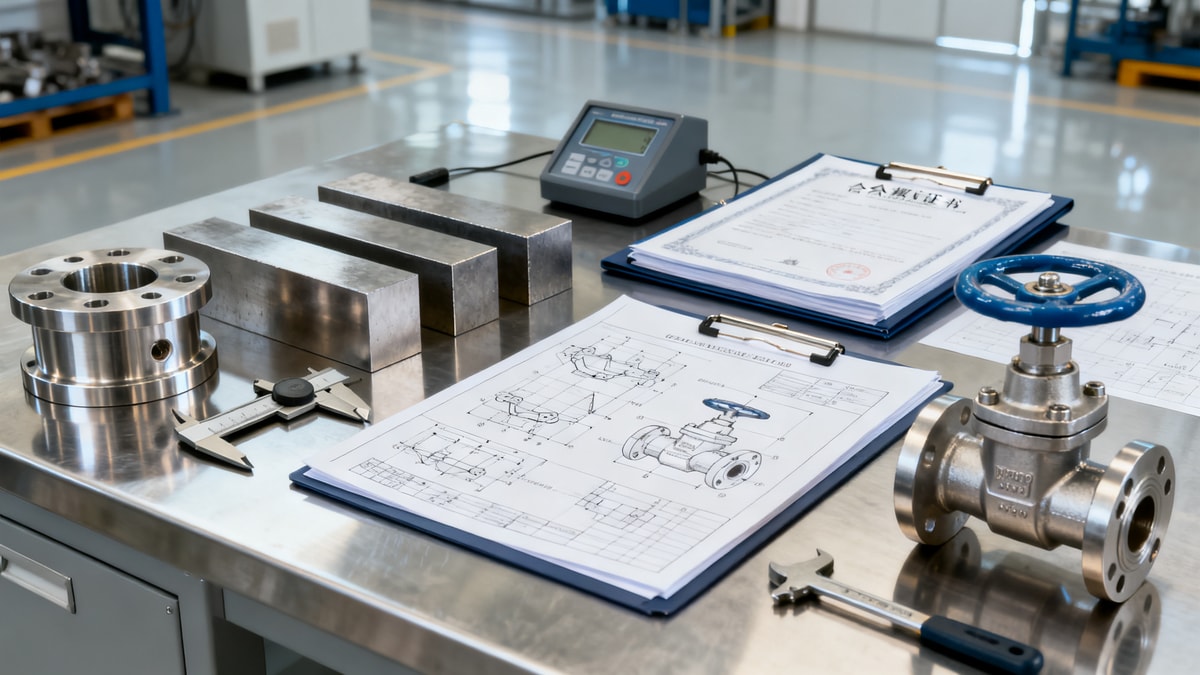
- Inspection and certification: State whether mill test certificates, PPAP-style documents, batch traceability, CE-related records, ISO-based controls, or third-party inspection are required.
- Delivery basis: Clarify Incoterms, packing method, palletization, moisture protection, and unloading requirements. Different delivery assumptions create misleading quote gaps.
- Order split and call-off logic: A bulk contract may not mean one shipment. Scheduled releases can improve cash flow and reduce inventory exposure.
If these basics are not fixed first, procurement may compare numbers that are not commercially or technically comparable.
Core cost leak checklist: where savings usually disappear
The most effective way to evaluate a Components & Metals bulk order is to inspect the hidden cost leak points one by one. The following checklist can be used in supplier review meetings, RFQ templates, and pre-award evaluations.
1. Scrap and yield loss
Low-cost material can create high process loss if dimensions drift, chemistry varies, or edge quality is poor. Buyers should ask for expected yield rates, historical rejection levels, and process capability evidence. In a Components & Metals bulk order, a 2% to 4% increase in scrap can consume the entire negotiated discount.
2. Packaging damage and handling inefficiency
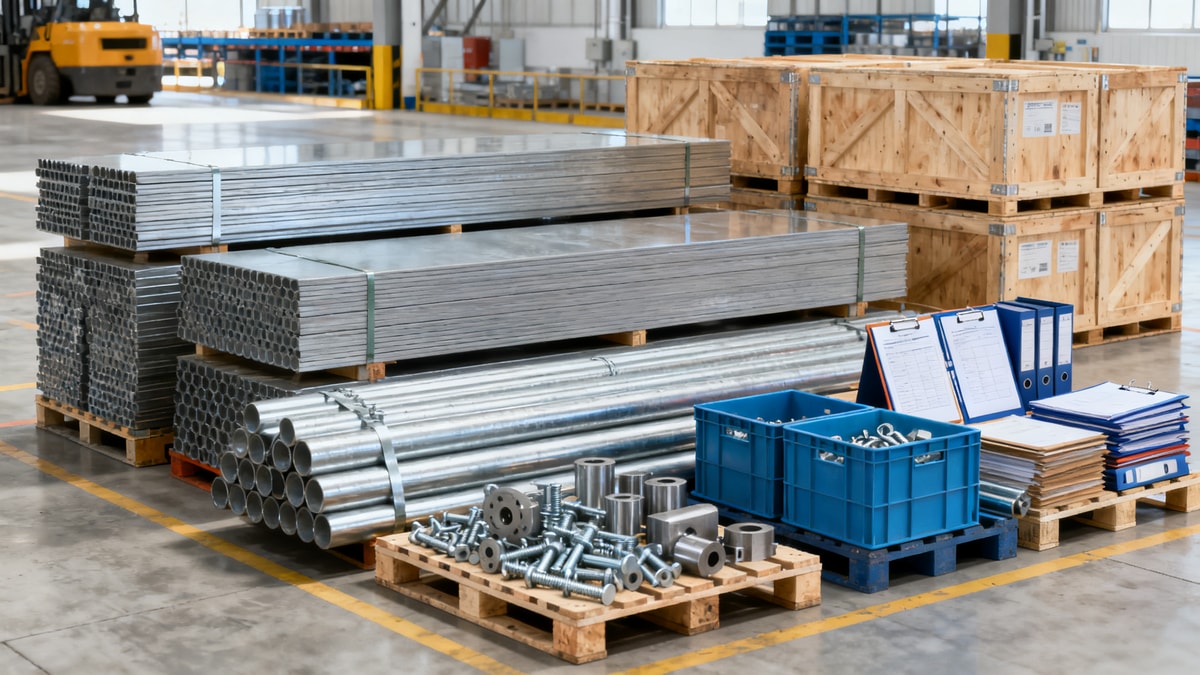
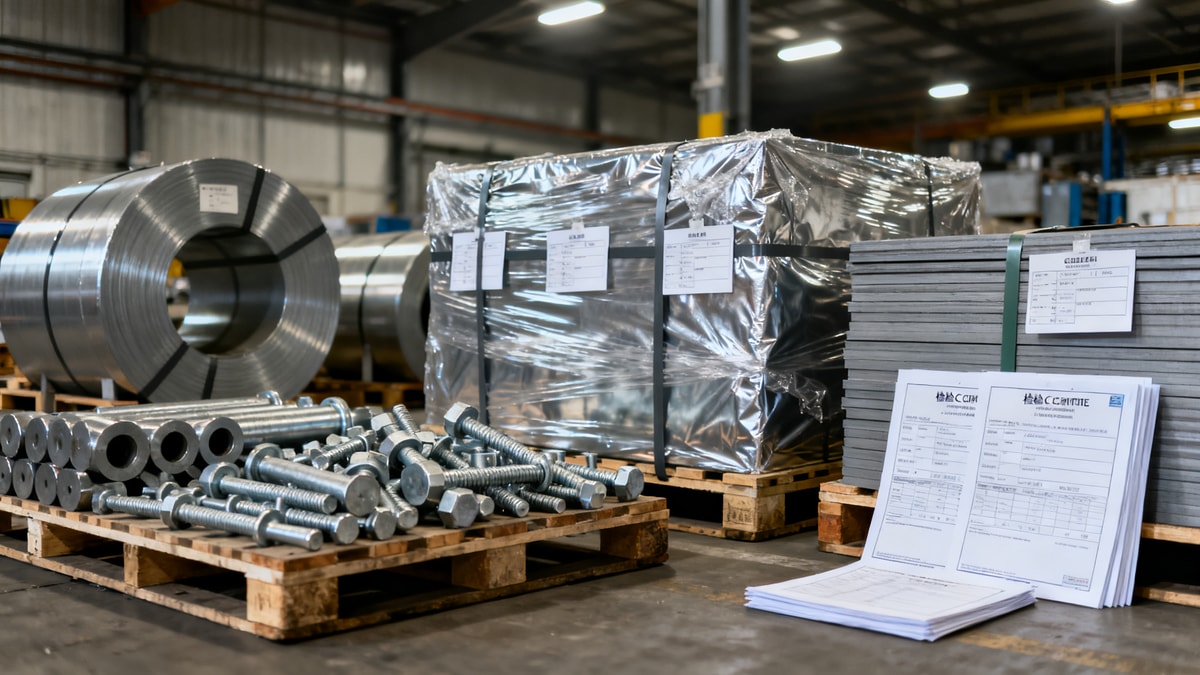
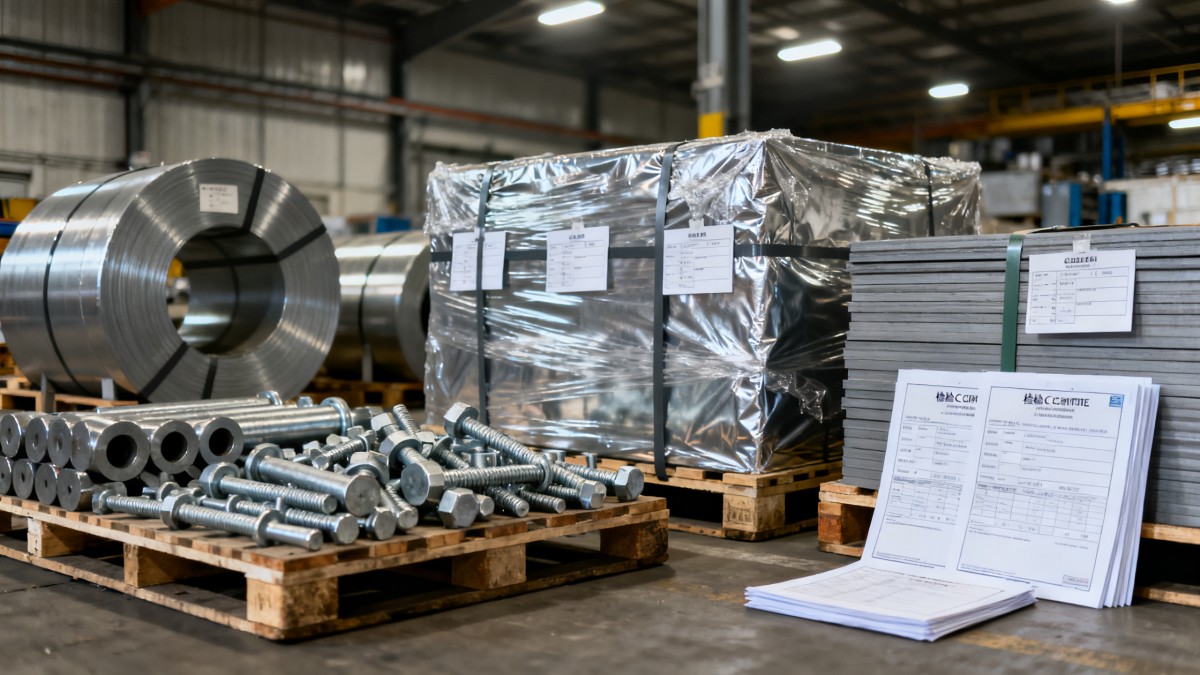
Bulk purchasing often increases transit and storage risk. Improper strapping, inadequate rust prevention, mixed batch packing, or weak edge protection can result in denting, contamination, or lost traceability. Packaging should be treated as a quality control variable, not a warehouse detail.
3. Compliance gaps
A Components & Metals bulk order may support regulated systems, pressure equipment, electrical enclosures, safety structures, or environmental installations. Missing certificates, incomplete material traceability, or undocumented process controls can trigger site delays, customer claims, or failed audits. Compliance is not an administrative add-on; it is part of total cost.
4. Logistics and delivery mismatch
Savings disappear when material arrives too early, too late, or in quantities that do not fit production sequencing. Freight consolidation can reduce cost, but only if lead times, customs clearance, and unloading capacity are aligned. Procurement should test whether the supplier can meet both volume and schedule discipline.
5. Rework, sorting, and internal labor
If warehouse teams must sort mixed lots, relabel bundles, remove corrosion, or re-measure suspect items, the internal labor burden becomes part of purchase cost. A Components & Metals bulk order that looks efficient on paper may create hidden receiving and quality overhead.
6. Inventory carrying cost
Large quantities can secure price breaks, but they also lock in working capital, consume storage space, increase obsolescence risk, and complicate FIFO control. Procurement should calculate how much of the “saved” amount is offset by financing and storage exposure.
A practical supplier evaluation table for procurement teams
Use this quick comparison structure to judge whether a Components & Metals bulk order is truly economical.
What changes by scenario: the same bulk order does not fit every operation
The right decision criteria for a Components & Metals bulk order depend on how and where the material will be used. Procurement should adapt the checklist to the operational context.
For EPC and project-based procurement
Project schedules are highly sensitive to documentation delays and partial nonconformance. Priority should go to traceability, milestone delivery, lot identification, and packaging suited for staging at site. The biggest risk is not always price; it is disruption to installation sequence.
For plant maintenance and MRO teams
Maintenance buyers should focus on interchangeability, emergency replenishment options, and stock accuracy. A Components & Metals bulk order is useful only if the material can be retrieved quickly, identified correctly, and used without additional modification during urgent repairs.
For serial manufacturing and assembly operations
Here, consistency matters more than one-time savings. Procurement should evaluate SPC discipline, lot-to-lot repeatability, packaging for line-side feeding, and defect ppm history. Small variation repeated across high volume becomes very expensive.
Commonly overlooked issues that buyers should flag early
- Alloy surcharge volatility: Metal price formulas may shift after quote approval. Confirm surcharge calculation method and locking window.
- Moisture and corrosion exposure: Long transit routes and port dwell time can damage untreated surfaces.
- Mixed heat numbers: Without disciplined traceability, a Components & Metals bulk order can become difficult to segregate for regulated applications.
- Underestimated customs lead time: Cross-border supply may be cheap ex-works but expensive in schedule risk.
- Nonstandard packaging disposal: Certain crates, oils, or preservatives increase handling time and environmental disposal cost.
- Ambiguous claim process: If nonconforming material appears, the response path must be defined before the first shipment.
Execution advice: how to protect savings in a Components & Metals bulk order
Procurement teams can improve outcomes by converting these checks into a repeatable sourcing process. First, issue RFQs with a locked technical specification and a mandatory compliance schedule. Second, request packaging details and sample labels, not just a logistics promise. Third, compare landed cost and usable yield rather than quote price alone. Fourth, run a pilot lot or pre-shipment inspection before full-volume release. Fifth, build supplier scorecards that track quality, responsiveness, documentation accuracy, and delivery adherence over time.
It is also wise to separate “bulk contract volume” from “physical shipment volume.” A staged release model often preserves the commercial advantage of a Components & Metals bulk order while reducing inventory pressure and quality exposure. For strategic categories, dual-sourcing or approved backup supply can further reduce operational risk.
Questions to prepare before moving forward with suppliers
If your organization is planning a Components & Metals bulk order, prepare these questions before final negotiation:
- What percentage of quoted savings remains after scrap, freight, storage, and handling are included?
- Which certifications and batch records must be delivered with each shipment?
- Can the supplier support phased releases, emergency replenishment, and replacement of rejected lots?
- What packaging method protects the material through the actual shipping route and storage condition?
- How are claims handled, and what is the agreed timeline for containment and corrective action?
Final takeaway for procurement decision-makers
A successful Components & Metals bulk order is not defined by the lowest price per unit. It is defined by usable material yield, protected compliance, predictable logistics, controlled inventory, and low interruption risk. Buyers who apply a structured checklist can identify where savings usually disappear and convert sourcing decisions into measurable operational value.
For teams that need deeper validation, the next step is to align internally on specifications, consumption forecast, certification requirements, acceptable risk level, delivery model, and total landed cost assumptions. With that information ready, supplier discussions become faster, more transparent, and far more likely to produce durable savings instead of hidden loss.
Technical Specifications
- US DOE Level 3 Transformer Efficiency Rule Takes Effect July 1, 2026Author :Grid Infrastructure Analyst
- INMETRO Proposes EMP Immunity Requirement for Industrial Laser Distance Meters in BrazilAuthor :Precision Metrology Expert
- Indonesia BPOM Fast-Tracks Chinese Industrial Air PurifiersAuthor :Environmental Engineering Director
Expert Insights

Chief Security Architect
Dr. Thorne specializes in the intersection of structural engineering and digital resilience. He has advised three G7 governments on industrial infrastructure security.
Related Analysis
- May 05, 2026US DOE Level 3 Transformer Efficiency Rule Takes Effect July 1, 2026Author :Grid Infrastructure Analyst
- May 05, 2026INMETRO Proposes EMP Immunity Requirement for Industrial Laser Distance Meters in BrazilAuthor :Precision Metrology Expert
- May 05, 2026Indonesia BPOM Fast-Tracks Chinese Industrial Air PurifiersAuthor :Environmental Engineering Director
Core Sector // 01
Security & Safety
- Metallurgical Engineering Solutions for Corrosion Problems That ReturnAuthor :Heavy Industry Strategist

- How to Judge a Components & Metals Manufacturer on StabilityAuthor :Heavy Industry Strategist

- Where Metallurgical Engineering Standards Affect Product ConsistencyAuthor :Heavy Industry Strategist

- Components & Metals Bulk Order: Where Savings Usually DisappearAuthor :Heavy Industry Strategist

- When Components & Metals bulk order pricing stops being cheaperAuthor :Heavy Industry Strategist

- What a Components & Metals manufacturer should prove firstAuthor :Heavy Industry Strategist

- How metallurgical engineering manufacturers improve consistencyAuthor :Heavy Industry Strategist

- Why Components & Metals specs break sourcing plansAuthor :Heavy Industry Strategist