How metallurgical engineering manufacturers improve consistency
Author
Date Published
Reading Time
For buyers and researchers evaluating industrial quality, every metallurgical engineering manufacturer faces the same challenge: delivering repeatable performance under demanding conditions. From alloy selection to process control and certification, consistency depends on disciplined engineering at every stage. This article explores how leading manufacturers improve product uniformity, reduce risk, and meet the strict expectations of global industrial projects.
What consistency means in metallurgical engineering
In industrial metallurgy, consistency is not a vague quality claim. It means a component, alloy, casting, forging, tube, plate, or machined part performs within defined limits across repeated production runs. A metallurgical engineering manufacturer is expected to control chemistry, microstructure, mechanical properties, dimensional tolerance, surface quality, and traceability at the same time. For end users in power, infrastructure, environmental systems, industrial safety, and heavy mechanical assemblies, this repeatability reduces failure risk and makes downstream installation more predictable.
This matters because metallurgy sits at the foundation of many industrial systems. If a valve body shows porosity variation, if a structural alloy has uneven hardness, or if heat treatment produces inconsistent grain structure, the impact can extend well beyond one part. It can affect fatigue life, sealing integrity, corrosion resistance, maintenance cost, and even regulatory acceptance. That is why the most reliable metallurgical engineering manufacturer treats consistency as a system outcome, not just a final inspection result.
Why the industry pays so much attention to repeatable quality
Global industrial projects increasingly demand the same material performance across multiple sites, regions, and delivery phases. EPC contractors, plant owners, and procurement directors often source from international supply networks, which raises the importance of standardization. A metallurgical engineering manufacturer that can document stable quality under ASTM, EN, ISO, ASME, or client-specific requirements becomes far more valuable in these environments.
The pressure is also rising because many operating conditions are harsher than before. Equipment may face higher temperatures, corrosive media, cyclic loading, abrasive solids, or stricter safety margins. In such cases, small variations in composition or processing can lead to large performance differences. This explains why modern manufacturers invest heavily in material science, inspection systems, calibrated measurement, and digital production records.
For researchers and technical evaluators, consistency is also a trust signal. It indicates that a supplier does not rely on occasional success, but on controlled processes that can be repeated across product families and contract volumes. That distinction is critical in foundational industries where replacement cost, downtime, and liability are all high.
The main levers a metallurgical engineering manufacturer uses to improve consistency
Although each facility has its own production model, the most effective consistency programs usually rely on several linked controls rather than a single quality checkpoint.
1. Tight raw material control
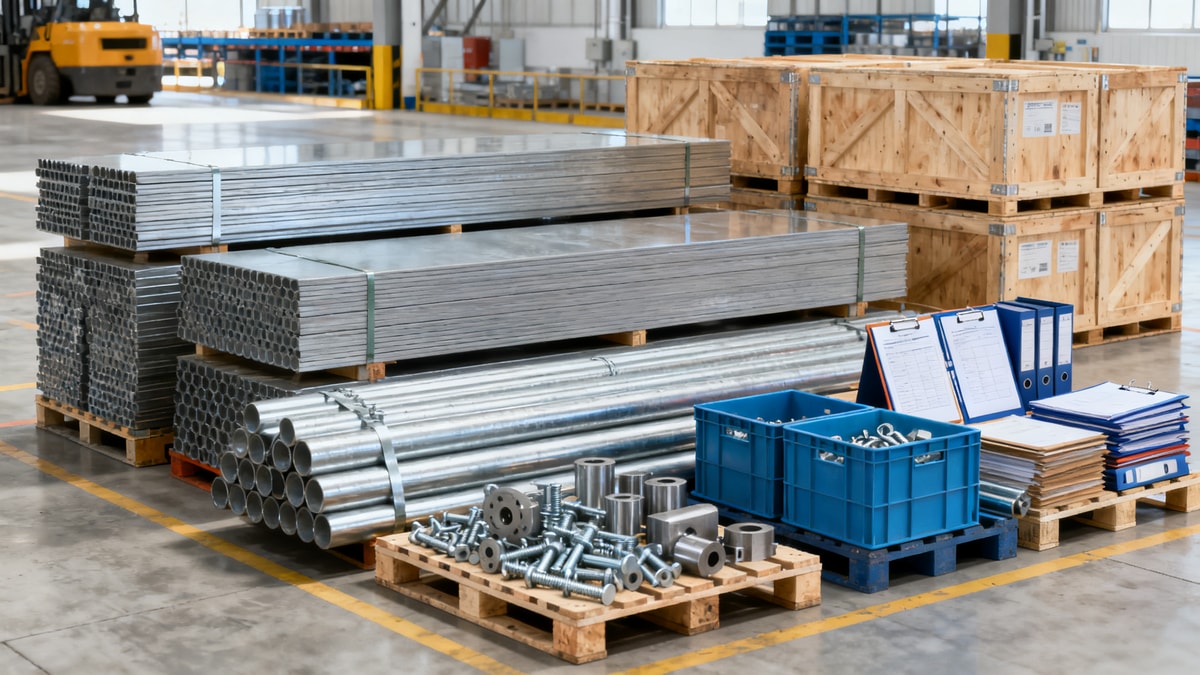
Consistency begins before melting, forming, or machining. Reputable manufacturers qualify raw material suppliers, verify incoming certificates, and conduct positive material identification where necessary. Scrap segregation, alloy tagging, contamination prevention, and batch-level chemistry review all help reduce variation at the source. If input quality drifts, downstream process discipline alone cannot fully recover performance.
2. Stable melting and alloying practice
In foundries and primary metal processing operations, melt temperature, holding time, deoxidation, degassing, and alloy addition sequence directly influence final material properties. A strong metallurgical engineering manufacturer tracks these variables closely and validates them against target chemistry and cleanliness. Furnace calibration and operator discipline are particularly important here because they shape the base condition of the metal before later processing steps.
3. Process standardization in forming and machining
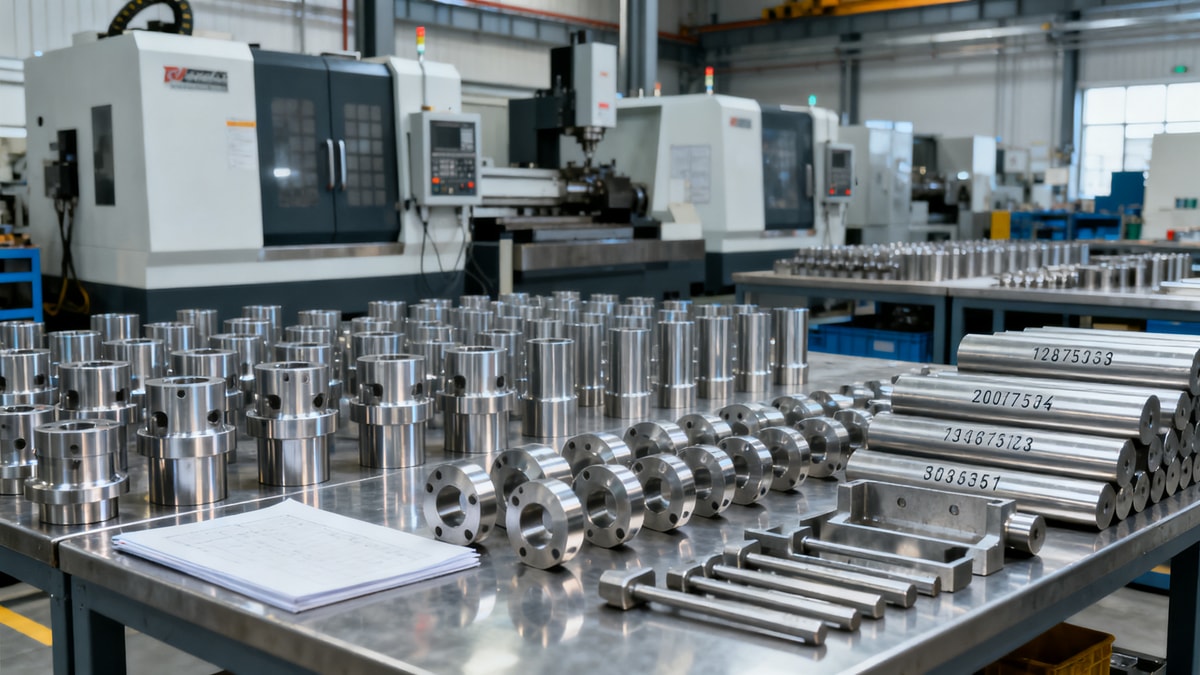
Rolling, forging, extrusion, casting, welding, and machining all introduce opportunities for variation. Leading plants document process windows for force, feed rate, reduction ratio, cooling pattern, mold condition, and tool wear. Standard operating procedures, in-process checks, and capability studies help ensure that the same product is not being made differently from shift to shift.
4. Heat treatment discipline
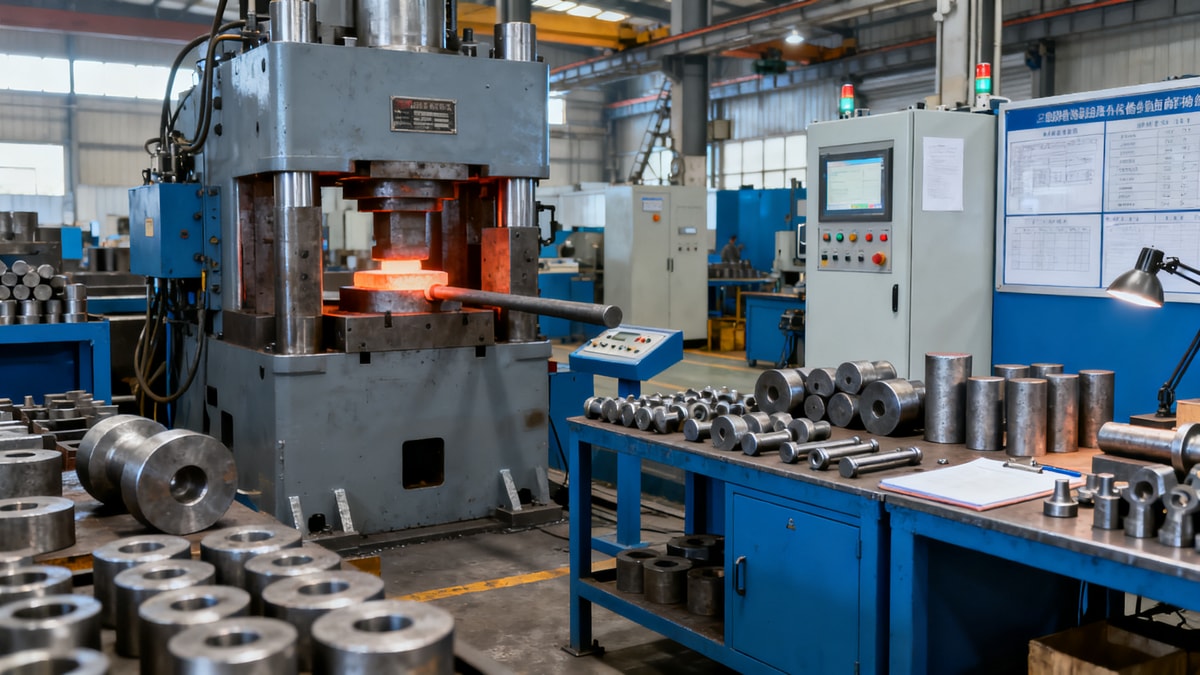
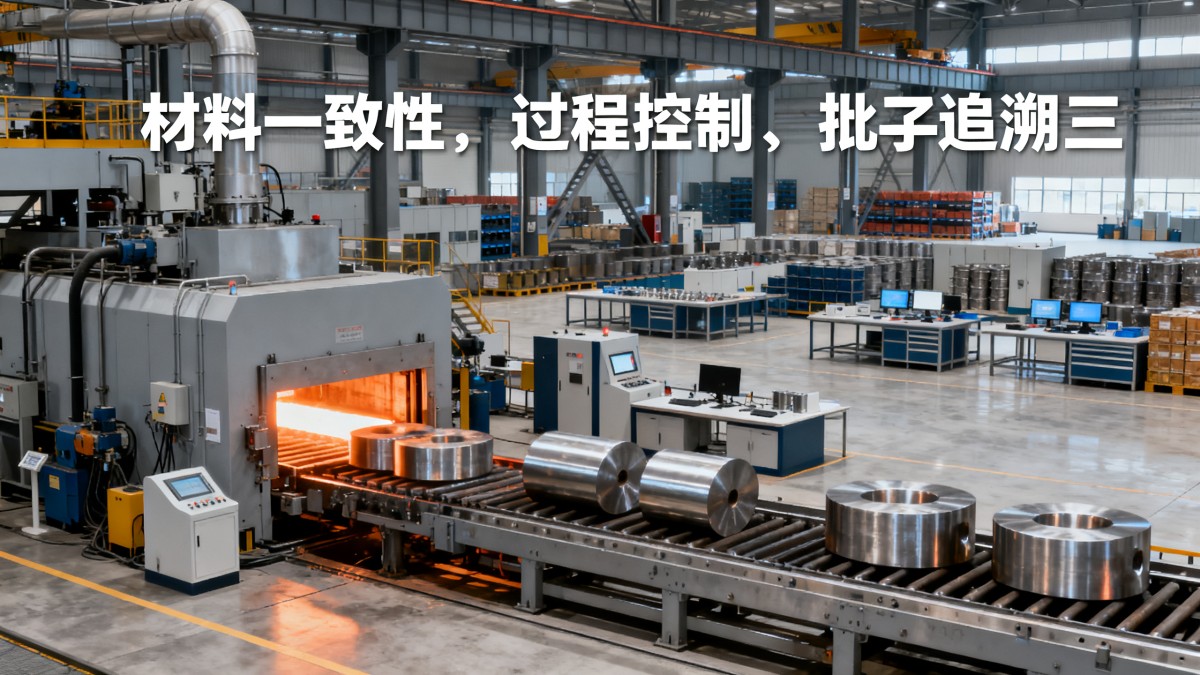
Few steps influence metallurgical results as strongly as heat treatment. Temperature uniformity, soak time, quench media condition, furnace atmosphere, loading pattern, and cooling rate can all alter hardness, toughness, residual stress, and microstructure. A high-performing metallurgical engineering manufacturer does not simply run a furnace; it validates recipes, calibrates thermocouples, performs periodic surveys, and links heat treatment data to each lot for traceable verification.
5. Measurement, testing, and traceability
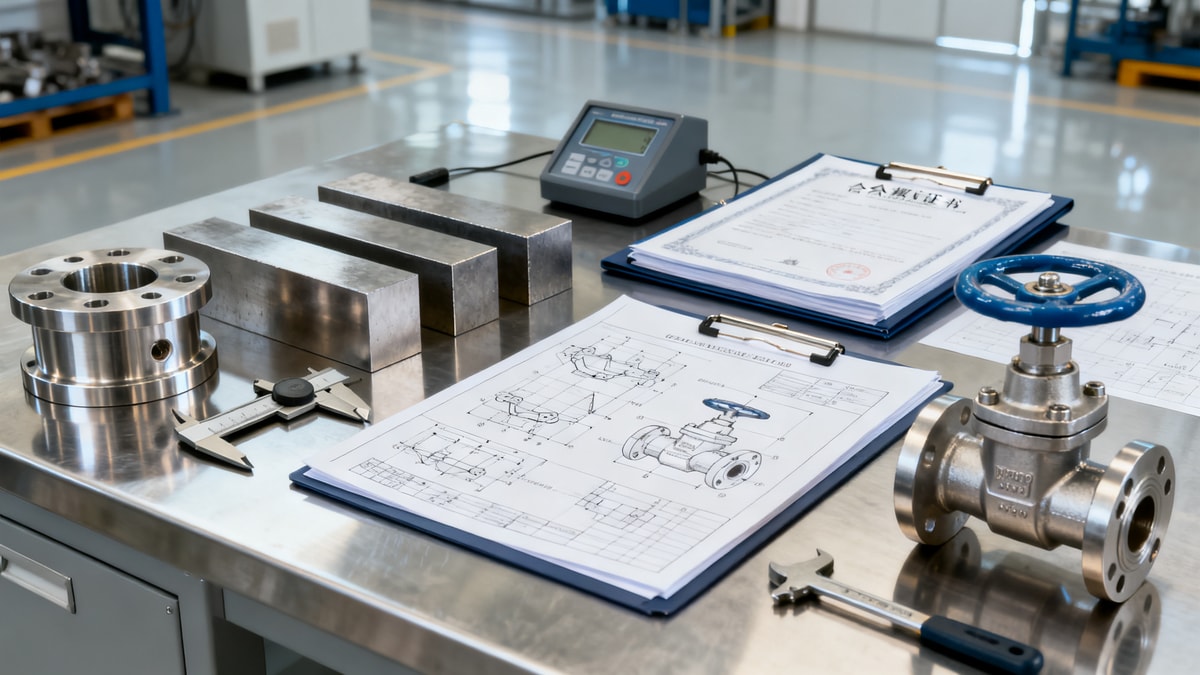
Consistency improves when manufacturers can detect variation early. This is where metrology and testing become strategic tools. Chemical analysis, tensile testing, impact testing, hardness checks, ultrasonic testing, radiography, microscopy, dimensional inspection, and surface roughness measurement all support a more stable output. Just as important is traceability: each heat, lot, and process stage should be linked to documented results. Without traceability, consistency cannot be proven, only claimed.
Industry overview: where consistency controls create value
The practical value of consistency depends on the application. The table below shows why different industrial buyers care about the same issue for different operational reasons.
How advanced manufacturers reduce variation across the full production chain
A modern metallurgical engineering manufacturer usually improves consistency by connecting engineering, production, and quality data rather than treating them as separate departments. Product design reviews identify critical characteristics early. Process engineering then defines control limits around those characteristics. Production teams monitor execution, while laboratories verify material outcomes. When these functions share data quickly, corrective action becomes faster and more precise.
Digital tools have strengthened this approach. Statistical process control, manufacturing execution systems, barcode traceability, and sensor-based furnace monitoring allow plants to see patterns that were once hidden. For example, they may discover that variation in cooling water temperature affects distortion, or that one supplier batch consistently shifts sulfur levels. These insights allow a metallurgical engineering manufacturer to move from reactive inspection toward predictive quality management.
Another important practice is qualification by product family rather than only by plant identity. A supplier may be excellent at forged alloy shafts and less mature in thin-wall cast stainless housings. Serious buyers therefore look for evidence that consistency controls are validated for the exact process route and material category relevant to their application.
Common consistency risks buyers and researchers should watch
Even experienced suppliers can face variation risks. Understanding these helps information researchers ask better questions and interpret technical documentation more accurately.
- Uncontrolled raw material substitution that changes chemistry or cleanliness.
- Inadequate furnace calibration or irregular heat treatment loads.
- Poor segregation between product grades, especially in mixed alloy environments.
- Weak document traceability that makes root-cause analysis difficult.
- Overreliance on final inspection instead of controlling upstream process variation.
- Capability gaps between prototype success and scaled production stability.
These risks are especially relevant in global sourcing because distance can hide process differences. A metallurgical engineering manufacturer may present compliant test reports, yet the real question is whether the same outcome can be reproduced over time, under volume pressure, and across multiple shipments.
Practical evaluation points for industrial decision-makers
For information-stage evaluation, it is useful to examine consistency through a structured lens. Instead of asking only whether the supplier meets specifications, ask how it meets them repeatedly. The following checkpoints are often more revealing than promotional claims.
- Does the manufacturer document critical process parameters for each product route?
- Are material certificates supported by internal verification and lot traceability?
- Which tests are performed in-house, and which rely on outside laboratories?
- How are nonconformities investigated, corrected, and prevented from recurring?
- What certifications, audits, and customer approvals support the quality system?
- Can the supplier show consistency across multiple lots, not just a single sample set?
For complex industrial procurement, these questions align with the kind of evidence-driven review promoted by specialist B2B intelligence platforms such as Global Industrial Core. In markets where safety, performance, and compliance are tightly linked, technical credibility comes from demonstrated control, not broad promises.
Why consistency is a strategic advantage, not only a quality issue
A metallurgical engineering manufacturer that consistently delivers repeatable results creates benefits far beyond defect reduction. It shortens qualification cycles, improves installation confidence, stabilizes maintenance planning, and supports long-term framework agreements. For global industrial buyers, this often translates into lower total risk and better lifecycle economics, even when unit price is not the lowest in the market.
It also helps manufacturers expand internationally. Buyers in regulated sectors want suppliers whose processes can stand up to audits, certification review, and technical comparison. Consistency therefore strengthens both operational performance and market reputation. In digital discovery environments, that same discipline supports stronger trust signals through credible documentation, verified case evidence, and technically sound content.
A practical path forward
For researchers, engineers, and sourcing teams, the best way to assess any metallurgical engineering manufacturer is to connect material claims with process evidence. Look at how the supplier controls inputs, standardizes production, validates heat treatment, measures outcomes, and preserves traceability. When these elements work together, consistency becomes visible and dependable rather than theoretical.
As industrial projects become more demanding, the manufacturers that stand out will be those able to combine metallurgy expertise with rigorous quality systems and transparent documentation. That is the foundation of reliable performance in heavy industry, and it is the standard serious buyers increasingly expect.
Technical Specifications
Expert Insights

Chief Security Architect
Dr. Thorne specializes in the intersection of structural engineering and digital resilience. He has advised three G7 governments on industrial infrastructure security.
Related Analysis
- May 04, 2026When Components & Metals bulk order pricing stops being cheaperAuthor :Heavy Industry Strategist
- May 04, 2026What makes an Instruments & Measurement supplier dependableAuthor :Precision Metrology Expert
- May 04, 2026How to assess an Environment & Ecology exporter by documentationAuthor :Environmental Engineering Director
Core Sector // 01
Security & Safety
- When Components & Metals bulk order pricing stops being cheaperAuthor :Heavy Industry Strategist

- What a Components & Metals manufacturer should prove firstAuthor :Heavy Industry Strategist

- How metallurgical engineering manufacturers improve consistencyAuthor :Heavy Industry Strategist

- Why Components & Metals specs break sourcing plansAuthor :Heavy Industry Strategist

- How to vet a closed die forging parts supplier fastAuthor :Heavy Industry Strategist

- Closed die forging parts or casting parts for high loads?Author :Heavy Industry Strategist

- Industrial metallurgy choices that affect part lifespanAuthor :Heavy Industry Strategist

- Why investment casting manufacturer quotes vary so muchAuthor :Heavy Industry Strategist