How to Judge a Components & Metals Manufacturer on Stability
Author
Date Published
Reading Time
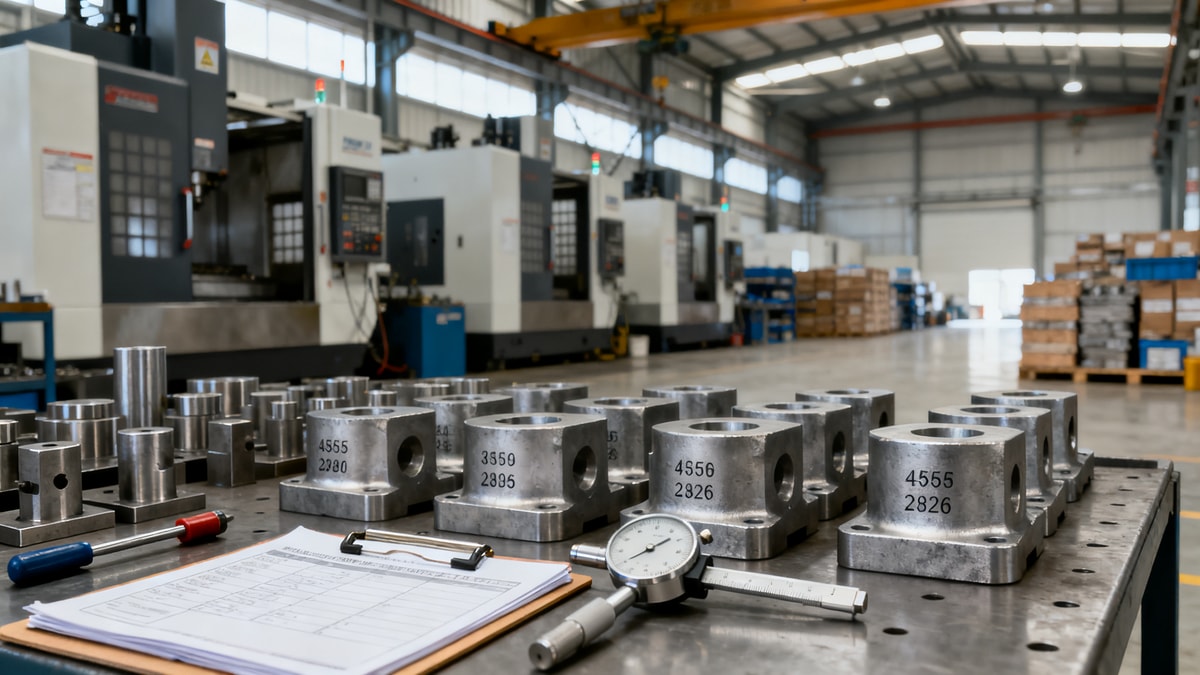
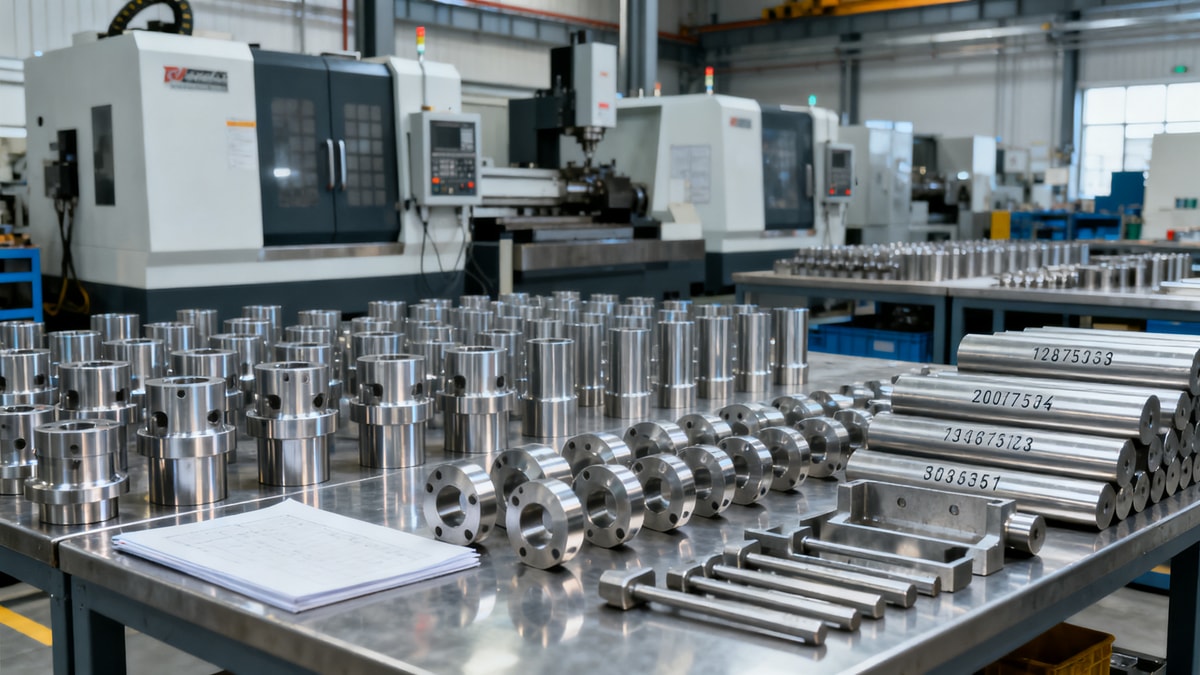
Choosing a reliable Components & Metals manufacturer is about far more than price or production capacity. For business evaluators, true stability lies in consistent quality, financial resilience, compliance discipline, delivery performance, and the ability to withstand market shocks. This guide outlines the key signals that help you assess whether a supplier can support long-term industrial procurement with confidence.
Why a checklist-based review works better than a quick supplier comparison
When evaluating a Components & Metals manufacturer, many teams still begin with unit price, machine count, and quoted lead time. Those items matter, but they rarely reveal whether the supplier will remain dependable through raw material volatility, labor turnover, regulatory changes, logistics disruption, or sudden volume shifts. A checklist-based review reduces that blind spot by forcing the evaluator to verify objective evidence instead of relying on presentations or sales claims.
This method is especially useful for business evaluators working in industrial procurement, EPC support, plant maintenance, or global sourcing. In those settings, a supplier failure can trigger requalification costs, project delay penalties, safety exposure, and production interruption. Stability, therefore, should be assessed as a multidimensional capability: the ability to keep quality, documentation, delivery, and service performance steady over time.
First-pass checklist: what to confirm before going deeper
Before running a full audit, use the following screening list to determine whether a Components & Metals manufacturer deserves deeper review. These points help eliminate fragile suppliers early.
- Verify business continuity: years in operation, ownership stability, and whether the company has survived previous market downturns.
- Confirm product scope alignment: casting, forging, machining, stamping, fabrication, heat treatment, plating, or alloy specialization must match your actual application.
- Check quality system maturity: ISO 9001 is basic; sector-specific controls, PPAP capability, traceability, and statistical process control are stronger indicators.
- Review compliance readiness: material test reports, RoHS/REACH where relevant, CE-related documentation support, and customer-specific specification management.
- Assess delivery discipline: on-time shipment rate, historical lead-time variance, buffer planning, and subcontractor dependency.
- Evaluate engineering responsiveness: DFM feedback speed, drawing clarification process, sample revision control, and root-cause reporting quality.
- Look at financial signals: credit standing, capital expenditure patterns, inventory strategy, and exposure to a few dominant customers.
- Confirm operational transparency: willingness to share process maps, inspection plans, capacity assumptions, and escalation contacts.
Core judgment criteria for a stable Components & Metals manufacturer
1. Quality consistency matters more than peak capability
A stable Components & Metals manufacturer is not simply one that can produce a perfect sample. It is one that can repeat the same result across batches, operators, shifts, and months. Ask for process capability data, defect trend charts, first-pass yield, customer complaint rates, and corrective action closure time. If the supplier only shows final inspection certificates but cannot explain in-process controls, that is a warning sign.
For metal parts, process variation often comes from tooling wear, furnace inconsistency, alloy substitution risk, poor fixture design, or inadequate incoming material verification. A stronger manufacturer will document each control point and define response actions when tolerances drift.
2. Material traceability is a direct stability signal
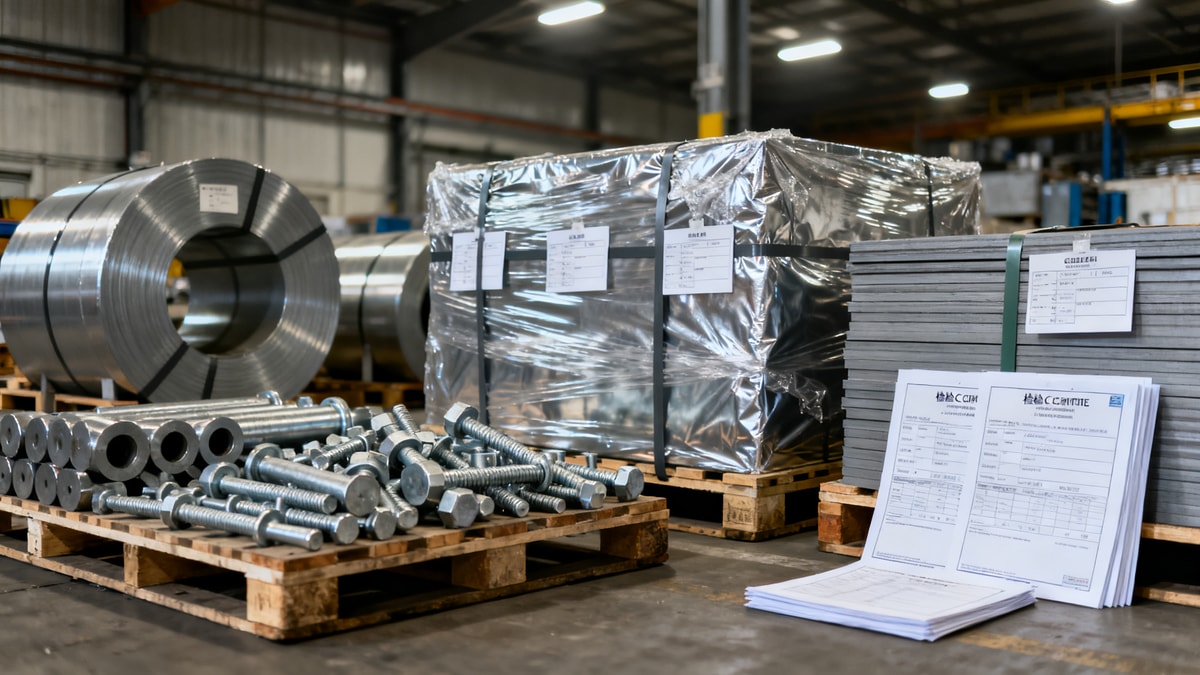
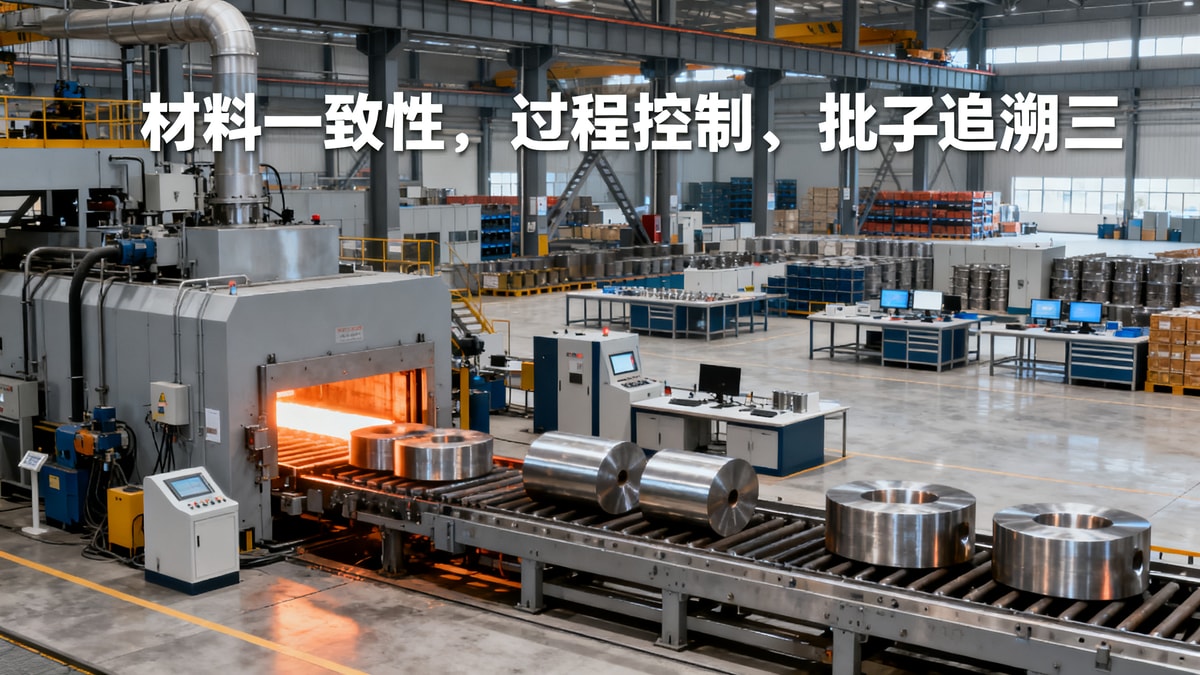
In components and metallurgy, traceability is not administrative paperwork; it is evidence of process discipline. You should be able to trace raw material heat number, supplier source, processing route, inspection record, and shipment lot. This becomes critical in stainless steel parts, pressure-related components, structural hardware, electrical contacts, precision machined assemblies, and corrosion-sensitive applications.
Ask whether the manufacturer segregates materials physically, digitally, or both. Also confirm how it prevents mixing similar grades such as 304 vs 316, or different hardness conditions within the same family. Weak traceability usually predicts future quality disputes.
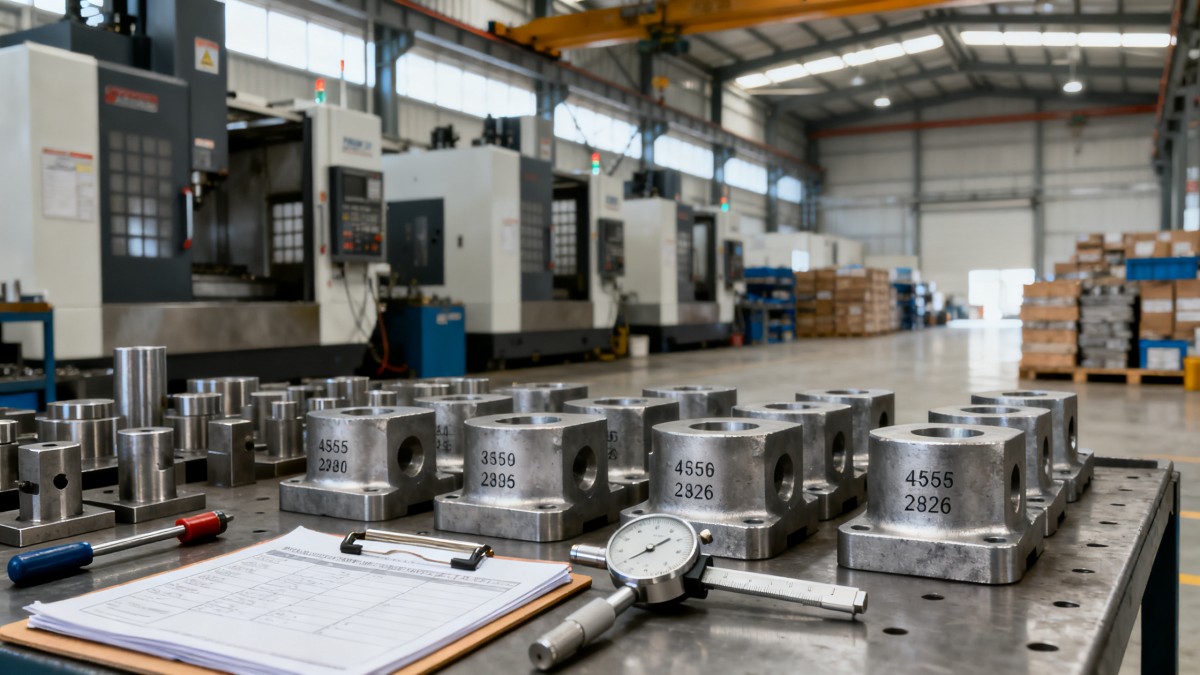
3. Delivery stability depends on capacity structure, not quoted lead time
A supplier may quote short lead times during a quiet season, but that does not prove reliable throughput. Business evaluators should examine machine loading, overtime dependence, bottleneck processes, die or mold availability, outsourced finishing risk, and raw material procurement windows. A dependable Components & Metals manufacturer can explain where capacity is constrained and how production is prioritized when schedules tighten.
Useful questions include: What percentage of output is subcontracted? What is the average schedule adherence over the last 12 months? How many days of safety stock are held for standard materials? How is urgent customer demand handled without destabilizing normal orders?
4. Financial resilience protects your supply chain indirectly
A technically skilled manufacturer can still become a risky partner if cash flow is weak. Financial instability may show up as delayed raw material purchases, deferred maintenance, employee churn, or refusal to hold inventory. You do not always need full audited statements, but you should look for practical indicators: equipment investment over time, plant upkeep, payment discipline with sub-suppliers, export stability, and diversification across end markets.
A more stable Components & Metals manufacturer usually serves multiple sectors without being dangerously dependent on one customer or one cyclical industry. Balanced customer concentration lowers disruption risk.
5. Compliance culture is stronger than certificate possession
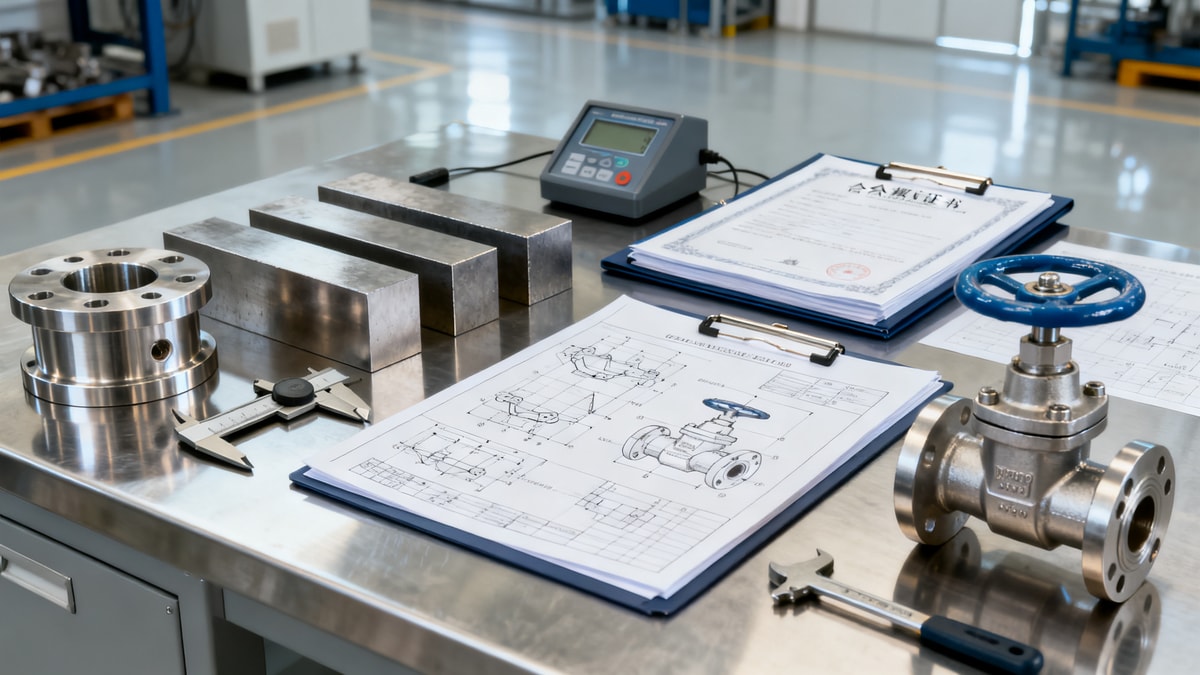
Certificates can open the door, but stable performance comes from compliance behavior. Review whether procedures are actually followed on the shop floor. Ask how revisions to standards, drawings, and customer specifications are controlled. Check training records, calibration status, nonconformance quarantine methods, and retention of inspection documentation.
For industrial buyers, the best Components & Metals manufacturer is one that treats compliance as a daily operating system, not a sales attachment prepared only for audits.
A practical evaluation table for business reviewers
Use this scorecard to compare suppliers on the factors most closely tied to long-term stability.
What to check by sourcing scenario
For high-precision machined components
Focus on metrology capability, gauge calibration, tool life monitoring, fixture repeatability, and process validation after machine changes. Stability here depends heavily on repeatable setup control and disciplined measurement systems.
For castings, forgings, or structural metal parts
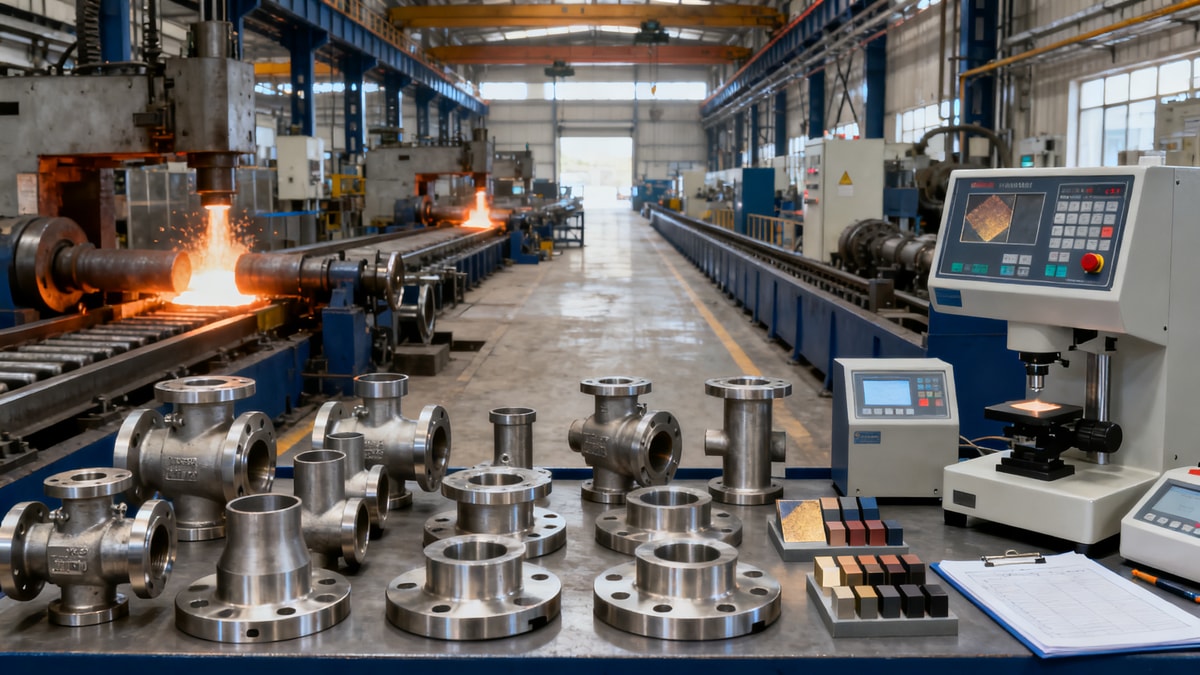
Prioritize foundry or forge process control, heat treatment uniformity, internal defect detection, mechanical property verification, and dimensional consistency after secondary machining. The right Components & Metals manufacturer should provide both metallurgical evidence and downstream finishing control.
For regulated or safety-sensitive applications
Look deeper into compliance records, validation history, change control, and issue escalation governance. In these cases, even a small undocumented process change can create significant legal or operational exposure.
Commonly overlooked warning signs
- The supplier answers quickly during quotation but slowly during technical clarification or corrective action review.
- Inspection reports look clean, but sample sizes, methods, or revision references are unclear.
- A manufacturer claims broad capability across many alloys and processes but relies heavily on external partners without visible controls.
- Turnover among quality managers or production supervisors appears high.
- There is no structured backup plan for power interruption, furnace downtime, tool breakage, or logistics disruption.
- The Components & Metals manufacturer resists customer audits or limits access to relevant process areas.
Execution steps: how to turn assessment into a reliable sourcing decision
- Define the criticality of the part: performance, tolerance, regulatory burden, replacement difficulty, and downtime cost.
- Build a weighted scorecard: assign higher value to consistency, traceability, and delivery reliability than to headline price.
- Collect evidence, not promises: quality data, audit findings, sample reports, MTRs, and delivery records.
- Run a pilot order or qualification lot under normal production conditions, not special treatment.
- Review communication quality during problems, because true stability is often visible during disruption rather than during routine supply.
- Reassess periodically: a stable Components & Metals manufacturer today may weaken if customer mix, staffing, or raw material sourcing changes.
FAQ for evaluating a Components & Metals manufacturer
Is low price ever a valid signal of stability?
Only if the supplier can prove process efficiency, material purchasing power, and sustained margin health. Otherwise, very low price may indicate hidden quality risk, underinvestment, or future cost recovery attempts.
How important is plant audit versus document review?
Both matter. Documents show system intent; plant audits show execution reality. For a Components & Metals manufacturer, stability is best judged when paperwork, operator practice, machine condition, and traceability records all align.
What is the fastest way to identify an unstable supplier?
Ask for three types of evidence together: recent on-time delivery data, nonconformance trend reports, and lot traceability records. If the supplier cannot produce them clearly and consistently, deeper instability often exists.
Final decision guide and next questions to ask
The best Components & Metals manufacturer for long-term industrial sourcing is not necessarily the largest or the cheapest. It is the one that demonstrates repeatable quality, controlled materials, transparent capacity management, disciplined compliance, and enough financial resilience to remain dependable when conditions change. Business evaluators should therefore judge stability through evidence across operations, not through isolated credentials.
If you plan to move forward with a supplier, the next discussion should prioritize five topics: critical material grades and approved substitutions, inspection and traceability requirements, realistic production lead times under peak load, contingency plans for disruption, and the communication path for technical or quality escalation. Clarifying these points early will help you determine whether a Components & Metals manufacturer can support not just the next order, but a stable and scalable supply relationship.
Technical Specifications
- US DOE Level 3 Transformer Efficiency Rule Takes Effect July 1, 2026Author :Grid Infrastructure Analyst
- INMETRO Proposes EMP Immunity Requirement for Industrial Laser Distance Meters in BrazilAuthor :Precision Metrology Expert
- Indonesia BPOM Fast-Tracks Chinese Industrial Air PurifiersAuthor :Environmental Engineering Director
Expert Insights

Chief Security Architect
Dr. Thorne specializes in the intersection of structural engineering and digital resilience. He has advised three G7 governments on industrial infrastructure security.
Related Analysis
- May 05, 2026US DOE Level 3 Transformer Efficiency Rule Takes Effect July 1, 2026Author :Grid Infrastructure Analyst
- May 05, 2026INMETRO Proposes EMP Immunity Requirement for Industrial Laser Distance Meters in BrazilAuthor :Precision Metrology Expert
- May 05, 2026Indonesia BPOM Fast-Tracks Chinese Industrial Air PurifiersAuthor :Environmental Engineering Director
Core Sector // 01
Security & Safety
- Metallurgical Engineering Solutions for Corrosion Problems That ReturnAuthor :Heavy Industry Strategist

- How to Judge a Components & Metals Manufacturer on StabilityAuthor :Heavy Industry Strategist

- Where Metallurgical Engineering Standards Affect Product ConsistencyAuthor :Heavy Industry Strategist

- Components & Metals Bulk Order: Where Savings Usually DisappearAuthor :Heavy Industry Strategist

- When Components & Metals bulk order pricing stops being cheaperAuthor :Heavy Industry Strategist

- What a Components & Metals manufacturer should prove firstAuthor :Heavy Industry Strategist

- How metallurgical engineering manufacturers improve consistencyAuthor :Heavy Industry Strategist

- Why Components & Metals specs break sourcing plansAuthor :Heavy Industry Strategist