Why Components & Metals specs break sourcing plans
Author
Date Published
Reading Time
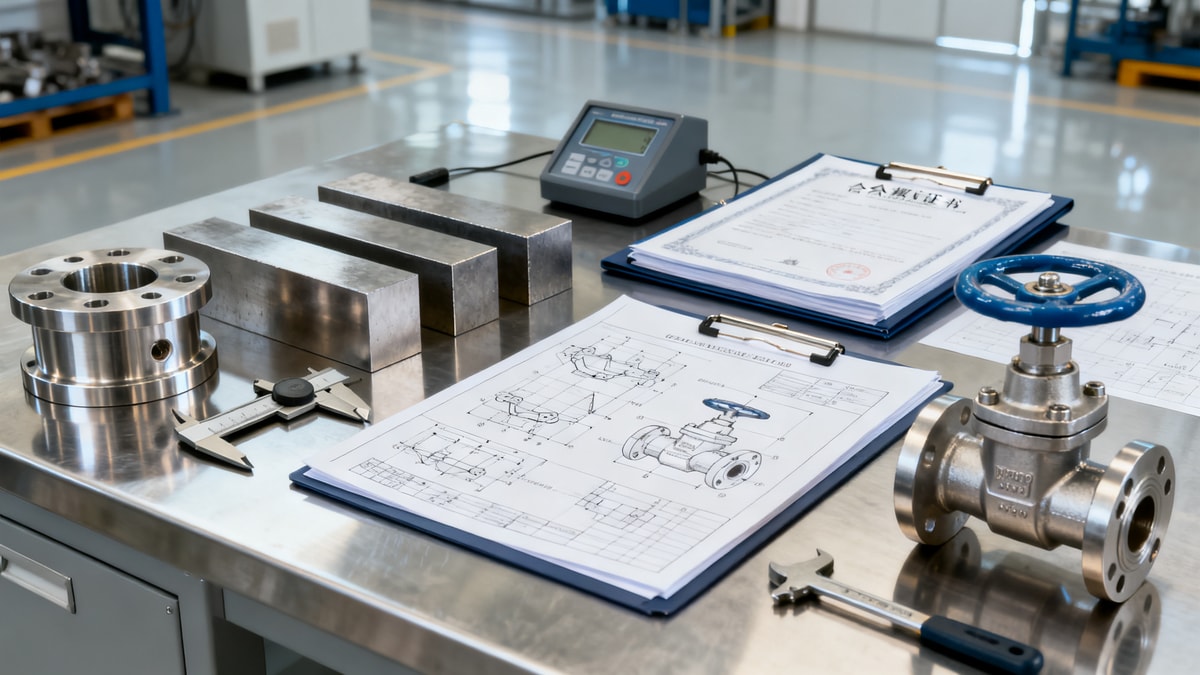
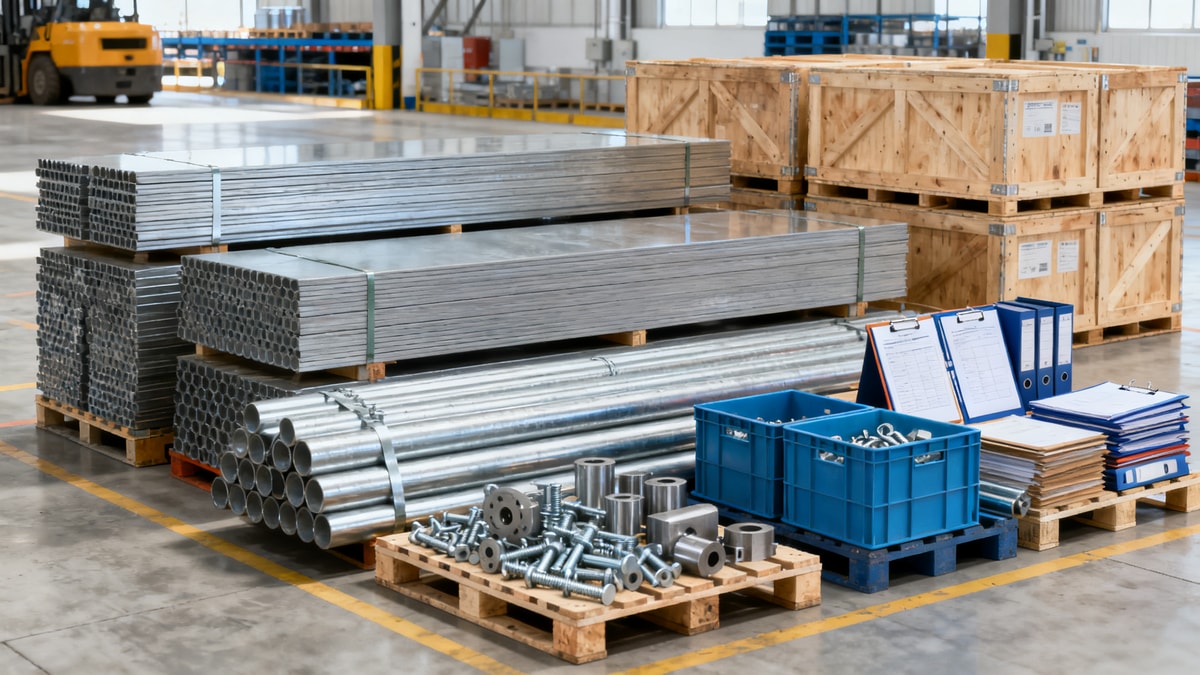
When sourcing teams rely on incomplete or mismatched Components & Metals specifications, procurement plans rarely fail for one simple reason. They fail because technical, commercial, and compliance assumptions stop matching reality at the same time. For business evaluators, that creates a chain reaction: bid comparisons become unreliable, supplier approvals lose credibility, project schedules slip, and the expected cost advantage disappears under rework, substitutions, and risk controls.
The core search intent behind this topic is practical and evaluative. Readers are not looking for a generic definition of specifications. They want to understand why sourcing plans break when component and metal specs are weak, how to identify the warning signs early, and what evaluation framework can reduce exposure before a purchase order is issued.
That concern is especially relevant in industrial procurement. A spec sheet is not just a technical document; it is a commercial control point. It affects interchangeability, inspection scope, lifecycle performance, supplier eligibility, regulatory compliance, warranty risk, and total landed cost. If the spec is incomplete, obsolete, too generic, or disconnected from the actual operating environment, procurement decisions can look rational on paper but fail in execution.
The most useful way to approach this issue is not to ask whether a supplier can quote a part. It is to ask whether the specified component or metal grade truly fits the application, standards, fabrication process, and operating conditions. That distinction is where resilient sourcing plans are built.
Why weak Components & Metals specs create business risk before production even starts
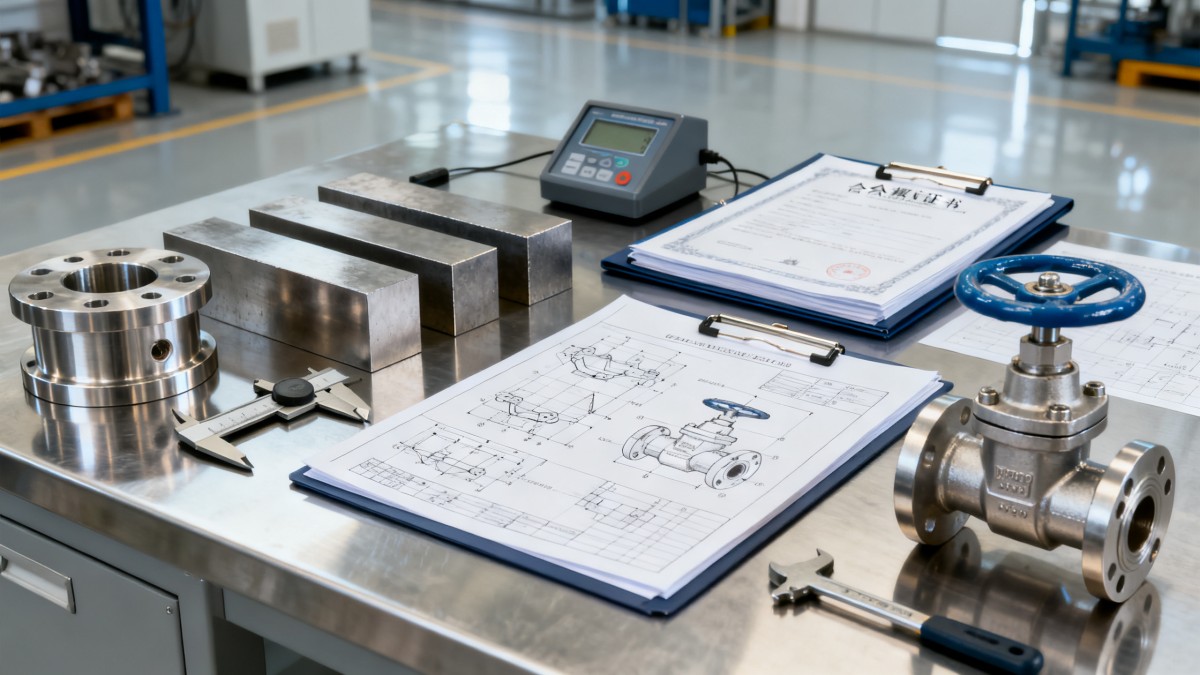
For commercial evaluators, the biggest misconception is that specification problems show up only during installation or plant operation. In reality, they distort the sourcing process much earlier. The moment a request for quotation is based on unclear or mismatched requirements, every downstream comparison becomes less reliable. Prices may look competitive, but they are no longer comparable on equal technical terms.
In industrial categories, a small specification gap can have outsized consequences. A valve body alloy that lacks the required corrosion resistance, a fastener material that does not meet tensile strength expectations, or a machined component tolerance that exceeds real production capability can all turn into procurement failures. Even if a supplier delivers on time, the delivered item may still be unsuitable for the intended service conditions.
This is why sourcing plans often “break” in stages rather than all at once. First, quotation variance increases. Then technical clarifications multiply. Alternative materials are proposed. Lead times change. Certification discussions reopen. Quality assurance requirements expand. Finally, the buyer realizes that the original commercial evaluation was based on assumptions that no longer hold.
In other words, specification quality directly affects sourcing stability. Strong specs narrow ambiguity and strengthen supplier alignment. Weak specs push risk back into the procurement cycle, where it becomes more expensive to manage.
What business evaluators actually need to verify in a specification package
Target readers in business evaluation roles usually care about one practical question: can this sourcing decision be trusted at contract, delivery, and operational stages? To answer that, they need more than a price table. They need confidence that the specification package supports technical fit, compliance, manufacturability, and supplier accountability.
A useful evaluation starts with five checkpoints. First, verify application fit. A material or component should be tied to the real service environment, including temperature range, pressure profile, corrosion exposure, load conditions, duty cycle, and maintenance expectations. A technically valid grade in one setting can be a failure risk in another.
Second, verify standards alignment. Many sourcing breakdowns happen because a spec references a standard incompletely or mixes different standard systems without reconciliation. ASTM, EN, ISO, ASME, DIN, JIS, and customer-specific standards can overlap, but they are not automatically interchangeable. A commercial team should know whether “equivalent” actually means functionally and legally acceptable.
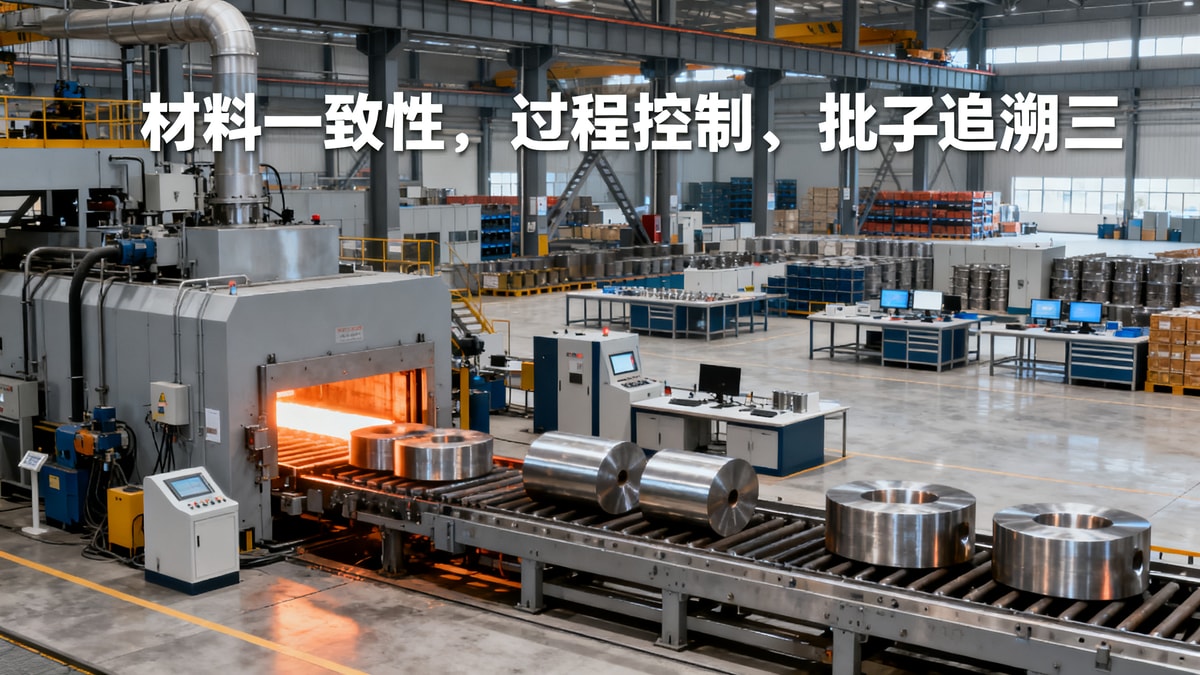
Third, verify supplier capability against the spec, not just against the category. A supplier may be strong in stainless fabrication but weak in traceability, heat treatment control, coating consistency, or precision machining. A supplier that can make a part is not always a supplier that can control the specification at the level the project requires.
Fourth, verify inspection and documentation requirements. Material test certificates, dimensional reports, coating thickness records, positive material identification, non-destructive testing, and batch traceability can all materially affect both cost and delivery. If these requirements are vague at sourcing stage, they often become disputed later.
Fifth, verify commercial sensitivity. Some specs are technically acceptable but commercially fragile because they rely on hard-to-source alloy content, single-region mills, uncommon dimensions, or secondary processing with long queue times. For business evaluators, this matters because a specification can be correct yet still be a poor sourcing choice if supply resilience is too weak.
The most common ways Components & Metals specs fail in industrial sourcing
Not all specification failures look the same. In practice, they tend to fall into recurring patterns. Understanding these patterns helps evaluators identify where to challenge assumptions before sourcing plans become locked.
1. Overly generic descriptions. Terms such as “high-strength steel,” “industrial-grade aluminum,” or “corrosion-resistant alloy” may be acceptable in informal conversation, but they are not sourcing-grade requirements. Without exact grades, processing conditions, hardness ranges, tolerance bands, surface finish expectations, and test criteria, suppliers will interpret the requirement differently. That makes bid normalization difficult and increases substitution risk.
2. Legacy specs copied from old projects. Many RFQs inherit drawings or material notes from earlier jobs. The previous project may have involved different site conditions, codes, fabrication partners, or client requirements. Reusing outdated Components & Metals specifications without revalidation often introduces hidden mismatches that are only discovered during manufacturing review or inspection.
3. Technical equivalence assumed without evidence. Procurement teams often hear that one grade is “equivalent” to another. Sometimes that is true in limited respects, but equivalent chemistry does not guarantee equivalent mechanical properties, weldability, fatigue behavior, corrosion resistance, or code acceptance. If equivalency is not explicitly validated, the sourcing plan is exposed.
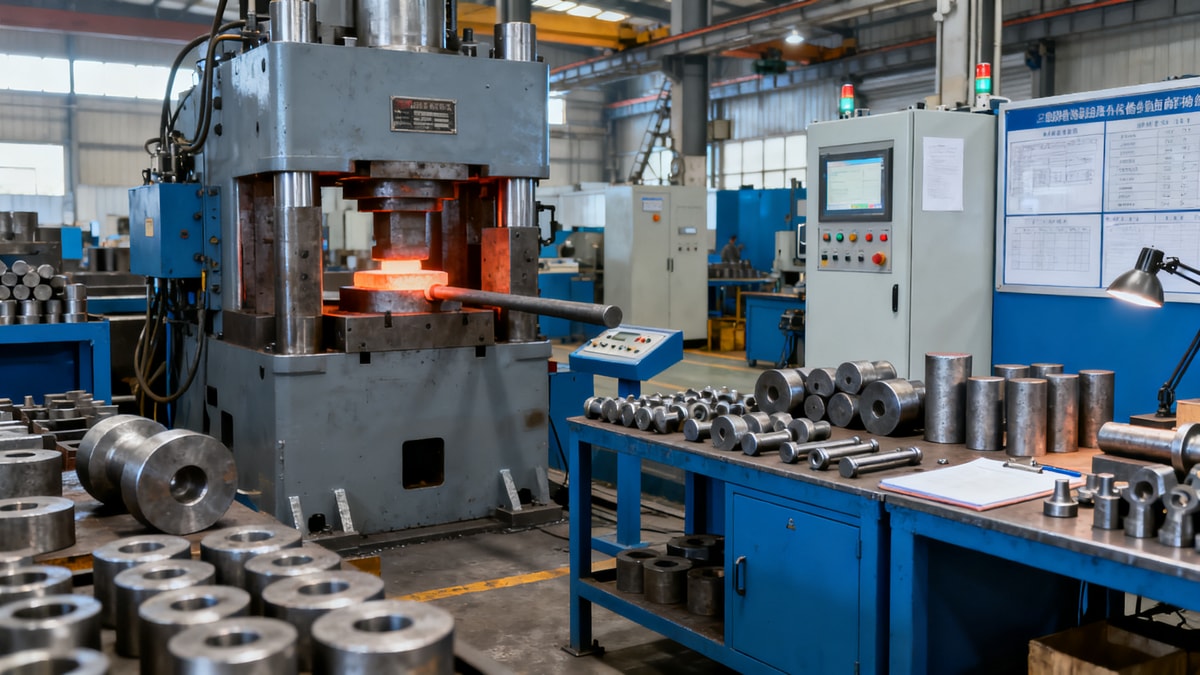
4. Missing process specifications. Material grade alone may not define the delivered performance. Heat treatment, forging route, casting quality class, machining allowance, passivation, plating, galvanizing, or finishing requirements can all influence final suitability. When process controls are omitted, two suppliers can provide the same nominal material with very different real-world outcomes.
5. Incomplete tolerances and interfaces. A component might satisfy the base material requirement but still fail because dimensional interfaces were underdefined. Holes, threads, flatness, concentricity, sealing surfaces, and mating part tolerances are often where practical failures emerge. This is especially dangerous in assemblies sourced across multiple vendors.
6. Compliance requirements added too late. CE, UL, ISO-linked controls, environmental declarations, REACH, RoHS, pressure equipment documentation, or customer-specific safety approvals cannot always be retrofitted without cost and delay. If compliance expectations are not built into the sourcing specification from the start, the commercial plan becomes unstable.
How poor specs distort total cost, not just purchase price
Business evaluators should treat weak specifications as a cost multiplier. The visible unit price may be only the beginning. Once ambiguity enters the sourcing process, hidden costs accumulate in engineering time, supplier clarification cycles, quality intervention, logistics disruption, excess inventory, and project delay.
A common mistake is to compare quotes only on ex-works or delivered price. If one supplier interpreted the spec conservatively and another priced to a looser assumption, the lower quote may not represent lower cost. It may simply reflect a different technical baseline. Once the discrepancy is discovered, change orders or corrective action can erase the apparent savings.
Poorly specified metals are especially vulnerable to this problem. Material substitution, availability-driven rerolling, off-standard dimensions, special testing, and import certification gaps can all increase lead times and costs after award. In some cases, the cheapest initial source becomes the most expensive path because the buyer must add third-party inspection, expedite freight, or replace nonconforming batches.
The same applies to engineered components. If tolerances are too tight for the application, manufacturing cost rises without functional benefit. If tolerances are too loose, fit and performance issues emerge later. Good specifications reduce both forms of waste by defining what is necessary, what is optional, and what is unacceptable.
For sourcing leaders, the key financial question is not “Who offered the lowest price?” It is “Which offer is most likely to hold its value through fabrication, delivery, installation, and service?” That is a better lens for evaluating Components & Metals procurement.
How to tell whether a supplier understands the specification or is only quoting against it
One of the most important distinctions in industrial sourcing is the difference between a supplier that can quote a specification and a supplier that can control it. Commercially, these suppliers may look similar at first. Operationally, they are not.
A supplier that truly understands the specification will usually ask focused clarification questions. They will challenge missing service data, identify contradictory standards, confirm inspection scope, and explain where process capability limits may affect delivery. This behavior is often a positive sign, not an obstacle. It shows the supplier is evaluating execution risk rather than simply chasing an order.
By contrast, a supplier that quotes quickly with minimal technical engagement may still be viable, but evaluators should probe deeper. Fast quotation is not proof of specification control. It may indicate that the supplier is pricing from assumption, planning to seek waivers later, or depending on subcontractors whose capabilities are not transparent.
Useful evaluation questions include: What previous projects used comparable material grades or tolerances? Which production steps are performed in-house? What traceability is maintained from raw material to finished part? How are substitutions controlled? What inspection data is standard versus extra-cost? Which standards are certified, and which are only claimed as familiar?
These questions matter because sourcing resilience depends on execution discipline. In high-stakes industrial environments, the supplier’s ability to maintain material integrity, documentation accuracy, and repeatable dimensional quality is often more important than a marginal unit-price advantage.
A practical framework for evaluating specification risk before award
For business evaluators who need a repeatable method, a structured pre-award review can prevent many sourcing failures. The goal is not to turn commercial teams into engineers. It is to ensure that commercial decisions are made with enough technical clarity to avoid avoidable surprises.
Step 1: Classify criticality. Not every component or metal item requires the same scrutiny. Rank items by safety impact, regulatory impact, replacement difficulty, operational criticality, and consequence of failure. High-criticality items deserve deeper specification review and stronger supplier validation.
Step 2: Normalize the technical basis. Before comparing offers, confirm that all bidders are quoting to the same revision level, material grade, process assumptions, testing scope, and documentation package. If they are not, normalize first. Commercial comparison without technical normalization creates false confidence.
Step 3: Identify ambiguity points. Highlight terms such as “or equivalent,” “as required,” “suitable for service,” or “standard finish.” These phrases often mask decisions that should be defined before award. Where ambiguity remains, assign owner responsibility for closure.
Step 4: Check supply-chain exposure. Review whether the specification depends on restricted raw materials, special melting routes, uncommon dimensions, region-specific mills, or proprietary processing. This is where valid specs can still become fragile sourcing choices.
Step 5: Match verification to risk. Not every item needs the same inspection burden. But high-risk Components & Metals should have clear acceptance criteria, documentation expectations, and escalation paths for nonconformance. That protects both quality and schedule.
Step 6: Capture lifecycle implications. Ask whether the specified item supports maintenance strategy, spare-part availability, field replacement, and long-term compliance. A component that is acceptable for initial procurement may be a poor decision if it creates downstream service complexity.
What stronger specifications look like in a resilient sourcing strategy
A stronger specification is not always a longer one. It is one that reduces interpretation risk while keeping sourcing options realistic. In practice, that means the best specifications link technical requirements to actual operating conditions, recognized standards, measurable acceptance criteria, and supplier capability expectations.
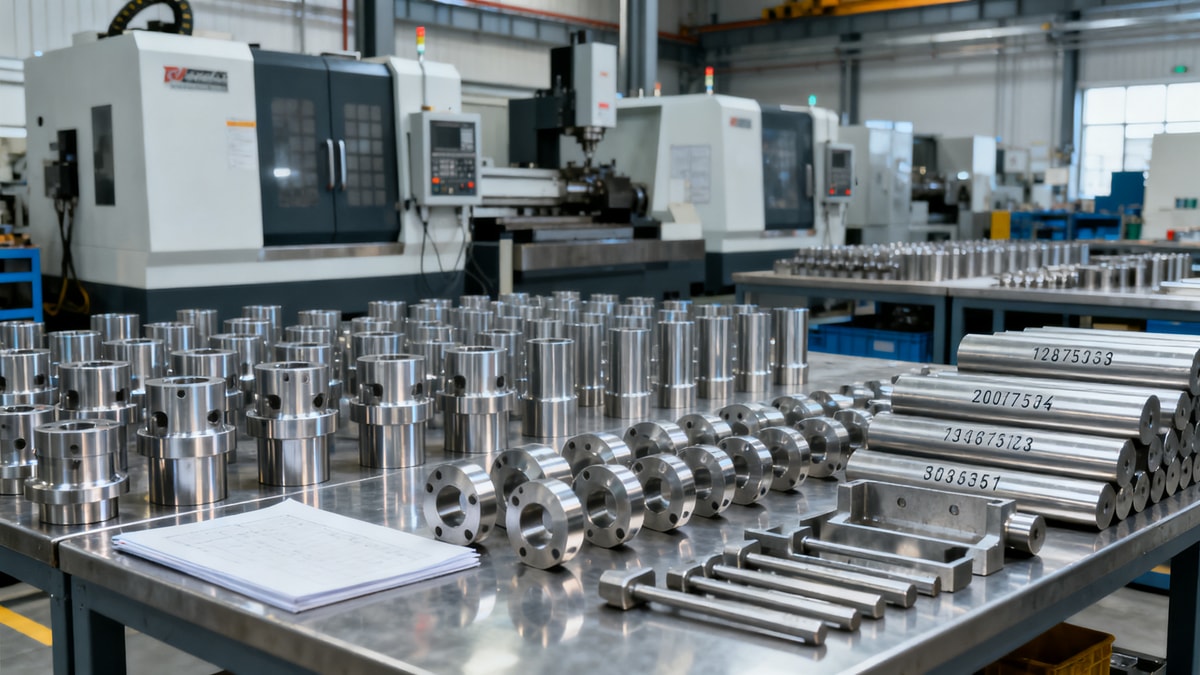
For metals, this often includes exact grade designation, relevant standard, product form, mechanical property requirements, corrosion or temperature considerations, heat treatment state, testing requirements, traceability needs, and any fabrication constraints such as weldability or coating compatibility. For components, it should also include dimensional tolerances, interface conditions, pressure or load ratings, performance thresholds, and required documentation.
Just as importantly, strong specifications define what flexibility is allowed. If substitutions may be considered, the approval path should be explicit. If equivalent standards are acceptable, the basis for equivalence should be stated. If third-party inspection is required only above a certain risk threshold, that threshold should be clear. This prevents sourcing teams from negotiating in uncertainty.
From a business perspective, better specifications improve more than quality. They improve quote comparability, shorten clarification cycles, support cleaner contracts, reduce nonconformance disputes, and make supplier performance easier to measure. That is why specification discipline should be seen as a sourcing capability, not a paperwork exercise.
Conclusion: better sourcing decisions start with better specification discipline
When Components & Metals specs break sourcing plans, the root problem is usually not isolated to engineering detail. It is a decision-quality issue that touches cost, compliance, timing, supplier trust, and operational reliability. For business evaluators, the lesson is clear: a competitive quote is only valuable if the specification behind it is complete, aligned, and executable.
The most reliable sourcing plans are built when technical fit, standards compliance, supplier capability, and lifecycle practicality are evaluated together. That approach helps organizations avoid false savings, reduce approval friction, and make procurement decisions that remain defensible after delivery, installation, and operation begin.
In industrial markets where failure carries real financial and operational consequences, specification strength is not a minor technical concern. It is one of the clearest predictors of sourcing resilience. Teams that treat it that way will make better buying decisions, manage suppliers more effectively, and protect project outcomes more consistently.
Technical Specifications
Expert Insights

Chief Security Architect
Dr. Thorne specializes in the intersection of structural engineering and digital resilience. He has advised three G7 governments on industrial infrastructure security.
Related Analysis
- May 04, 2026When Components & Metals bulk order pricing stops being cheaperAuthor :Heavy Industry Strategist
- May 04, 2026What makes an Instruments & Measurement supplier dependableAuthor :Precision Metrology Expert
- May 04, 2026How to assess an Environment & Ecology exporter by documentationAuthor :Environmental Engineering Director
Core Sector // 01
Security & Safety
- When Components & Metals bulk order pricing stops being cheaperAuthor :Heavy Industry Strategist

- What a Components & Metals manufacturer should prove firstAuthor :Heavy Industry Strategist

- How metallurgical engineering manufacturers improve consistencyAuthor :Heavy Industry Strategist

- Why Components & Metals specs break sourcing plansAuthor :Heavy Industry Strategist

- How to vet a closed die forging parts supplier fastAuthor :Heavy Industry Strategist

- Closed die forging parts or casting parts for high loads?Author :Heavy Industry Strategist

- Industrial metallurgy choices that affect part lifespanAuthor :Heavy Industry Strategist

- Why investment casting manufacturer quotes vary so muchAuthor :Heavy Industry Strategist