How to spot a dependable Components & Metals manufacturer early
Author
Date Published
Reading Time
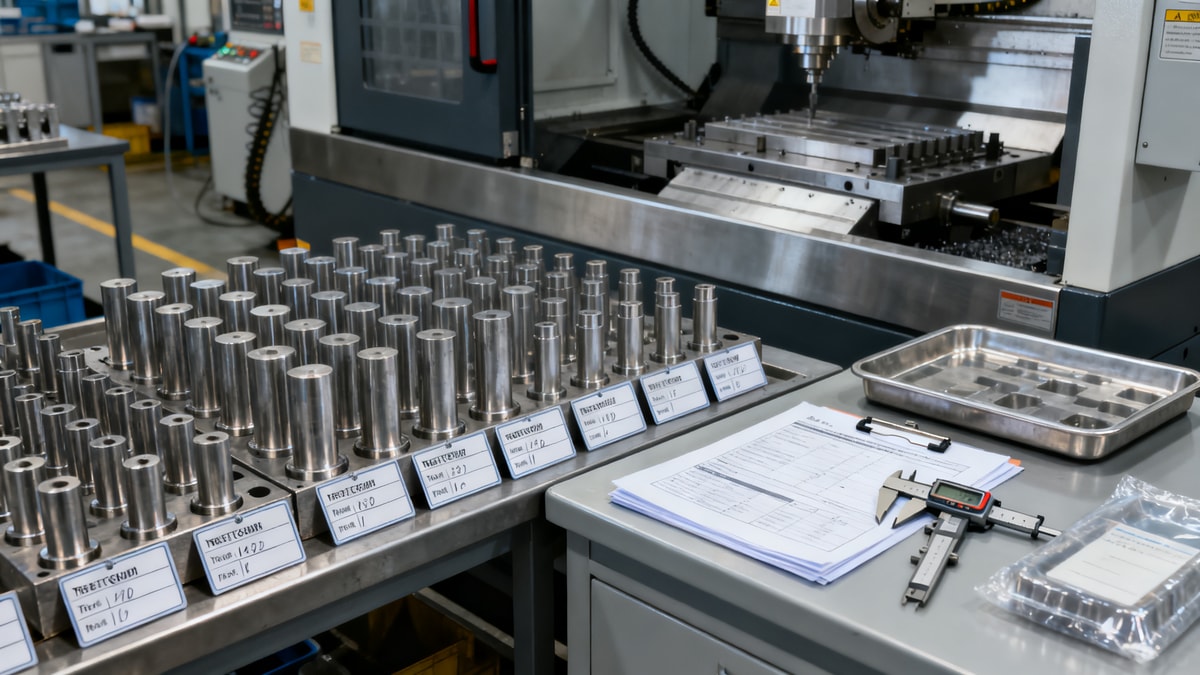
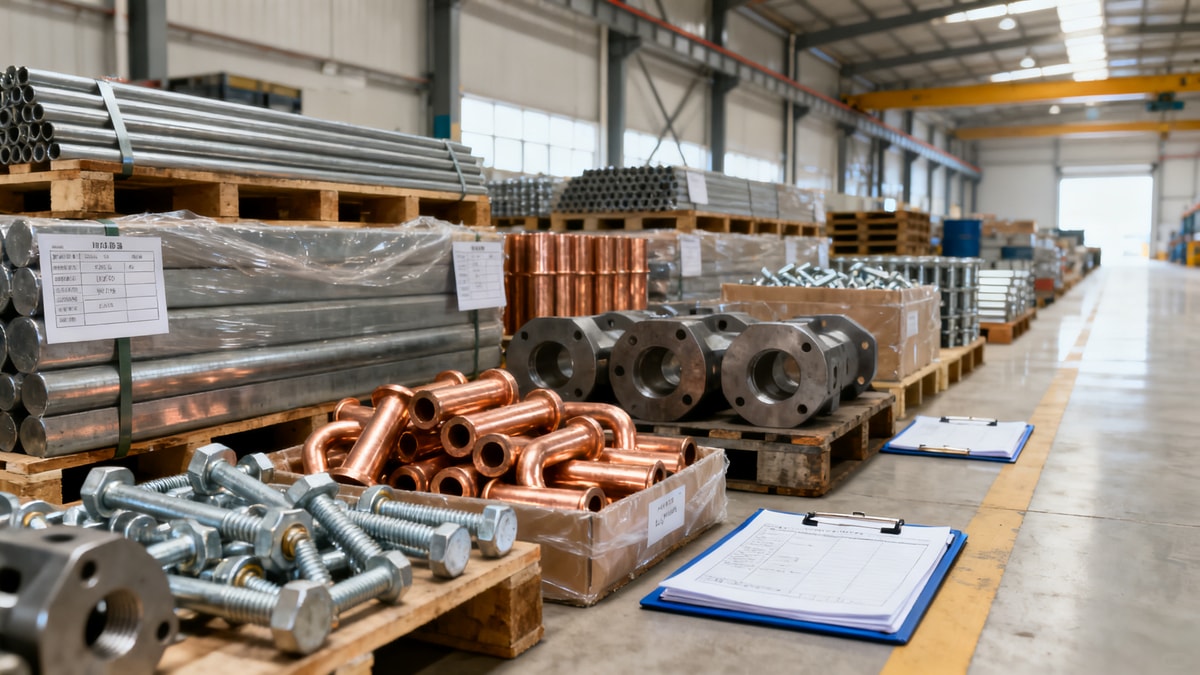
Choosing a dependable Components & Metals manufacturer early can protect procurement teams from costly delays, quality failures, and compliance risks later in the project cycle. For buyers managing industrial supply chains, the real advantage lies in spotting proven capability before contracts are signed—through certifications, production consistency, material traceability, and communication discipline. This guide outlines the early signals that separate reliable partners from high-risk suppliers.
Why early supplier judgment matters more now than it did a few years ago
Procurement teams are evaluating a very different market than they were even three to five years ago. In the Components & Metals manufacturer landscape, reliability is no longer judged only by unit price, lead time, and a basic quality certificate. Industrial buyers now face tighter compliance expectations, more volatile raw material markets, greater exposure to logistics disruption, and stronger pressure from project owners to reduce operational risk before production starts.
This shift matters because the cost of choosing the wrong supplier shows up earlier and spreads wider. A material mismatch can affect fabrication, installation, commissioning, warranty performance, and even downstream safety audits. For EPC contractors, maintenance planners, and procurement directors, early qualification of a dependable Components & Metals manufacturer has become a risk-control decision, not just a sourcing task.
Another notable change is that institutional buyers increasingly expect suppliers to prove process discipline, not merely promise good outcomes. That means the most dependable manufacturers stand out through documentation systems, inspection readiness, repeatable metallurgy control, and the ability to communicate clearly under commercial pressure.
The market signals procurement teams should not ignore
Several trend signals are reshaping how buyers should assess a Components & Metals manufacturer early. These are not temporary issues. They are becoming part of standard supplier evaluation in industrial markets.
These signals explain why procurement teams should investigate supplier maturity before RFQ discussions become price-driven. A dependable Components & Metals manufacturer will usually reveal strength through consistency long before a contract is awarded.
What is driving this change in the Components & Metals manufacturer market
The first driver is stricter customer expectation around operational reliability. End users in energy, infrastructure, manufacturing, environmental systems, and safety-critical applications are less tolerant of field failures. As a result, procurement departments are under pressure to validate supplier capability upstream rather than react after goods arrive.
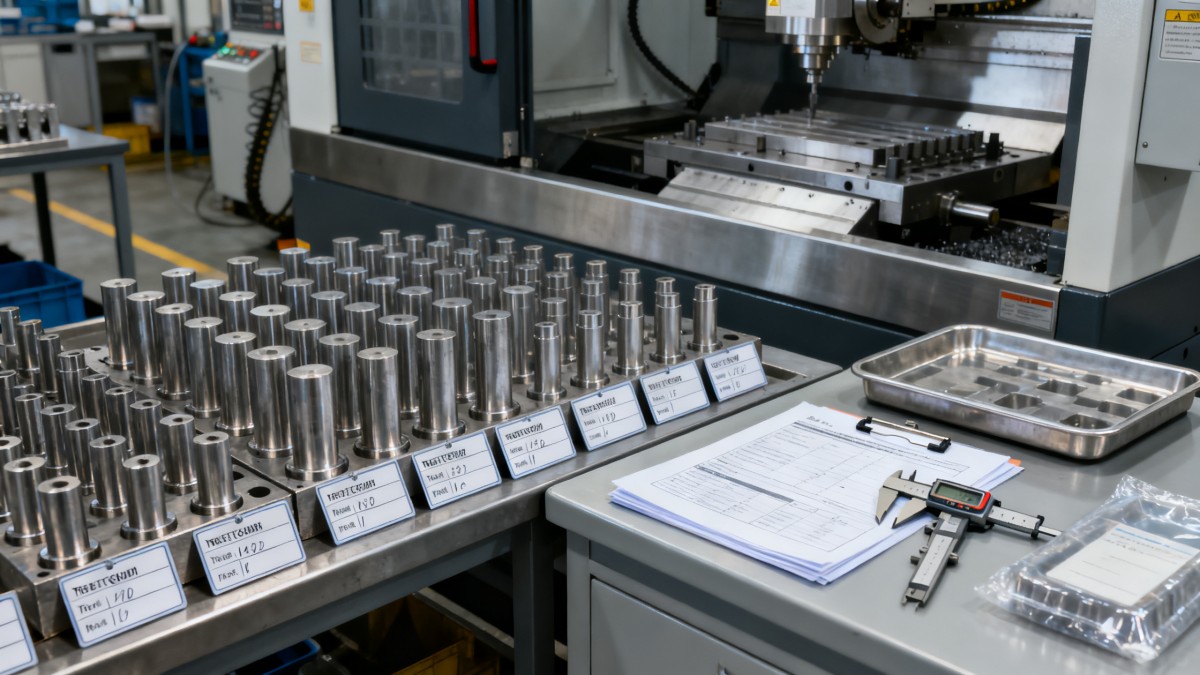
The second driver is material accountability. In metals and industrial components, batch variation, improper heat treatment, weak dimensional control, or undocumented substitutions can create expensive downstream consequences. Buyers therefore need to know whether a manufacturer truly controls metallurgy, machining, finishing, inspection, and packaging—or simply outsources critical stages without clear oversight.
The third driver is digital transparency. Many buyers now expect faster document flow, better production updates, and cleaner quality records. A dependable Components & Metals manufacturer is increasingly visible through how it handles technical questions, revision control, drawing clarification, and non-conformance management. In other words, communication behavior has become a practical indicator of factory discipline.
Early signs that usually indicate a dependable supplier
Reliable suppliers often show recognizable patterns before negotiations reach the final stage. Procurement teams should not wait for a factory visit to notice them.
1. They answer technical questions with precision, not sales language
A dependable Components & Metals manufacturer can explain tolerances, surface treatment limits, inspection methods, alloy behavior, and application risks in clear terms. When a supplier avoids specifics or redirects every question to commercial staff, buyers should treat that as a caution signal.
2. They show traceability as a system, not as a one-off document
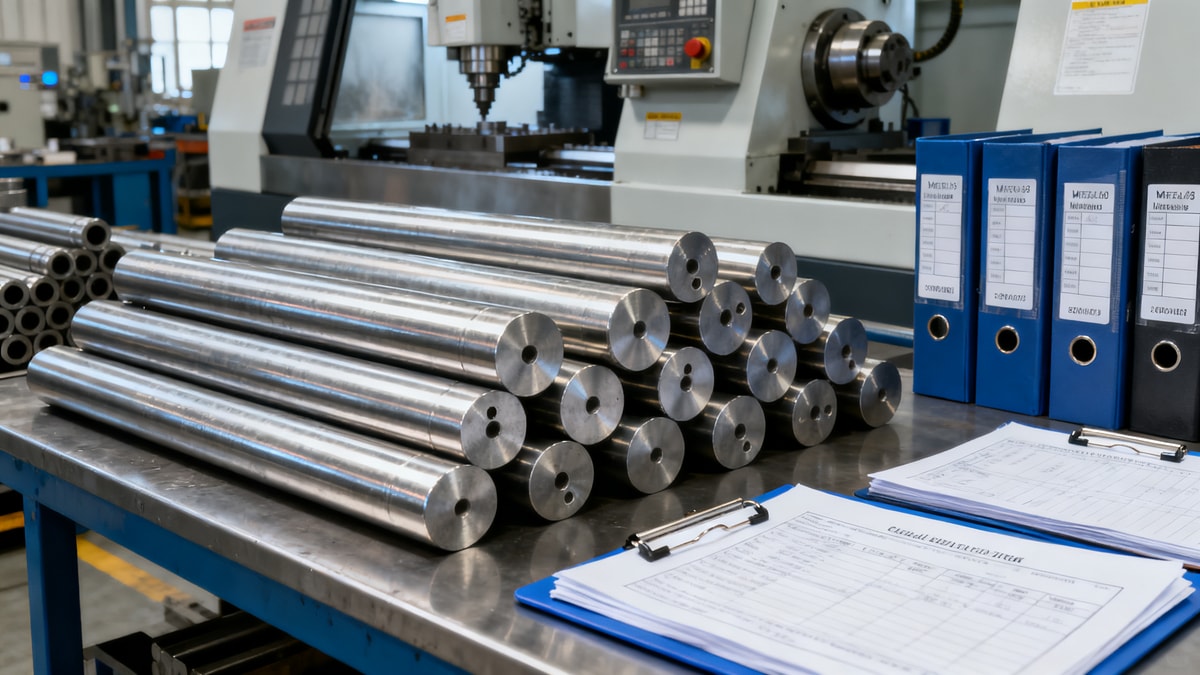
Material certificates are useful, but stronger evidence comes from lot identification, process records, inspection points, and the ability to connect finished parts back to source material. This is especially important for engineered projects where metals performance and compliance history must be defendable later.
3. They discuss process stability and rejection control openly
Strong manufacturers do not present production as flawless. Instead, they explain how they control variation, manage rework, segregate non-conforming material, and maintain repeatability across batches. That transparency is often a stronger trust signal than perfect marketing claims.
4. They respect documentation discipline from the start
Buyers should watch how a supplier handles drawing revisions, specification references, and approval routes. If quotation assumptions are poorly documented, later disputes are much more likely. A dependable Components & Metals manufacturer usually documents exceptions early and confirms scope carefully.
How these trends affect different procurement roles
Not every stakeholder feels the same pressure, but the impact is broad across industrial sourcing.
This broader impact is one reason supplier selection can no longer be handled as a narrow purchasing exercise. A dependable Components & Metals manufacturer supports project certainty across technical, commercial, and operational functions.
Where buyers often misread risk in the early stage
One common mistake is overvaluing certifications without checking operating behavior. ISO, CE-related documentation, or customer approvals may indicate a baseline, but they do not automatically prove consistent execution. Buyers should always ask whether the supplier can produce relevant records tied to the actual product family being quoted.
Another mistake is confusing capacity claims with dependable output. A factory may own substantial equipment but still struggle with planning discipline, subcontractor control, or final inspection throughput. In practice, a dependable Components & Metals manufacturer usually demonstrates realistic lead times and explains bottlenecks honestly.
A third mistake is ignoring communication quality because pricing looks attractive. Delayed answers, unclear assumptions, and inconsistent document versions are not small administrative issues. They are early operating signals that often predict later delivery and quality problems.
A practical framework for early-stage judgment
Procurement teams need a repeatable way to screen a Components & Metals manufacturer before investing too much time in qualification. The most useful approach is to judge across five dimensions rather than relying on a single score.
Technical fit
Can the supplier discuss application conditions, standards, tolerances, metallurgy, and failure risks with confidence?
Process control
Does the manufacturer show how raw material, machining, fabrication, finishing, and inspection are controlled from order intake to shipment?
Traceability and compliance
Can the supplier connect batch records, test reports, and certifications to delivered components without confusion?
Commercial reliability
Are quotations structured, assumptions visible, lead times credible, and deviations declared early?
Communication discipline
Do technical and sales teams respond consistently, manage revisions properly, and escalate risks before they become surprises?
What to monitor as the market continues to evolve
Looking ahead, procurement teams should expect supplier evaluation to become even more evidence-based. Buyers will likely place greater emphasis on digital documentation readiness, auditable traceability, and application-specific quality control. Sustainability reporting may also influence supplier comparison, but for industrial purchasing the immediate priority remains dependable execution under real operating conditions.
It is also reasonable to expect stronger differentiation between manufacturers that truly control critical processes and those that mainly coordinate external vendors. In a more demanding market, the dependable Components & Metals manufacturer will be the one that can prove resilience, not simply advertise scale.
Action points for buyers before supplier shortlisting
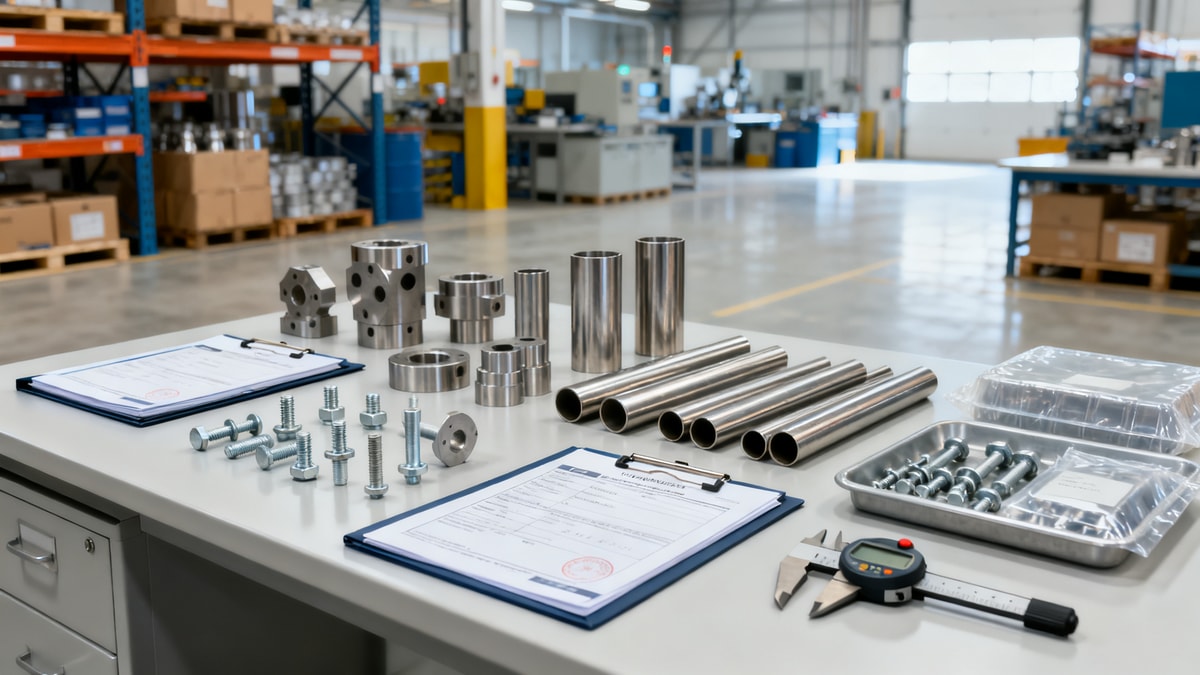
Before moving a supplier into the preferred pool, buyers should confirm a short list of practical questions. Ask for sample traceability records, not just certificates. Request clarification on process ownership, especially for heat treatment, coating, testing, and special machining steps. Check whether the supplier can discuss recent comparable applications in a technically credible way. Review how quickly and accurately they handle drawing revisions and specification changes. Finally, compare quoted lead times against visible production logic rather than accepting them at face value.
For organizations sourcing across safety, power, environmental, and mechanical systems, this early discipline creates a stronger foundation for global procurement. If a team wants to judge whether a Components & Metals manufacturer is truly dependable, the most important question is simple: can this supplier demonstrate controlled performance before problems need to be explained later?
Technical Specifications
- Hidden Environment & Ecology cost after project approvalAuthor :Environmental Engineering Director
- When does an Environment & Ecology impact assessment need updating?Author :Environmental Engineering Director
- Security & Safety standards that affect product approval speedAuthor :Safety Compliance Lead
Expert Insights

Chief Security Architect
Dr. Thorne specializes in the intersection of structural engineering and digital resilience. He has advised three G7 governments on industrial infrastructure security.
Related Analysis
- May 07, 2026Hidden Environment & Ecology cost after project approvalAuthor :Environmental Engineering Director
- May 07, 2026When does an Environment & Ecology impact assessment need updating?Author :Environmental Engineering Director
- May 07, 2026Security & Safety standards that affect product approval speedAuthor :Safety Compliance Lead
Core Sector // 01
Security & Safety
- What makes foundational engineering harder for offshore structures?Author :Heavy Industry Strategist

- Foundational engineering choices that affect high-rise stability laterAuthor :Heavy Industry Strategist

- How to spot a dependable Components & Metals manufacturer earlyAuthor :Heavy Industry Strategist

- Components & Metals: when does bulk buying reduce risk?Author :Heavy Industry Strategist

- Foundational engineering solutions for bridges that cut rework riskAuthor :Heavy Industry Strategist

- When a Components & Metals manufacturer becomes a supply riskAuthor :Heavy Industry Strategist

- How to compare Components & Metals suppliers for bulk ordersAuthor :Heavy Industry Strategist

- Metallurgical Engineering Solutions for Corrosion Problems That ReturnAuthor :Heavy Industry Strategist