BIS Extends Vibration-Noise Pre-Certification Fee Waiver for Chinese Industrial Bearings to Dec 2026
Author
Date Published
Reading Time
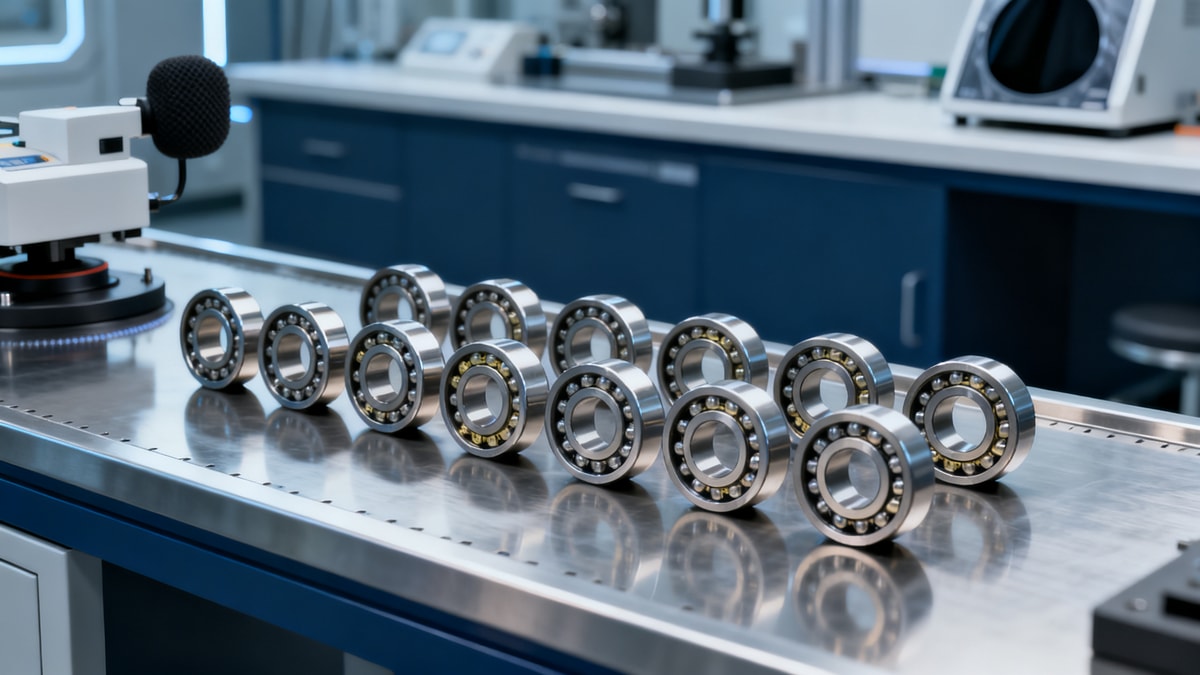
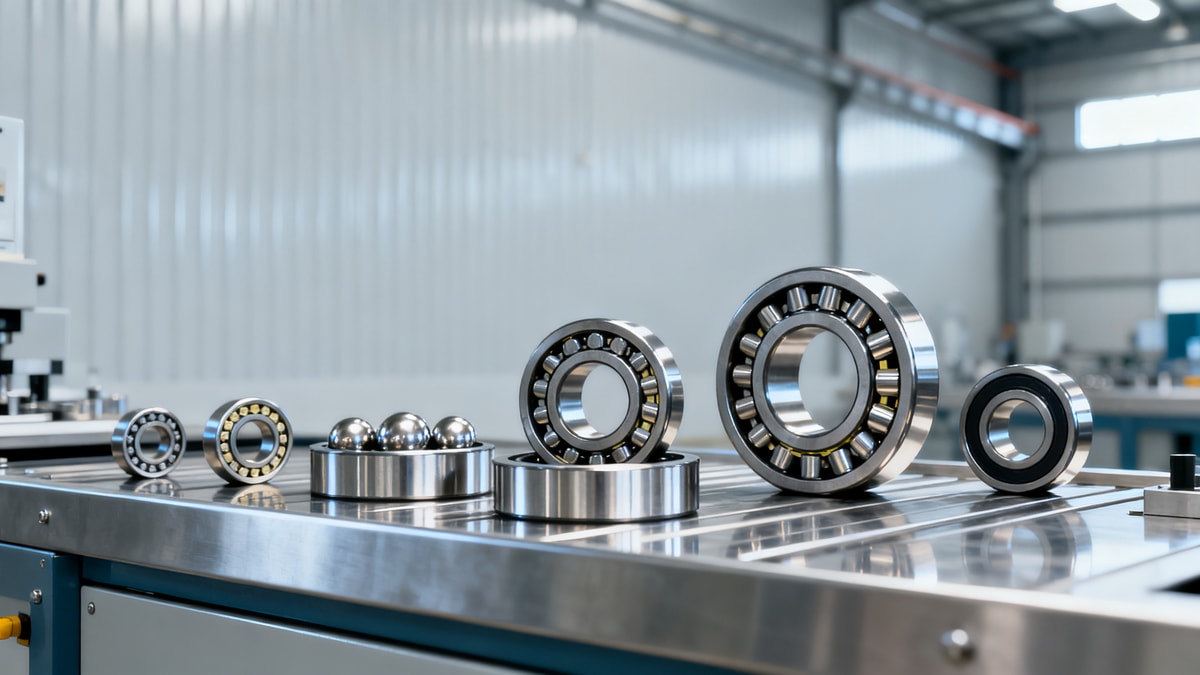
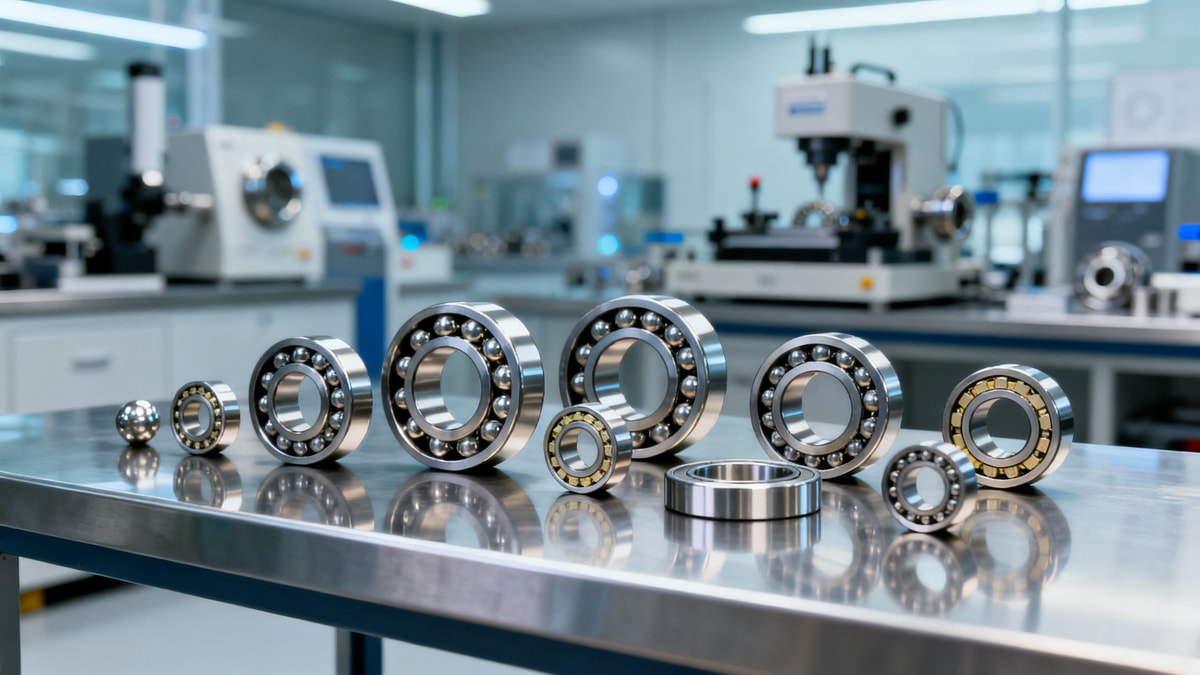
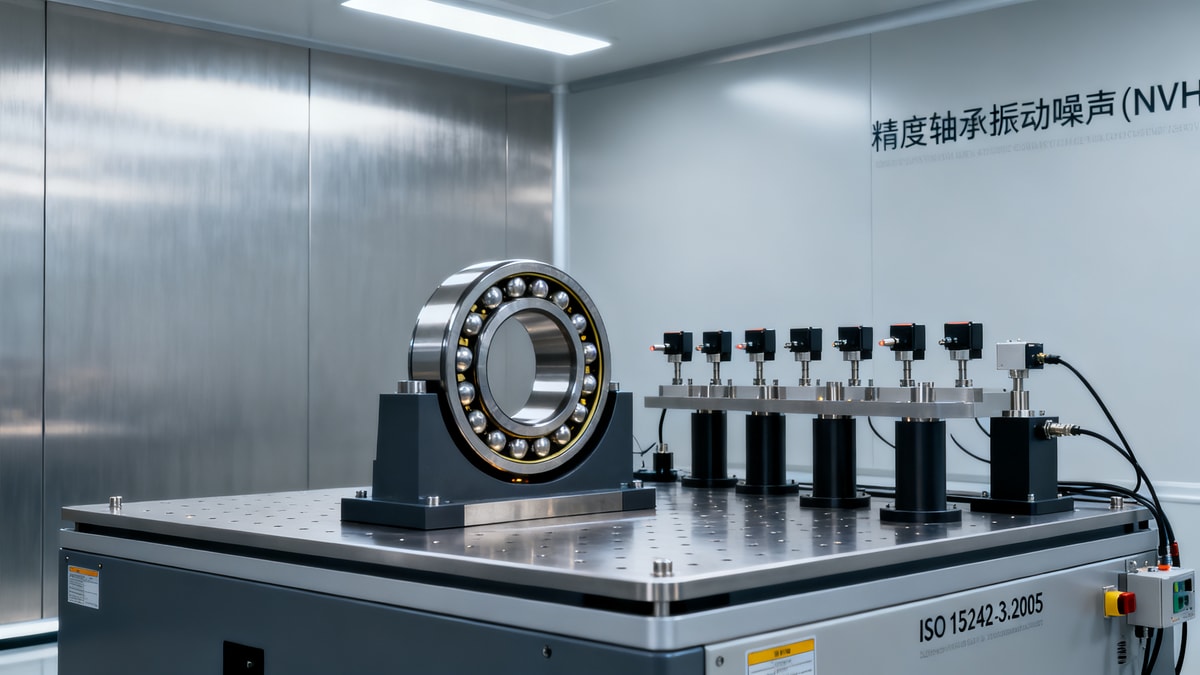
India’s Bureau of Indian Standards (BIS) has extended the exemption from vibration and noise pre-certification fees for Chinese industrial bearing manufacturers until 31 December 2026, effective 1 May 2026. This update—formalized in the revised Foreign Manufacturer Registration Fee Schedule—directly impacts exporters, Tier-1 suppliers, and supply chain stakeholders serving India’s rapidly scaling新能源 automotive and rail equipment sectors.
Event Overview
On 1 May 2026, the Bureau of Indian Standards (BIS) published an updated Foreign Manufacturer Registration Fee Schedule, confirming the extension of the vibration and noise pre-certification fee waiver for industrial bearings manufactured in China. The exemption, initially introduced as a 2025 pilot, is now codified as a formal provision valid through 31 December 2026. No additional conditions, scope limitations, or eligibility criteria beyond those previously applied were announced in the official schedule.
Industries Affected by This Policy Change
Direct Exporters of Industrial Bearings from China
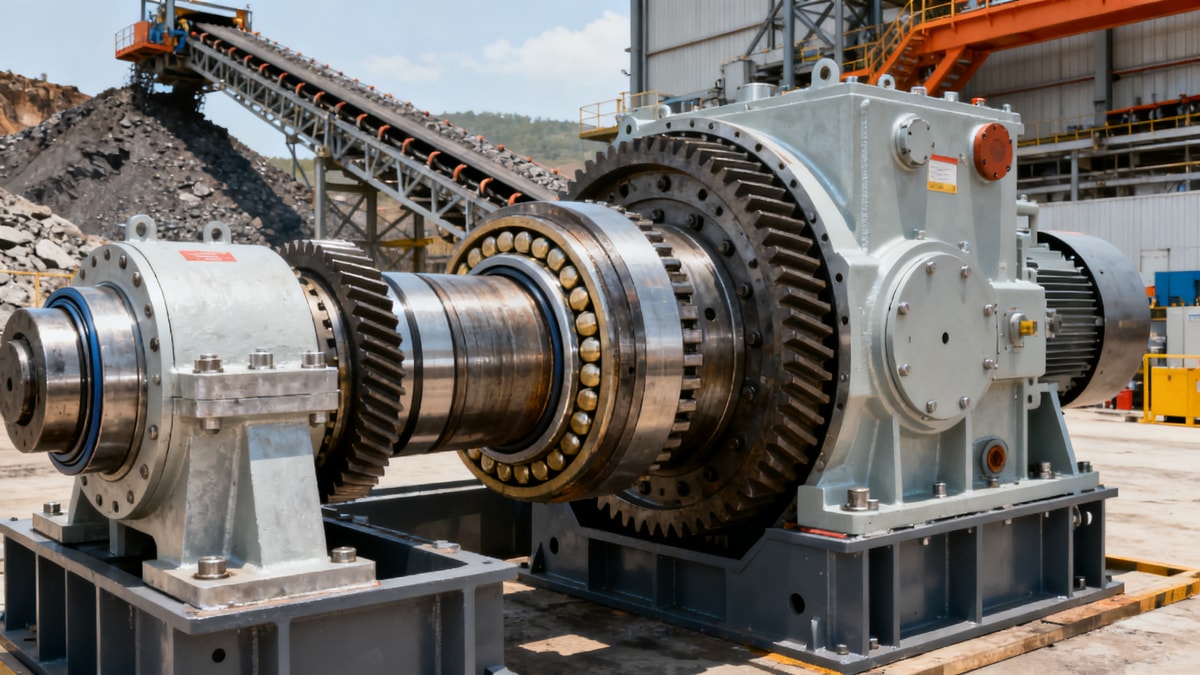
Chinese manufacturers exporting industrial bearings to India are directly affected, as the waiver reduces upfront regulatory cost and time required for BIS registration. Impact manifests primarily in lower entry barriers for new product lines and faster time-to-market for vibration-sensitive applications (e.g., traction motors, gearboxes).
Tier-1 Suppliers to Indian Automotive & Rail OEMs
Suppliers integrating Chinese-sourced bearings into assemblies for Indian electric vehicle (EV) powertrains or railway rolling stock benefit indirectly: reduced certification friction supports more agile sourcing decisions and tighter alignment with OEM validation timelines. However, this applies only where final assembly or system-level certification does not reintroduce vibration-noise testing requirements.
Supply Chain Service Providers (Certification Consultants, Logistics Agents)
Firms offering BIS registration support, technical documentation preparation, or conformity assessment coordination face shifting demand patterns. With pre-certification fees waived, service value may pivot toward post-registration surveillance, test report interpretation, or localized technical liaison—not fee-related administrative handling.
What Relevant Enterprises or Practitioners Should Monitor and Do Now
Track official BIS circulars and implementation guidelines
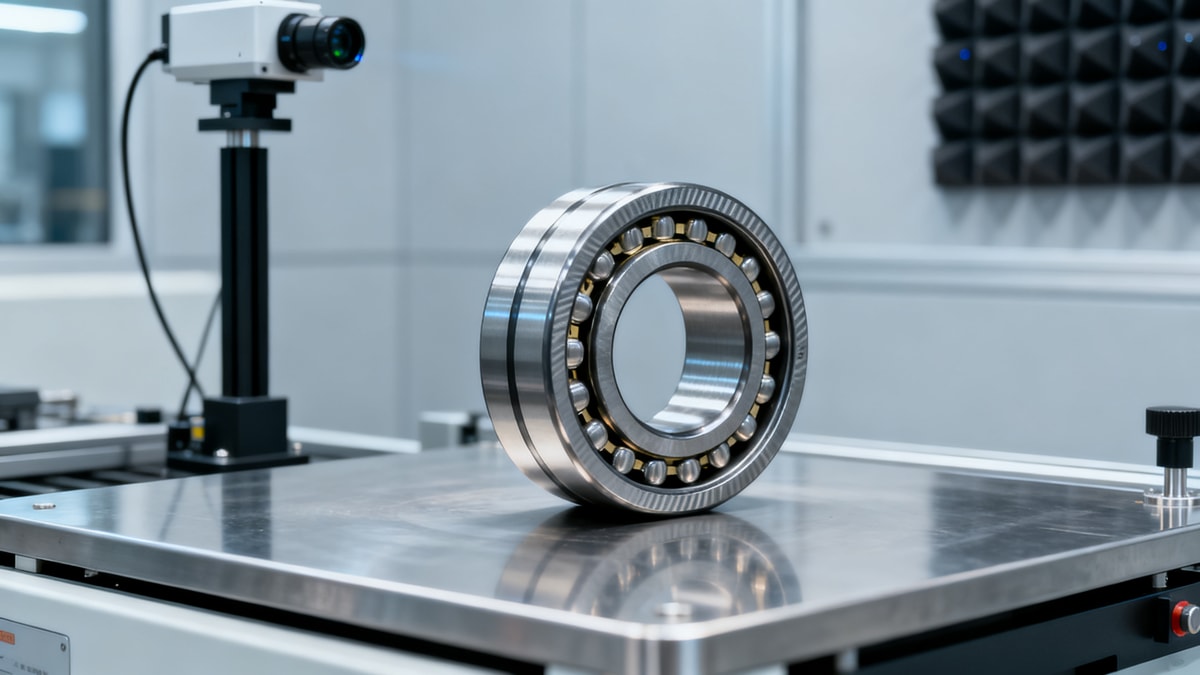
The fee waiver is confirmed in the fee schedule, but its application hinges on whether BIS maintains current vibration-noise test protocols, acceptable third-party labs, and documentation formats. Enterprises should monitor any subsequent notifications—especially those referencing IS 17842 (vibration), IS 17843 (noise), or updates to CMVR Annex VII compliance pathways.
Confirm scope applicability per bearing type and end-use
The exemption applies specifically to industrial bearings subject to BIS’s mandatory registration scheme. It does not automatically extend to automotive-grade tapered roller bearings covered under separate CMVR rules, nor to bearings embedded in certified subsystems. Exporters must verify classification against BIS Order No. S.O. 3656(E) and associated harmonized standards.
Distinguish between policy signal and operational readiness
While the fee waiver lowers one regulatory hurdle, BIS registration still requires factory audits, sample testing at Indian-accredited labs, and ongoing surveillance. Companies should not conflate fee relief with simplified compliance—it remains mandatory, just less costly at the pre-certification stage.
Prepare documentation and lab coordination in advance
Given projected demand spikes ahead of the 2026 year-end deadline, lead times for accredited lab testing (e.g., at NABL-recognized facilities in Pune or Chennai) may lengthen. Exporters are advised to initiate technical file compilation—including dimensional drawings, material certifications, and grease specifications—and pre-qualify test labs now.
Editorial Perspective / Industry Observation
Observably, this extension signals BIS’s intent to stabilize inbound supply of critical mechanical components amid India’s push for domestic manufacturing in strategic sectors. Analysis shows the move is less about broad trade liberalization and more about targeted facilitation—aligning with India’s Production Linked Incentive (PLI) schemes for auto and rail infrastructure. From an industry perspective, it functions primarily as a near-term enabler rather than a structural shift: the underlying regulatory framework, enforcement rigor, and technical expectations remain unchanged. Current relevance lies in timing—enterprises have a defined window (May–December 2026) to optimize registrations without added fee burden, making proactive planning more valuable than reactive adjustment.
Conclusion
This policy extension offers measurable, time-bound operational relief for Chinese industrial bearing exporters targeting India—but its significance resides in context, not scale. It reflects a calibrated regulatory accommodation aligned with India’s industrial policy priorities, not a departure from existing conformity requirements. For stakeholders, it is best understood as a tactical opportunity within an otherwise stable compliance landscape: useful for accelerating specific registrations, yet insufficient on its own to reshape sourcing strategy or market entry timelines.
Information Sources
Main source: Bureau of Indian Standards (BIS), Foreign Manufacturer Registration Fee Schedule, updated 1 May 2026.
Note: Ongoing observation is recommended for potential clarifications on scope, lab accreditation updates, or linkage to broader CMVR/ARAI certification reforms—none of which were included in the May 2026 fee schedule release.
Technical Specifications
- SASO Mandates Dual Energy Label for Industrial Transformers in Saudi Arabia from May 2026Author :Grid Infrastructure Analyst
- EN 61000-4-30:2026 Enforced: Class A Harmonic Traceability Mandatory for EU PQ AnalyzersAuthor :Precision Metrology Expert
- US DOE Level 3 Transformer Efficiency Standard Effective July 1, 2026Author :Grid Infrastructure Analyst
Expert Insights

Chief Security Architect
Dr. Thorne specializes in the intersection of structural engineering and digital resilience. He has advised three G7 governments on industrial infrastructure security.
Related Analysis
- May 06, 2026SASO Mandates Dual Energy Label for Industrial Transformers in Saudi Arabia from May 2026Author :Grid Infrastructure Analyst
- May 06, 2026EN 61000-4-30:2026 Enforced: Class A Harmonic Traceability Mandatory for EU PQ AnalyzersAuthor :Precision Metrology Expert
- May 06, 2026US DOE Level 3 Transformer Efficiency Standard Effective July 1, 2026Author :Grid Infrastructure Analyst
Core Sector // 01
Security & Safety
- BIS Extends Vibration-Noise Pre-Certification Fee Waiver for Chinese Industrial Bearings to Dec 2026Author :Heavy Industry Strategist

- BIS Extends Pre-Certification Fee Waiver for Chinese Industrial Bearings to Dec 2026Author :Heavy Industry Strategist

- Mechanical components for heavy machinery: where failures start firstAuthor :Heavy Industry Strategist

- BIS Waives Vibration Noise Pre-Cert Fee for Chinese Industrial BearingsAuthor :Heavy Industry Strategist

- BIS Fast-Tracks Vibration Noise Certification for Chinese Industrial BearingsAuthor :Heavy Industry Strategist

- Why plastic injection molded parts price changes with volumeAuthor :Heavy Industry Strategist

- Plastic injection molded parts defects linked to mold designAuthor :Heavy Industry Strategist

- TÜV Rheinland Launches China Bearing NVH Pre-Certification ChannelAuthor :Heavy Industry Strategist