BIS Fast-Tracks Vibration Noise Certification for Chinese Industrial Bearings
Author
Date Published
Reading Time
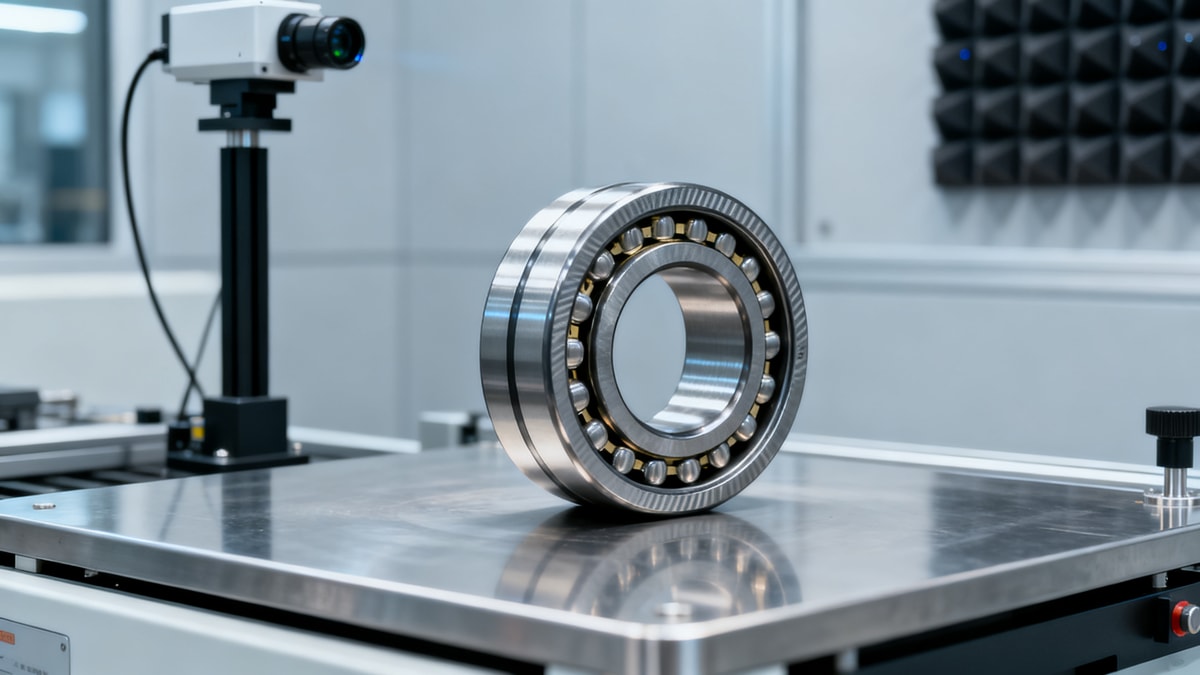
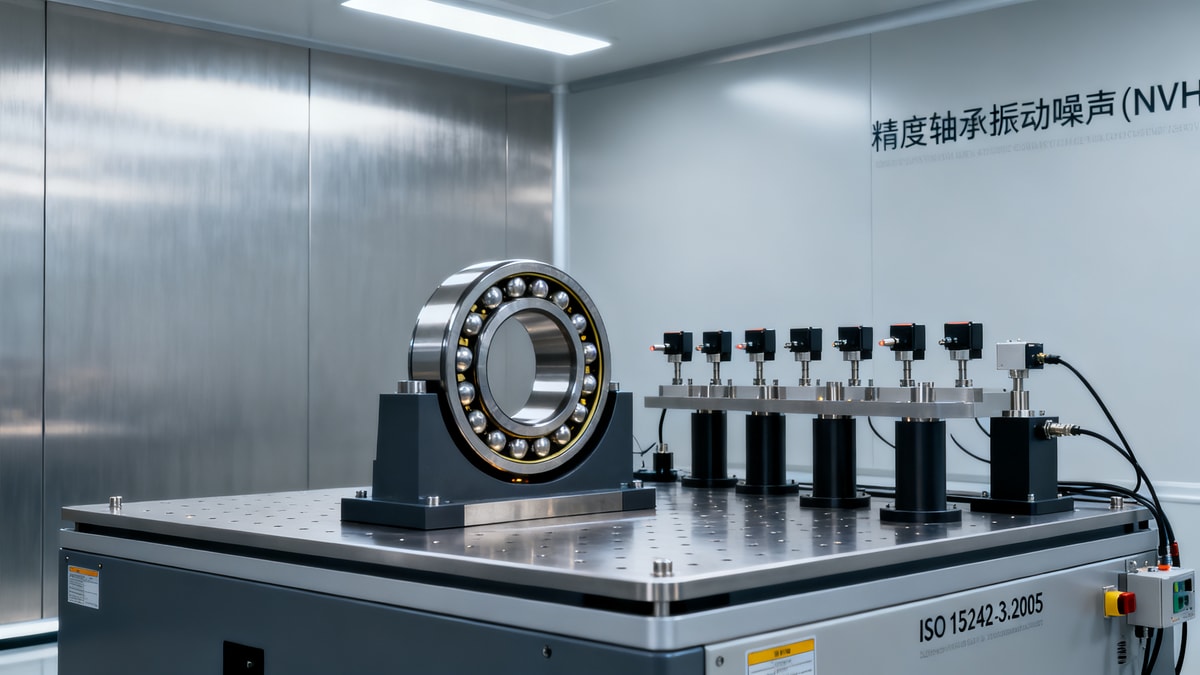
On May 3, 2026, the Bureau of Indian Standards (BIS) launched a fast-track recognition pathway for vibration and noise test data of industrial bearings manufactured in China—specifically those pre-certified by TÜV Rheinland against ISO 15242-3:2025. The move shortens BIS certification time from 12 weeks to five working days. This development is especially relevant for bearing importers, mechanical equipment OEMs, and India-focused supply chain service providers operating in precision motion control, power transmission, and industrial automation sectors.
Event Overview
On May 3, 2026, the Bureau of Indian Standards (BIS) introduced a green channel allowing direct acceptance of vibration and noise test reports for industrial bearings produced in China, provided the reports originate from TÜV Rheinland and comply with ISO 15242-3:2025. Certification processing time was reduced from 12 weeks to five working days. Chinese leading bearing manufacturers have begun submitting batches under this arrangement.
Industries Affected
Direct Trade Enterprises (Importers & Exporters)
These entities face immediate implications in customs clearance timelines and documentation alignment. Since BIS now accepts third-party test data without retesting, importers must verify that their Chinese suppliers hold valid TÜV Rheinland reports conforming strictly to ISO 15242-3:2025—not earlier editions or related standards. Non-compliant reports will not qualify for the five-day processing window.
Manufacturing OEMs in India (e.g., Pump, Gearmotor, Conveyor System Producers)
OEMs relying on imported industrial bearings for final assembly may experience shorter lead times for component qualification and new product launches. However, internal quality assurance protocols must be updated to reference ISO 15242-3:2025 as the accepted baseline—and not older national or proprietary specifications—when reviewing supplier-submitted test data.
Supply Chain & Certification Support Providers
Third-party certification consultants, testing labs, and logistics coordinators serving China–India bearing trade must adjust service offerings to include verification of TÜV Rheinland report validity (issue date, scope, standard version), BIS application form alignment, and post-submission tracking for the accelerated review cycle. Misalignment in any of these steps risks rejection despite pre-certification.
What Relevant Enterprises or Practitioners Should Focus On
Monitor Official BIS Guidance for Scope Clarifications
As of May 3, 2026, BIS has not published detailed eligibility criteria (e.g., minimum bearing size ranges, load class exclusions, or whether retrofit applications are covered). Companies should track official BIS circulars and FAQs for updates—particularly regarding applicability beyond standard radial ball/roller bearings.
Verify TÜV Rheinland Report Compliance Before Submission
Only reports explicitly referencing ISO 15242-3:2025—and issued after its publication date—are eligible. Reports citing ISO 15242-3:2017 or generic “ISO 15242” references do not qualify. Enterprises should request full report metadata (standard version, test conditions, sample ID traceability) from suppliers prior to BIS filing.
Distinguish Policy Signal from Operational Readiness
This is a procedural change—not a relaxation of technical requirements. All other BIS conformity obligations (e.g., factory inspection, labeling, post-certification surveillance) remain unchanged. Companies should not assume reduced scrutiny; rather, they should treat the shortened timeline as a process efficiency gain contingent on upfront documentation accuracy.
Prepare Documentation and Internal Workflows Ahead of First Submissions
Given the compressed five-working-day window, delays in internal approvals, translation of technical documents, or mismatched test parameters can derail certification. Firms should conduct dry-run submissions using dummy data to validate internal handoffs between procurement, QA, and regulatory affairs teams.
Editorial Perspective / Industry Observation
Observably, this initiative reflects BIS’s operational response to documented supply constraints in critical rotating components—not a broad-based regulatory liberalization. Analysis shows it targets a narrow technical bottleneck (vibration/noise validation), not general certification barriers. From an industry perspective, it functions more as a targeted administrative relief measure than a structural policy shift. Its sustainability depends on continued data reliability from TÜV Rheinland and absence of non-conformities in early accelerated certifications. Ongoing monitoring of BIS’s public audit summaries or recall notices related to these fast-tracked bearings will be essential indicators of longer-term viability.
Conclusion
This development signals a pragmatic recalibration of conformity assessment for a high-demand mechanical component category—driven by supply chain urgency rather than strategic harmonization. It does not imply broader mutual recognition or simplified compliance across other BIS-regulated product categories. For stakeholders, the most appropriate interpretation is operational: a time-bound, condition-specific efficiency improvement requiring strict adherence to stated technical and procedural prerequisites—not a precedent for future regulatory easing.
Information Sources
Main source: Official announcement by the Bureau of Indian Standards (BIS), dated May 3, 2026.
Note: Eligibility scope, long-term renewal terms, and potential expansion to other third-party bodies remain unconfirmed and require ongoing observation.
Technical Specifications
- US DOE Industrial Transformer Efficiency Rule Effective Oct 2026Author :Grid Infrastructure Analyst
- Indonesia BPOM Launches AI Filter Life Algorithm ReviewAuthor :Environmental Engineering Director
- Global Industrial Waste Shredder Lead Times Extend to 22 WeeksAuthor :Environmental Engineering Director
Expert Insights

Chief Security Architect
Dr. Thorne specializes in the intersection of structural engineering and digital resilience. He has advised three G7 governments on industrial infrastructure security.
Related Analysis
- May 04, 2026US DOE Industrial Transformer Efficiency Rule Effective Oct 2026Author :Grid Infrastructure Analyst
- May 04, 2026Indonesia BPOM Launches AI Filter Life Algorithm ReviewAuthor :Environmental Engineering Director
- May 04, 2026Global Industrial Waste Shredder Lead Times Extend to 22 WeeksAuthor :Environmental Engineering Director
Core Sector // 01
Security & Safety
- BIS Fast-Tracks Vibration Noise Certification for Chinese Industrial BearingsAuthor :Heavy Industry Strategist

- Why plastic injection molded parts price changes with volumeAuthor :Heavy Industry Strategist

- Plastic injection molded parts defects linked to mold designAuthor :Heavy Industry Strategist

- TÜV Rheinland Launches China Bearing NVH Pre-Certification ChannelAuthor :Heavy Industry Strategist

- Viton FKM O Rings Bulk: When Premium Material Is Actually NecessaryAuthor :Heavy Industry Strategist

- Pump Shaft Seals: The Small Material Choice With Big Downtime ImpactAuthor :Heavy Industry Strategist

- Oil Seals TC TB: Which Structure Fits Dusty Equipment Better?Author :Heavy Industry Strategist

- Why Polyurethane O Rings Wear Faster in Dynamic SealingAuthor :Heavy Industry Strategist