BIS Extends Pre-Certification Fee Waiver for Chinese Industrial Bearings to Dec 2026
Author
Date Published
Reading Time
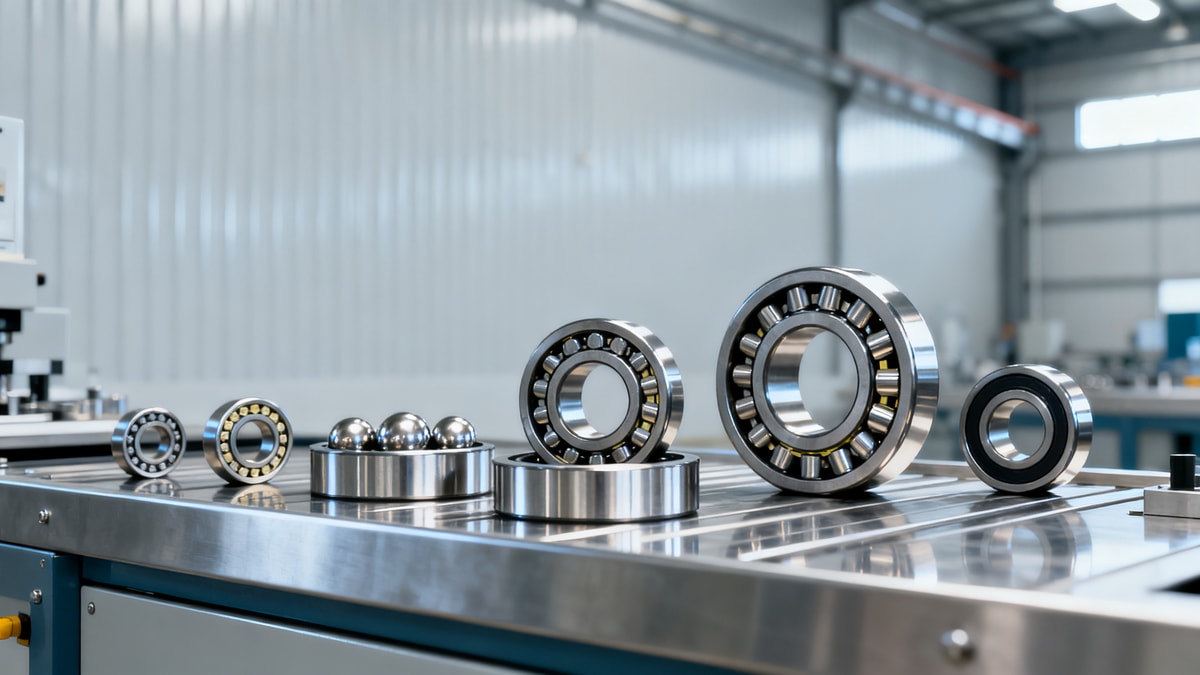
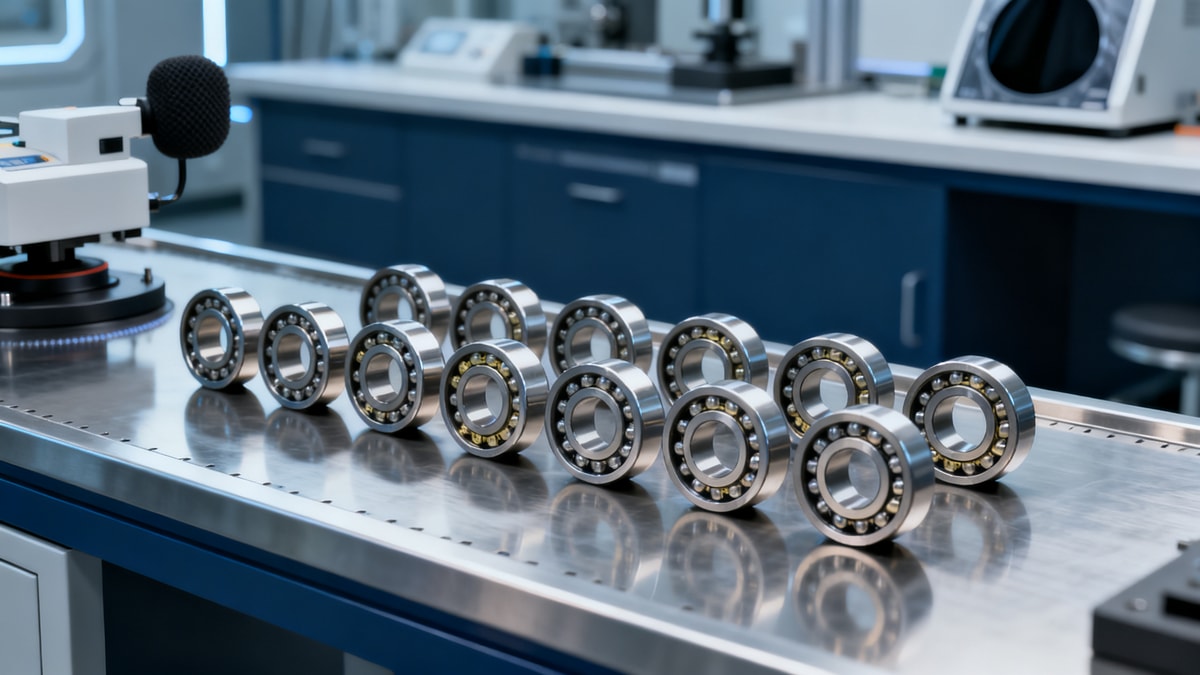
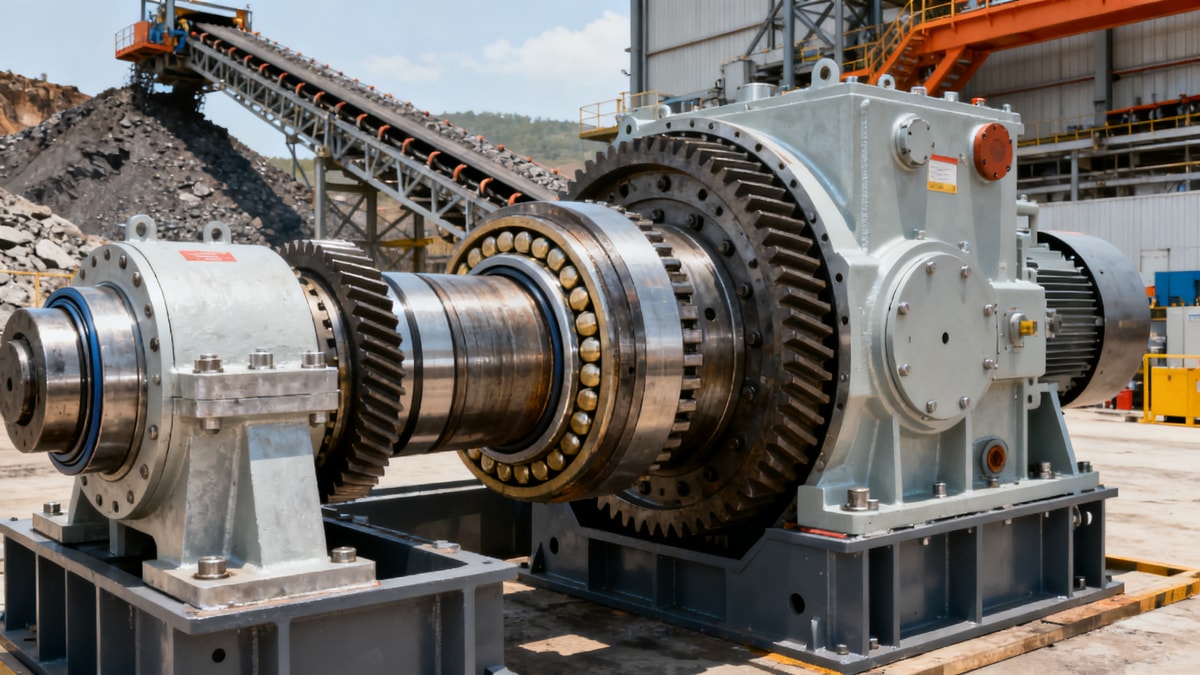
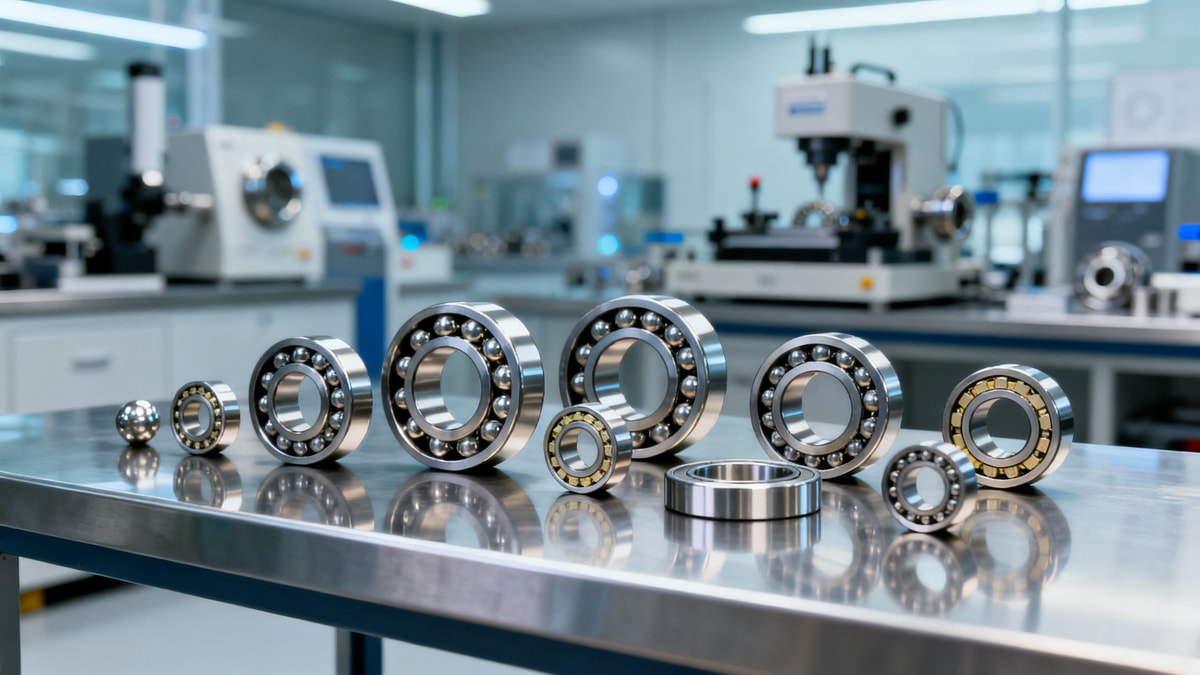
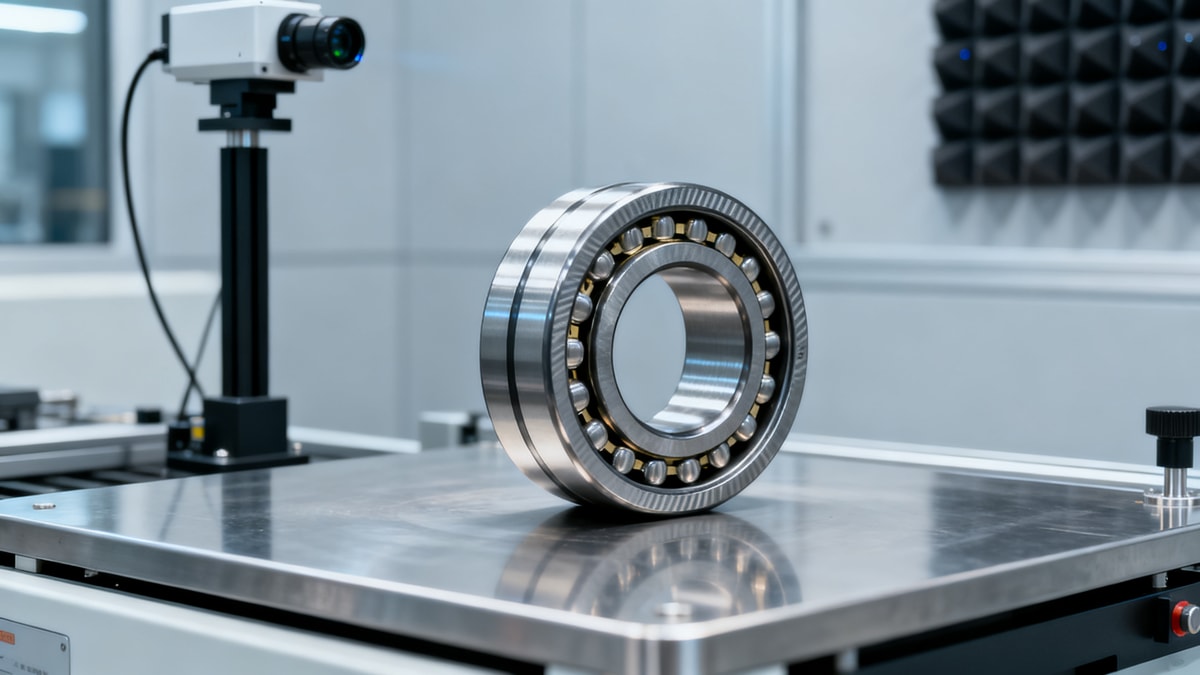
India’s Bureau of Indian Standards (BIS) has extended the pre-certification vibration and noise testing fee waiver for registered Chinese manufacturers of industrial bearings—specifically deep groove ball, tapered roller, and spherical roller bearings—until December 31, 2026. Announced on May 4, 2026, via an update to Annex 3 of the BIS Foreign Manufacturer Registration Guidance, this extension directly impacts suppliers targeting India’s rapidly scaling新能源 equipment supply chains, particularly in new energy vehicles and wind turbine gearboxes.
Event Overview
On May 4, 2026, the Bureau of Indian Standards (BIS) published an updated version of Annex 3 to its Foreign Manufacturer Registration Guidance. The revision confirms the continuation of the fee waiver for mandatory vibration and noise pre-certification testing for Chinese manufacturers registered with BIS to export industrial bearings—including deep groove ball bearings, tapered roller bearings, and spherical roller bearings—to India. The waiver now remains valid through December 31, 2026.
Which Subsectors Are Affected
Direct Exporters (Chinese Bearing Manufacturers)
These companies benefit from reduced time-to-market and lower upfront compliance costs when registering or renewing BIS certification for eligible bearing types. The extension delays the need to budget for and schedule vibration/noise testing—a step previously required prior to type approval.
Supply Chain Integrators (Indian OEMs & Tier-1 Suppliers)
Indian manufacturers in electric mobility and renewable energy sectors relying on imported high-reliability bearings face shorter lead times and more predictable procurement planning. The waiver supports continuity in sourcing critical components for gearbox assemblies and e-axle systems where performance consistency is essential.
Regulatory Compliance & Certification Service Providers
Firms offering BIS registration support—including documentation preparation, test coordination, and liaison with Indian laboratories—may see sustained demand for guidance on navigating Annex 3 requirements, though volume pressure on pre-certification testing capacity is temporarily eased.
What Relevant Companies or Practitioners Should Focus On
Monitor Official Updates to BIS Guidance Documents
The current waiver applies only to the specific bearing types and testing scope outlined in Annex 3. Stakeholders should track any further revisions to the Foreign Manufacturer Registration Guidance, especially changes to eligibility criteria or transition timelines beyond 2026.
Verify Product Scope Against BIS Classification Codes
Not all industrial bearings fall under the waived category. Exporters must confirm their exact product models align with BIS-defined IS standards and tariff headings referenced in Annex 3—particularly IS 1075 (deep groove ball), IS 1119 (tapered roller), and IS 1128 (spherical roller)—to avoid inadvertent non-compliance.
Distinguish Between Policy Signal and Operational Readiness
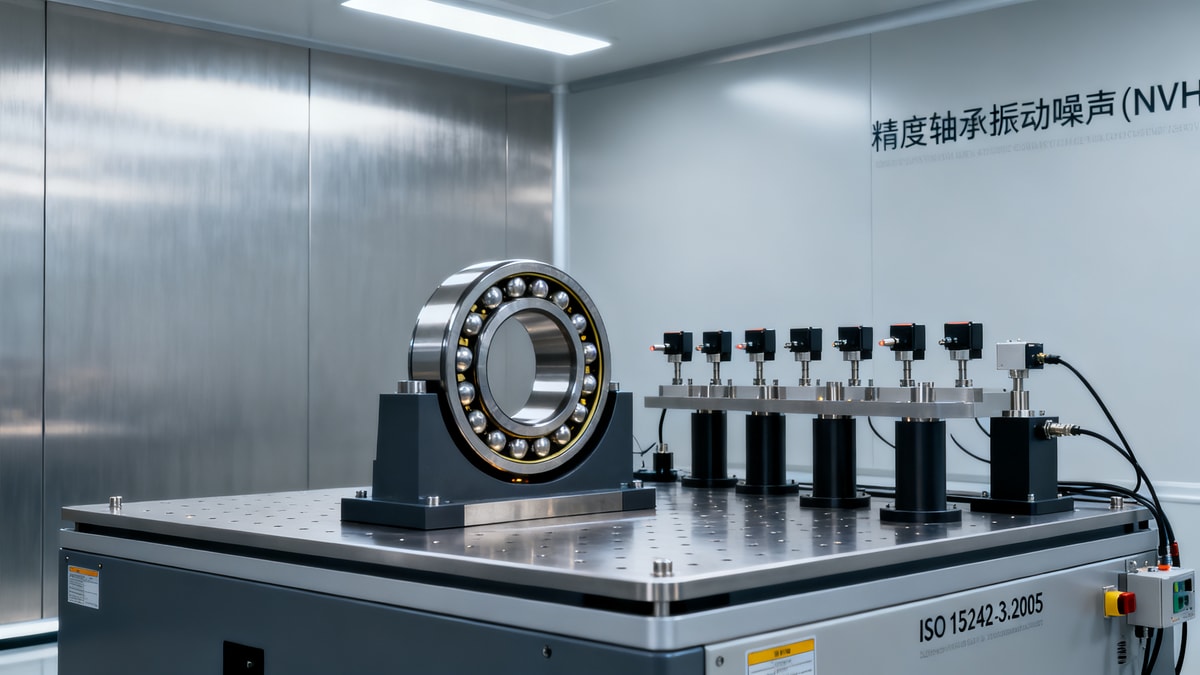
The extension reflects administrative flexibility—not a relaxation of technical requirements. Vibration and noise performance standards remain fully enforceable; the waiver covers only the pre-certification testing *fee*, not the underlying conformity assessment. Testing may still be triggered during surveillance audits or market surveillance.
Prepare Documentation for Post-2026 Transition Planning
Given the waiver expires December 31, 2026, exporters should begin compiling baseline vibration/noise test reports from accredited labs (e.g., CNAS-accredited facilities in China) well ahead of that date—even if not yet submitted—to streamline future BIS submissions.
Editorial Perspective / Industry Observation
Observably, this extension functions primarily as a policy signal—indicating BIS’s intent to sustain import access for mission-critical mechanical components while India’s domestic bearing testing infrastructure scales. It does not alter technical thresholds or enforcement mechanisms. Analysis shows the move is less about long-term regulatory shift and more about near-term supply chain stabilization: it coincides with increased Indian OEM commitments in EV drivetrains and offshore wind projects, where bearing reliability directly affects system MTBF. From an industry perspective, the extension is best understood as a calibrated adjustment—not a structural change—and warrants continued attention precisely because its expiry date is fixed and non-renewal would introduce measurable cost and timeline implications.
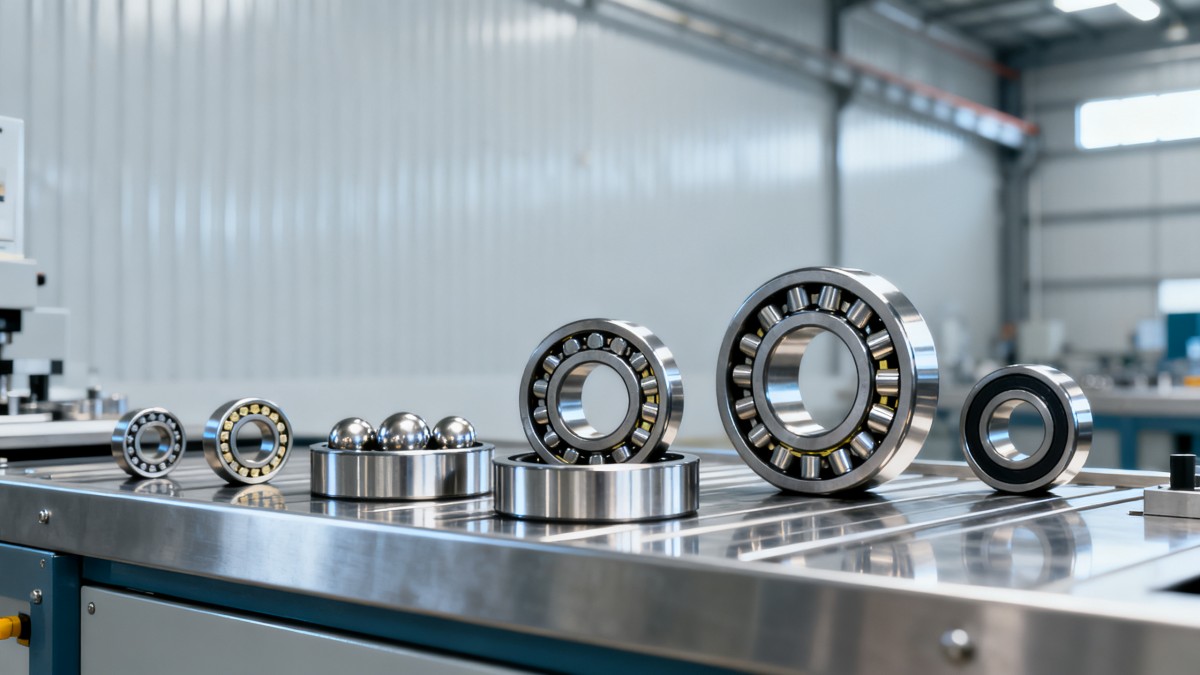
In summary, the BIS fee waiver extension offers tangible short-term operational relief for Chinese bearing exporters and Indian integrators alike—but its value lies not in permanence, but in the window it provides for strategic alignment. Current conditions favor disciplined documentation hygiene, precise product classification, and proactive lab engagement—rather than assumptions of indefinite regulatory leniency.
Source: Bureau of Indian Standards (BIS), Foreign Manufacturer Registration Guidance, Annex 3 (updated May 4, 2026). Note: Future revisions to Annex 3 or related IS standards remain subject to official BIS notification and require ongoing monitoring.
Technical Specifications
- SASO Mandates Dual Energy Label for Industrial Transformers in Saudi Arabia from May 2026Author :Grid Infrastructure Analyst
- EN 61000-4-30:2026 Enforced: Class A Harmonic Traceability Mandatory for EU PQ AnalyzersAuthor :Precision Metrology Expert
- US DOE Level 3 Transformer Efficiency Standard Effective July 1, 2026Author :Grid Infrastructure Analyst
Expert Insights

Chief Security Architect
Dr. Thorne specializes in the intersection of structural engineering and digital resilience. He has advised three G7 governments on industrial infrastructure security.
Related Analysis
- May 06, 2026SASO Mandates Dual Energy Label for Industrial Transformers in Saudi Arabia from May 2026Author :Grid Infrastructure Analyst
- May 06, 2026EN 61000-4-30:2026 Enforced: Class A Harmonic Traceability Mandatory for EU PQ AnalyzersAuthor :Precision Metrology Expert
- May 06, 2026US DOE Level 3 Transformer Efficiency Standard Effective July 1, 2026Author :Grid Infrastructure Analyst
Core Sector // 01
Security & Safety
- BIS Extends Vibration-Noise Pre-Certification Fee Waiver for Chinese Industrial Bearings to Dec 2026Author :Heavy Industry Strategist

- BIS Extends Pre-Certification Fee Waiver for Chinese Industrial Bearings to Dec 2026Author :Heavy Industry Strategist

- Mechanical components for heavy machinery: where failures start firstAuthor :Heavy Industry Strategist

- BIS Waives Vibration Noise Pre-Cert Fee for Chinese Industrial BearingsAuthor :Heavy Industry Strategist

- BIS Fast-Tracks Vibration Noise Certification for Chinese Industrial BearingsAuthor :Heavy Industry Strategist

- Why plastic injection molded parts price changes with volumeAuthor :Heavy Industry Strategist

- Plastic injection molded parts defects linked to mold designAuthor :Heavy Industry Strategist

- TÜV Rheinland Launches China Bearing NVH Pre-Certification ChannelAuthor :Heavy Industry Strategist