BIS Waives Vibration Noise Pre-Cert Fee for Chinese Industrial Bearings
Author
Date Published
Reading Time
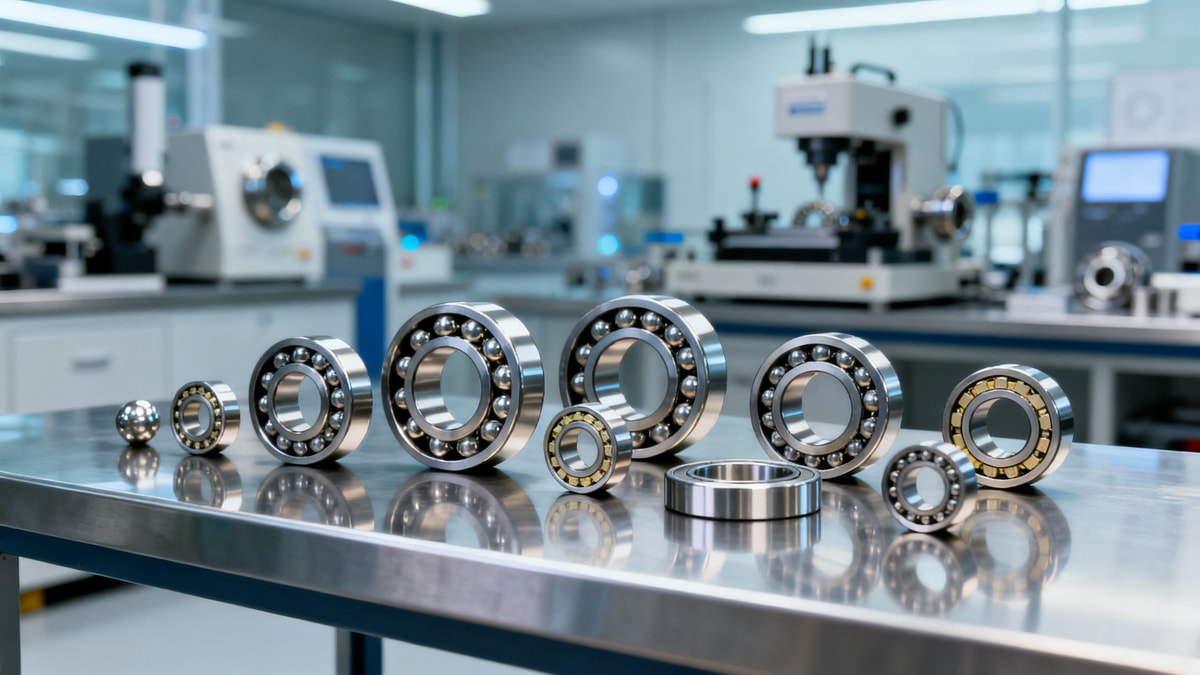
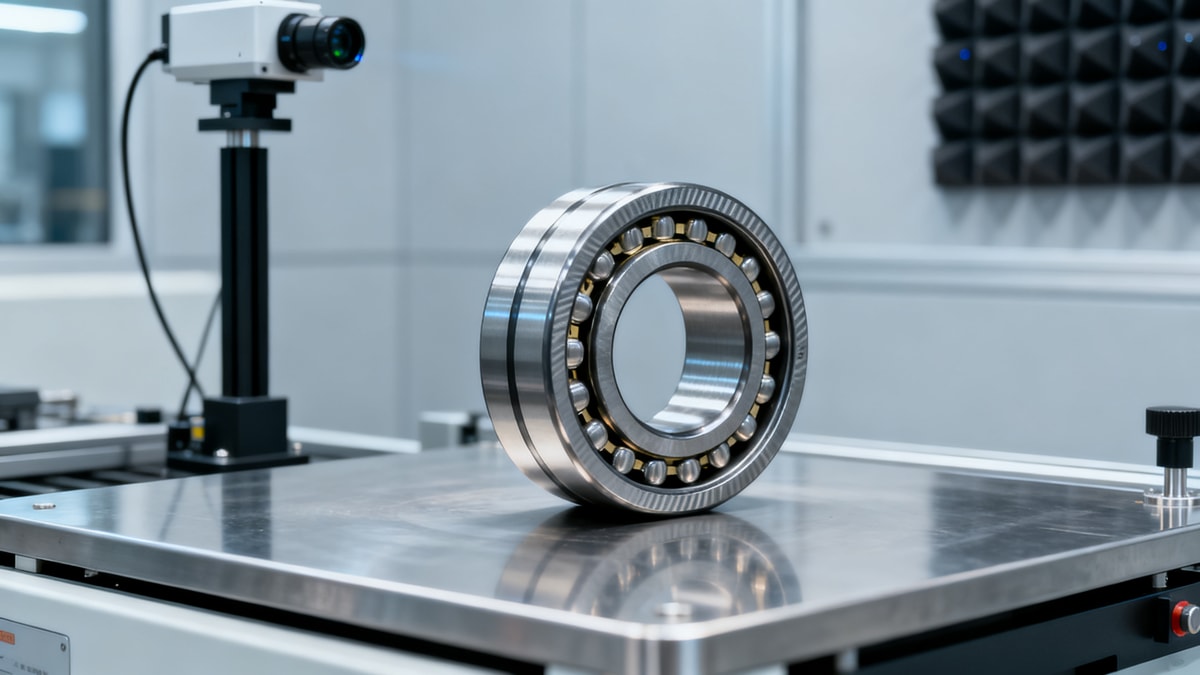
India’s Bureau of Indian Standards (BIS) has waived pre-certification fees for vibration and noise testing — aligned with GB/T 24611-2021 — for select Chinese-made industrial bearings, effective 4 May 2026 through 31 December 2026. Exporters of ISO P5/P6-grade deep-groove ball, tapered roller, and angular contact bearings to India should monitor implications for compliance cost, lead time, and market access.
Event Overview
On 4 May 2026, the Bureau of Indian Standards (BIS) issued an official notice exempting pre-certification fees for vibration and noise testing of specific Chinese-origin industrial bearings. The exemption applies to ISO P5 and P6 precision-grade bearings — including deep-groove ball, tapered roller, and angular contact types — and remains valid until 31 December 2026. A fast-track certification pathway (five working days for issuance) is also introduced alongside the fee waiver.
Industries Affected by This Measure
Direct Exporters (OEMs & Trading Companies)
These entities face direct impact as they bear the cost and timeline burden of BIS conformity assessment. The waiver reduces out-of-pocket expenses for mandatory vibration/noise verification and shortens certification lead time — improving order responsiveness and cash flow predictability for shipments destined for Indian industrial end-users or distributors.
Manufacturing Suppliers (Tier-1 & Tier-2 Bearing Producers)
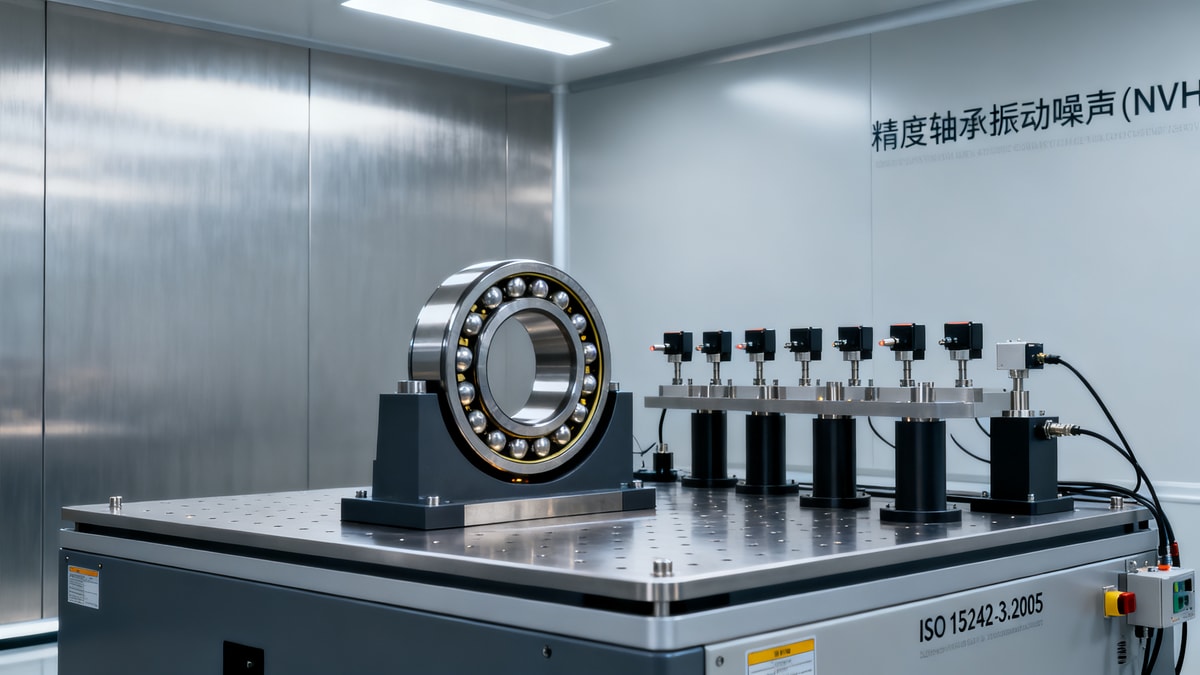
Suppliers producing P5/P6-grade bearings for export must ensure test reports meet BIS-specified parameters (equivalent to GB/T 24611-2021). While the fee is waived, technical validation remains mandatory. Any deviation in test methodology or reporting format may still trigger re-submission or rejection — making internal alignment with updated BIS guidance critical.
Distribution & Channel Partners (India-Based Importers & Wholesalers)
Indian importers sourcing these bearings now benefit from faster documentation turnaround and lower landed cost per unit. However, they remain responsible for ensuring product conformity at point of entry. Delays or non-compliance risks persist if supporting test data lack traceability or fail to reflect current BIS acceptance criteria.
Compliance & Certification Service Providers
Third-party labs and certification consultants assisting Chinese exporters must verify whether their existing GB/T 24611-2021 test protocols are accepted under this exemption. The fast-track window implies tighter coordination between testing, documentation, and BIS submission — requiring service providers to confirm process compatibility with BIS’s revised workflow.
What Enterprises and Practitioners Should Focus On Now
Monitor official BIS communications for scope clarifications
The notice specifies applicability to ISO P5/P6 grades and three bearing types only. Enterprises should track any subsequent BIS circulars or FAQs that clarify eligibility — e.g., whether hybrid or custom configurations fall within scope, or whether sub-assemblies (e.g., bearing + housing units) qualify.
Verify test report alignment with current BIS requirements
Fee exemption does not relax technical requirements. Exporters must confirm that their vibration/noise test reports explicitly reference GB/T 24611-2021 (or its BIS-accepted equivalent), include full measurement parameters (e.g., acceleration RMS, velocity peak, frequency bands), and originate from BIS-recognized or mutually accredited labs.
Distinguish between policy signal and operational readiness
This is a time-bound regulatory relief measure — not a permanent standard revision. Its expiration on 31 December 2026 means businesses relying on the waiver should treat it as a near-term efficiency lever, not a long-term compliance strategy. Planning for post-2026 cost and timeline assumptions remains necessary.
Prepare documentation and lab coordination in advance
To leverage the five-working-day fast-track option, exporters must submit complete, error-free application packages. This includes validated test reports, technical specifications, factory audit records (if applicable), and correct product classification. Early engagement with testing labs and BIS-accredited representatives helps avoid bottlenecks during peak filing periods.
Editorial Perspective / Industry Observation
Observably, this measure functions primarily as a targeted trade facilitation gesture rather than a structural shift in India’s import regulation framework. It addresses a known friction point — high pre-certification costs and delays — for a narrowly defined set of high-precision components. Analysis shows the exemption is calibrated: it applies only to technically mature product categories where Chinese manufacturers already demonstrate strong conformity track records. It is better understood as a confidence-building step amid broader bilateral trade discussions, not an indication of wider regulatory liberalization. The industry should therefore view it as a time-sensitive opportunity requiring precise execution — not a signal of sustained regulatory easing.
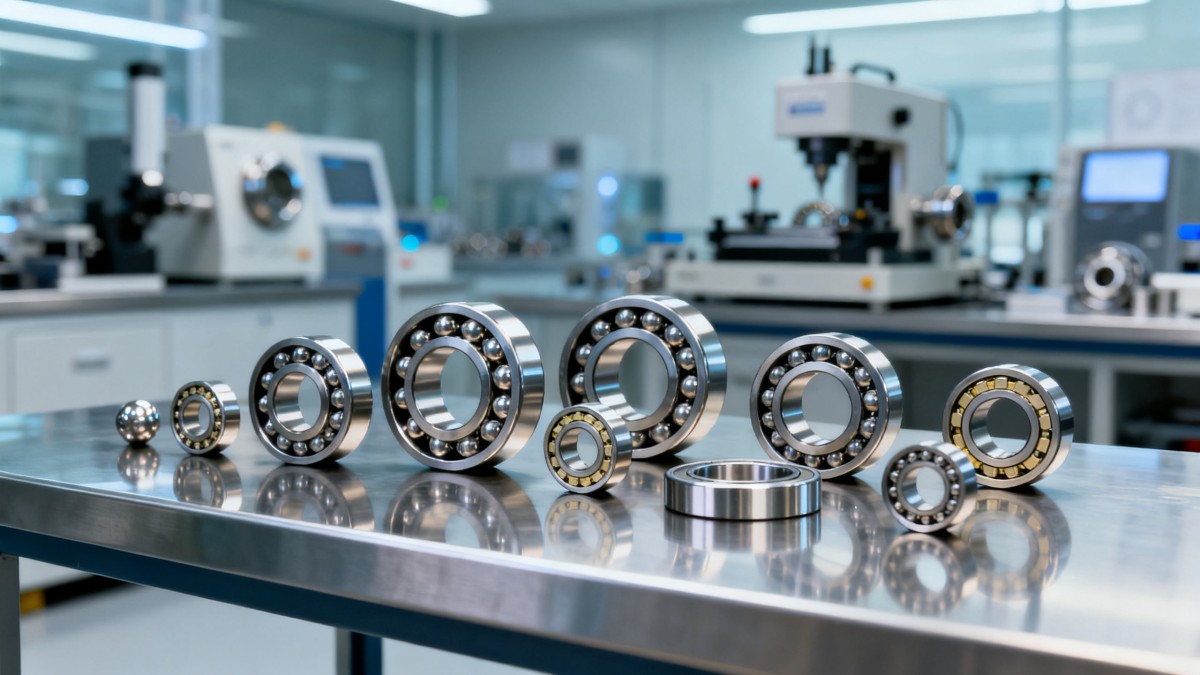
India’s Bureau of Indian Standards (BIS) official notice dated 4 May 2026.
Further developments — including potential extension beyond 31 December 2026 or expansion to additional bearing grades/types — remain subject to official announcement and require ongoing monitoring.
Information Source: Bureau of Indian Standards (BIS) official notice, 4 May 2026.
Technical Specifications
- US DOE Level 3 Transformer Efficiency Rule Takes Effect July 1, 2026Author :Grid Infrastructure Analyst
- INMETRO Proposes EMP Immunity Requirement for Industrial Laser Distance Meters in BrazilAuthor :Precision Metrology Expert
- Indonesia BPOM Fast-Tracks Chinese Industrial Air PurifiersAuthor :Environmental Engineering Director
Expert Insights

Chief Security Architect
Dr. Thorne specializes in the intersection of structural engineering and digital resilience. He has advised three G7 governments on industrial infrastructure security.
Related Analysis
- May 05, 2026US DOE Level 3 Transformer Efficiency Rule Takes Effect July 1, 2026Author :Grid Infrastructure Analyst
- May 05, 2026INMETRO Proposes EMP Immunity Requirement for Industrial Laser Distance Meters in BrazilAuthor :Precision Metrology Expert
- May 05, 2026Indonesia BPOM Fast-Tracks Chinese Industrial Air PurifiersAuthor :Environmental Engineering Director
Core Sector // 01
Security & Safety
- BIS Waives Vibration Noise Pre-Cert Fee for Chinese Industrial BearingsAuthor :Heavy Industry Strategist

- BIS Fast-Tracks Vibration Noise Certification for Chinese Industrial BearingsAuthor :Heavy Industry Strategist

- Why plastic injection molded parts price changes with volumeAuthor :Heavy Industry Strategist

- Plastic injection molded parts defects linked to mold designAuthor :Heavy Industry Strategist

- TÜV Rheinland Launches China Bearing NVH Pre-Certification ChannelAuthor :Heavy Industry Strategist

- Viton FKM O Rings Bulk: When Premium Material Is Actually NecessaryAuthor :Heavy Industry Strategist

- Pump Shaft Seals: The Small Material Choice With Big Downtime ImpactAuthor :Heavy Industry Strategist

- Oil Seals TC TB: Which Structure Fits Dusty Equipment Better?Author :Heavy Industry Strategist