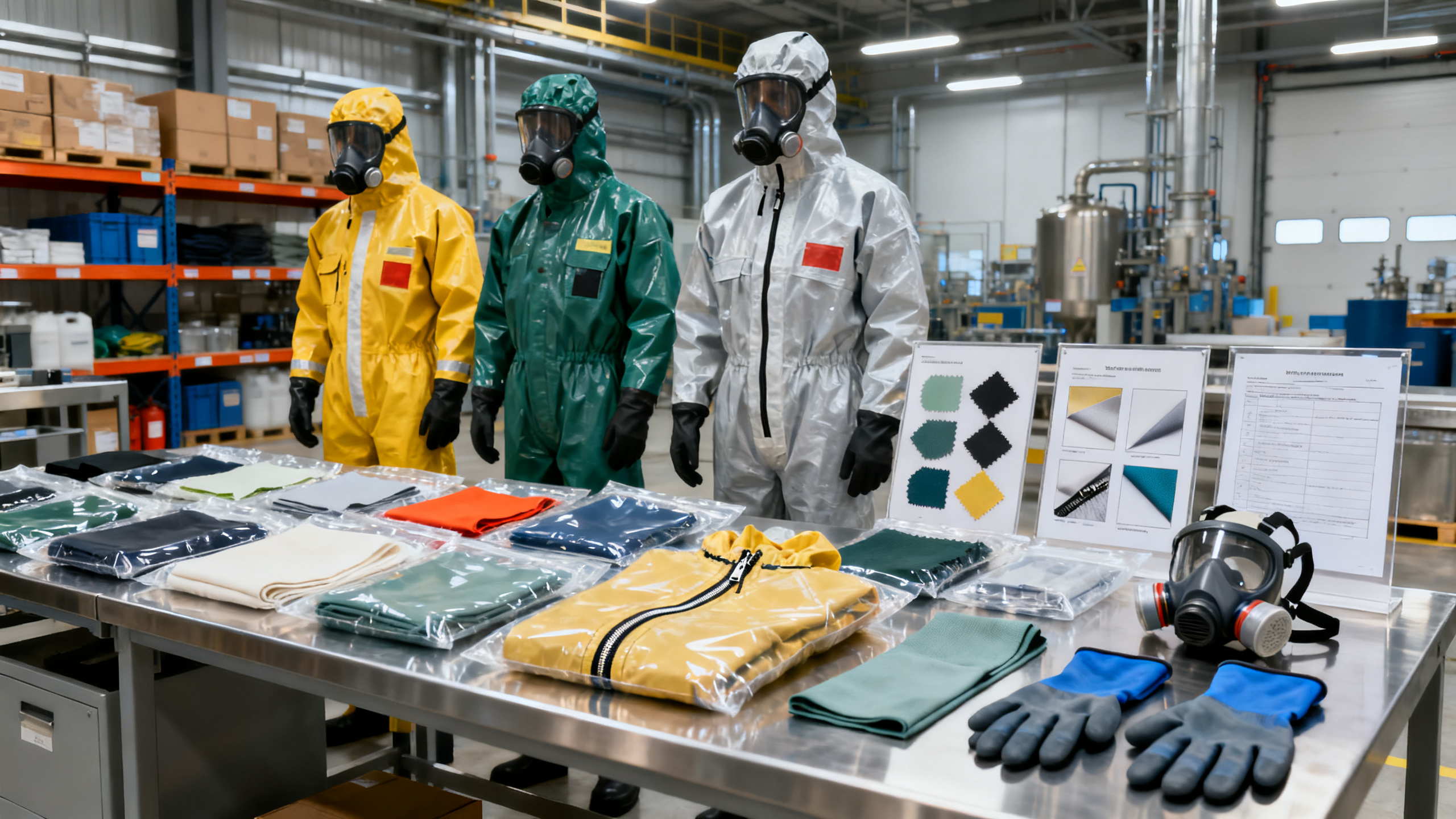
USTR Tariff Move Puts PPE Supply Chains Under Labor Scrutiny
Author
Date Published
Reading Time
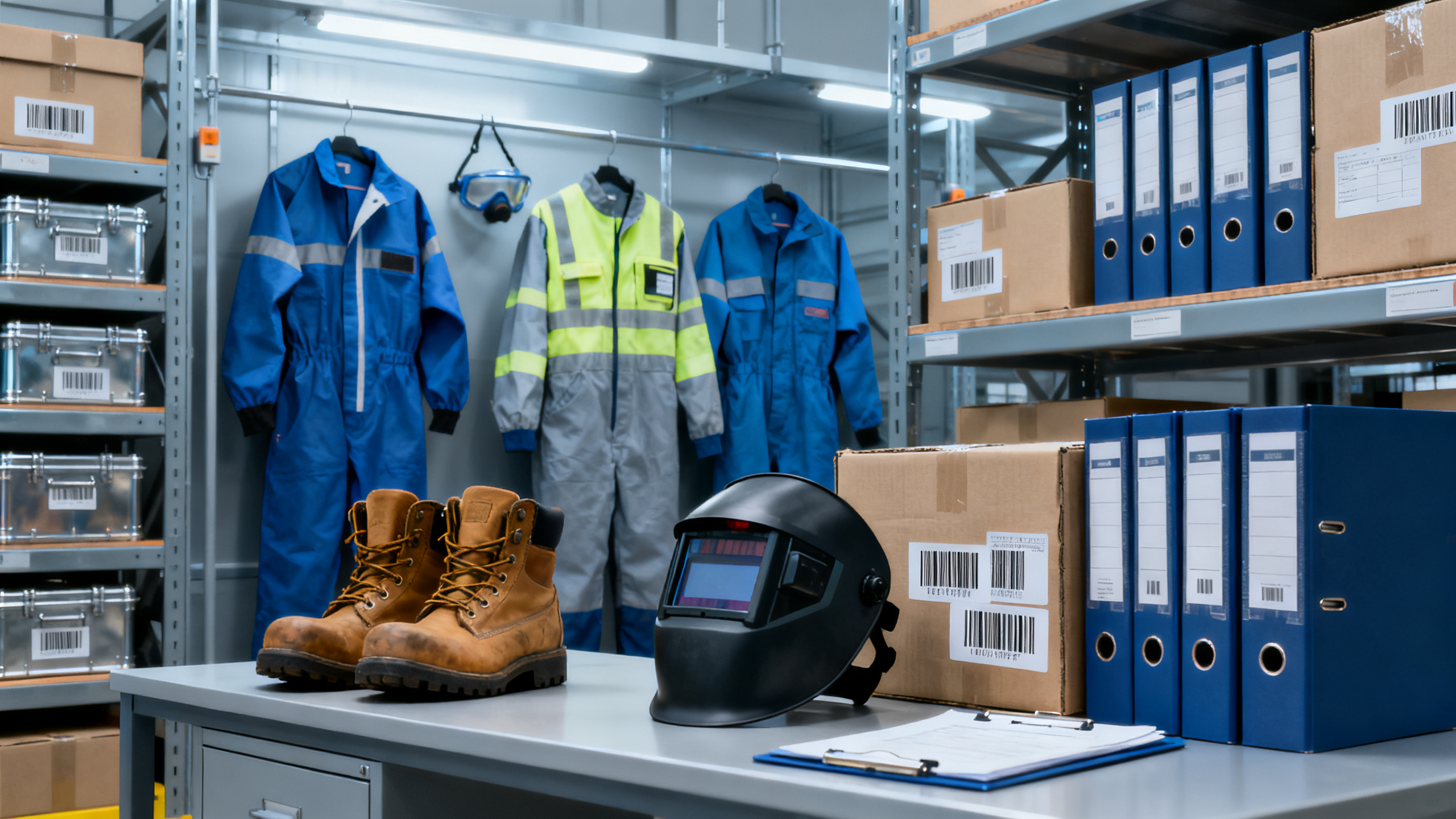
On June 2, 2026, the Office of the United States Trade Representative signaled a new compliance and cost challenge for the PPE and workwear trade: 60 economies were found not to have effectively enforced bans on imports made with forced labor, and additional tariffs of 10% to 12.5% were proposed for products including protective clothing, safety shoes, and welding face shields. For importers, exporters, manufacturers, and sourcing teams, the immediate significance is not only the tariff increase expected from Q3 2026, but also the requirement to document labor compliance across the full supply chain, including Tier 2 and Tier 3 suppliers.
What the June 2 announcement confirms
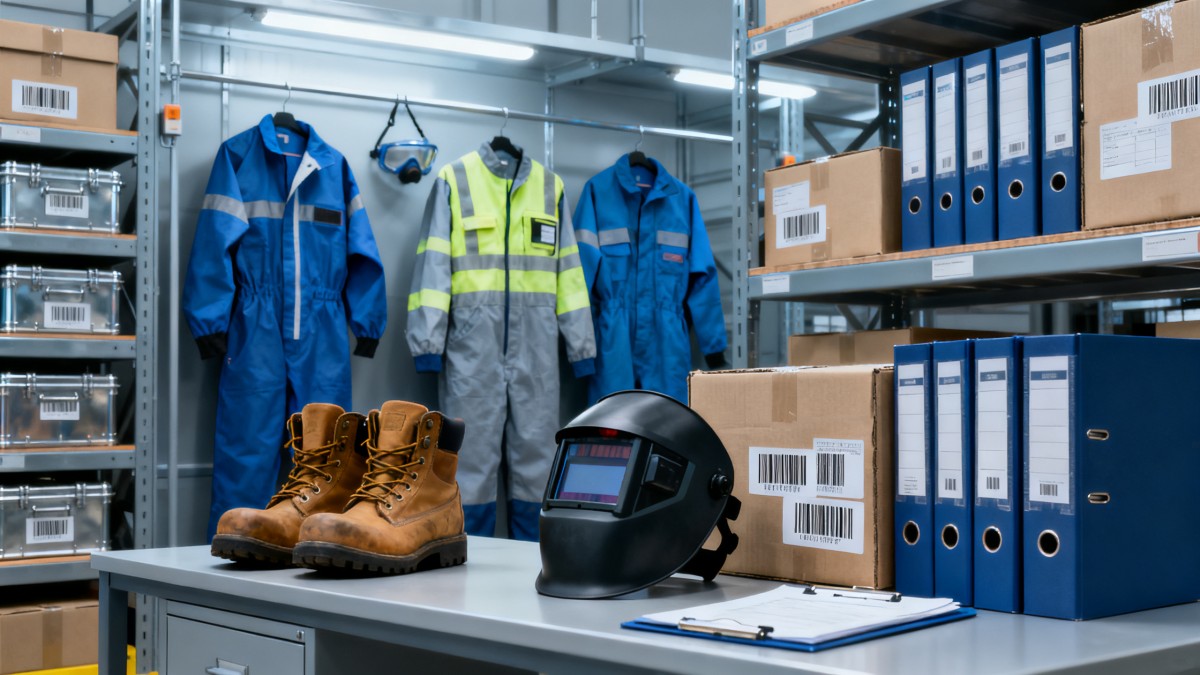
The confirmed information is limited but clear. The USTR, acting under Section 301, determined that 60 economies had not effectively implemented prohibitions on imports involving forced labor products. Based on that finding, the agency proposed additional tariffs of 10% to 12.5% on selected PPE and workwear-related products, including protective garments, safety footwear, and welding face shields.
The new rule also requires importers to provide labor compliance documentation covering the entire supply chain, extending beyond direct suppliers to Tier 2 and Tier 3 partners. The implementation timing is expected to begin in the third quarter of 2026. For Chinese PPE exporters, the information provided also indicates a parallel need to align with the latest versions of UL 2137 and ANSI/ISEA Z87.1 certification requirements.
Where the pressure may appear first in the supply chain
Importers face a dual burden of tariffs and documentation
From an industry perspective, importers may be among the first to feel the operational impact because the measure combines an added tariff layer with a broader evidentiary requirement. The issue is not only landed cost, but also whether sourcing files, supplier records, and labor-related documentation can support customs-facing compliance expectations across deeper supply-chain tiers.
Manufacturers and exporters may see scrutiny move upstream
For PPE and workwear manufacturers, especially those supplying export orders into the United States, the likely pressure point is upstream visibility. Analysis shows that the requirement to document Tier 2 and Tier 3 compliance may push audit and traceability requests beyond finished-goods production and into subcontracting and component sourcing arrangements.
Certification-sensitive product lines deserve closer review
Products such as protective apparel, safety shoes, and welding face shields are directly named in the information provided, which means businesses handling these categories may need to watch both trade compliance and product compliance at the same time. What deserves closer attention is that Chinese PPE exporters are also expected to adapt to updated UL 2137 and ANSI/ISEA Z87.1 certification requirements, making documentation readiness and technical conformity part of the same commercial conversation.
Supply-chain service teams may be drawn into compliance execution
Observably, freight, sourcing, quality, and compliance service providers may also be affected because the new requirement is tied to chain-wide proof rather than a single factory declaration. The practical impact may appear in document collection, supplier verification workflows, and timeline management for shipments planned around Q3 2026 execution.
What companies should monitor now
Watch for how the rule is formally expressed
Companies should closely monitor subsequent official wording and implementation details, especially around how the tariff range of 10% to 12.5% is applied and how full-chain labor compliance proof is expected to be presented in practice. The policy signal is already clear, but the operational standard still needs continued verification through formal updates.
Map exposure by product and customer requirement
Businesses dealing in protective clothing, safety footwear, and welding face shields should identify which product lines, customer accounts, and U.S.-bound orders may be most exposed. Analysis shows that this is less about broad market commentary and more about determining where tariff risk, documentation burden, and certification alignment intersect in active business flows.
Recheck supplier files beyond the first tier
The inclusion of Tier 2 and Tier 3 suppliers means companies should not assume that direct supplier paperwork alone will be sufficient. Current attention should focus on whether upstream supplier identities, labor-related declarations, and supporting records can be assembled in a way that matches importer expectations.
Prepare for customer communication on timing and proof
With implementation expected in Q3 2026, exporters and supply-chain teams may need to prepare for buyer questions on compliance evidence, delivery timing, and certification status. From a practical standpoint, customer communication may become as important as internal document preparation, particularly where orders depend on both tariff planning and standards alignment.
Why this looks bigger than a short-term tariff adjustment
Analysis shows that this development is not only about an additional duty proposal on selected PPE and workwear goods. It also points to a stricter expectation that labor compliance be traceable across multiple supply tiers. That makes the development relevant not just for customs or trade teams, but also for sourcing, quality, and supplier management functions.
At the same time, it is more appropriate to understand this as an active regulatory development rather than a fully settled end state. The expected Q3 2026 execution gives the market a timeline, but businesses still need to watch how official requirements are clarified and how documentation expectations are enforced in practice.
How this news is best understood for now
In summary, the June 2 update matters because it combines three issues that companies often handle separately: tariff exposure, forced-labor compliance review, and product certification alignment. For the PPE and workwear supply chain, that combination raises the importance of upstream visibility and documentation discipline.
A neutral reading is that this is both a near-term operational issue and a longer-term compliance signal. It should not yet be treated as a complete picture of final commercial impact, but it is already significant enough for affected businesses to review supplier structures, product scope, and customer-facing compliance readiness.
Basis of this article and what still needs verification
This article is based on the user-provided news title, event date, and event summary. For developments of this kind, relevant source categories typically include official government announcements, corporate disclosures, industry association updates, authoritative media reporting, and standards organization documents.
No specific official source link was provided in the input, so the exact official publication path still needs to be continuously verified. Follow-up attention should remain on any formal USTR clarification, implementation wording expected ahead of Q3 2026, and any updated guidance related to UL 2137 and ANSI/ISEA Z87.1 applicability for affected PPE exports.
Technical Specifications
- How to Select Electronic Hotel Key Card Locks for Guest Rooms and Staff AreasAuthor :Safety Compliance Lead
- How to Select Lab Instruments for Reliable Chemical Analysis WorkflowsAuthor :Precision Metrology Expert
- How to Size a UPS for Server Rooms: Load, Runtime, and Redundancy FactorsAuthor :Grid Infrastructure Analyst
Expert Insights

Chief Security Architect
Dr. Thorne specializes in the intersection of structural engineering and digital resilience. He has advised three G7 governments on industrial infrastructure security.
Related Analysis
- Sep 17, 2026How to Select Electronic Hotel Key Card Locks for Guest Rooms and Staff AreasAuthor :Safety Compliance Lead
- Sep 16, 2026How to Select Lab Instruments for Reliable Chemical Analysis WorkflowsAuthor :Precision Metrology Expert
- Sep 15, 2026How to Size a UPS for Server Rooms: Load, Runtime, and Redundancy FactorsAuthor :Grid Infrastructure Analyst
Core Sector // 01
Security & Safety
- Can One Supplier Provide Both IEC- and ATEX-Certified Safety Equipment?Author :Safety Compliance Lead

- Are Dual IEC and NEC Safety Certifications Worth the Cost?Author :Safety Compliance Lead

- What Is the Difference Between Class I and Class II PPE?Author :Safety Compliance Lead

- Which Oil and Gas Safety Standards Should Contractors Meet Before Site Mobilization?Author :Safety Compliance Lead

- EU REACH Adds PFAS Cap for PPE WorkwearAuthor :Safety Compliance Lead

- How to Evaluate a Chemical Resistant Suit Supplier for Industrial Safety ProcurementAuthor :Safety Compliance Lead

- EU REACH Sets 50 ppb PFAS Cap for PPE WorkwearAuthor :Safety Compliance Lead

- EU Tightens PFOA Limit for PPE and Industrial Filter MediaAuthor :Safety Compliance Lead