China Seeks Tighter Lithium Battery Rules for E-Motorcycles
Author
Date Published
Reading Time
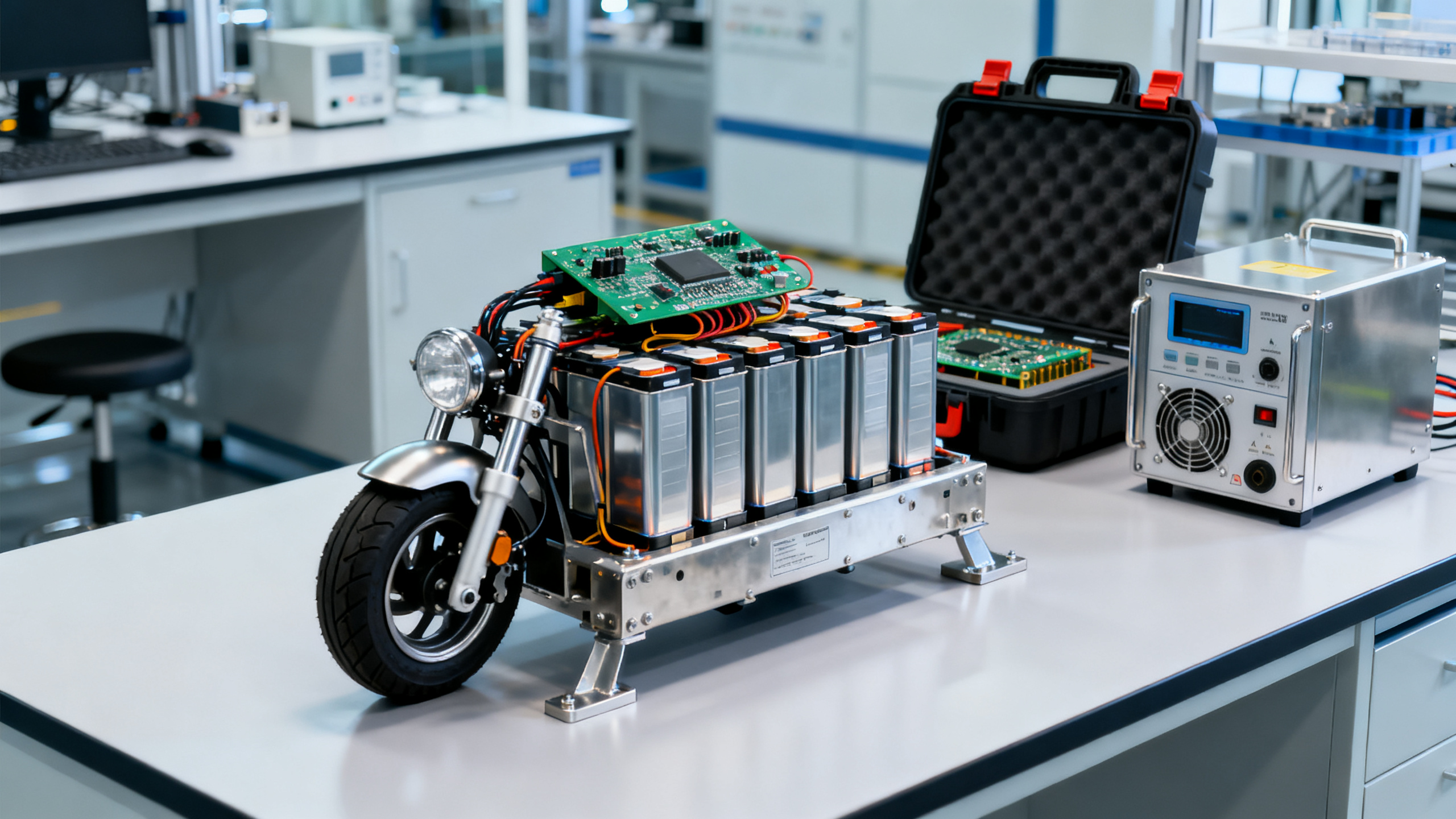
On June 5, 2026, China’s Ministry of Industry and Information Technology opened public consultation on four mandatory national standards, including safety requirements for lithium-ion batteries used in electric motorcycles and electric mopeds. The move is not only relevant to vehicle battery suppliers: it also deserves close attention from exporters of PPE and industrial equipment that use similar power battery systems, especially where battery module protection, thermal runaway interruption, and BMS communication compatibility can affect sourcing, certification, and cross-border delivery.
What the consultation formally covers
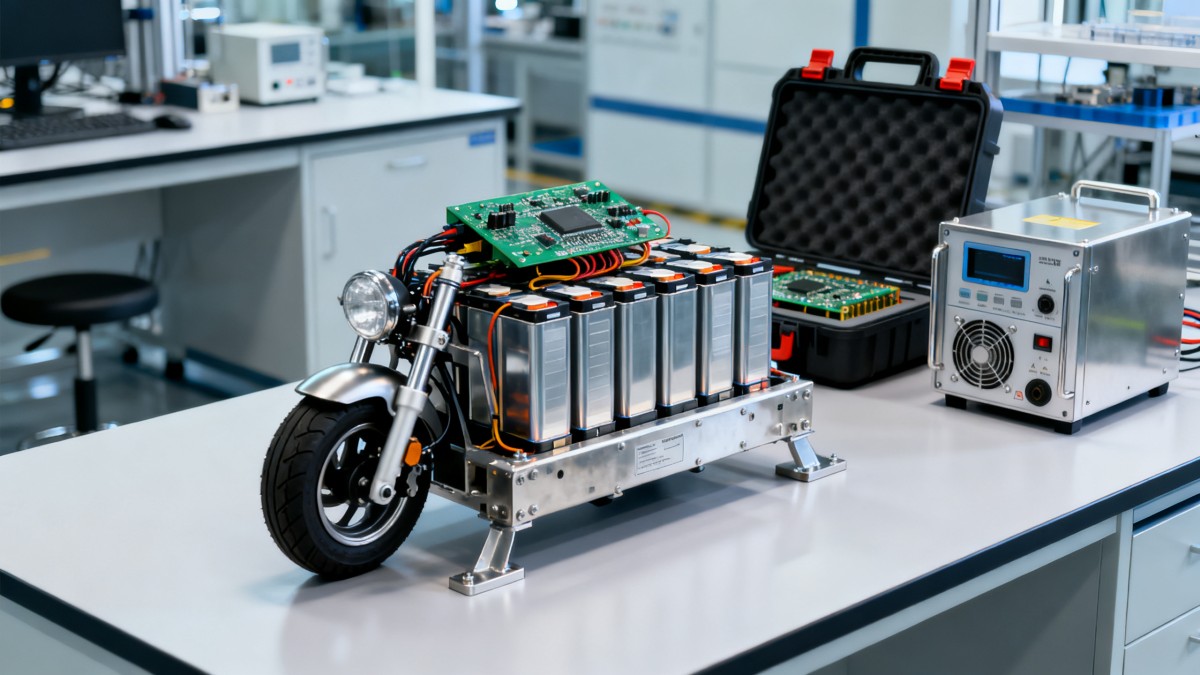
According to the information provided, the consultation concerns four mandatory national standards, including the safety requirements for lithium-ion batteries used in electric motorcycles and electric mopeds. The proposed requirements raise the bar for battery module protection levels, thermal runaway interruption, and BMS communication protocols. The same information also indicates that the impact may extend to industrial-use equipment built around similar traction battery systems, including explosion-proof PPE power modules, mobile firefighting and rescue power supplies, and portable inspection equipment power units. Overseas importers are advised to confirm whether battery systems supplied by Chinese partners are compatible with ISO 12405-4 or the latest revised version of UN 38.3.
Where the immediate pressure may appear in the supply chain
Battery-integrated PPE and industrial equipment exporters
From an industry perspective, companies exporting PPE and industrial work equipment with embedded battery modules may face the earliest operational impact because battery interface design, protection architecture, and communication protocols can directly affect whether an existing product configuration remains acceptable for target buyers. The main pressure point is not only the battery cell itself, but the system-level integration between module, BMS, and end equipment.
Importers and overseas procurement teams reviewing Chinese supply
Analysis shows that overseas buyers sourcing from China should pay attention to technical consistency and document readiness. The information provided specifically highlights compatibility checks against ISO 12405-4 or the latest revision of UN 38.3, which means procurement teams may need to verify whether current Chinese suppliers can explain battery system alignment at the interface and transport-compliance level before new orders or repeat contracts move forward.
Manufacturers of mobile power units for specialist use
Manufacturers of mobile firefighting rescue power supplies and portable inspection equipment power units may also be affected because these applications often depend on reliability under demanding operating conditions. If the proposed requirements lead to battery system redesign or interface updates, the effect is likely to show up in specification review, product matching, and customer acceptance discussions rather than in battery procurement alone.
What companies should monitor now
Track how the official wording evolves
What deserves closer attention is the final regulatory language after consultation. At this stage, the known fact is that public comments have been opened and that stricter requirements are proposed in several safety and communication areas. Companies should avoid treating every proposed provision as a final compliance outcome, while still preparing for the possibility that battery interfaces and system architecture may need adjustment.
Check whether product lines share the same battery platform
For exporters with multiple battery-powered product categories, a practical focus is whether the same or similar battery systems are used across PPE power modules, rescue equipment, and portable detection devices. If they are, one standards-related change may affect several SKUs, technical files, and customer commitments at once.
Prepare supplier-side technical confirmations early
Analysis shows that supplier communication should move beyond general compliance statements. Importers and exporters may need clearer confirmation on battery module protection, thermal runaway interruption design, BMS communication protocol details, and the status of compatibility with ISO 12405-4 or the latest revised UN 38.3 requirements where relevant to the transaction.
Review delivery and customer communication risks
If battery interface updates become necessary, the first business effects may appear in specification alignment, lead-time discussions, and after-sales documentation rather than in market access decisions alone. For that reason, companies should prepare internal checklists for customer questions, supplier declarations, and product configuration changes.
Why this looks more like a standards signal than a final market result
Observably, this development is better understood as an important regulatory and technical signal rather than a completed compliance event. The consultation already indicates the direction of tighter safety and communication expectations for lithium battery systems used in and around mobility-related equipment. At the same time, the information provided does not confirm the final text, the final implementation timetable, or specific enforcement outcomes. That is why the industry should treat this as a live development that merits continued monitoring.
How to read the current development
At this point, the industry significance lies in the breadth of possible spillover from an e-motorcycle battery standard to adjacent industrial battery applications using similar system logic. A neutral reading is that companies should neither dismiss the consultation as limited to vehicle makers nor assume that every commercial consequence is already fixed. It is more appropriate to understand this as an early but meaningful compliance signal for exporters, buyers, and equipment manufacturers working with battery-powered PPE and industrial tools.
Basis of this article
This article is based on the user-provided news title, event date, and event summary. For this type of development, commonly relevant source categories may include official notices, company disclosures, industry association updates, authoritative media coverage, and standards organization documents. A specific official source link was not provided in the input, so the exact document path still requires follow-up verification. Continued attention should focus on any updated official wording, the final status of the proposed standards, and whether battery system compatibility expectations are clarified further for export-facing suppliers and overseas buyers.
Technical Specifications
- How to Select Electronic Hotel Key Card Locks for Guest Rooms and Staff AreasAuthor :Safety Compliance Lead
- How to Select Lab Instruments for Reliable Chemical Analysis WorkflowsAuthor :Precision Metrology Expert
- How to Size a UPS for Server Rooms: Load, Runtime, and Redundancy FactorsAuthor :Grid Infrastructure Analyst
Expert Insights

Chief Security Architect
Dr. Thorne specializes in the intersection of structural engineering and digital resilience. He has advised three G7 governments on industrial infrastructure security.
Related Analysis
- Sep 17, 2026How to Select Electronic Hotel Key Card Locks for Guest Rooms and Staff AreasAuthor :Safety Compliance Lead
- Sep 16, 2026How to Select Lab Instruments for Reliable Chemical Analysis WorkflowsAuthor :Precision Metrology Expert
- Sep 15, 2026How to Size a UPS for Server Rooms: Load, Runtime, and Redundancy FactorsAuthor :Grid Infrastructure Analyst
Core Sector // 01
Security & Safety
- Can One Supplier Provide Both IEC- and ATEX-Certified Safety Equipment?Author :Safety Compliance Lead

- Are Dual IEC and NEC Safety Certifications Worth the Cost?Author :Safety Compliance Lead

- What Is the Difference Between Class I and Class II PPE?Author :Safety Compliance Lead

- Which Oil and Gas Safety Standards Should Contractors Meet Before Site Mobilization?Author :Safety Compliance Lead

- EU REACH Adds PFAS Cap for PPE WorkwearAuthor :Safety Compliance Lead

- How to Evaluate a Chemical Resistant Suit Supplier for Industrial Safety ProcurementAuthor :Safety Compliance Lead

- EU REACH Sets 50 ppb PFAS Cap for PPE WorkwearAuthor :Safety Compliance Lead

- EU Tightens PFOA Limit for PPE and Industrial Filter MediaAuthor :Safety Compliance Lead