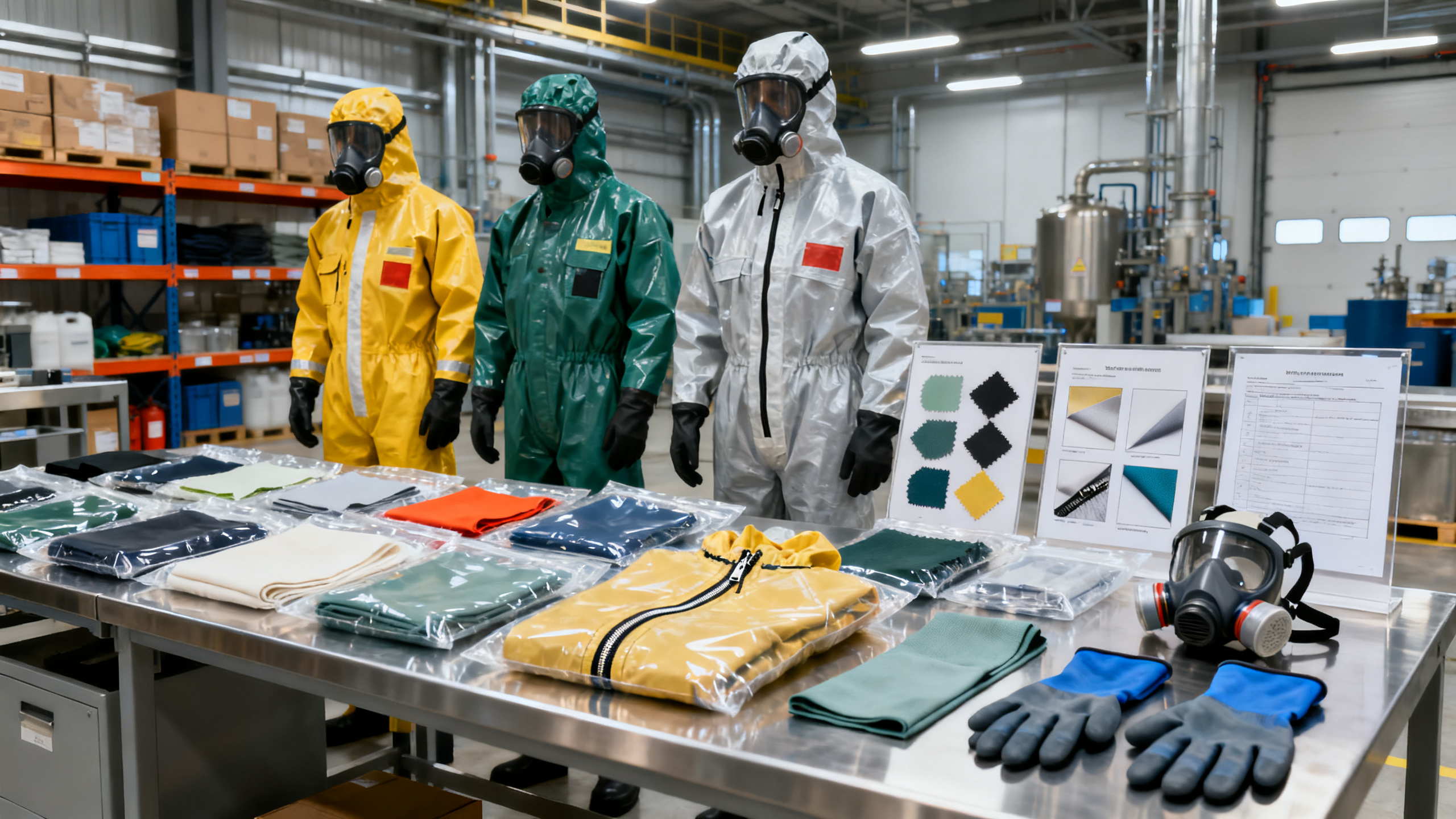
Security & Safety Price Gaps: What Changes the Final Quote?
Author
Date Published
Reading Time
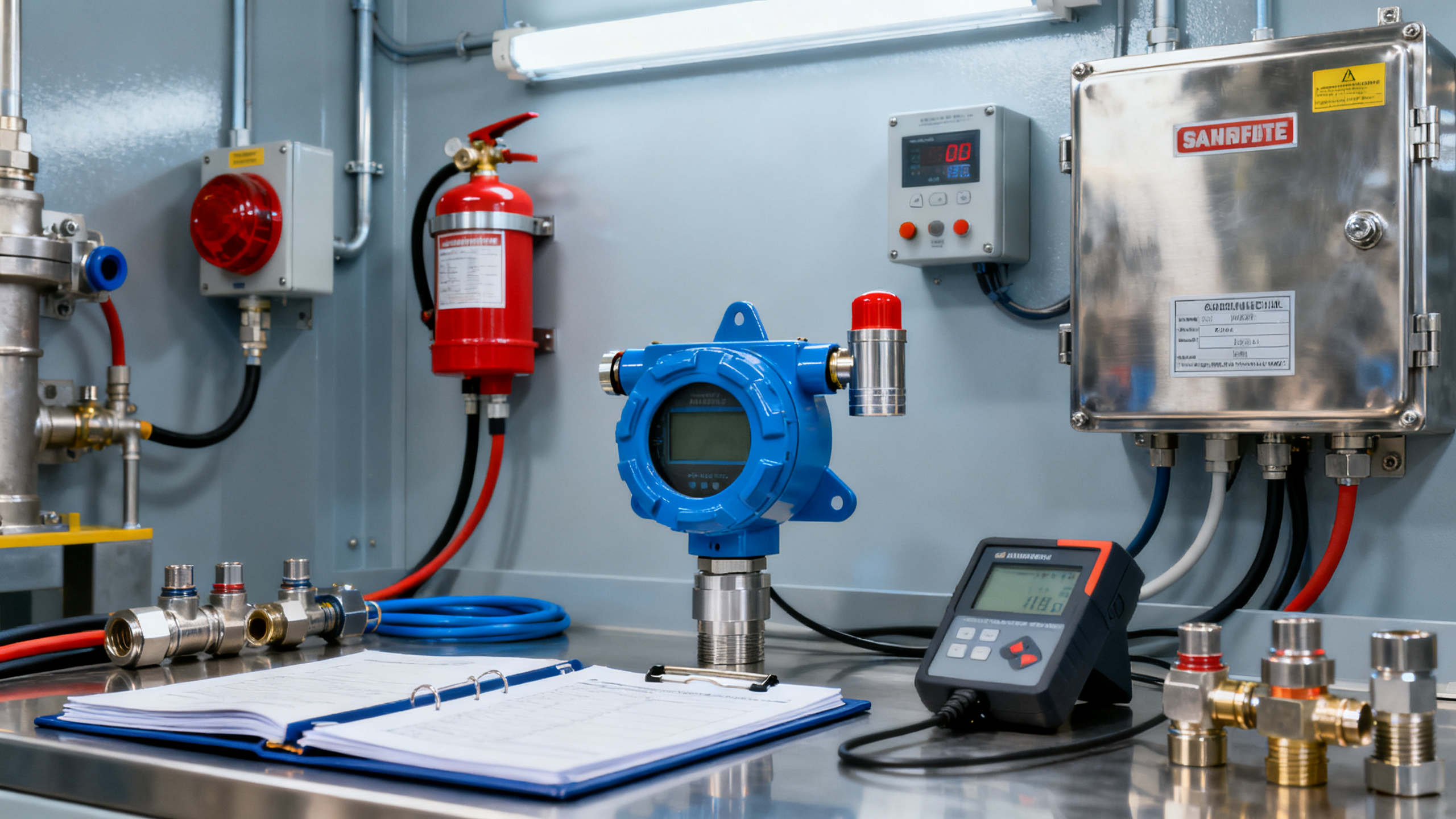
Security & Safety price is rarely defined by product alone. For industrial procurement teams, the final quote is shaped by compliance requirements, certification scope, material grade, operating environment, customization, and supplier reliability. This article explains the key cost drivers behind security and safety sourcing, helping buyers compare offers more accurately, reduce hidden risks, and make procurement decisions that balance budget, performance, and long-term operational safety.
In industrial environments, the gap between two quotes can easily reach 15% to 40% even when product descriptions look similar on paper. That difference usually comes from what is included, what is excluded, and what level of risk each supplier is prepared to carry.
For EPC buyers, plant managers, and procurement directors, evaluating Security & Safety price means looking beyond unit cost. A lower quote may omit certification documents, testing records, corrosion protection, installation accessories, or after-sales response commitments that directly affect site safety and long-term operating cost.
Why Security & Safety Price Varies More Than Buyers Expect
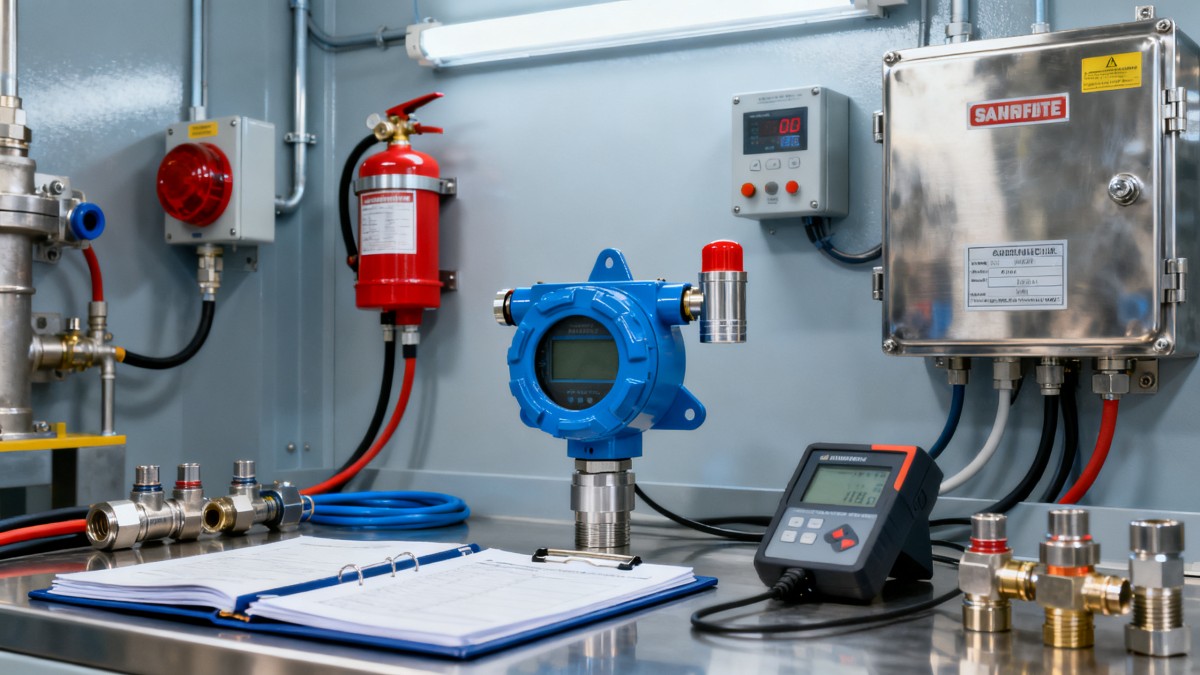
In the security and safety segment, pricing is influenced by more than the core device. Fire detection assemblies, gas monitoring units, emergency shutdown components, access control hardware, safety barriers, and industrial PPE systems all carry cost layers tied to compliance, engineering, and service scope.
A standard indoor safety device for a controlled plant room may require only basic enclosure protection and routine documentation. The same function for offshore, mining, chemical, or high-dust environments may require IP65 to IP67 protection, stainless steel housings, wider temperature tolerance, and more extensive test validation.
The quote is often a package, not a single line item
Many procurement misunderstandings happen because one offer covers only the equipment body while another includes calibration, cable glands, mounting brackets, compliance files, factory acceptance testing, and commissioning support. In practice, a 20% higher offer can be the lower total-cost option over a 3- to 5-year operating period.
Typical hidden inclusions that move the final quote
- Third-party inspection or witness testing before shipment
- Material traceability for critical components
- Redundant power or fail-safe functions
- Hazardous area suitability and sealing upgrades
- Documentation packages for CE, UL, ISO-related compliance workflows
- Spare parts kits for 12 to 24 months of operation
The table below shows common pricing variables that frequently explain Security & Safety price gaps during industrial sourcing.
For buyers comparing bids, the key lesson is simple: quote gaps are usually caused by scope depth. If one supplier is pricing a basic supply package and another is pricing a plant-ready package, the Security & Safety price comparison is not yet aligned.
Compliance requirements can change the cost curve quickly
In industrial safety procurement, compliance is rarely optional. Once a project requires specific marks, documented testing, or customer approval workflows, cost can rise in 3 ways at once: engineering time, component selection, and lead time management.
For example, a supplier delivering to one domestic market may quote within 2 to 3 weeks. The same product with broader documentation, additional validation, or export-oriented certification can move to 4 to 8 weeks, especially when third-party review is involved.
The 6 Main Cost Drivers Procurement Teams Should Check
When reviewing Security & Safety price across multiple vendors, procurement teams should standardize evaluation around 6 major variables. This reduces the risk of approving a low initial quote that later grows through changes, retesting, delayed compliance, or field modification.
1. Certification and documentation depth
A quote backed by full technical files, material declarations, inspection records, and operating manuals often costs more than one with only a commercial datasheet. Yet for regulated facilities, missing documents can delay handover by 7 to 21 days and create re-approval costs that exceed the original savings.
2. Material and enclosure selection
Material grade is one of the fastest drivers of Security & Safety price. Carbon steel may be acceptable in dry indoor settings, while galvanization, aluminum alloy, or 304/316 stainless steel may be needed in humid, corrosive, or washdown conditions. Upgraded enclosure material can raise unit cost by 10% to 35%, but also extend service life significantly.
3. Operating environment and durability rating
Dust, chemicals, salt mist, vibration, and thermal cycling change both component choice and production method. A device rated for sheltered utility areas is not equal to one designed for continuous exposure near process lines or outdoor substations. Environmental mismatch is a frequent cause of early failure within the first 12 to 18 months.
4. Customization and system integration
Customized alarms, panel configurations, communication interfaces, cable entries, mounting methods, or labeling schemes can add engineering hours and small-batch production costs. Even minor customization can add 5% to 15% if drawings, approval loops, and test revisions are required.
5. Lead time and production urgency
Expedited production often carries overtime scheduling, priority component allocation, and premium freight. A 6-week standard lead time compressed to 10 days may change the final quote materially, especially when imported parts or certified components are involved.
6. Supplier capability and service obligations
A supplier with stronger quality systems, application engineering support, pre-shipment checks, and post-installation response will rarely be the cheapest option. However, that premium often reduces site disruption, claim handling time, and replacement risk during the first year of service.
A practical review checklist for RFQ comparison
- Confirm whether certification is included or only declared as possible.
- Check exact housing, seal, and hardware materials.
- Verify temperature, dust, moisture, and vibration suitability.
- Review what accessories are included in the base price.
- Ask whether drawings and testing are standard or chargeable extras.
- Clarify response time for defects, spares, and technical support.
The table below helps procurement teams translate these variables into a more disciplined buying decision.
A structured RFQ review often reveals that the lowest visible Security & Safety price is not the lowest procurement risk. Buyers should normalize scope before negotiating unit rates.
How to Compare Quotes Without Missing Hidden Risk
Procurement teams often receive 3 to 5 offers that appear comparable but differ in technical assumptions. A reliable comparison method should break each quote into compliance, hardware, support, and delivery blocks rather than evaluating only the total amount.
Normalize technical scope first
Before price negotiation begins, create a line-by-line comparison sheet. Include enclosure rating, operating temperature, material grade, certifications, accessory package, warranty term, and test documents. This usually reduces ambiguity within 1 review cycle and prevents misalignment later in the project.
Look at installed cost, not just purchase cost
A lower upfront Security & Safety price can become more expensive if it needs field modification, extra sealing, re-cabling, or replacement mounting hardware. Installed cost should include labor hours, commissioning delay, inspection effort, and spare inventory exposure.
Warning signs during quote evaluation
- Broad statements such as “certification available on request” with no listed scope
- Unclear lead times for key parts or imported assemblies
- Missing detail on temperature range, ingress rating, or corrosion resistance
- No breakdown of testing, documentation, or commissioning support
- Warranty terms that do not define response time or replacement method
Procurement accuracy improves when buyers ask suppliers to quote in the same format. A consistent template can cut evaluation time by 20% to 30% and make negotiation more objective.
Procurement Strategies to Control Security & Safety Price
The goal is not to force the lowest quote. The goal is to secure compliant, durable, and supportable equipment at the right cost level for the application. In industrial safety sourcing, disciplined specification management is often more effective than aggressive last-minute bargaining.
Separate must-have requirements from preferred features
Buyers should divide requirements into 2 groups: mandatory and optional. Mandatory items may include certification scope, ingress protection, material compatibility, and operating temperature. Optional items may include branding, color coding, packaging format, or extended accessory kits. This helps reduce over-specification that can inflate Security & Safety price by 8% to 20%.
Use phased sourcing for complex projects
For multi-site or high-volume procurement, consider a 3-stage model: technical validation, pilot batch, then scaled release. This approach can identify fit issues early, reduce rework, and improve forecast accuracy before the largest spend is committed.
Negotiate around total package value
Suppliers may have limited room to reduce component cost but more flexibility in packaging, spares, documentation bundles, training hours, or freight terms. In many cases, value optimization is easier than simple unit-price reduction.
Where buyers often gain practical savings
- Consolidating accessory and spare parts lists into the main order
- Standardizing 1 enclosure material across similar operating zones
- Reducing unnecessary customization on labels or mounting details
- Aligning delivery windows to avoid premium expediting charges
- Requesting multi-year support terms during initial negotiation
For organizations managing global industrial projects, a stable supplier with documented technical depth often protects project performance better than a low-cost source with inconsistent execution.
Choosing a Supplier That Supports Long-Term Safety Outcomes
The right supplier should help procurement teams lower uncertainty, not just lower line-item price. In security and safety sourcing, repeatability matters. Consistent documentation, predictable lead times, and responsive engineering support can protect plant uptime and simplify future expansions.
Questions worth asking before final award
Ask how the supplier handles revisions, non-conformance reports, and spare parts continuity. Ask whether technical support is available during commissioning and whether replacement parts can be supplied within 48 to 72 hours for critical applications. These details often matter more than a small initial price difference.
Why industrial buyers need a sourcing partner, not only a vendor
Industrial procurement is increasingly cross-functional, involving operations, engineering, HSE, and finance. A supplier or intelligence partner that understands these priorities can help buyers specify correctly, compare fairly, and avoid expensive omissions in the final Security & Safety price evaluation.
For procurement professionals navigating complex security and safety sourcing, the best quote is the one that matches site conditions, compliance obligations, service expectations, and lifecycle goals. If you need support evaluating suppliers, aligning technical scope, or building a more reliable sourcing strategy, connect with Global Industrial Core to get tailored guidance, compare options with greater confidence, and explore solutions built for industrial-grade performance.
Technical Specifications
- How to Select Electronic Hotel Key Card Locks for Guest Rooms and Staff AreasAuthor :Safety Compliance Lead
- How to Select Lab Instruments for Reliable Chemical Analysis WorkflowsAuthor :Precision Metrology Expert
- How to Size a UPS for Server Rooms: Load, Runtime, and Redundancy FactorsAuthor :Grid Infrastructure Analyst
Expert Insights

Chief Security Architect
Dr. Thorne specializes in the intersection of structural engineering and digital resilience. He has advised three G7 governments on industrial infrastructure security.
Related Analysis
- Sep 17, 2026How to Select Electronic Hotel Key Card Locks for Guest Rooms and Staff AreasAuthor :Safety Compliance Lead
- Sep 16, 2026How to Select Lab Instruments for Reliable Chemical Analysis WorkflowsAuthor :Precision Metrology Expert
- Sep 15, 2026How to Size a UPS for Server Rooms: Load, Runtime, and Redundancy FactorsAuthor :Grid Infrastructure Analyst
Core Sector // 01
Security & Safety
- Can One Supplier Provide Both IEC- and ATEX-Certified Safety Equipment?Author :Safety Compliance Lead

- Are Dual IEC and NEC Safety Certifications Worth the Cost?Author :Safety Compliance Lead

- What Is the Difference Between Class I and Class II PPE?Author :Safety Compliance Lead

- Which Oil and Gas Safety Standards Should Contractors Meet Before Site Mobilization?Author :Safety Compliance Lead

- EU REACH Adds PFAS Cap for PPE WorkwearAuthor :Safety Compliance Lead

- How to Evaluate a Chemical Resistant Suit Supplier for Industrial Safety ProcurementAuthor :Safety Compliance Lead

- EU REACH Sets 50 ppb PFAS Cap for PPE WorkwearAuthor :Safety Compliance Lead

- EU Tightens PFOA Limit for PPE and Industrial Filter MediaAuthor :Safety Compliance Lead