Safety Equipment Solutions for Industrial Sites: What to Include in a Risk-Based Setup
Author
Date Published
Reading Time

Industrial risk does not come from one source, and neither should protection. For quality control teams and safety managers, effective safety equipment solutions must be built around site-specific hazards, compliance obligations, operating conditions, and worker behavior. A risk-based setup helps prioritize what matters most—from PPE and machine guarding to gas detection, emergency response, and verification systems—so every investment supports measurable risk reduction. This guide outlines what industrial sites should include when designing a practical, compliant, and resilient safety equipment framework.
In heavy industry, a single site may combine rotating machinery, energized panels, pressurized lines, chemical exposure, confined spaces, and vehicle movement within 1 operating shift.
That complexity makes generic purchasing risky. Safety managers need equipment choices that match hazard severity, inspection frequency, operator skill, and production continuity requirements.
Start with a Risk Map Before Selecting Equipment

Risk-based safety equipment solutions begin with a documented map of tasks, hazards, exposure groups, and failure modes across each production area.
A practical risk map usually separates hazards into 4 levels: routine exposure, controlled exposure, high-energy exposure, and emergency-only exposure.
Define Hazard Categories and Control Priorities
Quality control and safety teams should review incident records, near-miss reports, job safety analyses, maintenance logs, and abnormal operating conditions.
For most industrial sites, the first assessment cycle covers 6 core categories: mechanical, electrical, chemical, thermal, atmospheric, and ergonomic risks.
- Identify routine tasks performed daily, weekly, monthly, and during shutdown periods.
- Rank exposure by likelihood, severity, number of workers, and duration per shift.
- Connect each risk to engineering controls, administrative controls, PPE, and verification tools.
- Assign inspection intervals, owner responsibility, and corrective action deadlines.
Match Equipment to Risk, Not Department Preference
One department may request gloves, another may request sensors, while maintenance asks for lockout hardware. The risk map aligns these needs.
This approach prevents overbuying low-impact items while underfunding critical safeguards such as machine interlocks, gas detection, or arc-flash protection.
The following matrix helps translate common industrial risks into appropriate safety equipment solutions and control priorities for procurement planning.
The key conclusion is simple: safety equipment solutions should follow exposure ranking. High-energy and low-detection hazards deserve earlier budget allocation.
Core Components of Industrial Safety Equipment Solutions
A resilient setup combines physical protection, detection, communication, response readiness, and proof of compliance across 5 connected layers.
Procurement teams should evaluate each layer for compatibility with standards such as CE, UL, ISO, IEC, OSHA-aligned practices, and local regulations.
1. Personal Protective Equipment for Task-Level Exposure
PPE remains essential, but it should not compensate for weak engineering controls. It protects workers when residual risk remains after controls.
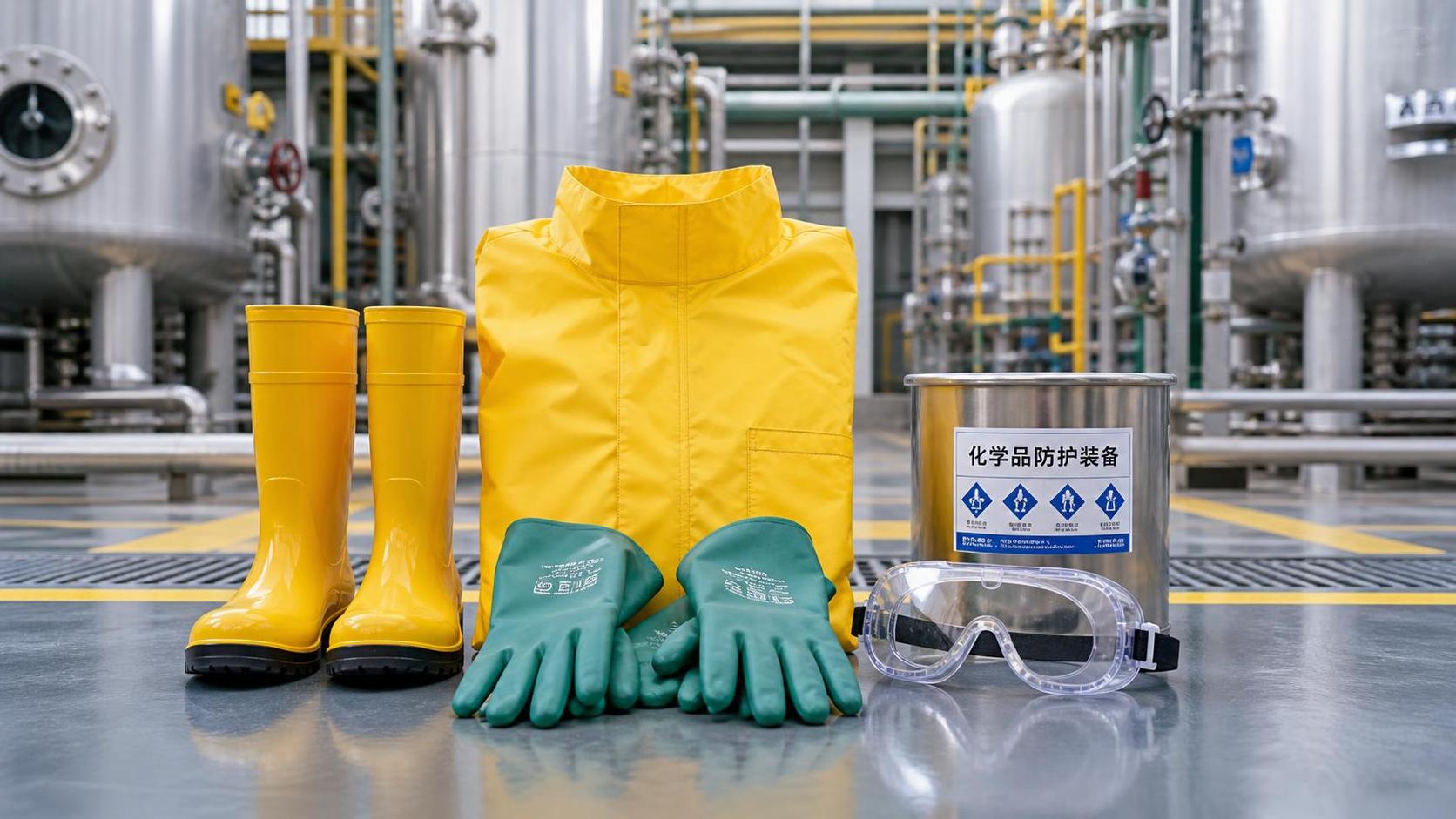
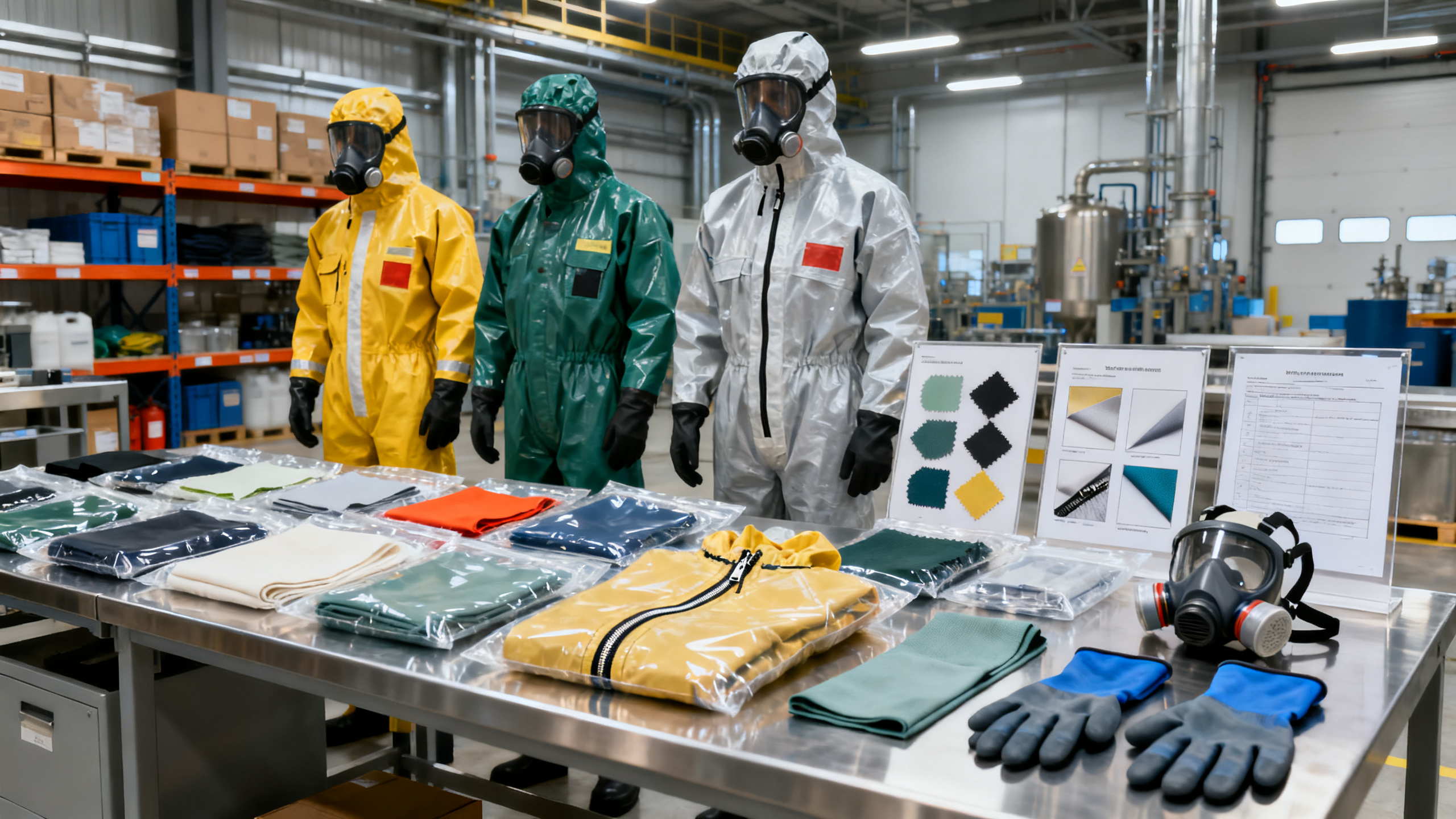
Typical industrial PPE includes helmets, impact-rated eyewear, hearing protection, respiratory equipment, gloves, safety footwear, fall arrest gear, and chemical suits.
Selection factors for PPE
- Protection rating, including cut level, arc rating, filtration class, or chemical breakthrough time.
- Fit and comfort for 8–12 hour shifts, especially in hot or humid areas.
- Compatibility between helmets, visors, respirators, hearing protection, and communication devices.
- Traceability by lot number, inspection record, replacement interval, and user assignment.
2. Machine Guarding and Energy Isolation
Machine protection requires fixed guards, adjustable guards, light curtains, interlocked doors, emergency stops, and safe access points for maintenance.
For energy isolation, lockout/tagout stations should include padlocks, hasps, tags, breaker locks, valve covers, and written procedures for each asset.
High-risk equipment normally needs a verified isolation checklist with at least 3 steps: shut down, isolate, and test for zero energy.
3. Detection, Alarm, and Monitoring Systems
Detection equipment closes the gap between invisible hazards and worker awareness. This is critical for gas, dust, heat, vibration, and electrical faults.
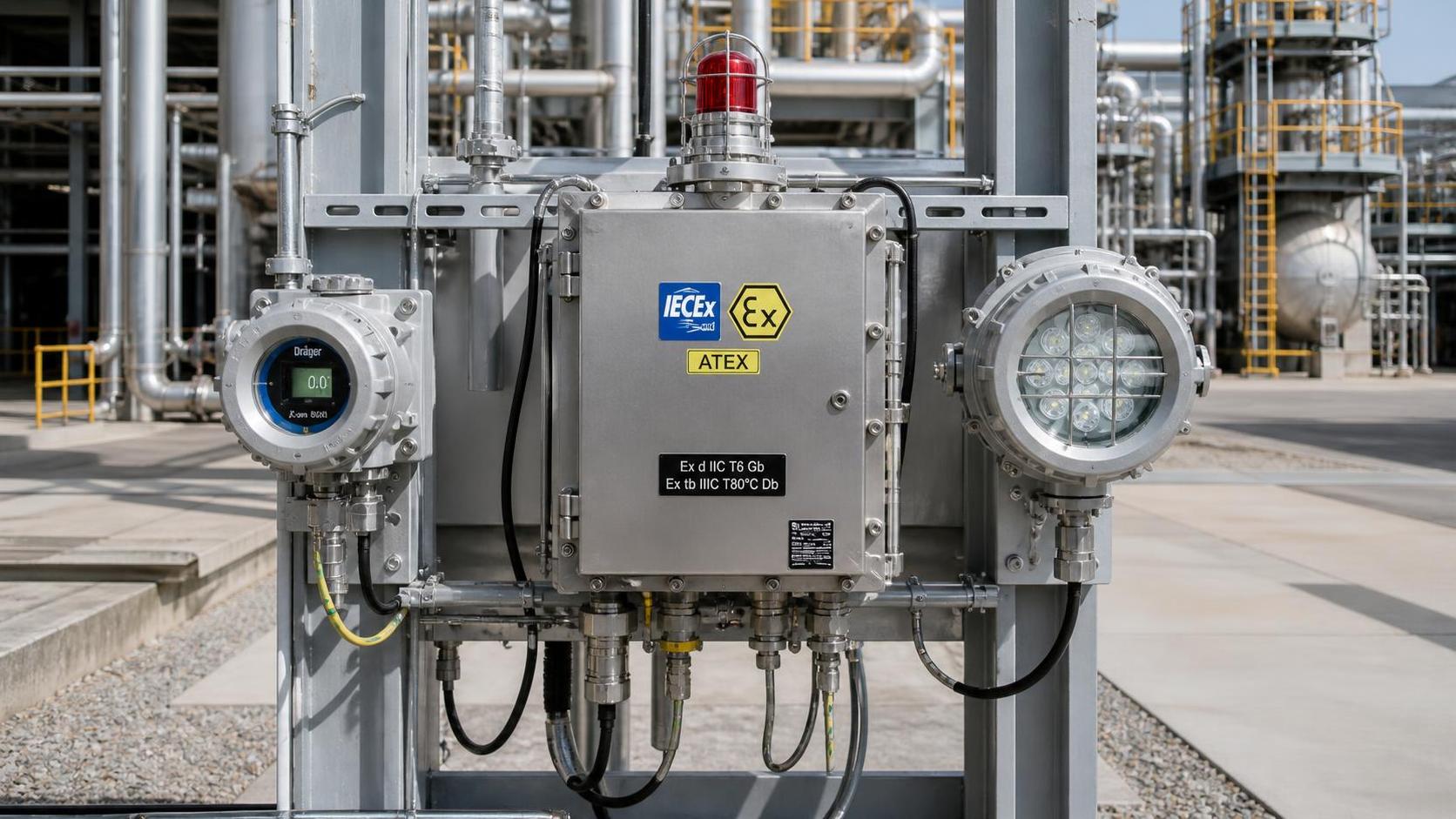
Common configurations include 4-gas portable detectors, fixed gas panels, flame detection, noise dosimeters, thermal cameras, and environmental monitoring stations.
4. Emergency Response and Evacuation Readiness
Emergency equipment should be placed according to travel distance, hazard density, and likely response time, not convenience alone.
A complete plan may include eyewash stations, safety showers, spill kits, fire extinguishers, AEDs, stretchers, rescue breathing equipment, and muster-point signage.
Many facilities set inspection intervals at weekly visual checks, monthly function checks, and annual third-party servicing where regulations require it.
Compliance, Standards, and Procurement Criteria
Industrial safety equipment solutions must satisfy both technical performance and audit expectations. A product that cannot be verified may fail procurement review.
Safety managers should request certificates, test reports, declarations of conformity, manuals, maintenance instructions, and lifecycle limits before issuing purchase approval.
Use Standards as Acceptance Criteria
Different regions require different frameworks, but the procurement logic is similar: define risk, select applicable standards, then verify documented conformity.
For multi-country EPC projects, acceptance criteria should be locked before tender release, ideally within the first 2–4 weeks of specification planning.
The table below summarizes procurement checks that help QC teams screen suppliers and avoid nonconforming safety equipment solutions.
The strongest procurement decisions balance compliance proof with field usability. Low-cost equipment can become expensive when calibration, downtime, or rejection occurs.
Avoid Common Specification Gaps
Many projects fail at the specification stage because requirements are copied from old sites without confirming current hazards or regulations.
Other gaps include missing spare-part plans, inconsistent PPE sizing, unclear alarm thresholds, no calibration ownership, and absent documentation for subcontractor use.
- Define the hazard and operating environment before naming a product category.
- State the required standard, rating, or performance threshold in the RFQ.
- Require documentation in the project language used by operators and inspectors.
- Confirm maintenance tools, consumables, and replacement parts are available locally.
Implementation Workflow for Safety Managers and QC Teams
A risk-based framework becomes effective only when implementation is controlled. Equipment must be installed, tested, trained, and inspected consistently.
For medium-size facilities, a practical rollout often runs in 5 phases across 30–90 days, depending on site complexity.
Phase 1: Site Survey and Gap Analysis
Begin with a walkdown of production areas, utilities, warehouses, laboratories, workshops, loading bays, and confined-space entries.
The output should include a risk register, equipment inventory, missing controls list, and priority ranking from critical to low urgency.
Phase 2: Specification and Supplier Screening
Convert the risk register into technical specifications. Include ratings, materials, operating limits, documentation needs, and inspection acceptance criteria.
Supplier screening should cover 4 dimensions: compliance evidence, manufacturing consistency, after-sales support, and ability to support repeatable delivery.
Phase 3: Pilot Testing and Worker Feedback
Before full deployment, test high-use items with operators, maintenance technicians, and emergency responders for 2–6 weeks.
Feedback should check comfort, false alarms, visibility, fit, label clarity, battery performance, and whether tools interfere with safe task execution.
Phase 4: Training, Documentation, and Handover
Training must be equipment-specific. A general toolbox talk rarely covers calibration, donning, limitations, inspection rejection criteria, and emergency use.
Each handover package should include user instructions, inspection forms, maintenance schedules, certificates, spare-part lists, and escalation contacts.
Phase 5: Inspection and Continuous Improvement
After deployment, inspection frequency should reflect risk. Critical detection devices may need daily checks, while fixed signage may be reviewed quarterly.
Near-miss trends, audit findings, equipment damage, and worker feedback should drive updates at least every 6–12 months.
Lifecycle Management and Maintenance Discipline
Even well-selected safety equipment solutions lose value when maintenance is inconsistent. Calibration drift, worn PPE, blocked showers, and missing tags reduce protection.
Lifecycle planning should be built into the purchasing decision, not added after commissioning or after the first audit finding.
Create a Controlled Inspection Schedule
Inspection intervals vary by hazard, manufacturer instructions, and local rules, but high-risk equipment needs clear ownership and proof of completion.
- Portable gas detectors: bump test before use and full calibration at defined intervals.
- Fall protection harnesses: pre-use visual check and formal inspection every 6–12 months.
- Emergency showers and eyewash units: weekly activation check where site policy requires it.
- Fire extinguishers: monthly visual inspection and scheduled maintenance by qualified personnel.
Use Traceability to Strengthen Quality Control
QC teams should track asset codes, serial numbers, inspection dates, calibration certificates, failed items, repair actions, and replacement history.
This creates evidence for audits and helps identify recurring failures, such as one area damaging visors 3 times faster than others.
Maintenance indicators worth monitoring
Useful indicators include overdue inspection rate, spare-part lead time, failed calibration count, PPE replacement frequency, and closure time for corrective actions.
When tracked monthly, these indicators help management see whether safety equipment solutions are reducing risk or simply adding administrative tasks.
Choosing a Strategic Sourcing Partner for Industrial Safety
Industrial buyers need more than catalog access. They need technical clarity, compliance screening, supplier comparison, and alignment with operational risks.
Global Industrial Core supports decision-makers by organizing safety, instrumentation, power, environmental, and mechanical intelligence into procurement-ready insight.
What Decision-Makers Should Request
Before committing to a safety equipment package, request a risk-based bill of materials, standards mapping, datasheet review, and maintenance responsibility matrix.
For large EPC or facility upgrade projects, procurement teams should also confirm delivery batches, documentation format, warranty boundaries, and training requirements.
- A site-specific equipment list linked to identified hazards and control hierarchy.
- Comparable options for compliance-critical items, not only the lowest-priced quotation.
- Clear lead times, typically separating stock items, customized signage, and calibrated devices.
- A lifecycle support plan covering inspection, replacement, recalibration, and user training.
Final Guidance for Risk-Based Investment
The best safety equipment solutions are not the largest purchases; they are the ones that remove the most serious uncontrolled risks.
For safety managers, this means linking every item to a hazard, a standard, an inspection routine, and a measurable operational outcome.
For QC teams, it means rejecting vague specifications and demanding traceable evidence, consistent materials, documented test results, and maintainable designs.
A risk-based setup helps industrial sites protect workers, reduce audit exposure, and allocate budget toward controls that perform under real conditions.
If your facility is planning upgrades, expansion, or supplier evaluation, Global Industrial Core can help frame the right safety equipment solutions for your risk profile. Contact us to get a customized solution, review product details, or explore more industrial safety sourcing options.
Technical Specifications
- How to Select Electronic Hotel Key Card Locks for Guest Rooms and Staff AreasAuthor :Safety Compliance Lead
- How to Select Lab Instruments for Reliable Chemical Analysis WorkflowsAuthor :Precision Metrology Expert
- How to Size a UPS for Server Rooms: Load, Runtime, and Redundancy FactorsAuthor :Grid Infrastructure Analyst
Expert Insights

Chief Security Architect
Dr. Thorne specializes in the intersection of structural engineering and digital resilience. He has advised three G7 governments on industrial infrastructure security.
Related Analysis
- Sep 17, 2026How to Select Electronic Hotel Key Card Locks for Guest Rooms and Staff AreasAuthor :Safety Compliance Lead
- Sep 16, 2026How to Select Lab Instruments for Reliable Chemical Analysis WorkflowsAuthor :Precision Metrology Expert
- Sep 15, 2026How to Size a UPS for Server Rooms: Load, Runtime, and Redundancy FactorsAuthor :Grid Infrastructure Analyst
Core Sector // 01
Security & Safety
- Can One Supplier Provide Both IEC- and ATEX-Certified Safety Equipment?Author :Safety Compliance Lead

- Are Dual IEC and NEC Safety Certifications Worth the Cost?Author :Safety Compliance Lead

- What Is the Difference Between Class I and Class II PPE?Author :Safety Compliance Lead

- Which Oil and Gas Safety Standards Should Contractors Meet Before Site Mobilization?Author :Safety Compliance Lead

- EU REACH Adds PFAS Cap for PPE WorkwearAuthor :Safety Compliance Lead

- How to Evaluate a Chemical Resistant Suit Supplier for Industrial Safety ProcurementAuthor :Safety Compliance Lead

- EU REACH Sets 50 ppb PFAS Cap for PPE WorkwearAuthor :Safety Compliance Lead

- EU Tightens PFOA Limit for PPE and Industrial Filter MediaAuthor :Safety Compliance Lead