How to Choose Safety Equipment for High-Risk Industrial Worksites
Author
Date Published
Reading Time
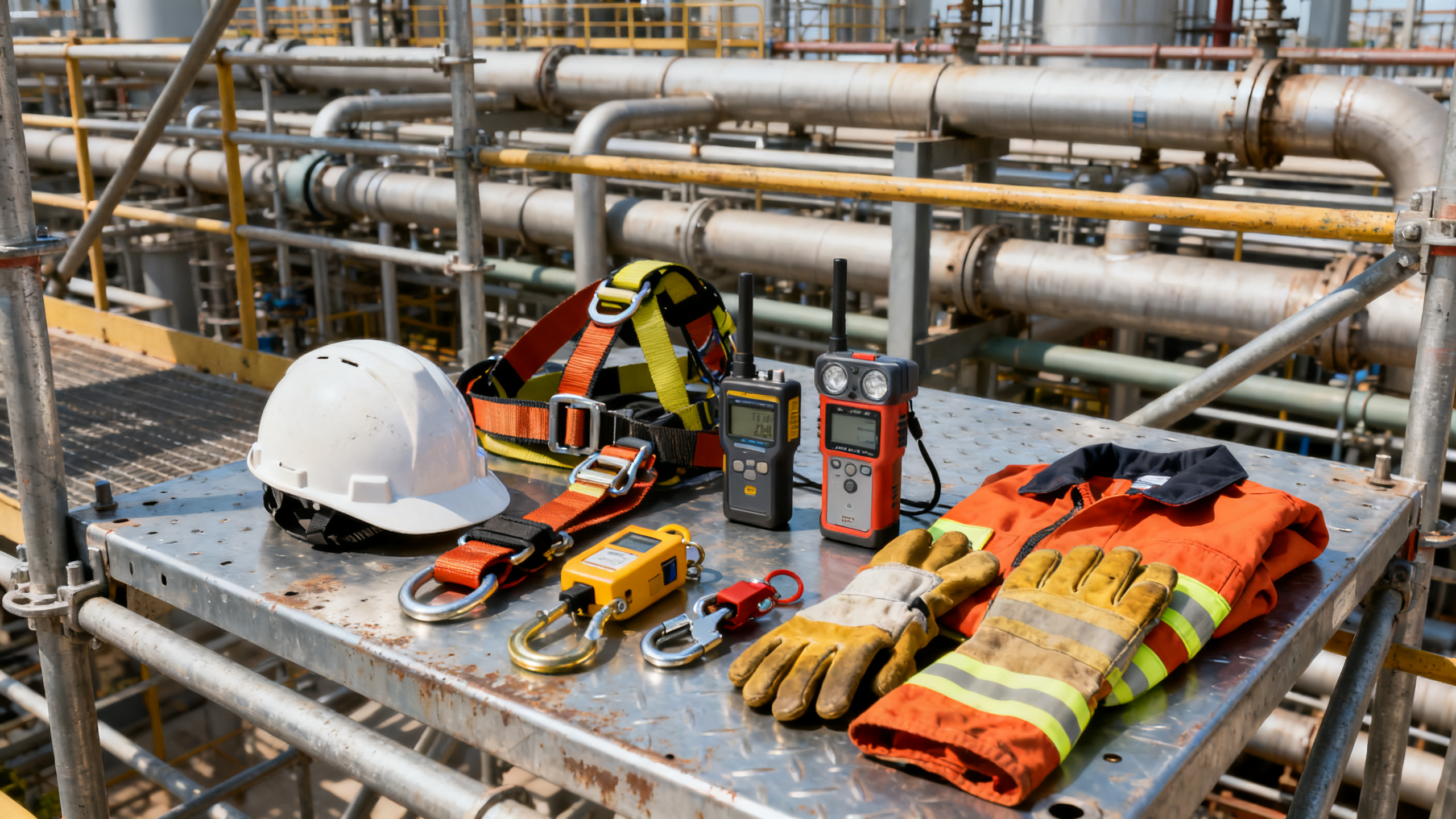
Choosing the right safety equipment for high-risk industrial worksites is not just a procurement task—it is a critical control point for compliance, operational continuity, and worker protection.
Every helmet, harness, gas detector, lockout device, and protective garment must match site-specific hazards, international standards, and real performance demands.
This guide outlines practical evaluation factors for selecting reliable, compliant, and fit-for-purpose safety equipment across complex industrial environments.
Start with the Worksite Scenario Before Selecting Safety Equipment
High-risk worksites differ sharply by process, energy source, atmosphere, elevation, temperature, and exposure duration.
A refinery shutdown, underground utility repair, and steel fabrication line may all require safety equipment, but not the same configuration.
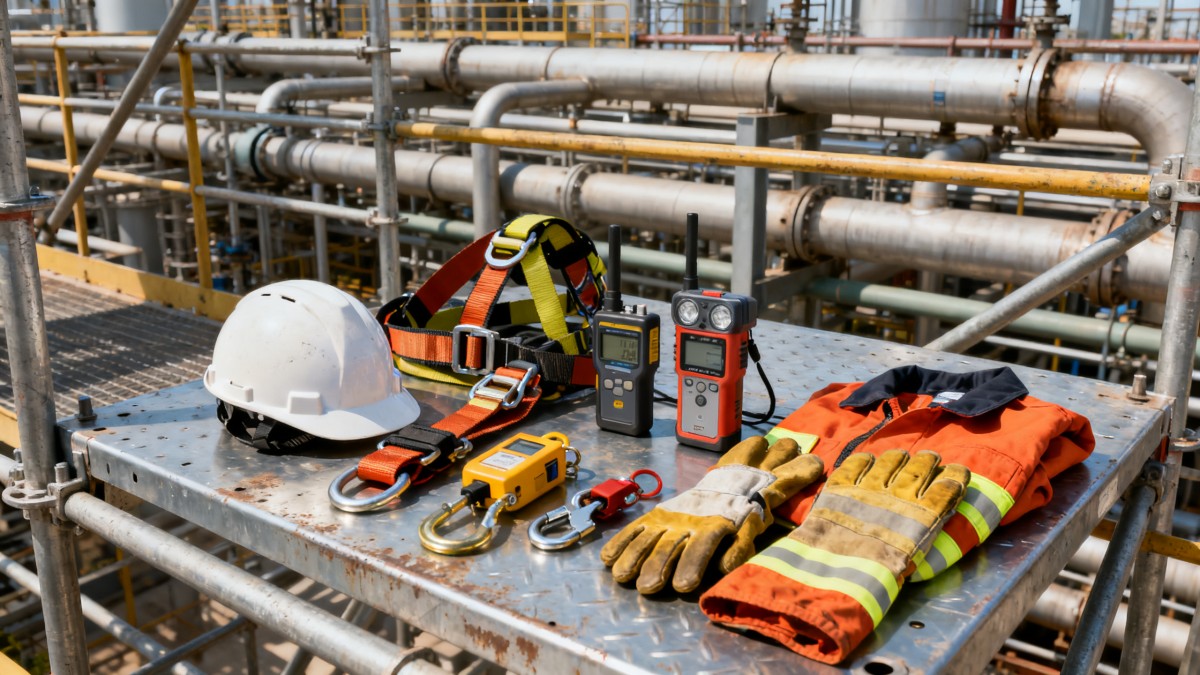
Scenario-based selection prevents two common failures: overspecifying products that slow work, or underspecifying protection that fails under stress.
The first step is a structured hazard profile. Identify exposure type, failure consequence, inspection interval, and required certification.
Effective safety equipment must support the task, not simply satisfy a checklist. Fit, compatibility, and usability determine daily adoption.
Confined Spaces Require Detection, Rescue, and Communication Readiness
Confined spaces create invisible risks, including oxygen deficiency, toxic gases, combustible vapors, and limited escape routes.
For these scenarios, safety equipment should include calibrated multi-gas detectors, intrinsically safe lighting, ventilation systems, and retrieval devices.
Gas detectors should match the known hazard profile. Common sensors include oxygen, hydrogen sulfide, carbon monoxide, and combustible gas channels.
Look for bump-test records, calibration traceability, alarm visibility, and battery endurance across the full shift.
Rescue safety equipment deserves equal attention. Tripods, winches, harnesses, and communication lines must be pre-positioned before entry begins.
Work at Height Demands System Compatibility, Not Isolated Products
Fall protection is a system. A harness alone does not create a safe elevated work environment.
Safety equipment for height work should include anchorage, connectors, lanyards, self-retracting lifelines, rescue kits, and inspection tags.
Assess fall clearance before selecting lanyards. Short platforms, mobile lifts, and scaffold edges may require different energy absorbers.
Harness selection should consider body fit, dorsal D-ring location, tool attachment points, and compatibility with flame-resistant clothing.
Reliable safety equipment also includes rescue planning. Suspension trauma can become critical within minutes after a fall arrest event.
Hot Work and Welding Need Layered Thermal and Respiratory Protection
Hot work combines sparks, radiant heat, fumes, ultraviolet exposure, and fire ignition risk.
Safety equipment in these areas should include welding helmets, flame-resistant garments, gloves, face shields, respirators, and fire blankets.
Garments should be selected by arc flash rating, flame resistance, molten metal splash resistance, and laundering durability.
Respiratory protection depends on base metals, coatings, ventilation, and fume concentration. Disposable masks may be insufficient for heavy welding.
The best safety equipment choices balance heat protection with mobility. Excessive bulk can reduce visibility, dexterity, and compliance.
Electrical and Power Grid Work Requires Certified Arc Flash Control
Electrical environments require safety equipment designed for shock, arc flash, thermal blast, and switching operations.
Core items include insulating gloves, dielectric footwear, arc-rated clothing, face shields, voltage detectors, and lockout devices.
Selection should align with incident energy calculations, approach boundaries, system voltage, and task category.
Insulating gloves require class verification, air testing, dielectric testing, and protection from cuts or chemical contamination.
Lockout safety equipment should be standardized across the facility. Tags, hasps, padlocks, and procedures must prevent accidental re-energization.
Chemical Processing Areas Need Material Resistance and Exposure Mapping
Chemical hazards vary by concentration, contact time, temperature, pressure, and splash probability.
Safety equipment should be matched to the specific substance, not only the hazard symbol printed on a container.
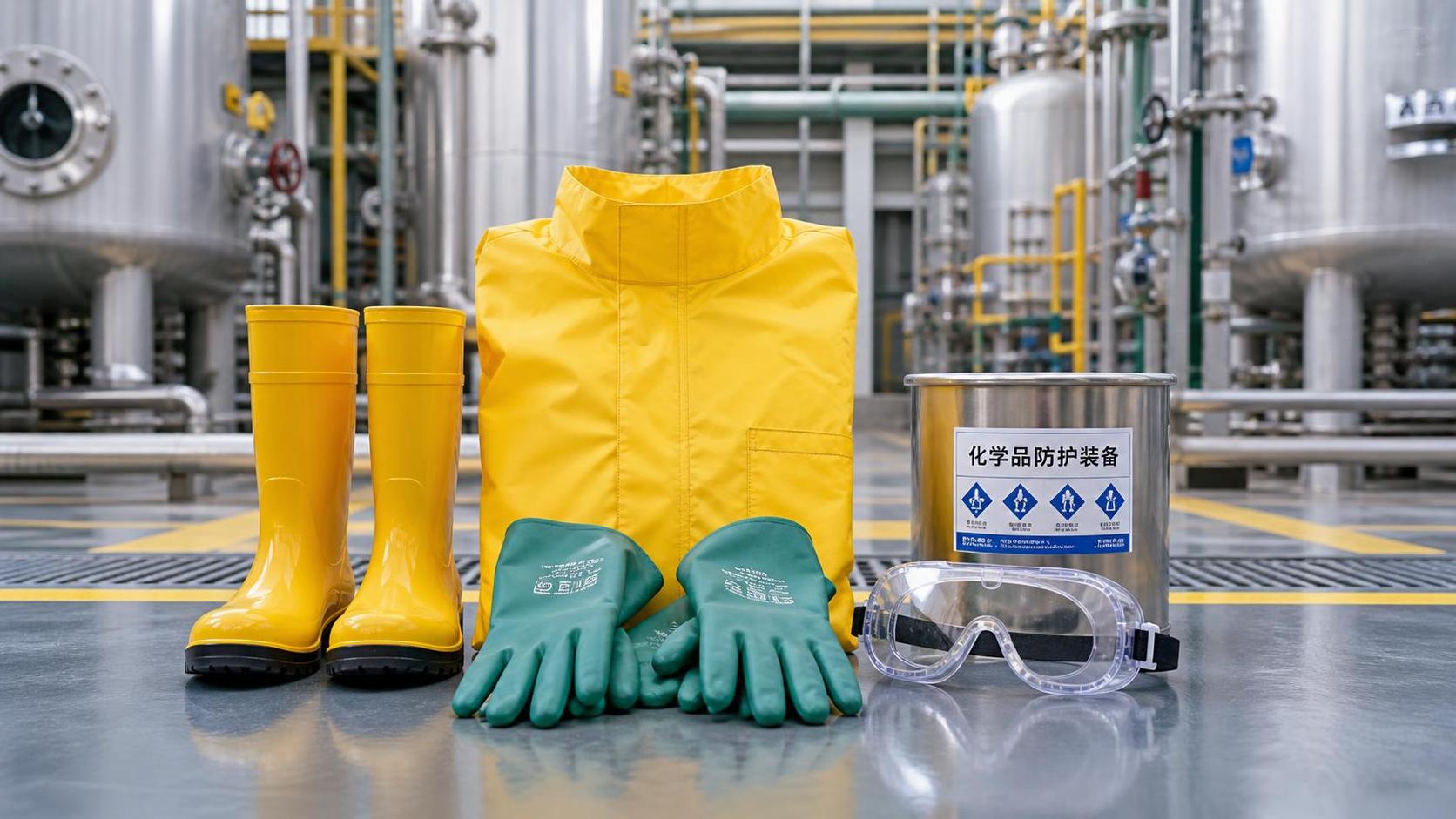
Gloves, suits, goggles, boots, and respirators must be checked against permeation, degradation, and breakthrough data.
Reusable chemical suits require documented cleaning, storage, inspection, and retirement criteria. Contaminated safety equipment can become a secondary hazard.
Emergency showers, eyewash stations, spill kits, and absorbents are part of the same protection ecosystem.
Scenario Differences That Change Safety Equipment Requirements
A single category name rarely defines the right solution. The decision improves when each scenario is compared by exposure and consequence.
This comparison supports a more disciplined safety equipment specification, especially when multiple hazards overlap on one worksite.
How to Evaluate Standards, Certifications, and Traceability
Compliance claims must be verified through applicable standards, test reports, certificates, and product markings.
Common references include CE, ANSI, OSHA, EN, ISO, NFPA, UL, and IEC, depending on region and product type.
Safety equipment should carry clear model numbers, batch identification, expiry dates, and user instructions in the required language.
Traceability matters when incidents, audits, recalls, or insurance reviews occur. Missing documentation can undermine an otherwise strong safety program.
For imported safety equipment, confirm that certification scope matches the exact model, material, rating, and intended application.
Fit, Ergonomics, and Worker Behavior Affect Real Protection
Even certified safety equipment can fail when it is uncomfortable, incompatible, or difficult to use under pressure.
Fit testing is essential for respirators. Poor seals can expose users to hazardous particulates, gases, or vapors.
Eye and face protection should work with helmets, hearing protection, respirators, and prescription eyewear.
Glove selection should balance cut resistance, chemical resistance, grip, tactility, and temperature performance.
The right safety equipment reduces fatigue and task interference. That increases correct use during long shifts and emergency conditions.
Scenario-Based Selection Checklist for High-Risk Sites
Use a practical checklist before finalizing safety equipment for any high-risk industrial operation.
- Define the exact task, exposure duration, and work location.
- Identify foreseeable abnormal conditions, including leaks, loss of power, or weather shifts.
- Match safety equipment ratings to the highest credible exposure.
- Verify certification documents, markings, and batch traceability.
- Check compatibility between PPE, tools, instruments, and communication devices.
- Confirm inspection, cleaning, calibration, and storage procedures.
- Run field trials before large-scale deployment.
This process turns safety equipment selection into an evidence-based decision, rather than a catalog comparison.
Common Misjudgments When Choosing Safety Equipment
One frequent mistake is buying by category name alone. “Chemical glove” or “fall harness” is not enough specification.
Another error is ignoring the environment. Heat, dust, moisture, vibration, and corrosive atmospheres shorten service life.
Some sites overlook maintenance burden. Gas detectors, respirators, eyewash stations, and insulating gloves require scheduled verification.
Cost-only decisions can also increase total risk. Low-grade safety equipment may fail inspection, require frequent replacement, or reduce productivity.
The strongest approach compares lifecycle cost, compliance certainty, supplier documentation, and field reliability.
Build a Resilient Safety Equipment Procurement Framework
High-risk worksites need a repeatable framework that links hazard assessment, standards, supplier validation, and post-deployment monitoring.
Global Industrial Core emphasizes data-driven sourcing, technical documentation, and evidence-based comparison for foundational industrial systems.
Before approving safety equipment, review certificates, test data, inspection requirements, and compatibility with existing site procedures.
Request samples for critical applications. Field validation often reveals fit, durability, visibility, and maintenance issues not shown in datasheets.
For complex operations, document a scenario-by-scenario safety equipment matrix. Update it when processes, chemicals, energy sources, or regulations change.
The next step is straightforward: map each high-risk task, confirm applicable standards, shortlist verified products, and test them under realistic conditions.
With disciplined selection, safety equipment becomes more than protective gear. It becomes a measurable foundation for compliance, uptime, and industrial resilience.
Technical Specifications
- How to Select Electronic Hotel Key Card Locks for Guest Rooms and Staff AreasAuthor :Safety Compliance Lead
- How to Select Lab Instruments for Reliable Chemical Analysis WorkflowsAuthor :Precision Metrology Expert
- How to Size a UPS for Server Rooms: Load, Runtime, and Redundancy FactorsAuthor :Grid Infrastructure Analyst
Expert Insights

Chief Security Architect
Dr. Thorne specializes in the intersection of structural engineering and digital resilience. He has advised three G7 governments on industrial infrastructure security.
Related Analysis
- Sep 17, 2026How to Select Electronic Hotel Key Card Locks for Guest Rooms and Staff AreasAuthor :Safety Compliance Lead
- Sep 16, 2026How to Select Lab Instruments for Reliable Chemical Analysis WorkflowsAuthor :Precision Metrology Expert
- Sep 15, 2026How to Size a UPS for Server Rooms: Load, Runtime, and Redundancy FactorsAuthor :Grid Infrastructure Analyst
Core Sector // 01
Security & Safety
- Can One Supplier Provide Both IEC- and ATEX-Certified Safety Equipment?Author :Safety Compliance Lead

- Are Dual IEC and NEC Safety Certifications Worth the Cost?Author :Safety Compliance Lead

- What Is the Difference Between Class I and Class II PPE?Author :Safety Compliance Lead

- Which Oil and Gas Safety Standards Should Contractors Meet Before Site Mobilization?Author :Safety Compliance Lead

- EU REACH Adds PFAS Cap for PPE WorkwearAuthor :Safety Compliance Lead

- How to Evaluate a Chemical Resistant Suit Supplier for Industrial Safety ProcurementAuthor :Safety Compliance Lead

- EU REACH Sets 50 ppb PFAS Cap for PPE WorkwearAuthor :Safety Compliance Lead

- EU Tightens PFOA Limit for PPE and Industrial Filter MediaAuthor :Safety Compliance Lead