Choosing a LOTO device OEM starts with three checks: equipment compatibility, documented manufacturing controls, and order terms that match your actual consumption across sites.
Unit price matters, but incompatible lockouts, inconsistent materials, or uncontrolled design changes can create costs that outweigh savings and undermine hazardous energy control procedures.
Procurement teams should qualify the product and production process before negotiating volume discounts, then assess customization costs, minimum order quantities, and replenishment reliability together.
This guide explains what evidence to request, how to evaluate samples, and which commercial terms help buyers select a supplier with greater confidence.
What Must a LOTO Device OEM Prove Before You Discuss Price?
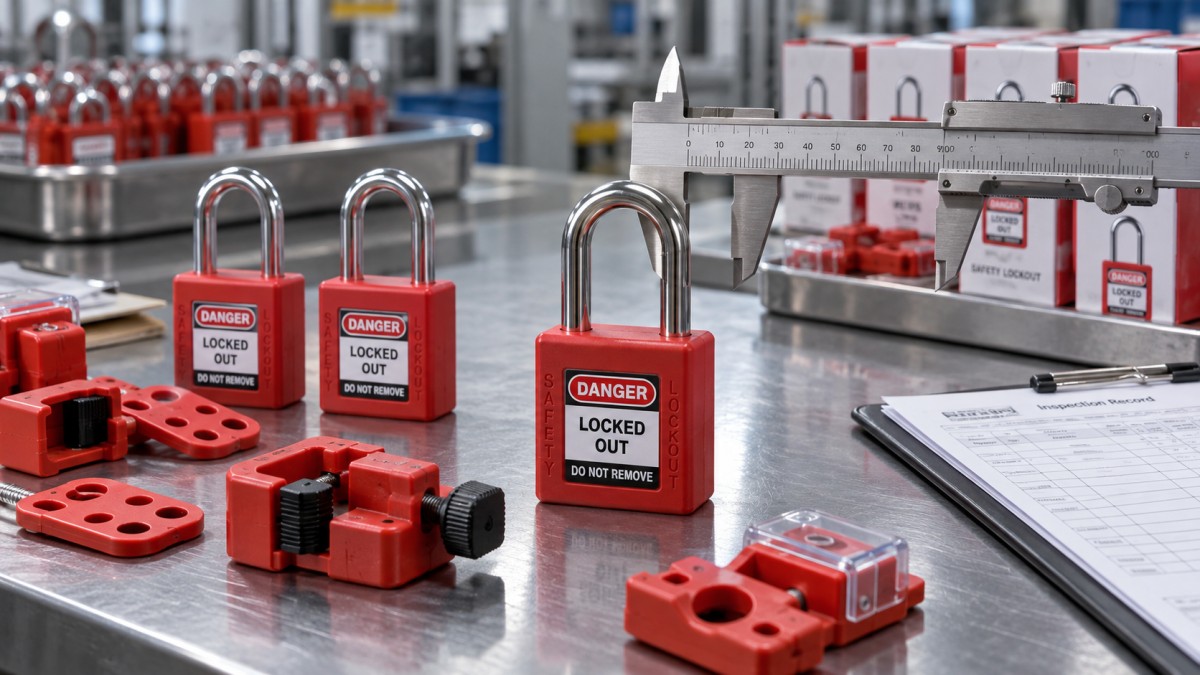
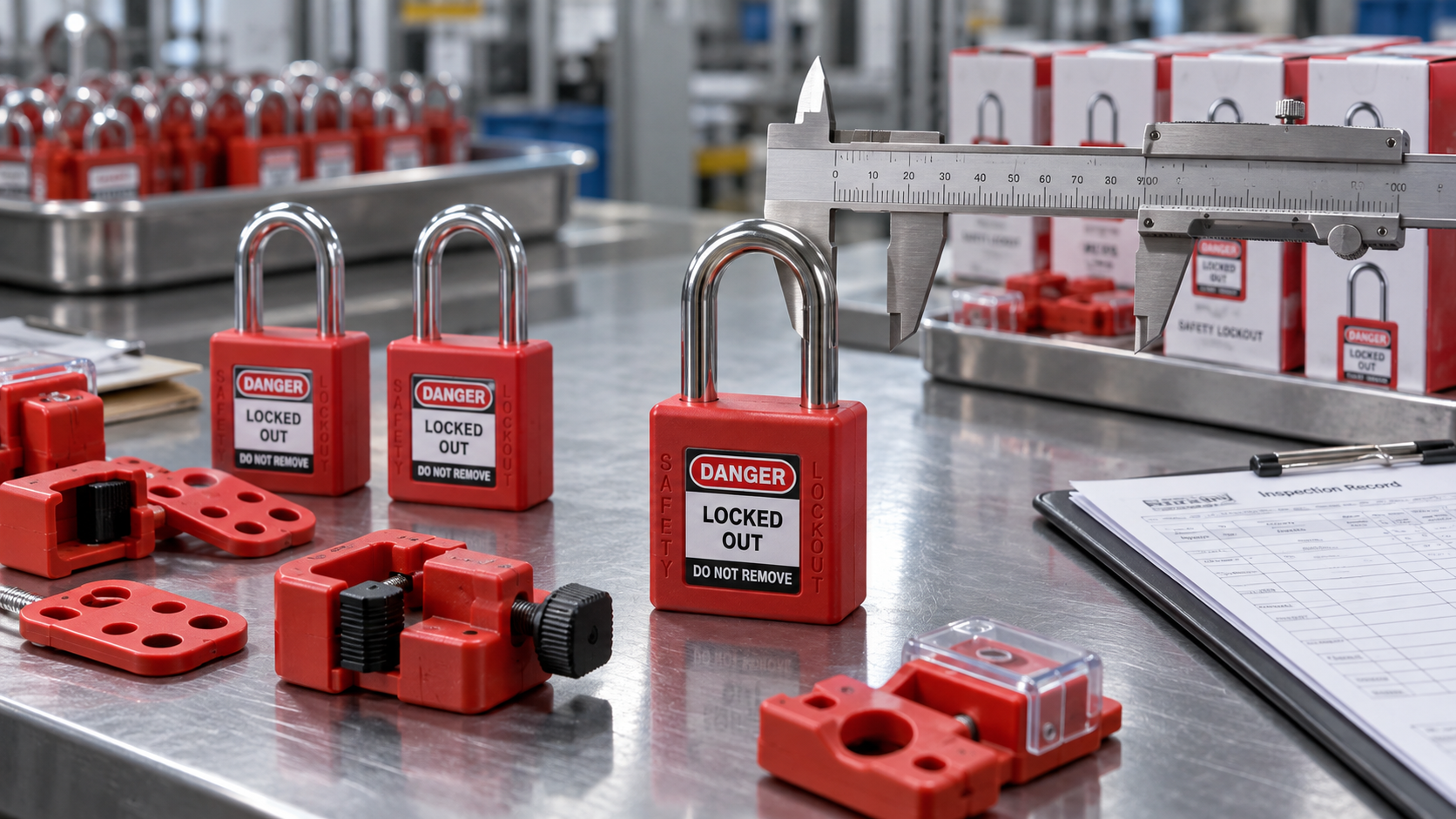
A credible supplier should demonstrate that its devices fit your equipment, withstand intended service conditions, and arrive consistently within the specifications your organization approves.
Begin with an application list covering energy sources, isolation points, equipment models, operating temperatures, chemical exposure, and the number of employees applying personal locks.
Separate requirements by product family. Safety padlocks, valve lockouts, circuit breaker lockouts, cable devices, hasps, and tags each need different acceptance criteria and compatibility checks.
Ask whether the supplier manufactures each product directly or purchases it elsewhere. Outsourcing can be acceptable, provided responsibilities, traceability, and change controls remain clear.
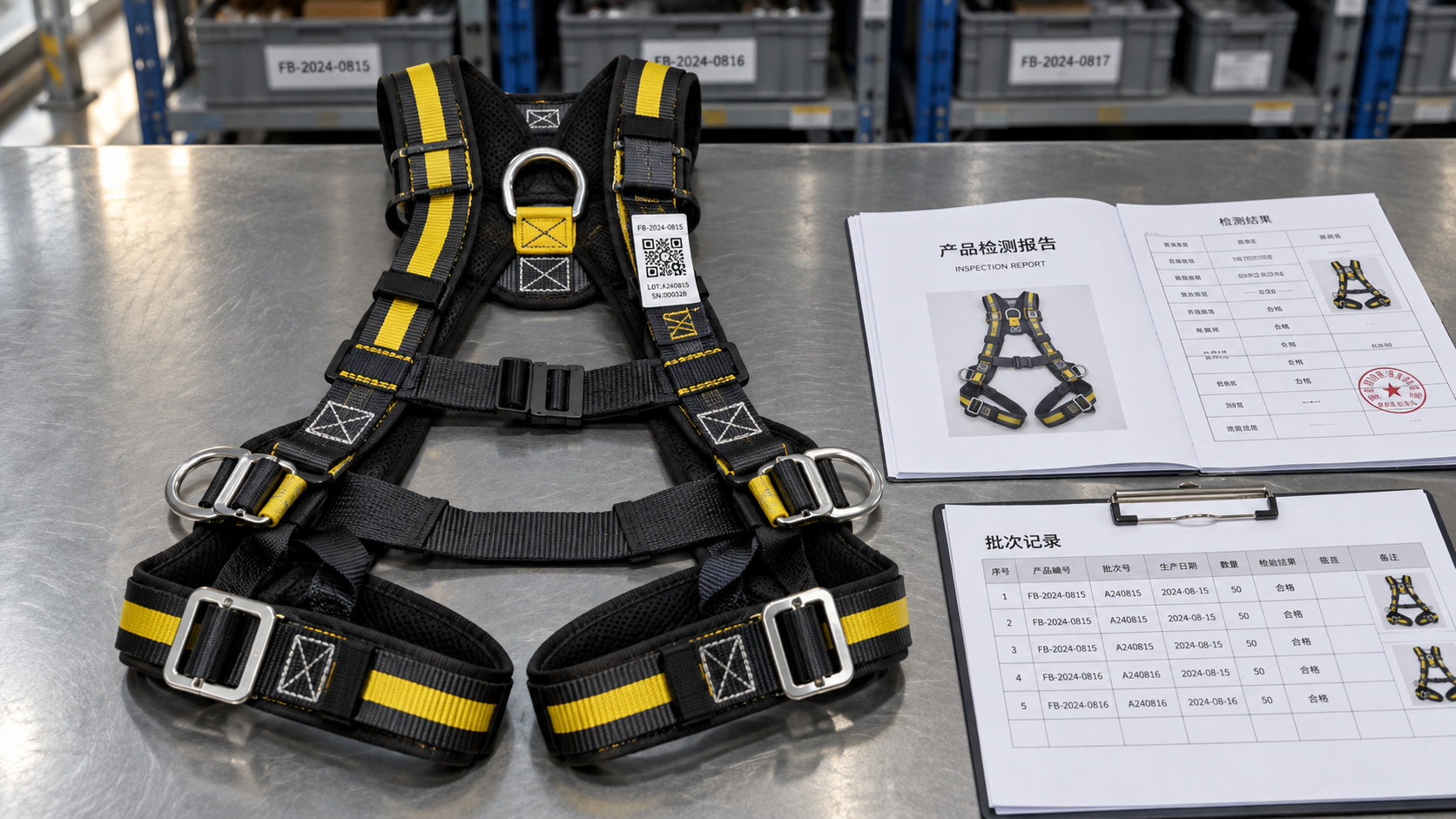
Request drawings, material specifications, inspection records, and relevant test reports for the exact models offered. A general catalog cannot establish suitability for your application.
Involve your environmental, health, and safety team alongside maintenance personnel. Procurement can compare evidence, but site specialists must confirm compatibility with actual isolation procedures.
A useful first screening question is simple: can the supplier connect every important performance claim to a controlled specification and evidence for that product?
If answers rely on broad claims such as “industrial grade” or “universal fit,” keep the supplier unqualified until measurable requirements and supporting evidence are available.
Which Quality Records and Tests Actually Support a Buying Decision?
Request a focused qualification package rather than collecting certificates indiscriminately. Each document should answer a specific question about performance, manufacturing consistency, or supply accountability.
For polymer devices, examine temperature limits, impact resistance, chemical compatibility, and outdoor exposure where relevant. Request test conditions because results depend on exposure duration.
For metal components, review corrosion resistance, deformation, burr control, and functional movement. Sharp edges or binding mechanisms can make otherwise acceptable devices difficult to use.
Padlock qualification should address key retention where specified, keying arrangements, shackle dimensions, operating durability, and the supplier’s controls against unintended duplication within agreed key groups.
Ask suppliers to explain claims such as “nonconductive.” A polymer body alone does not establish that the complete device provides an electrical insulation rating.
Reports from competent laboratories can strengthen confidence, but internal testing also has value when methods, equipment calibration, sample identification, and results are adequately documented.
Use risk to set inspection depth. Safety critical dimensions and functions deserve stronger controls than cosmetic variation, with defect categories agreed before production begins.
How Should You Interpret OSHA, ISO, CE, and UL Claims?
Compliance language frequently causes confusion because workplace obligations, management system certificates, product standards, and conformity markings answer different questions during supplier evaluation and product selection.
In the United States, OSHA’s control of hazardous energy standard, 29 CFR 1910.147, sets employer requirements; OSHA does not approve or certify individual LOTO products.
Its provisions include durability, standardization, substantiality, and identification requirements for lockout and tagout devices. Purchasing specifications should translate applicable requirements into concrete acceptance criteria.
An ISO 9001 certificate concerns the supplier’s quality management system within its stated scope. It does not independently establish that a particular lockout device works.
Verify the certificate’s scope, manufacturing location, validity, and certification body. A certificate covering an unrelated facility or trading activity provides limited assurance about production.
CE marking is relevant only where applicable European legislation requires it. Do not assume every standalone mechanical lockout device needs or qualifies for CE marking.
If UL certification or recognition is claimed, request the exact listing or file details and verify the covered model, category, and stated scope directly.
Use official sources, including OSHA’s published standard and the relevant certification directory. Treat unsupported certification logos as an unresolved qualification issue before placing orders.
How Do You Confirm Equipment Compatibility Before a Bulk Order?
Catalog dimensions are useful for screening, but physical trials reveal installation problems that drawings miss. Test samples on representative equipment under your actual operating conditions.
For breaker lockouts, verify the breaker manufacturer, series, handle geometry, available clearance, and installation method. “Universal” usually describes a range rather than guaranteed compatibility.
For valve devices, check handle dimensions, surrounding pipework, insulation, and access. Confirm that the installed device prevents operation without damaging the valve or adjacent equipment.
For hasps and cable lockouts, assess lock capacity, shackle clearance, cable routing, and resistance to loosening. Include the gloves workers normally wear during installation.
Record results by equipment asset or equipment family, including photographs and sample identifiers. This creates a practical compatibility reference for maintenance and future purchasing.
Approve a reference sample and associated specification after successful trials. Define how production samples will be compared with that approved configuration before shipment acceptance.
For new tooling or significant design changes, require pilot production before full release. A carefully prepared prototype does not demonstrate stable performance at production volume.
Agree how defects will be handled, including containment, replacement timing, investigation, and repeat testing. Resolve these obligations before urgent operational demand weakens your negotiating position.
Which Customization Options Are Worth Paying For?
Customization creates value when it improves identification, compatibility, or replenishment. Start with an operational need, then choose the least complex change that meets it.
Branding options often include logos, laser marking, serial numbers, and packaging. Specify legibility, permanence, placement, and resistance to expected cleaning agents or environmental exposure.
Color coding can support site standards, but document its meaning consistently. Color alone should not replace employee identification or the information required by your procedure.
Custom labels need enough usable space for required information. Check language, contrast, adhesion, print durability, and readability after the device has been handled repeatedly.
Keying deserves separate review. Keyed different, keyed alike, and master key arrangements affect personal control and must align with site policy and applicable requirements.
Ask how the supplier manages key codes across orders and sites. Define permitted duplicates, record retention, and authorization for replacement keys before approving the arrangement.
Changes to dimensions, locking mechanisms, or materials require greater scrutiny than artwork changes. Specify which modifications trigger new samples, testing, and written customer approval.
For tooling, agree ownership, maintenance responsibility, storage, usable life assumptions, and transfer rights. Clarify whether the supplier may sell the same custom design elsewhere.
How Can You Negotiate MOQs Without Creating Excess Inventory?
Minimum order quantities usually reflect production setup, material purchasing, color changes, printing, or packaging costs. Ask which operation actually creates the minimum for each item.
Separate the standard product MOQ from minimums for custom colors, logos, keying, and packaging. A single headline quantity can conceal several different ordering constraints.
For example, a supplier might accept 500 standard devices but require 200 units per custom color. Five colors could therefore raise the effective minimum.
These figures are illustrative, not market benchmarks. Actual MOQs depend on product design, manufacturing process, customization depth, existing inventory, and the supplier’s commercial model.
Request alternative quotations for standard stock, standard products with custom marking, and fully customized production. Compare the operational benefit against each additional commitment separately.
Possible negotiation options include paying a setup fee, consolidating site demand, using standard colors, or scheduling releases against a blanket order with defined obligations.
Confirm whether scheduled releases reduce only immediate delivery volume or also your purchase commitment. Supplier held inventory can still become your liability under contract.
Evaluate inventory exposure alongside unit savings. Obsolete equipment, revised identification rules, and changing site demand can leave customized stock unusable before it is consumed.
What Should the Final RFQ and Supply Agreement Include?
Send shortlisted suppliers the same specification package so quotations remain comparable. Include quantities by SKU, approved applications, customization details, inspection requirements, and delivery destinations.
Request separate prices for tooling, artwork, samples, testing, packaging, and freight where applicable. State the Incoterms rule and named place to clarify cost allocation.
Compare total landed cost across the expected purchasing period. Include duties, inspections, inventory carrying costs, replacement stock, and administrative effort associated with managing multiple suppliers.
Break lead time into sample approval, tooling, production, inspection, and transport. Ask when each clock starts and which customer approvals can delay the schedule.
Require written notification before changes to materials, tooling, manufacturing sites, subcontractors, or critical dimensions. Define which changes need approval before the supplier resumes shipment.
The purchase agreement should reference approved specifications, traceability expectations, acceptance procedures, defect remedies, and responsibility for investigation costs when supplied products fail agreed requirements.
Score suppliers against safety and compatibility requirements first, then manufacturing controls, delivery reliability, customization capability, and commercial terms. Mandatory failures should override an attractive price.
Begin with a controlled initial order and review field feedback, delivery performance, and inspection results. Increase purchasing commitments only after the supplier demonstrates repeatable performance.
Choose the OEM That Can Support Every Critical Promise
The strongest LOTO device OEM offers evidence that connects your application requirements to approved samples, controlled production, and dependable replenishment throughout the purchasing relationship.
Qualify compatibility and manufacturing consistency first. Then negotiate customization and MOQs around actual demand, with explicit terms for changes, defects, delivery, and inventory commitments.
This approach gives procurement a defensible sourcing decision: devices that support the site’s hazardous energy control program, backed by specifications the supplier must consistently meet.