What to confirm before choosing a Security & Safety supplier
Author
Date Published
Reading Time
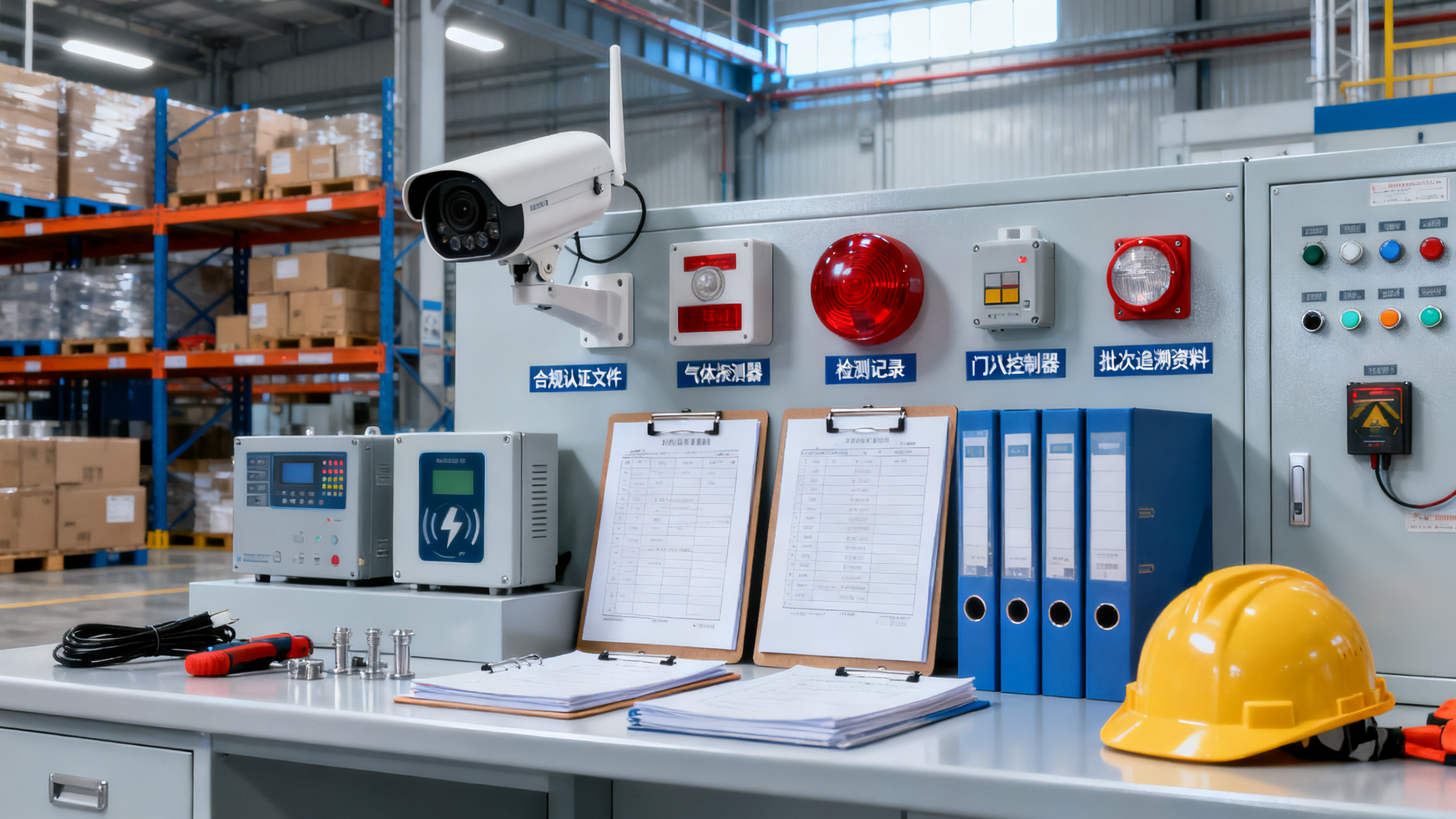
Before choosing a Security & Safety supplier, verification must go far beyond brochures, quotations, and promised lead times. In industrial environments, weak safety sourcing can create compliance gaps, shutdown exposure, insurance disputes, and avoidable incidents. A capable Security & Safety supplier should demonstrate certified performance, traceable quality systems, stable delivery, and dependable support across the full equipment lifecycle.
This topic matters across the broader industrial landscape. Whether the application involves plants, logistics hubs, utilities, public infrastructure, or heavy engineering sites, the selected Security & Safety supplier influences operational continuity and audit readiness. The checks below provide a practical framework for evaluating fit, reducing supplier risk, and improving confidence before any formal sourcing decision.
Core confirmation points before selecting a Security & Safety supplier
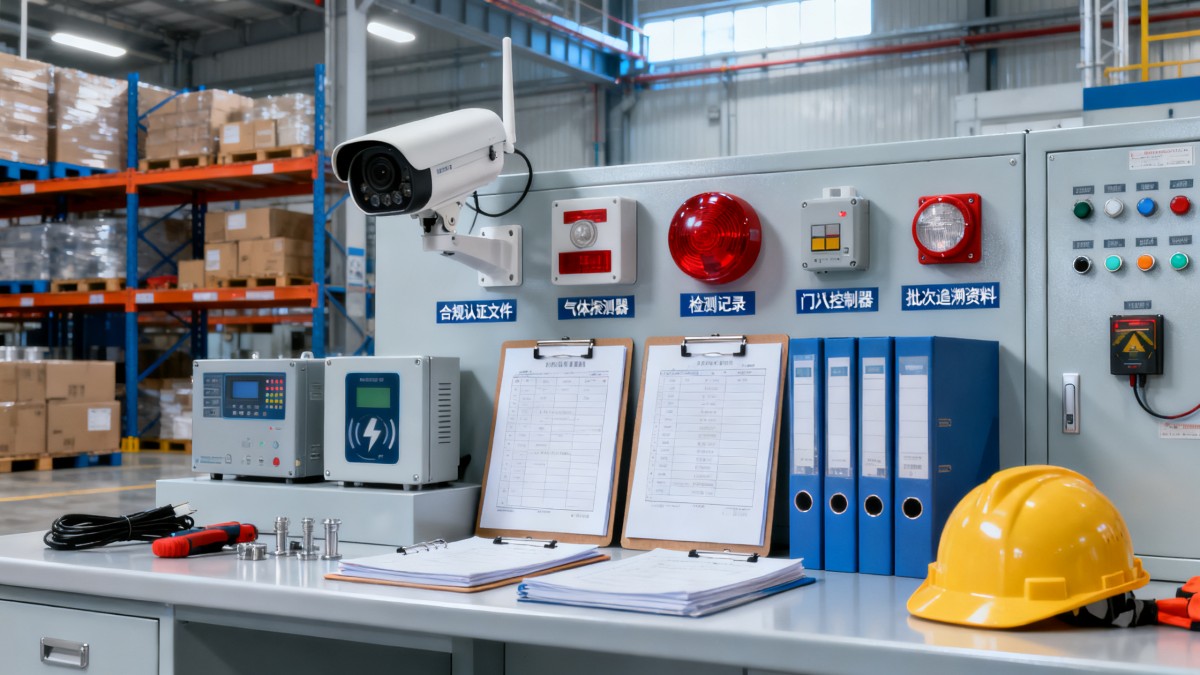
A reliable Security & Safety supplier should satisfy technical, regulatory, commercial, and service expectations at the same time. Focusing on only one dimension, especially price, often hides larger downstream costs.
Standards and certification status
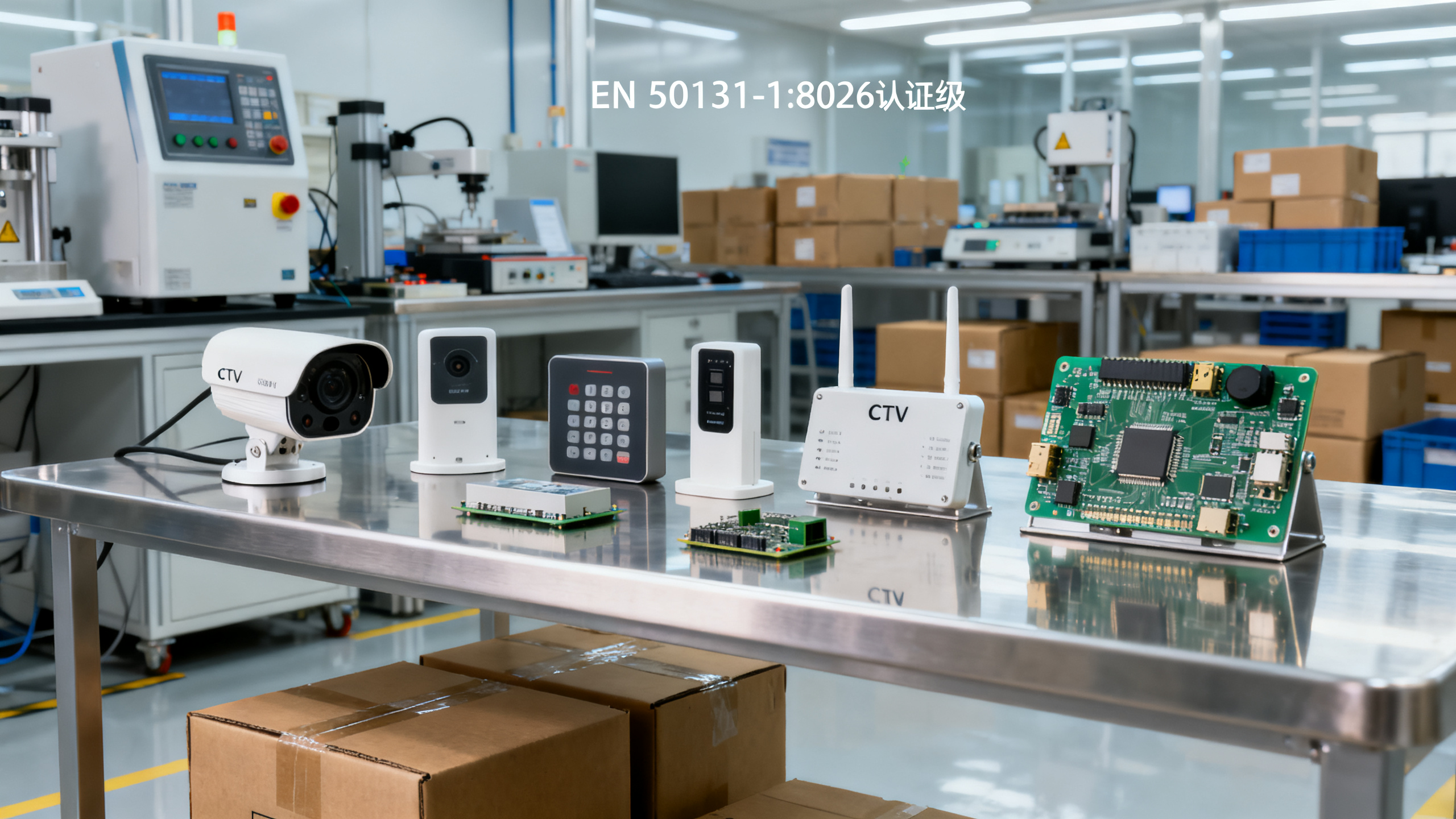
The first confirmation is compliance with applicable standards. For many industrial categories, CE, UL, ISO, IEC, ATEX, or local fire and occupational safety rules may apply.
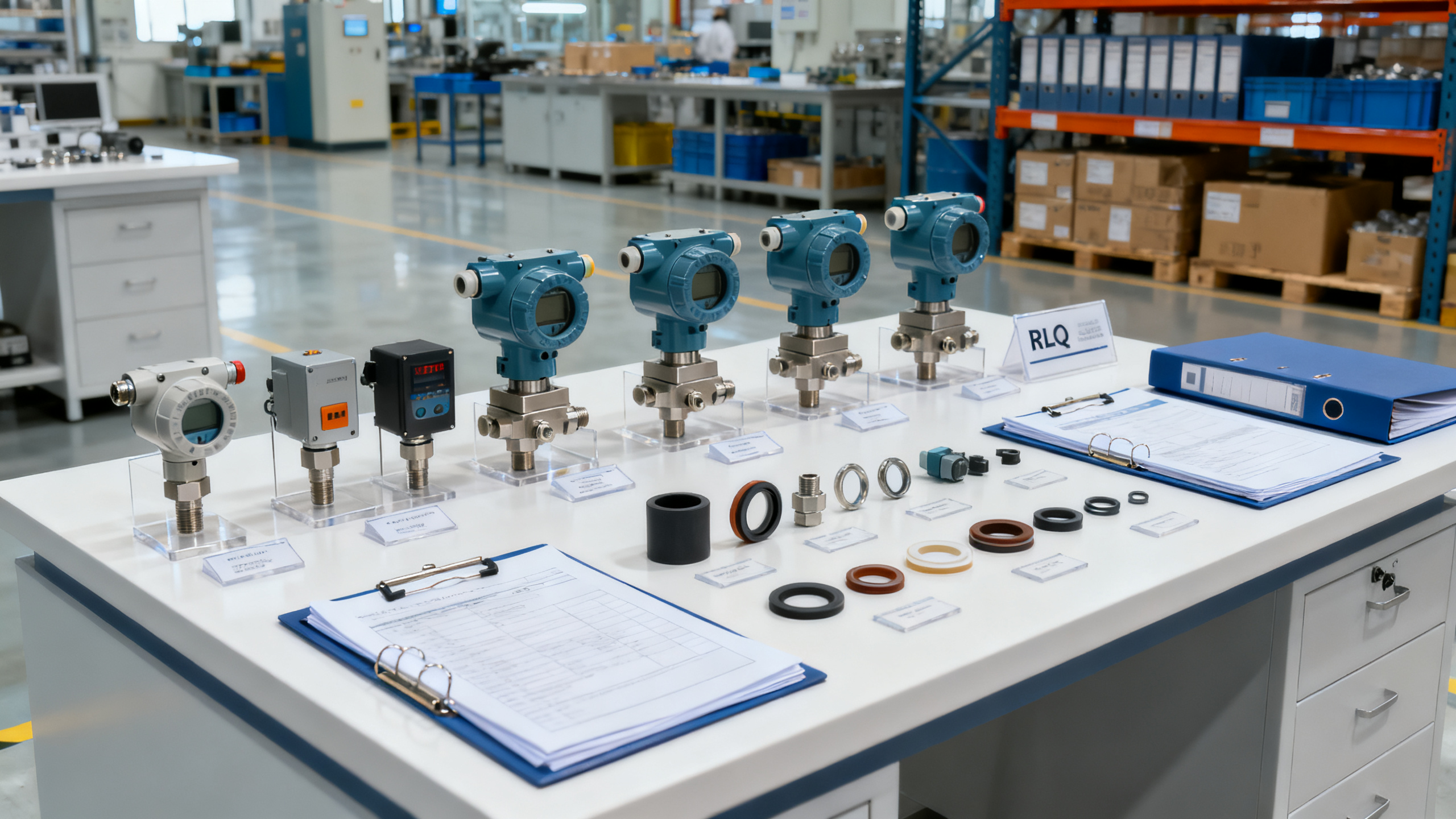
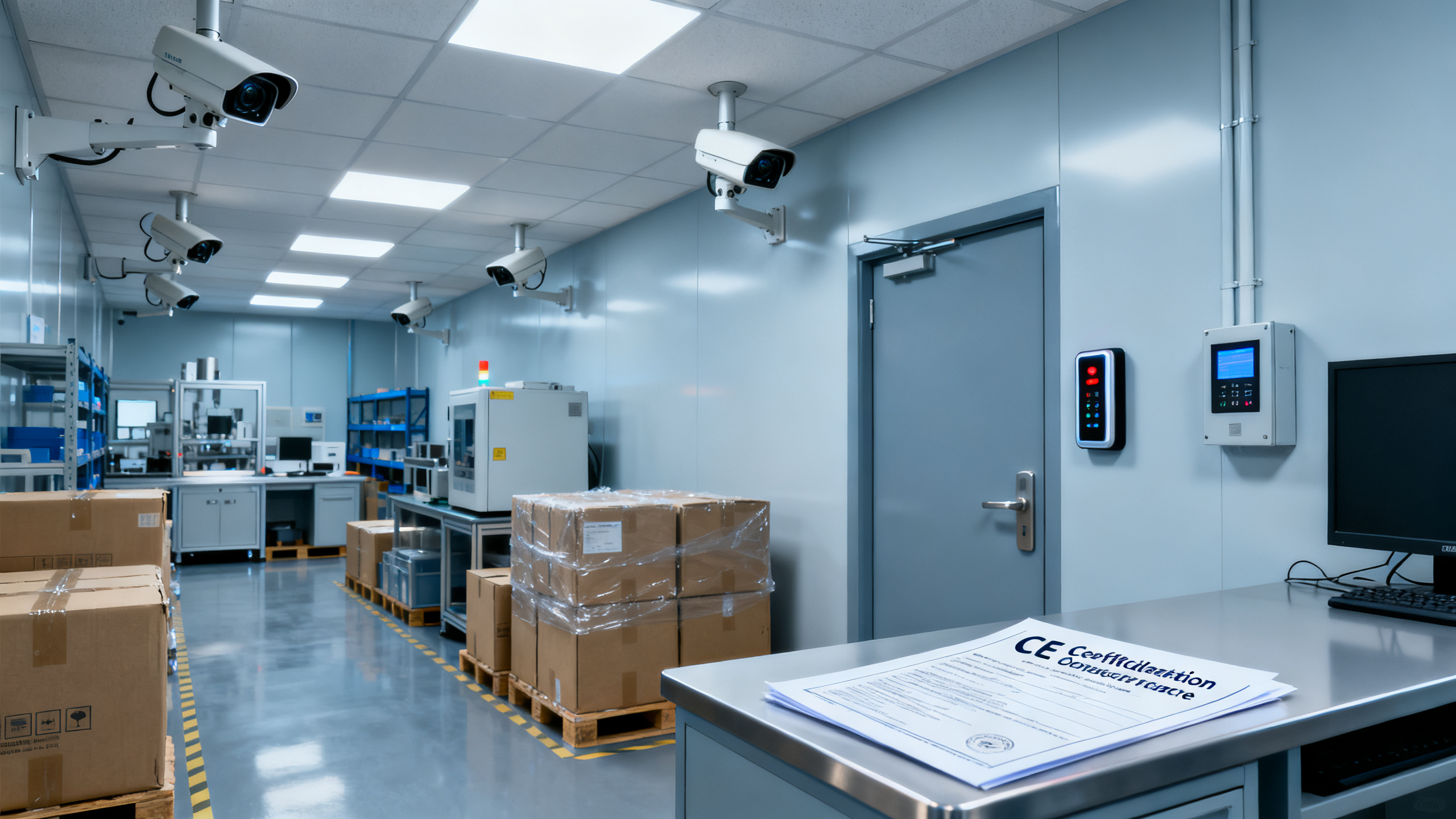
Certification should be current, relevant, and product-specific. A Security & Safety supplier should provide certificates, declarations of conformity, and testing scope details without delay.
Traceability and test evidence
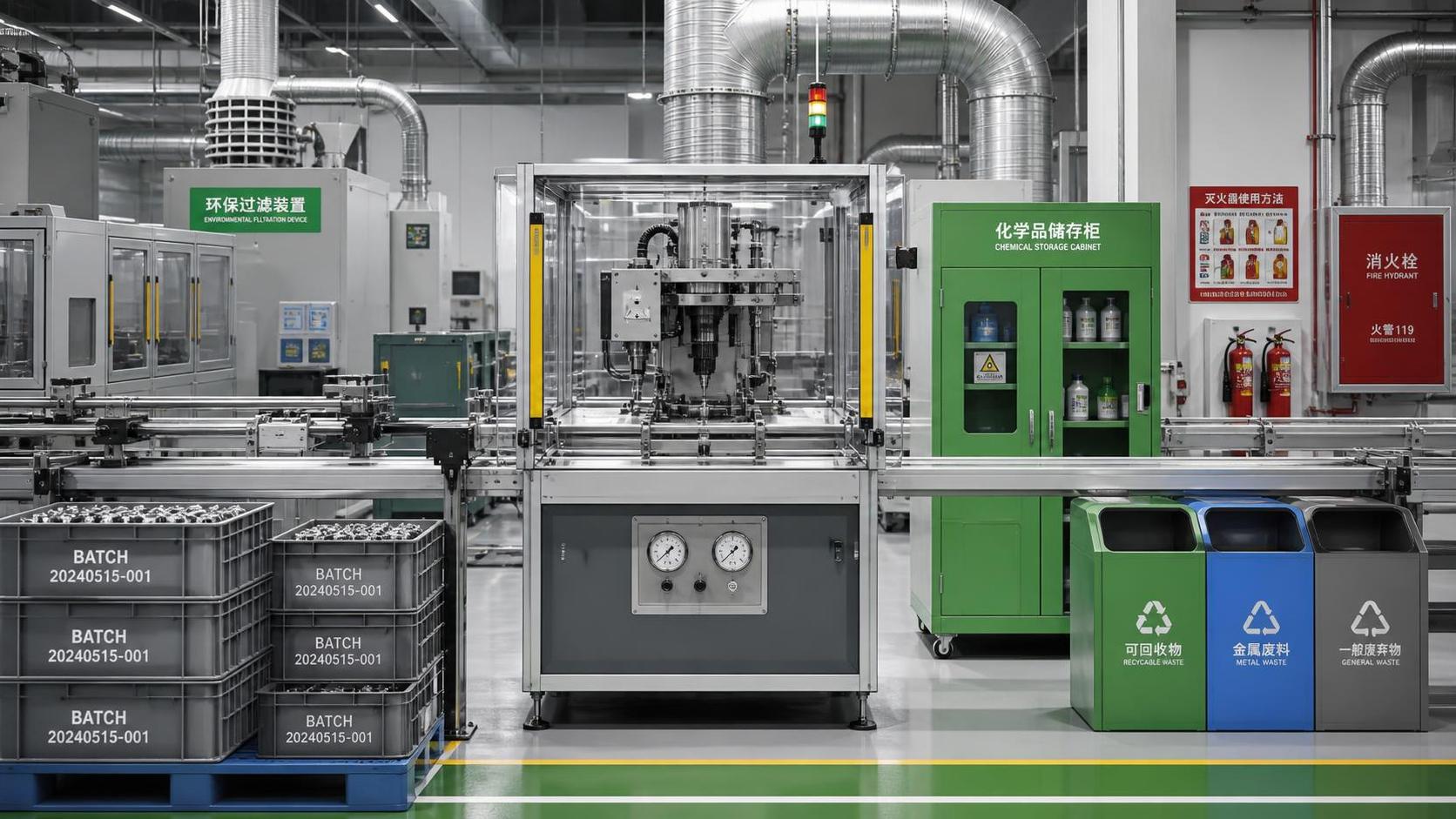
Documents should connect each item to batch numbers, materials, inspection records, and final release data. Traceability is essential for root-cause analysis, warranty claims, and future audits.
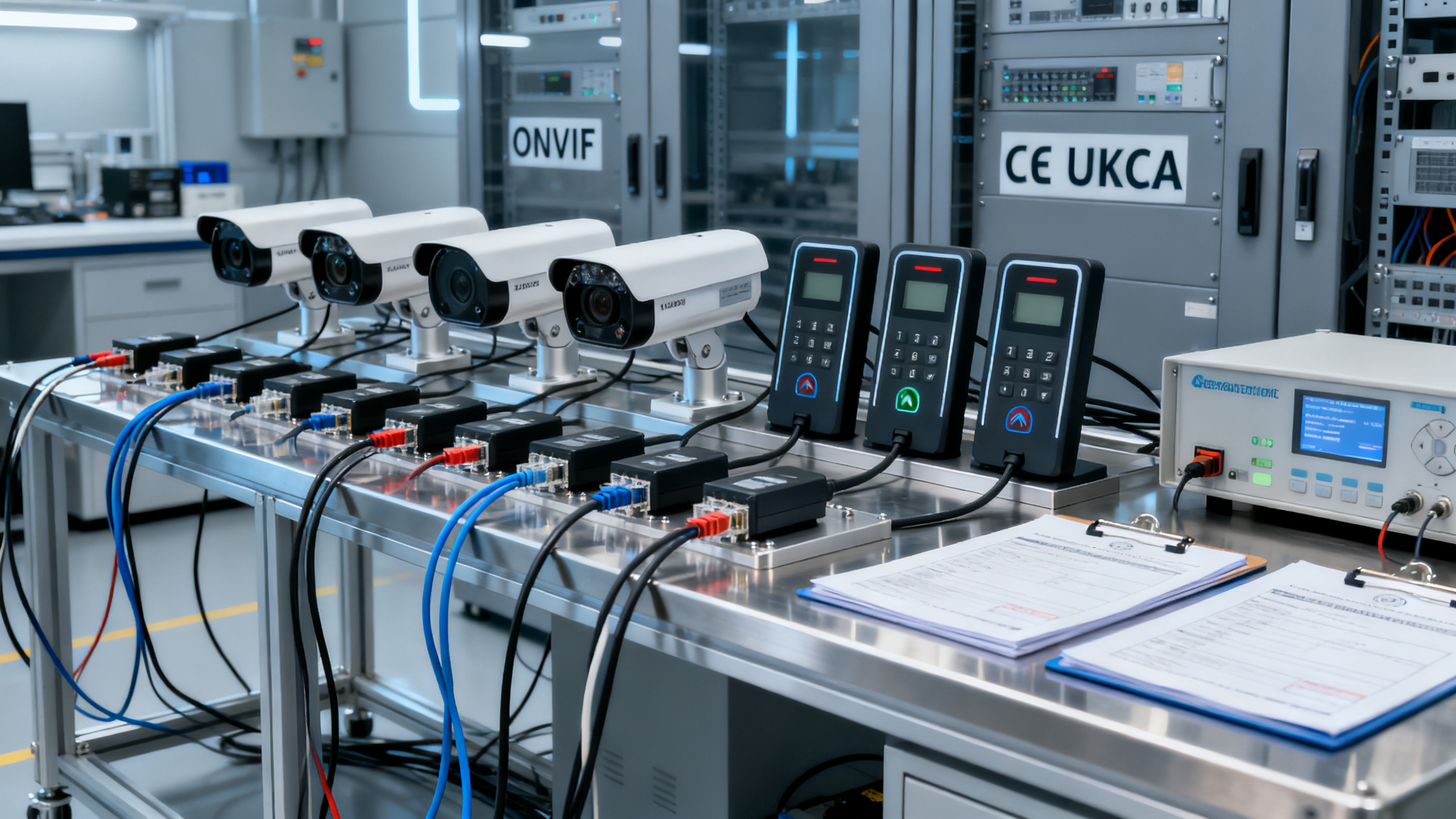
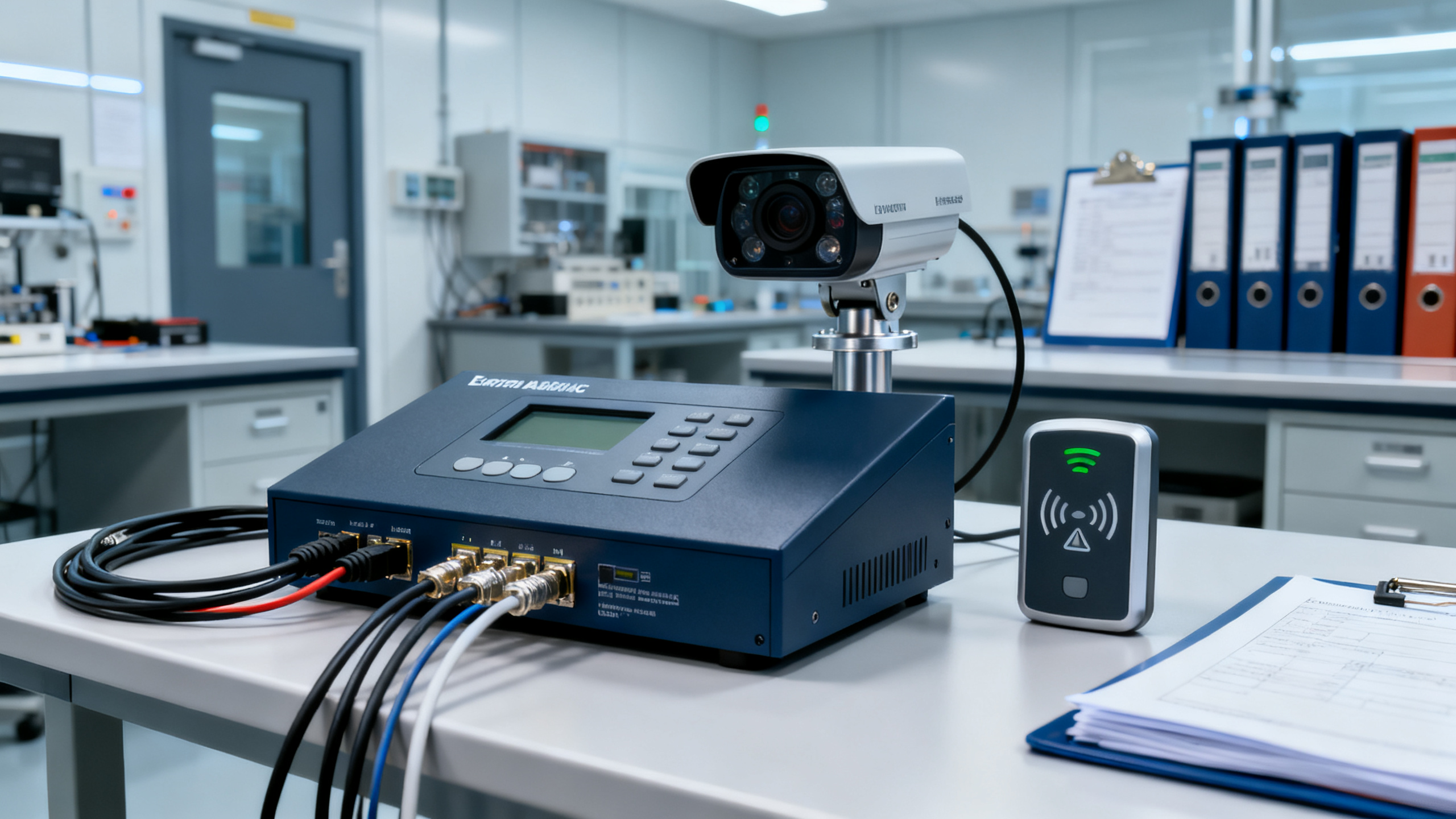
Request factory test reports, calibration records where relevant, and third-party validation for critical items. A strong Security & Safety supplier should show how testing is controlled and archived.
Delivery capability and supply stability
Supply resilience matters as much as technical quality. Confirm production capacity, stock strategy, secondary sourcing plans, and performance during recent disruptions.
Lead time promises should be supported by data. A dependable Security & Safety supplier will share on-time delivery rates, expedited order limits, and shipping visibility methods.
Field reliability and service response
Industrial safety products must work under pressure, not only in ideal laboratory conditions. Confirm evidence from real installations, failure history, maintenance needs, and response times for technical issues.
The best Security & Safety supplier usually supports commissioning guidance, spare parts continuity, and clear escalation paths when urgent incidents occur.
Basic definition and scope of a Security & Safety supplier
A Security & Safety supplier provides products, systems, or integrated support that protect people, facilities, assets, and processes. This scope can include personal protective equipment, fire safety products, alarms, sensors, access control, emergency lighting, gas detection, surveillance, lockout devices, and related compliance documentation.
In the industrial context, the role extends beyond distribution. A qualified Security & Safety supplier should understand application risk, local regulations, installation conditions, and the documentation burden tied to inspections and audits.
This is why evaluation criteria are broader than ordinary indirect procurement. The chosen Security & Safety supplier often becomes part of the site’s control environment and operational risk posture.
Industry background and current evaluation priorities
Across industrial sectors, safety expectations have become more demanding. Regulatory enforcement is tighter, insurance carriers require stronger documentation, and digital traceability is increasingly expected.
At the same time, global sourcing complexity has increased. Product substitution, inconsistent test files, counterfeit components, and freight volatility can all affect the final decision.
These conditions mean any Security & Safety supplier must be reviewed as a long-term operational partner, not simply as a source of catalog items.
Business value of choosing the right Security & Safety supplier
The right Security & Safety supplier strengthens more than workplace protection. It also supports uptime, predictable maintenance, smoother audits, and lower total risk.
- Reduces compliance exposure through valid and complete documentation.
- Improves installation consistency with accurate specifications and support.
- Lowers failure-related disruption through proven field reliability.
- Supports budget control by limiting rework, substitutions, and emergency buys.
- Strengthens audit readiness with traceable records and revision discipline.
In many projects, a trusted Security & Safety supplier also improves cross-functional coordination. Engineering teams receive clearer data, operations teams see fewer service gaps, and compliance teams gain faster access to evidence.
Typical scenarios and supplier categories to assess
Evaluation criteria may shift depending on the operating environment and product category. Still, several recurring scenarios appear across the integrated industrial market.
A Security & Safety supplier serving complex sites should also explain product interchangeability limits. Similar-looking items may differ significantly in certification coverage or environmental suitability.
Practical checks and warning signs during supplier review
A structured review process helps separate well-prepared suppliers from risky ones. The following checks are practical and widely applicable.
Document review checklist
- Certificates match the exact model or configuration offered.
- Test reports show dates, standards, and issuing entities.
- Quality management records align with current production practice.
- Material or component traceability is available where required.
- Warranty and service terms are specific, not vague.
Operational review checklist
- Confirm manufacturing location and subcontracting exposure.
- Review lead time history, not just quoted estimates.
- Check spare parts availability and end-of-life planning.
- Ask about nonconformance handling and corrective action timelines.
- Verify technical support channels during urgent events.
Common warning signs
Be cautious if a Security & Safety supplier shares generic certificates unrelated to the offered item, avoids site references, changes specifications after quotation, or cannot explain testing methodology.
Another warning sign is poor revision control. If drawings, labels, manuals, and declarations are inconsistent, future compliance issues become more likely.
A practical next step for safer supplier selection
The most effective approach is to use a formal prequalification framework before comparing prices. This framework should score each Security & Safety supplier across certification, traceability, delivery resilience, field reliability, and support responsiveness.
Shortlisted candidates should then be validated with sample documents, reference checks, and a clear review of lifecycle obligations. Where risk is higher, a factory audit or pilot deployment can provide stronger evidence.
A well-chosen Security & Safety supplier helps protect people, maintain compliance, and support stable industrial performance over time. Careful confirmation at the start is often the most cost-effective safety decision available.
Technical Specifications
- How to Select Electronic Hotel Key Card Locks for Guest Rooms and Staff AreasAuthor :Safety Compliance Lead
- How to Select Lab Instruments for Reliable Chemical Analysis WorkflowsAuthor :Precision Metrology Expert
- How to Size a UPS for Server Rooms: Load, Runtime, and Redundancy FactorsAuthor :Grid Infrastructure Analyst
Expert Insights

Chief Security Architect
Dr. Thorne specializes in the intersection of structural engineering and digital resilience. He has advised three G7 governments on industrial infrastructure security.
Related Analysis
- Sep 17, 2026How to Select Electronic Hotel Key Card Locks for Guest Rooms and Staff AreasAuthor :Safety Compliance Lead
- Sep 16, 2026How to Select Lab Instruments for Reliable Chemical Analysis WorkflowsAuthor :Precision Metrology Expert
- Sep 15, 2026How to Size a UPS for Server Rooms: Load, Runtime, and Redundancy FactorsAuthor :Grid Infrastructure Analyst
Core Sector // 01
Security & Safety
- How to Select Electronic Hotel Key Card Locks for Guest Rooms and Staff AreasAuthor :Safety Compliance Lead

- How to Evaluate a Hotel Key Card Lock Supplier for Multi-Property RolloutsAuthor :Safety Compliance Lead

- Pre-Contract Audit Checklist for Verified Production Safety and Environmental ComplianceAuthor :Safety Compliance Lead

- How Can Distributors Build Procurement-Oriented Industrial Content That Drives RFQs?Author :Safety Compliance Lead

- EU Mandates EN 50131-1:2026 for Security SystemsAuthor :Safety Compliance Lead

- EU EN 50131-1:2026 Takes Effect on CCTV ComplianceAuthor :Safety Compliance Lead

- IEC Issues CCTV Interoperability Test StandardAuthor :Safety Compliance Lead

- EN 50131-4:2026 Raises EU Security Compliance BarAuthor :Safety Compliance Lead