Middle East Enforces SASO IEC 62368-1:2026 for Security Devices
Author
Date Published
Reading Time
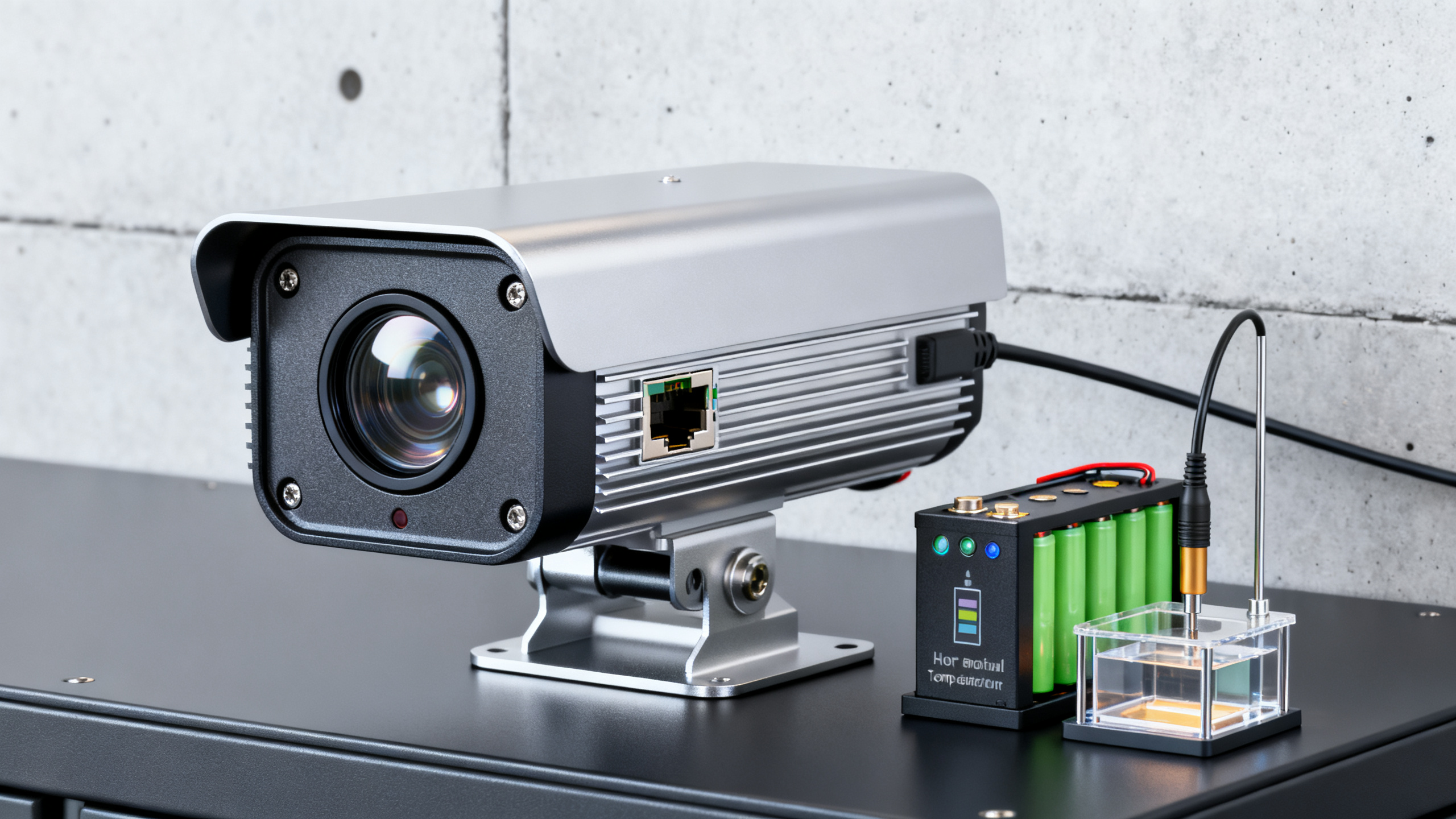
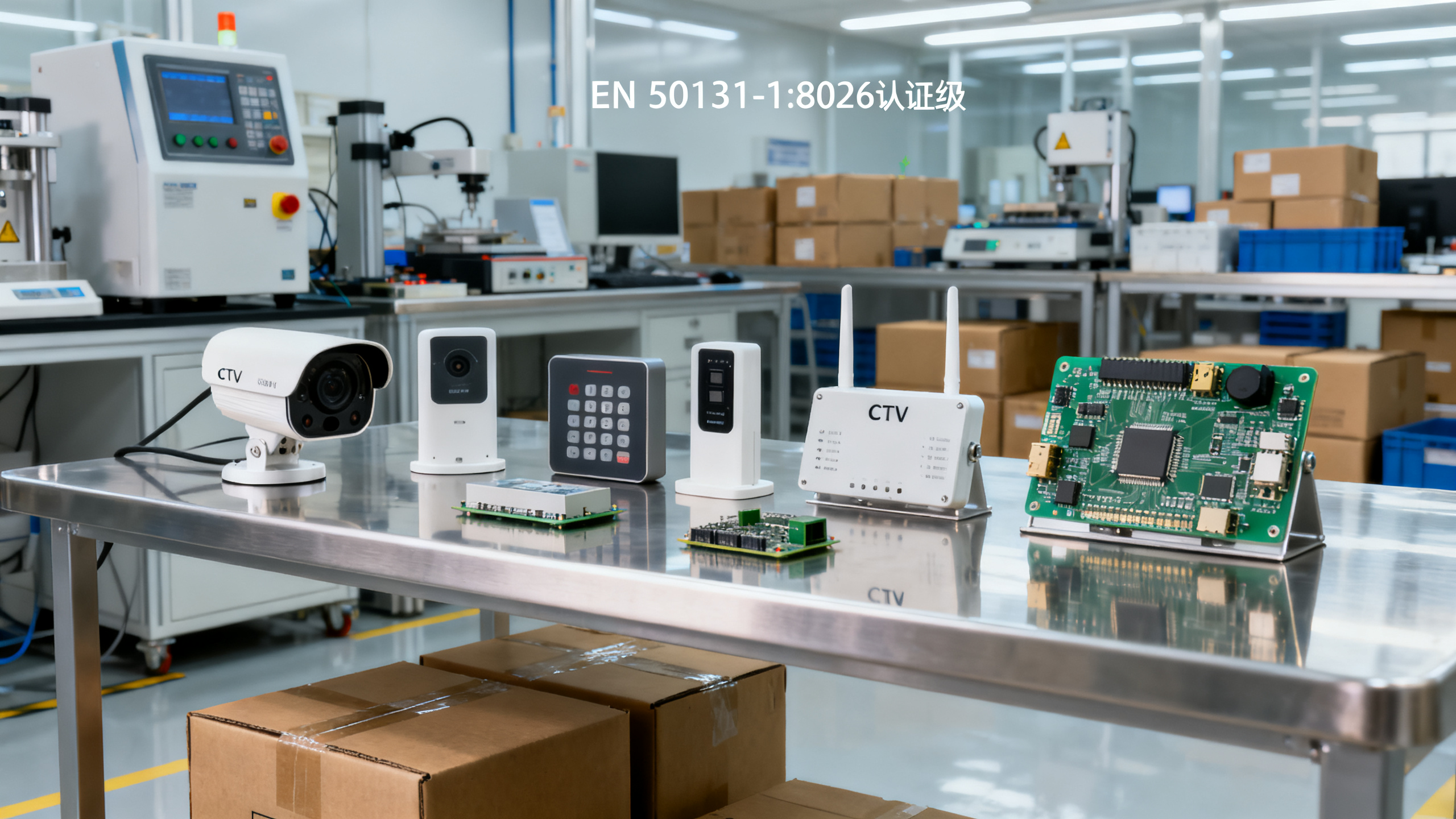
On May 15, 2026, the Saudi Standards, Metrology and Quality Organization (SASO) officially mandated full implementation of the updated SASO IEC 62368-1:2026 standard for audiovisual and information technology equipment entering Gulf Cooperation Council (GCC) markets. The new requirement introduces two critical technical add-ons—thermal runaway simulation testing (per IEC 62368-1 Annex G) and Level III standby power efficiency classification—for CCTV cameras, network video recorders (NVRs), access control controllers, and related security hardware. This marks a significant regulatory shift in the regional conformity assessment landscape, directly affecting manufacturers, exporters, and service providers engaged in the GCC-bound security electronics supply chain.
Event Overview
SASO announced on May 15, 2026, that SASO IEC 62368-1:2026 is now fully effective for all new product registrations and certifications targeting GCC countries. Under this revision, security monitoring equipment—including but not limited to IP cameras, analog HD cameras, NVRs, DVRs, and electronic door controllers—must comply with both the original safety requirements of IEC 62368-1 and two newly enforced assessments: (1) thermal runaway simulation test per Annex G of IEC 62368-1, and (2) standby power consumption verification against Level III energy efficiency criteria. Chinese exporting enterprises report an average extension of certification lead time by 6–8 weeks and a 22% increase in total certification costs compared to previous SASO IEC 62368-1:2018 submissions.
Industries Affected
Direct Exporting Enterprises: Companies exporting CCTV systems or access control hardware from China (and other non-GCC jurisdictions) face immediate operational impact. Compliance is mandatory for market access—no transitional grace period has been announced. Delays in certification translate directly into postponed shipment schedules, contract penalties, and potential loss of tender eligibility in government-led smart city or infrastructure projects across Saudi Arabia and UAE.
Raw Material & Component Suppliers: Firms supplying lithium-ion battery modules, power management ICs, or thermally sensitive PCB substrates must now provide extended documentation—including validated thermal modeling reports and component-level standby current test data—to enable downstream compliance. Some Tier-2 suppliers report receiving new technical inquiry volumes up by 40% since Q1 2026, signaling upstream pressure to pre-certify subassemblies.
Contract Manufacturing & OEM Facilities: EMS and ODM providers handling final assembly for branded security devices are required to revalidate production line controls—particularly thermal stress screening during burn-in and firmware-enforced low-power states. Process validation now includes calibrated thermal chamber cycles replicating Annex G conditions, increasing QA overhead and requiring cross-functional coordination between hardware, firmware, and compliance teams.
Supply Chain Service Providers: Certification consultants, test laboratories accredited under SASO’s National Accreditation Body (SASO-NAB), and logistics firms offering “certification-ready” warehousing must adapt service offerings. Notably, several labs have introduced bundled thermal + energy efficiency test packages—but capacity remains constrained, contributing to the reported 6–8 week backlog.
Key Considerations and Recommended Actions
Review Product Architecture for Thermal Runaway Resilience
Manufacturers should conduct internal failure mode analysis focused on battery integration, heat dissipation paths, and overtemperature protection logic—especially for outdoor-rated or PoE-powered devices. Annex G testing simulates fault conditions (e.g., shorted cells, blocked vents); design revisions may be needed even for previously certified models.
Prioritize Standby Power Optimization Early in Firmware Development
Level III compliance requires ≤0.5 W standby consumption for most device categories. This necessitates firmware-level power state management—not just hardware-level LDO selection. Teams should integrate power profiling tools during alpha firmware builds, rather than treating it as a late-stage compliance checkpoint.
Engage SASO-Accredited Labs with Dual-Capability Testing Infrastructure
Not all labs performing IEC 62368-1 testing currently offer Annex G thermal runaway simulation or Level III energy verification. Exporters should verify lab accreditation scope via SASO’s official portal before initiating test planning—and consider parallel submission to multiple labs where feasible to mitigate scheduling risk.
Editorial Perspective / Industry Observation
Observably, this update reflects SASO’s broader alignment with EU-style sustainability and safety-by-design principles—not merely harmonization with IEC 62368-1:2023. The inclusion of Annex G signals growing regional attention to fire safety risks associated with lithium-based power systems in surveillance deployments, particularly in high-ambient-temperature environments. Meanwhile, Level III energy enforcement appears calibrated to support Saudi Vision 2030’s energy efficiency targets, rather than mirroring global minimums. Analysis shows that while the technical thresholds are achievable, the systemic friction arises from fragmented readiness across the value chain—not from the standards themselves. Current bottlenecks suggest a near-term consolidation trend among third-party labs and an uptick in pre-compliance engineering services targeting GCC-bound security hardware.
Conclusion
This regulatory evolution underscores a structural shift: GCC market access is no longer defined solely by functional interoperability or basic electrical safety, but increasingly by demonstrable resilience under abnormal thermal conditions and verifiable energy stewardship. For the global security electronics industry, SASO IEC 62368-1:2026 is less a one-off compliance hurdle and more a signal of evolving regional expectations—one that rewards proactive design integration over reactive certification remediation.
Source Attribution
Official announcement published by the Saudi Standards, Metrology and Quality Organization (SASO) on May 15, 2026, accessible via www.saso.gov.sa (Reference No.: SASO/STD/2026/087). Technical annexes referenced align with IEC 62368-1:2023 Edition 4. Note: SASO has not yet published formal transition timelines for legacy-certified products; stakeholders are advised to monitor SASO’s Regulatory Updates Portal for further guidance on grandfathering provisions and scope clarifications—particularly regarding hybrid analog/IP systems and edge AI accelerators integrated into NVRs.
Technical Specifications
- How to Select Electronic Hotel Key Card Locks for Guest Rooms and Staff AreasAuthor :Safety Compliance Lead
- How to Select Lab Instruments for Reliable Chemical Analysis WorkflowsAuthor :Precision Metrology Expert
- How to Size a UPS for Server Rooms: Load, Runtime, and Redundancy FactorsAuthor :Grid Infrastructure Analyst
Expert Insights

Chief Security Architect
Dr. Thorne specializes in the intersection of structural engineering and digital resilience. He has advised three G7 governments on industrial infrastructure security.
Related Analysis
- Sep 17, 2026How to Select Electronic Hotel Key Card Locks for Guest Rooms and Staff AreasAuthor :Safety Compliance Lead
- Sep 16, 2026How to Select Lab Instruments for Reliable Chemical Analysis WorkflowsAuthor :Precision Metrology Expert
- Sep 15, 2026How to Size a UPS for Server Rooms: Load, Runtime, and Redundancy FactorsAuthor :Grid Infrastructure Analyst
Core Sector // 01
Security & Safety
- How to Select Electronic Hotel Key Card Locks for Guest Rooms and Staff AreasAuthor :Safety Compliance Lead

- How to Evaluate a Hotel Key Card Lock Supplier for Multi-Property RolloutsAuthor :Safety Compliance Lead

- Pre-Contract Audit Checklist for Verified Production Safety and Environmental ComplianceAuthor :Safety Compliance Lead

- How Can Distributors Build Procurement-Oriented Industrial Content That Drives RFQs?Author :Safety Compliance Lead

- EU Mandates EN 50131-1:2026 for Security SystemsAuthor :Safety Compliance Lead

- EU EN 50131-1:2026 Takes Effect on CCTV ComplianceAuthor :Safety Compliance Lead

- IEC Issues CCTV Interoperability Test StandardAuthor :Safety Compliance Lead

- EN 50131-4:2026 Raises EU Security Compliance BarAuthor :Safety Compliance Lead