For procurement teams balancing cost, compliance, and long-term facility security, wholesale smart door locks are no longer just a convenience upgrade.
They are becoming strategic infrastructure investments for organizations that need scalable access control, dependable asset protection, and measurable operational efficiency.
As access control becomes more connected and data-driven, buyers must evaluate durability, authentication methods, integration capability, and supplier reliability before bulk purchasing.
This article explains what makes these locking systems worth buying for procurement teams managing commercial, residential, hospitality, or institutional security projects.
Why buyers consider wholesale smart door locks a practical investment
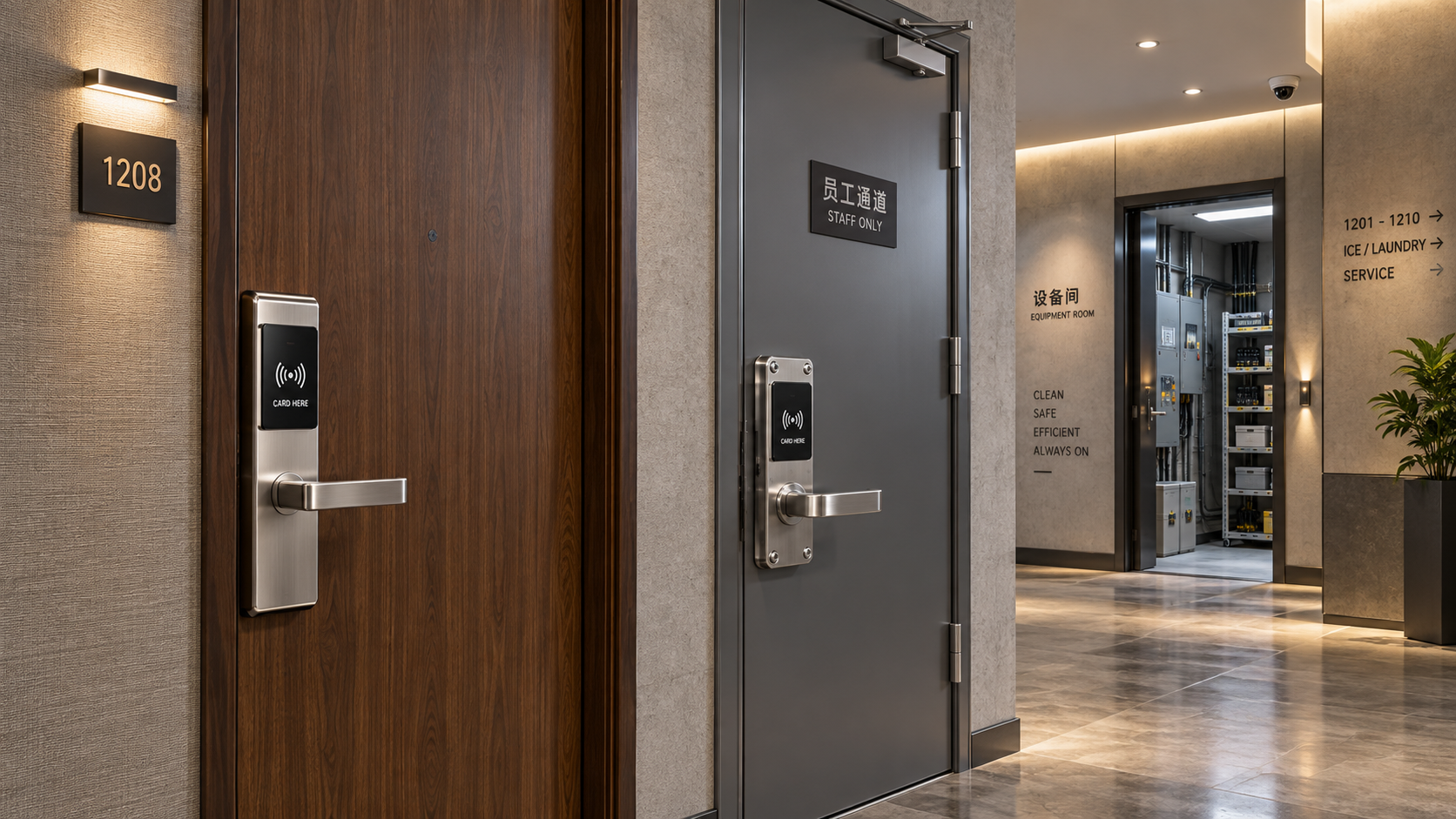
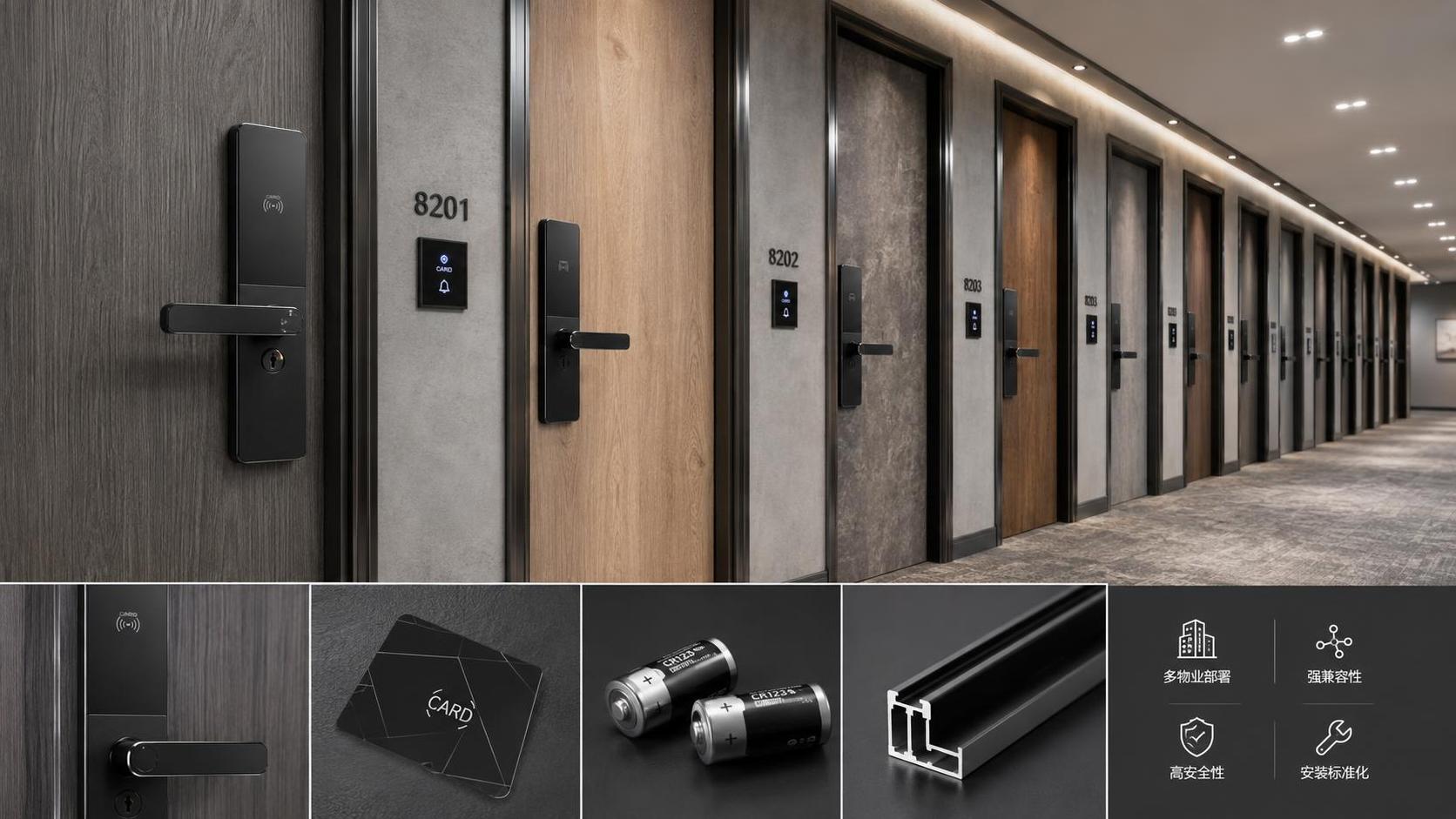
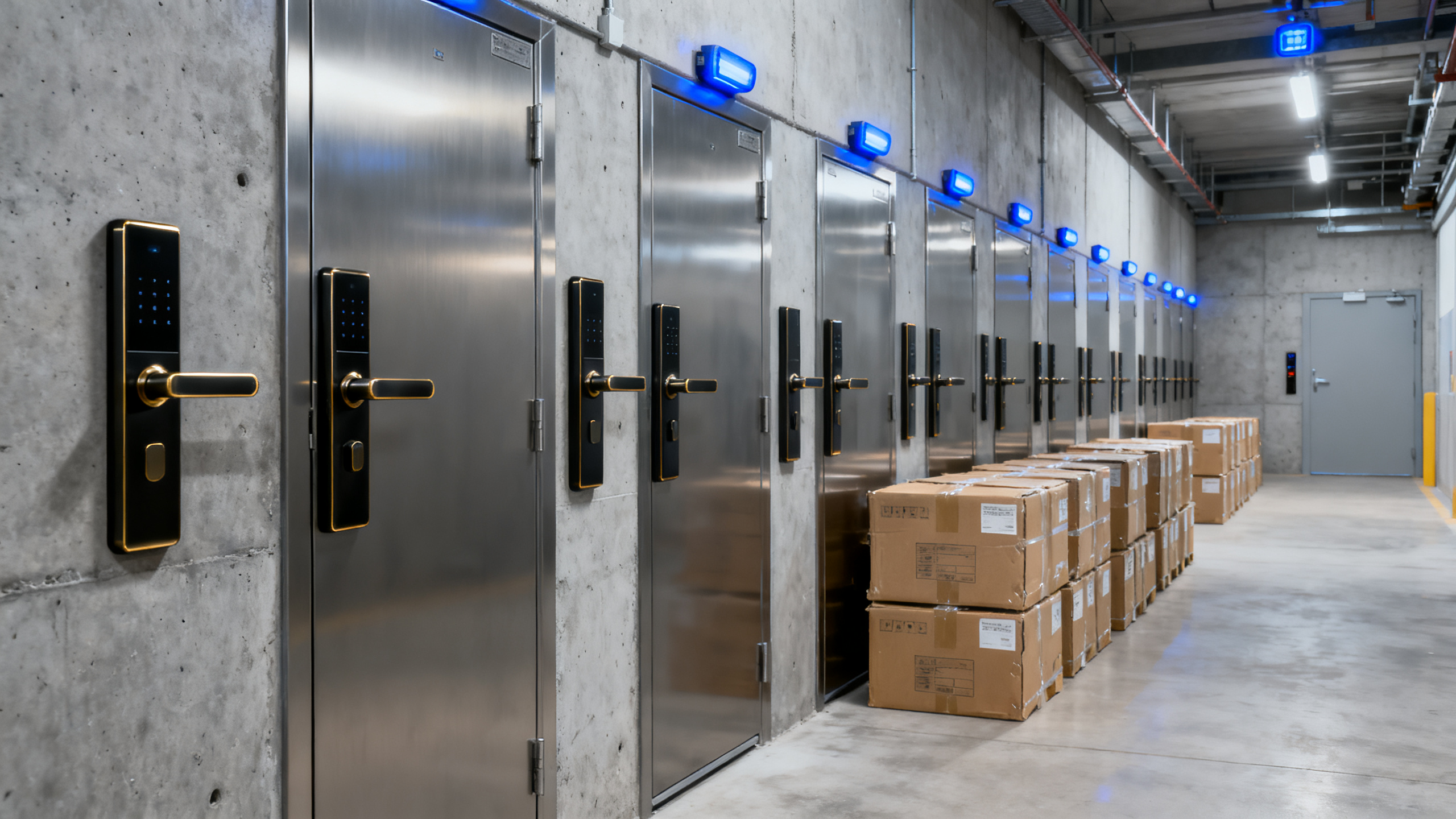
The primary reason procurement teams choose wholesale smart door locks is not novelty. It is the ability to standardize security across many doors.
Bulk purchasing allows organizations to reduce unit cost, simplify installation planning, and maintain consistent access policies across buildings, branches, or managed properties.
Compared with traditional mechanical locks, smart locks reduce key duplication risks, lost-key replacement expenses, and delays caused by manual access administration.
For buyers responsible for multiple facilities, these savings can be more important than the initial hardware discount gained through wholesale purchasing.
The value also depends on whether the lock system supports real operational needs, including user management, audit records, remote control, and emergency access.
A smart lock is worth buying when it improves security governance while lowering the daily workload of facility, property, or operations teams.
Procurement value starts with total cost, not only unit price
Many buyers first compare wholesale smart door locks by quoted unit price, but purchase price is only one part of the real cost.
Total cost includes installation labor, required gateways, software fees, batteries, spare parts, replacement cycles, and technical support after deployment.
A cheaper lock can become expensive if it fails frequently, requires proprietary accessories, or lacks stable firmware support from the manufacturer.
Procurement teams should request a full cost model covering hardware, management software, warranty scope, logistics, training, and expected maintenance intervals.
For large projects, even small differences in battery life or failure rate can create meaningful labor costs across hundreds of doors.
The best purchasing decision balances acquisition cost with reliability, administrative efficiency, and predictable lifecycle support from the supplier.
Security performance is the first technical filter
Smart door locks must still perform as physical security products, regardless of how advanced their digital features appear in marketing materials.
Procurement teams should evaluate lock body strength, deadbolt structure, anti-tamper design, forced entry resistance, and emergency override options.
For commercial or industrial environments, durability under frequent use is especially important because doors may cycle hundreds of times daily.
Useful security features include wrong-attempt lockout, anti-peep keypad input, automatic locking, temporary code expiration, and detailed access event logs.
Buyers should also confirm whether the lock has tested performance against dust, humidity, vibration, corrosion, and temperature variation where applicable.
A wholesale order is worth placing only when security performance is proven through specifications, test reports, certifications, or credible deployment records.
Authentication options should match real user behavior
Different facilities need different access methods, so a single authentication technology rarely suits every procurement scenario equally well.
Common options include PIN codes, RFID cards, fingerprints, mobile applications, Bluetooth, Wi-Fi, NFC, mechanical keys, and cloud-based temporary credentials.
For apartments and hotels, temporary passwords and remote code issuing may be valuable because users change frequently and access windows vary.
For offices, RFID cards or mobile credentials may integrate better with employee identity management and existing attendance or access systems.
For warehouses or industrial sites, fingerprint access can be useful, but buyers must consider gloves, dust, moisture, and worker privacy policies.
The strongest solution is often multi-mode authentication, allowing administrators to choose methods by department, door type, risk level, and user group.
Integration capability determines long-term scalability
Wholesale smart door locks become more valuable when they connect smoothly with broader building management and security infrastructure.
Procurement teams should ask whether locks support APIs, access control platforms, property management systems, hotel systems, or enterprise identity tools.
Connectivity choices matter because Wi-Fi, Bluetooth, Zigbee, Z-Wave, and wired controllers differ in range, power use, stability, and infrastructure needs.
A lock suitable for a small apartment project may not scale efficiently across a campus, industrial park, or multi-country property portfolio.
Buyers should confirm whether administrators can manage users centrally, assign roles, view logs, revoke access, and update firmware securely.
Without scalable management tools, a smart lock deployment can become fragmented, difficult to audit, and costly to maintain over time.
Compliance and data protection cannot be afterthoughts
For professional procurement, compliance is often the difference between a viable product and an unacceptable operational risk.
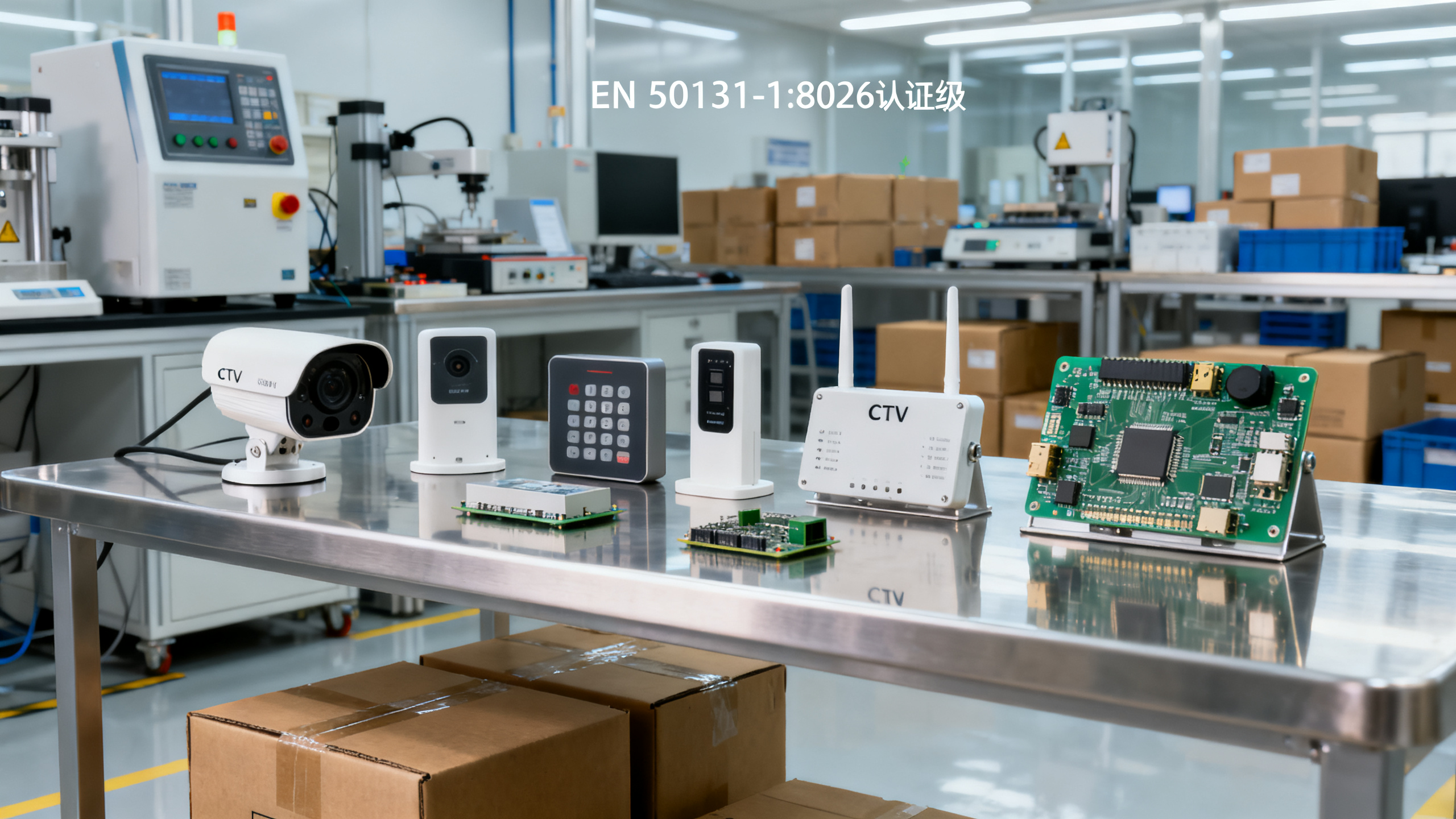
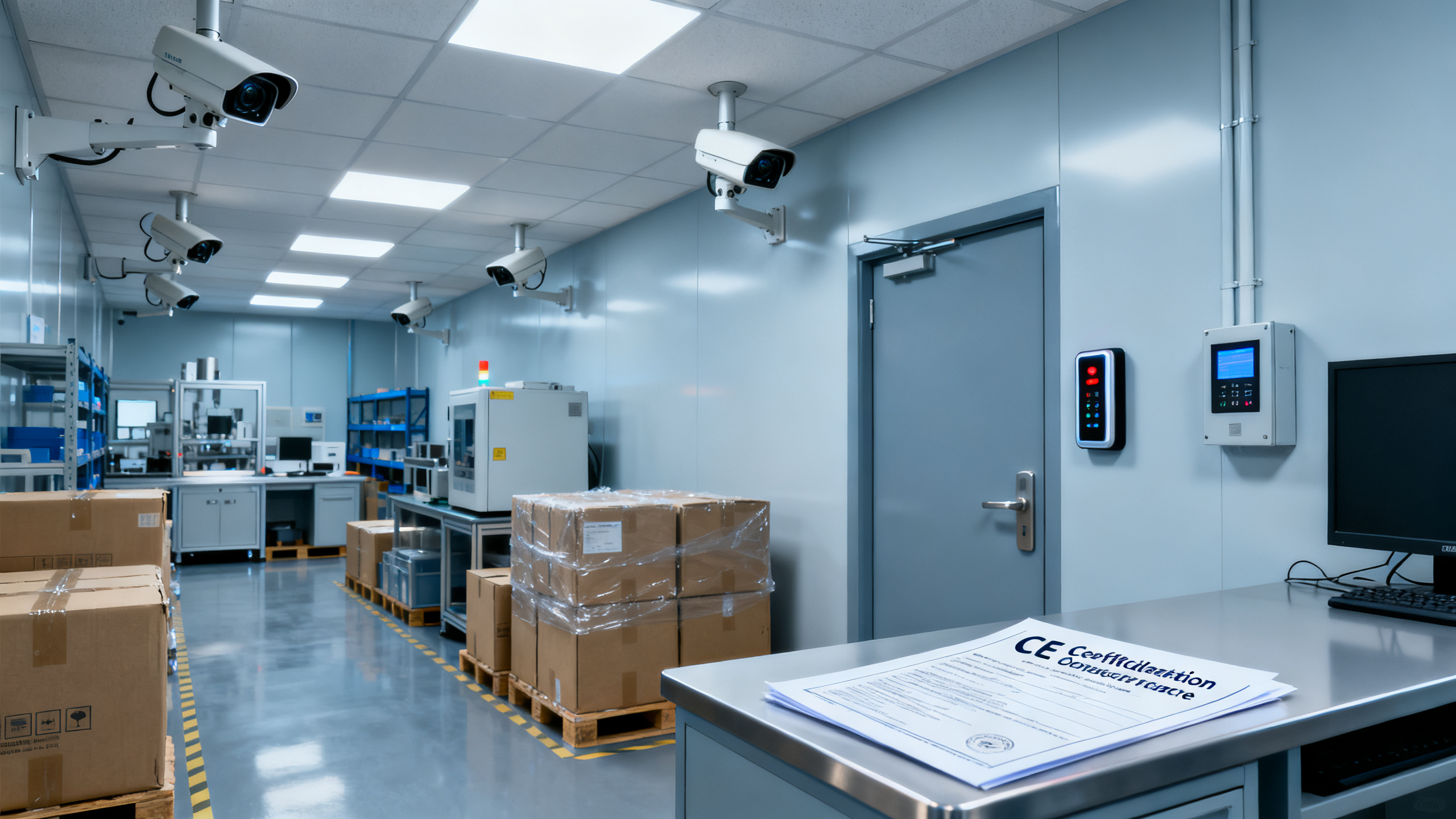
Depending on the market, buyers may need CE, FCC, UL-related testing, RoHS, REACH, fire-door compatibility, or local building approvals.
When biometric data or cloud access logs are involved, privacy regulations and data retention policies also become part of product evaluation.
Procurement teams should ask where data is stored, how communications are encrypted, and whether administrators can control permissions transparently.
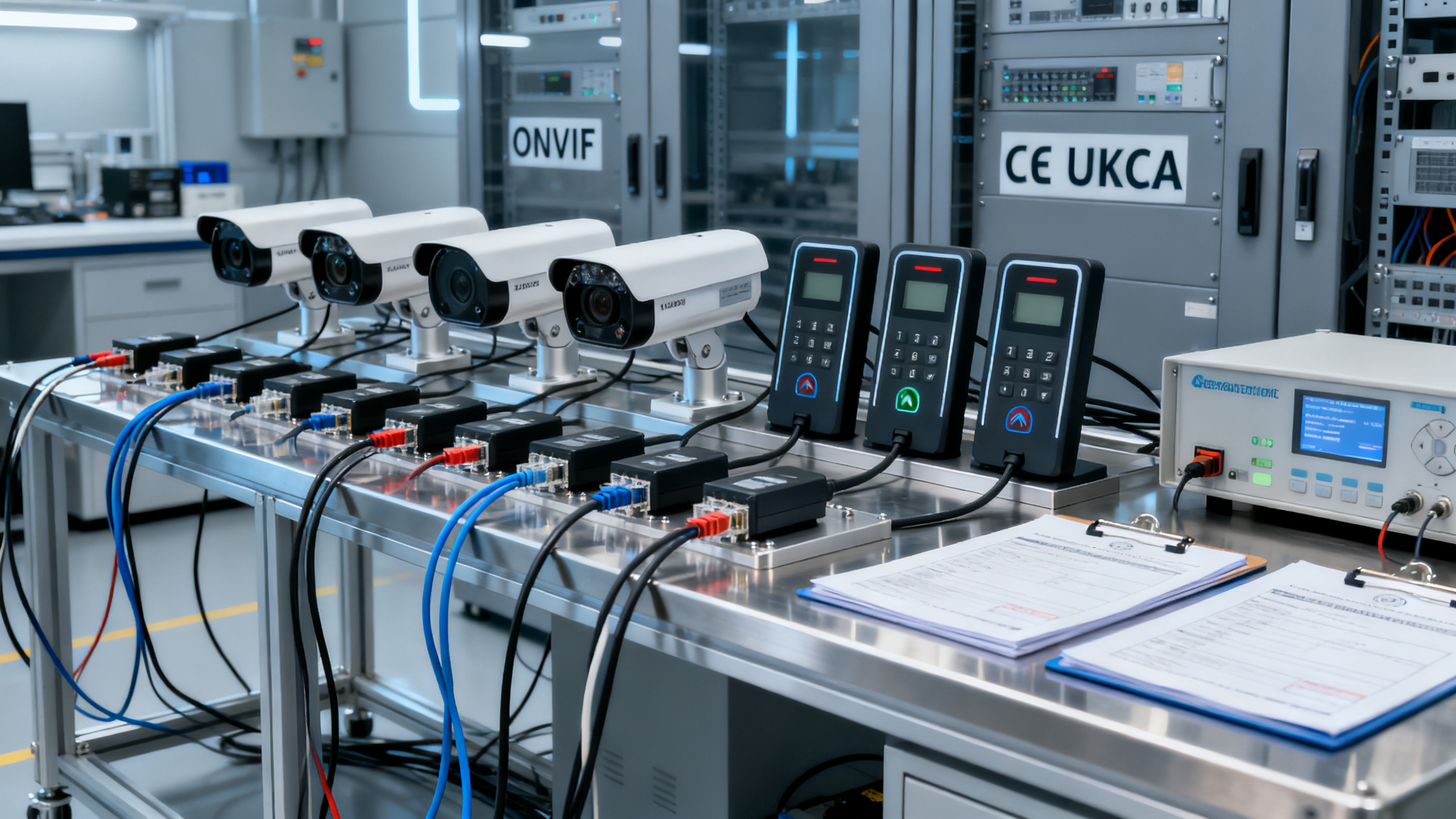
Supplier documentation should include technical datasheets, certification copies, cybersecurity explanations, installation manuals, and clear warranty terms.
A dependable supplier will not avoid compliance questions because institutional buyers need documented assurance before approving large-scale security purchases.
Supplier reliability matters as much as product design
Wholesale smart door locks are not one-time commodity purchases when they are installed across valuable properties or critical facilities.
The supplier must support consistent production quality, firmware maintenance, spare parts availability, packaging control, and reliable international logistics.
Procurement teams should review factory capacity, quality inspection processes, defect handling procedures, and experience with bulk export projects.
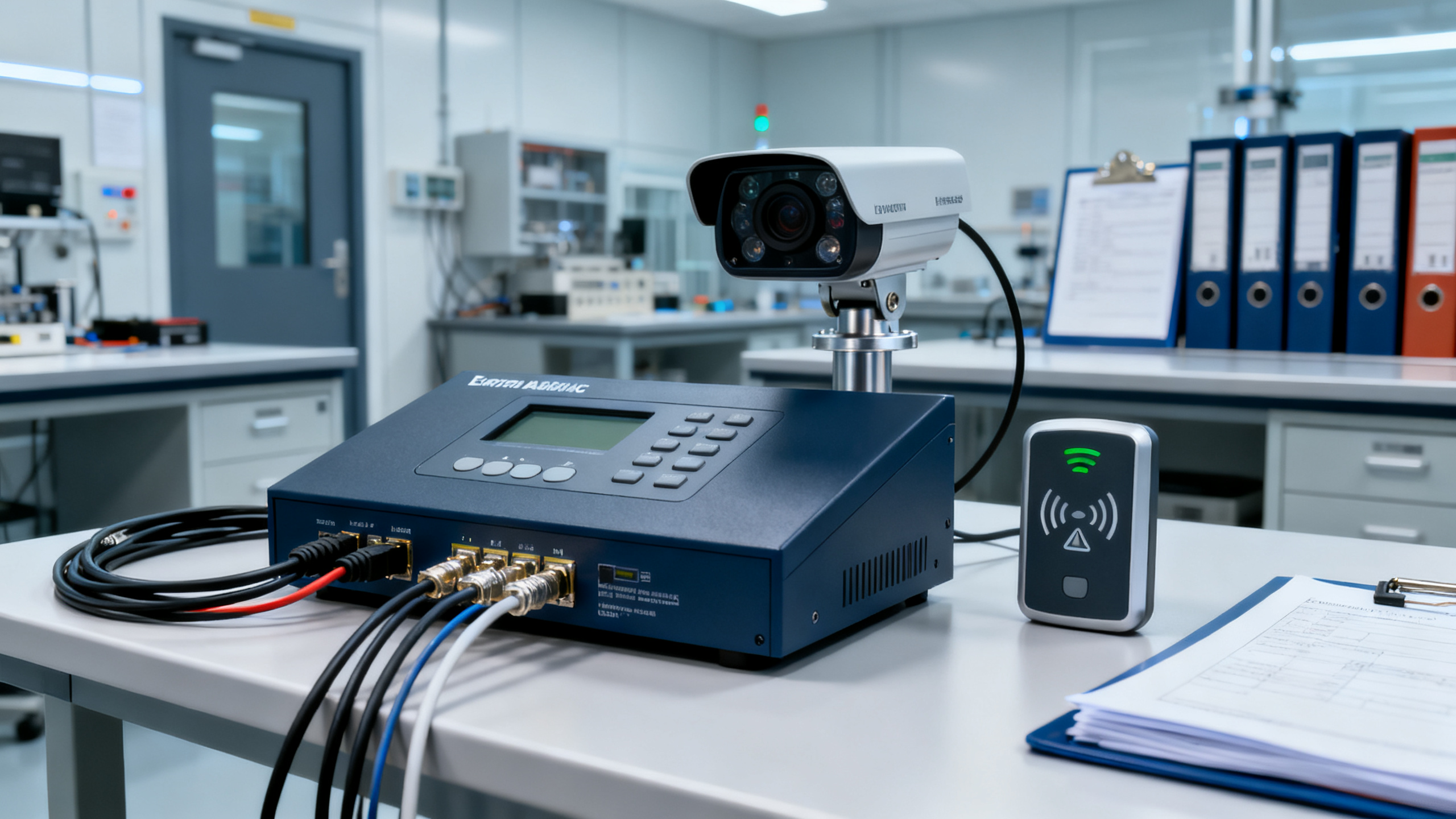
It is also useful to request samples for destructive testing, endurance testing, installation trials, and compatibility checks before final order approval.
Strong suppliers provide clear communication, realistic lead times, stable model availability, and documented after-sales support for installers and facility managers.
A low quotation from an unreliable supplier can create delayed projects, inconsistent batches, unsupported software, and expensive replacement programs.
Where wholesale smart locks create the strongest ROI
The best return usually appears in facilities where access changes frequently, manual key control is expensive, or accountability is important.
Hotels, serviced apartments, student housing, offices, warehouses, clinics, coworking spaces, and rental portfolios often gain measurable operational benefits.
In these environments, managers can issue or revoke credentials quickly, reduce lock replacement events, and review access records when incidents occur.
Smart locks also support flexible space usage, allowing temporary workers, contractors, tenants, or guests to receive controlled access without physical keys.
For procurement teams, ROI should be calculated through reduced key management, fewer service calls, faster turnover, and improved security visibility.
Projects with stable occupancy and minimal access changes may still benefit, but the operational payback may be slower and less visible.
Red flags buyers should identify before placing bulk orders
Several warning signs suggest that a wholesale smart door lock offer may carry hidden risk despite attractive pricing.
Buyers should be cautious if specifications are vague, certifications are unverifiable, software demonstrations are unavailable, or warranty terms lack detail.
Another risk is overdependence on a closed mobile application without clear export functions, administrator controls, or long-term software maintenance plans.
Battery performance claims should also be checked carefully, especially when locks use power-intensive communication methods or serve high-traffic entrances.
Procurement teams should avoid approving products without sample testing, installation feedback, cybersecurity review, and confirmation of spare part availability.
The goal is not to eliminate every possible risk, but to identify issues before they multiply across a large deployment.
How to evaluate a wholesale smart door lock quotation
A strong quotation should help procurement teams compare technical value, operational fit, and commercial risk in a structured way.
Buyers should request model specifications, material details, lock dimensions, door compatibility, battery type, operating temperature, and supported authentication methods.
The quotation should also clarify minimum order quantity, packaging, customization options, firmware language support, branding, delivery schedule, and payment terms.
For projects requiring integration, buyers should request API documentation, platform demonstrations, gateway requirements, administrator roles, and sample access reports.
It is wise to compare not only prices but also warranty duration, replacement policy, technical response time, and field support availability.
This approach turns supplier selection from simple price negotiation into a controlled procurement decision based on lifecycle value.
When are wholesale smart door locks worth buying?
Wholesale smart door locks are worth buying when they solve a defined access management problem and can be deployed reliably at scale.
They are especially valuable when buyers need centralized control, auditability, flexible credential management, and lower dependence on physical keys.
The strongest purchases combine durable hardware, secure software, practical authentication choices, documented compliance, and supplier support that survives after delivery.
They are less suitable when buyers cannot support installation planning, user training, connectivity requirements, or ongoing system administration.
Procurement teams should therefore begin with door types, user groups, security risks, and management workflows before comparing model catalogs.
A smart lock is not automatically valuable because it is connected; it is valuable when connectivity improves control, efficiency, and accountability.
Final takeaway for procurement teams
The real value of wholesale smart door locks lies in their ability to combine physical protection with scalable access management.
For procurement teams, the right question is not whether smart locks are modern, but whether they reduce risk and operating complexity.
A strong buying decision considers total cost, certified security performance, integration readiness, data protection, supplier reliability, and practical user experience.
When these factors align, wholesale purchasing can deliver more than hardware savings; it can strengthen the security foundation of an entire facility network.