Security & Safety Solutions: CCTV, Access Control, and Alarm System Choices
Author
Date Published
Reading Time
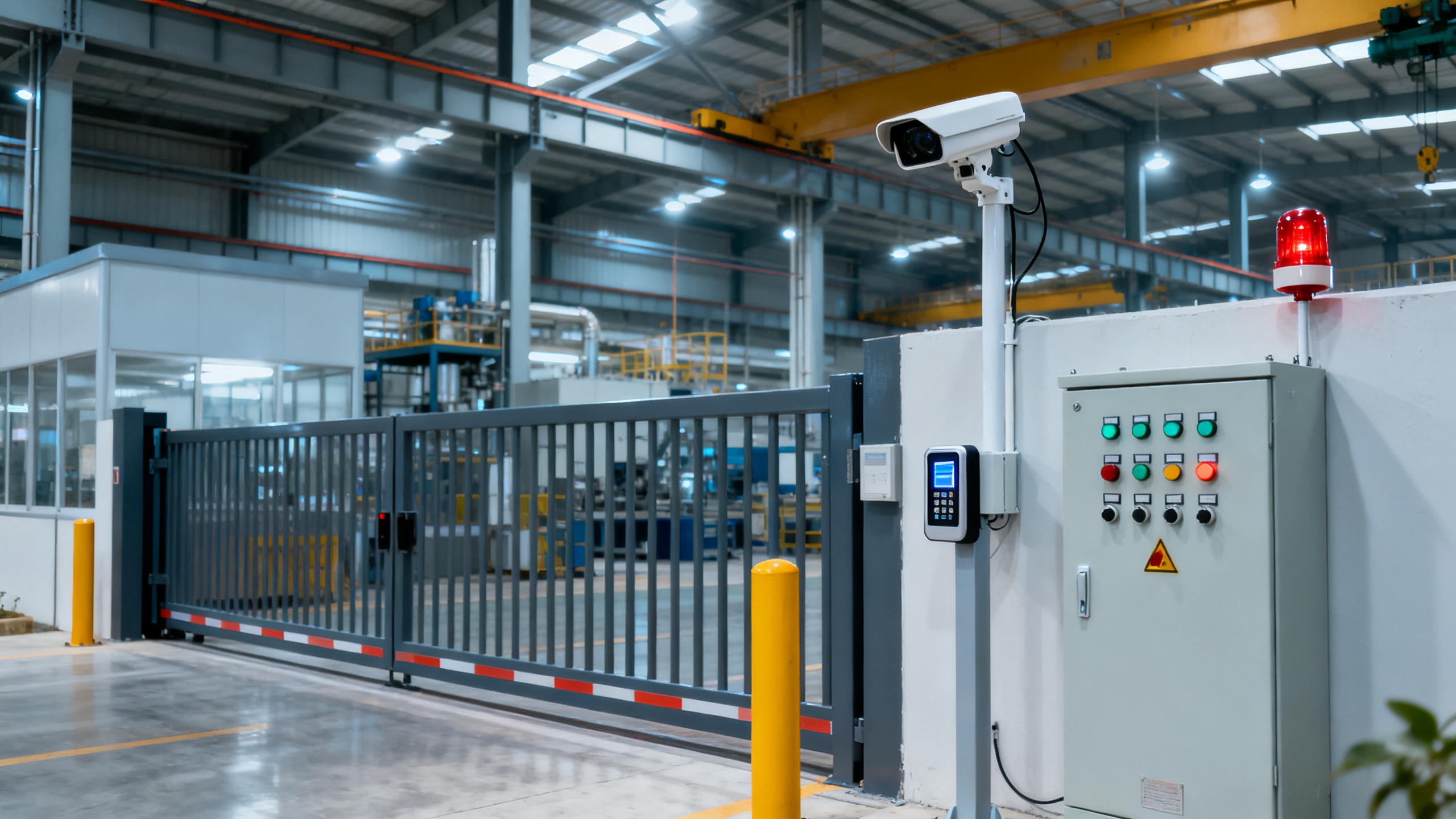
Selecting Security & Safety solutions is no longer a simple equipment purchase. It is a strategic decision affecting compliance, continuity, resilience, and operational confidence.
From CCTV surveillance and access control to alarm systems, every choice must reflect site risks, regulatory duties, and infrastructure goals.
This guide explains how to evaluate, combine, and govern Security & Safety solutions for industrial, commercial, and infrastructure environments.
Security & Safety Solutions in Modern Facilities
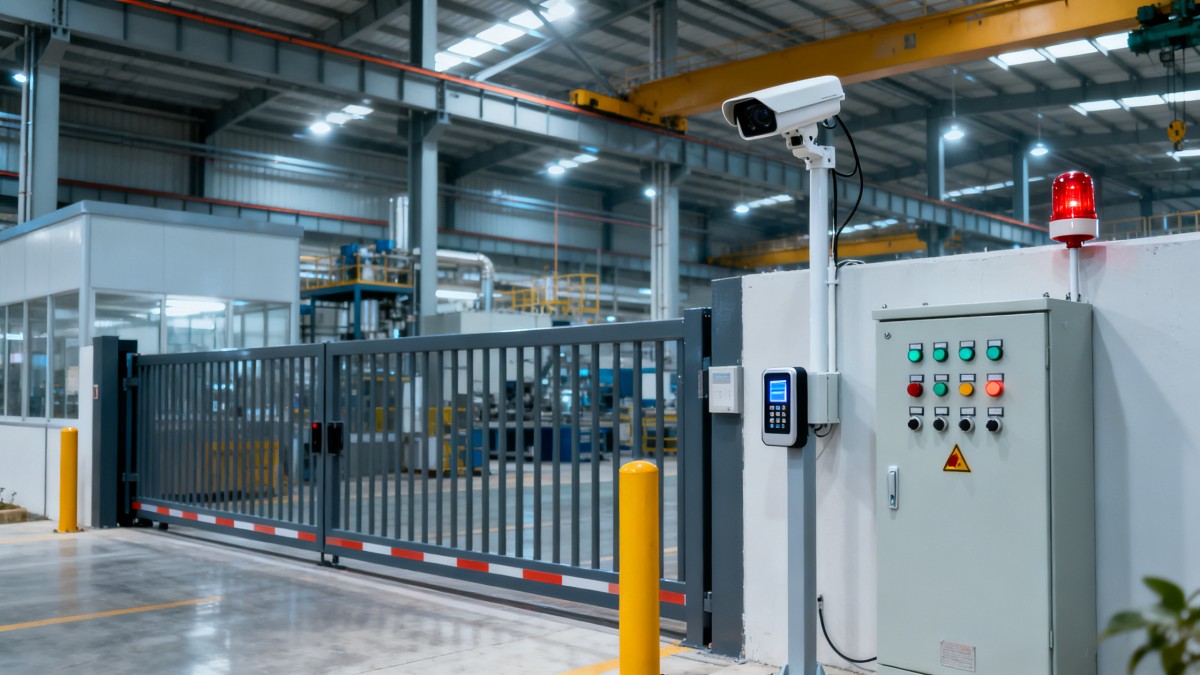
Security & Safety solutions cover systems that detect threats, control movement, verify events, and trigger timely response.
They usually include video surveillance, access control, intrusion alarms, emergency notification, and integrated monitoring platforms.
In industrial settings, these systems protect people, assets, production lines, utilities, warehouses, and restricted technical areas.
The best Security & Safety solutions are not isolated devices. They are coordinated layers designed around measurable risk.
A camera records evidence, but access control prevents unauthorized entry. An alarm detects anomalies, but integration accelerates response.
This layered model improves protection while reducing blind spots, false assumptions, and operational uncertainty.
Core Components
- CCTV systems for visibility, recording, analytics, and incident verification.
- Access control systems for identity validation and zone permission management.
- Alarm systems for intrusion, emergency, perimeter, and critical event detection.
- Monitoring platforms for centralized awareness, reporting, and escalation workflows.
Security & Safety solutions should support both prevention and investigation. This balance is essential for complex, high-value facilities.
Industry Drivers and Current Priorities
Facility risk has changed. Sites now face physical intrusion, supply chain disruption, cyber-physical exposure, and stricter compliance review.
Security & Safety solutions must therefore address operational continuity, auditability, data governance, and emergency readiness.
Modern systems are also expected to work in harsher environments, including dust, vibration, humidity, temperature variation, and electromagnetic interference.
These priorities shape how Security & Safety solutions are specified, tested, and maintained throughout the asset lifecycle.
CCTV Choices for Visibility and Evidence
CCTV remains the most visible layer within Security & Safety solutions. Its value depends on placement, image quality, storage, and analytics.
Camera selection should begin with purpose. Perimeter monitoring, process observation, entrance verification, and warehouse coverage require different designs.
Resolution alone is not enough. Lighting, lens angle, frame rate, compression, and low-light performance affect usable evidence.
Industrial CCTV may require IP66 or higher protection, corrosion resistance, explosion-proof housings, or thermal imaging capability.
Network video recorders and video management systems should match retention policy, bandwidth limits, cybersecurity requirements, and expansion plans.
CCTV Evaluation Points
- Define detection, recognition, and identification distances before selecting cameras.
- Verify night performance under realistic lighting and weather conditions.
- Align recording retention with legal, insurance, and operational requirements.
- Choose analytics only where they reduce workload or improve response.
- Secure video networks with segmentation, encryption, and strong credential control.
Well-designed CCTV strengthens Security & Safety solutions by turning events into verifiable, searchable, and actionable records.
Access Control as a Risk Boundary
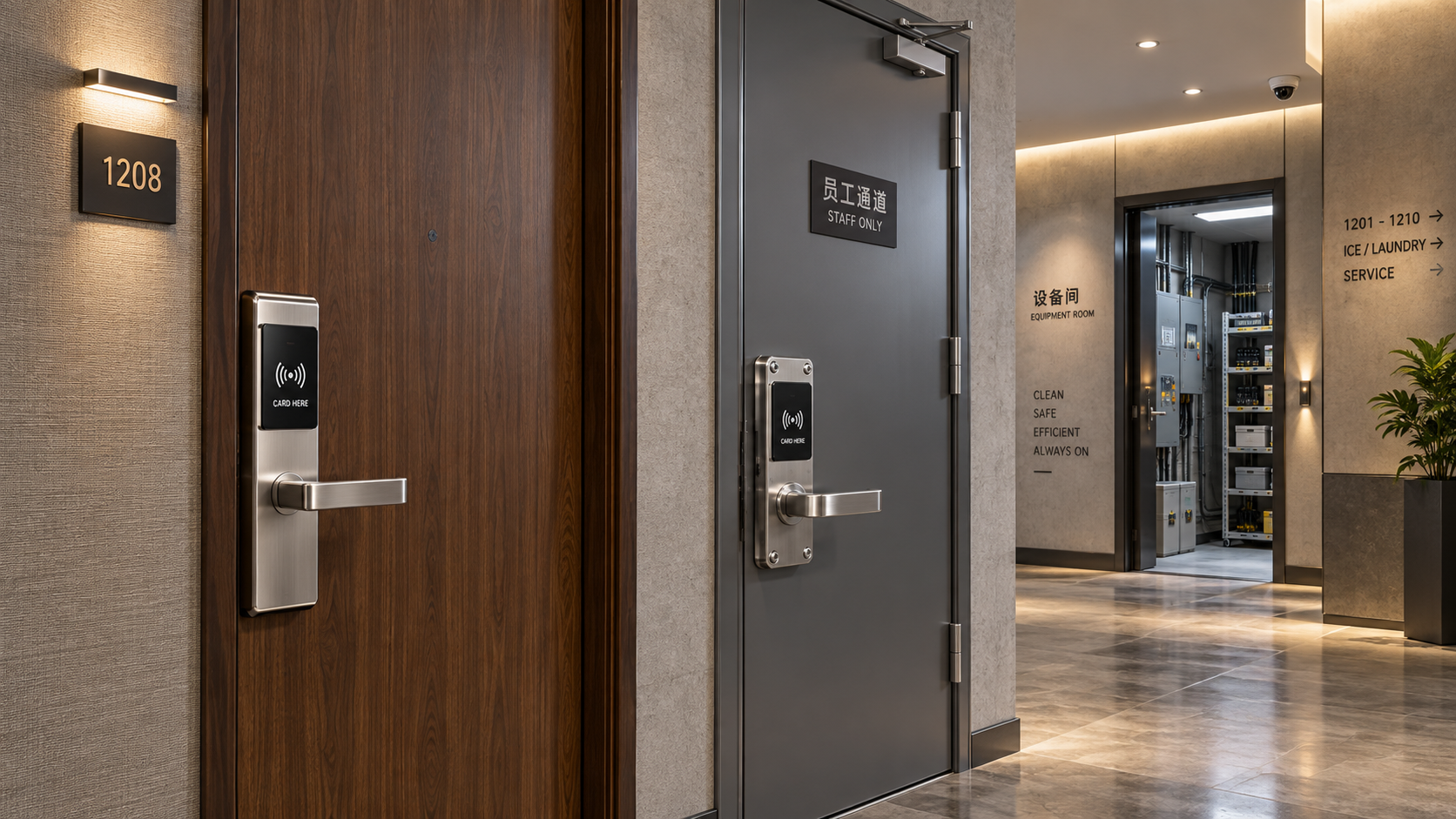
Access control defines who may enter, when they may enter, and which areas they may reach.
Within Security & Safety solutions, it converts physical space into managed zones with clear authorization rules.
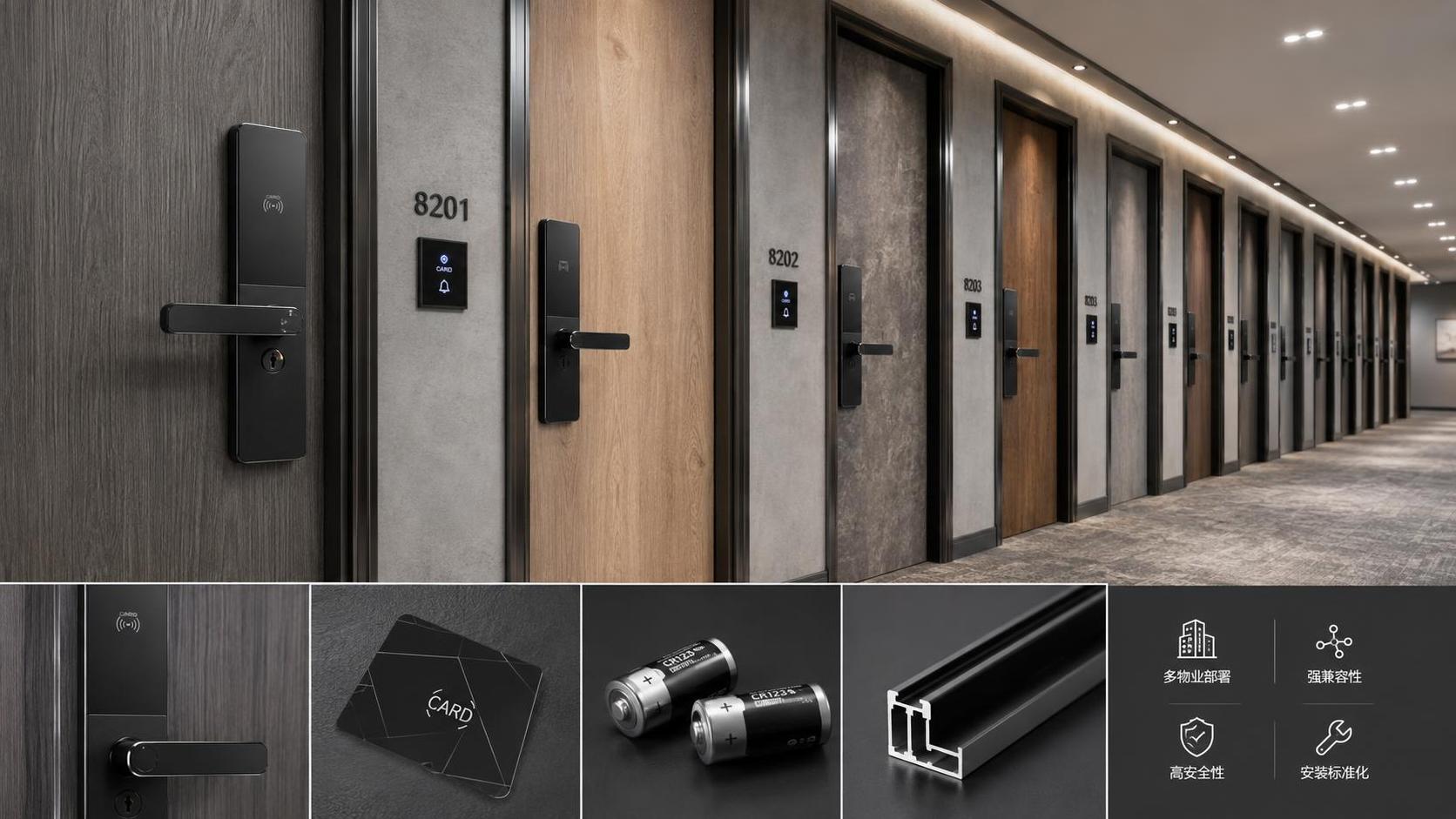
Common credentials include cards, PINs, mobile credentials, biometrics, and multi-factor combinations for sensitive areas.
The right method depends on risk level, user volume, hygiene requirements, climate, and acceptable authentication time.
Door hardware also matters. Locks, exit devices, controllers, readers, and power supplies must match local safety codes.
Access control improves Security & Safety solutions when permissions are reviewed regularly and promptly updated after personnel changes.
Alarm Systems for Detection and Response
Alarm systems detect events that require attention. They may cover intrusion, panic, duress, perimeter breach, fire interface, or equipment tampering.
In strong Security & Safety solutions, alarms are not just loud signals. They are structured triggers for verified action.
Sensor choice depends on the environment. Motion detectors, magnetic contacts, glass-break sensors, beams, and vibration detectors behave differently.
False alarms create fatigue and wasted response. Poorly tuned systems can become ignored, weakening the whole security posture.
Alarm design should include zoning, escalation rules, backup communication, power resilience, and maintenance testing.
Alarm Design Considerations
- Map protected assets before selecting sensors.
- Separate public, controlled, restricted, and critical zones.
- Use video verification where rapid decision-making is required.
- Define escalation paths for day, night, weekend, and shutdown periods.
- Test backup power and communication channels on schedule.
Alarm systems add real value when Security & Safety solutions connect detection with accountable response.
Integration and Platform Governance
Integration turns separate technologies into coordinated Security & Safety solutions. This is where operational value often increases most.
A forced door alarm can automatically display nearby cameras, lock adjacent doors, and notify defined response teams.
A visitor access event can be linked with identity records, time stamps, video clips, and host approval history.
Integration reduces manual searching and supports faster, more consistent decisions during incidents.
However, integration must be governed. Open protocols, cybersecurity controls, user privileges, and data retention rules need clear ownership.
- Use role-based platform permissions for operators and administrators.
- Maintain change logs for configuration updates and software patches.
- Segment security networks from general business traffic where possible.
- Confirm vendor support for standards, APIs, and lifecycle updates.
- Document incident workflows before commissioning integrated functions.
Security & Safety solutions should be easy to audit, difficult to misuse, and practical to maintain over many years.
Typical Applications Across Industrial and Commercial Sites
Different environments require different combinations of Security & Safety solutions. A warehouse does not carry the same risk profile as a substation.
The most reliable approach starts with asset value, threat probability, legal exposure, and consequences of downtime.
Security & Safety solutions become more effective when design reflects actual site behavior, not only drawings or assumptions.
Practical Specification and Procurement Guidance
Specification quality determines long-term performance. Vague requirements often lead to fragmented systems and higher lifecycle cost.
Security & Safety solutions should be specified with measurable outcomes, environmental conditions, compliance references, and service expectations.
Relevant certifications may include CE, UL, ISO management systems, fire code compliance, cybersecurity guidance, and local electrical standards.
Total cost should include installation, licensing, storage, maintenance, training, spare parts, upgrades, and end-of-life replacement.
Checklist Before Final Selection
- Confirm the risk assessment and protected asset list.
- Define performance acceptance tests before purchase approval.
- Request compatibility documentation for existing infrastructure.
- Review environmental ratings and installation constraints.
- Check data privacy, video retention, and access log policies.
- Evaluate supplier support, warranty terms, and spare part availability.
- Plan operator training and periodic system drills.
Security & Safety solutions should be evaluated through lifecycle reliability, not only purchase price or feature count.
Implementation Risks and Maintenance Controls
Even advanced systems fail when installation, commissioning, or maintenance is weak. Cable quality, grounding, positioning, and labeling matter.
Commissioning should test normal operation, fault conditions, power loss, network interruption, alarm escalation, and user permissions.
Maintenance should include camera cleaning, firmware review, credential audits, sensor testing, battery checks, and backup restoration drills.
Security & Safety solutions also require governance after handover. Unused accounts, outdated software, and undocumented changes create preventable exposure.
A practical maintenance calendar keeps systems dependable and supports compliance evidence during audits or investigations.
Action Path for Stronger Site Protection
Effective Security & Safety solutions begin with structured risk mapping, not product comparison. Identify critical areas, likely incidents, and response expectations.
Next, define how CCTV, access control, and alarm systems should work together under real operating conditions.
Then compare technologies using compliance, integration, reliability, cybersecurity, maintainability, and lifecycle cost as decision criteria.
Global Industrial Core supports informed evaluation with technical insight across security, measurement, power, environmental, and mechanical infrastructure domains.
To move from planning to implementation, document current vulnerabilities, set acceptance standards, and align Security & Safety solutions with long-term resilience goals.
Technical Specifications
- How to Select Electronic Hotel Key Card Locks for Guest Rooms and Staff AreasAuthor :Safety Compliance Lead
- How to Select Lab Instruments for Reliable Chemical Analysis WorkflowsAuthor :Precision Metrology Expert
- How to Size a UPS for Server Rooms: Load, Runtime, and Redundancy FactorsAuthor :Grid Infrastructure Analyst
Expert Insights

Chief Security Architect
Dr. Thorne specializes in the intersection of structural engineering and digital resilience. He has advised three G7 governments on industrial infrastructure security.
Related Analysis
- Sep 17, 2026How to Select Electronic Hotel Key Card Locks for Guest Rooms and Staff AreasAuthor :Safety Compliance Lead
- Sep 16, 2026How to Select Lab Instruments for Reliable Chemical Analysis WorkflowsAuthor :Precision Metrology Expert
- Sep 15, 2026How to Size a UPS for Server Rooms: Load, Runtime, and Redundancy FactorsAuthor :Grid Infrastructure Analyst
Core Sector // 01
Security & Safety
- How to Select Electronic Hotel Key Card Locks for Guest Rooms and Staff AreasAuthor :Safety Compliance Lead

- How to Evaluate a Hotel Key Card Lock Supplier for Multi-Property RolloutsAuthor :Safety Compliance Lead

- Pre-Contract Audit Checklist for Verified Production Safety and Environmental ComplianceAuthor :Safety Compliance Lead

- How Can Distributors Build Procurement-Oriented Industrial Content That Drives RFQs?Author :Safety Compliance Lead

- EU Mandates EN 50131-1:2026 for Security SystemsAuthor :Safety Compliance Lead

- EU EN 50131-1:2026 Takes Effect on CCTV ComplianceAuthor :Safety Compliance Lead

- IEC Issues CCTV Interoperability Test StandardAuthor :Safety Compliance Lead

- EN 50131-4:2026 Raises EU Security Compliance BarAuthor :Safety Compliance Lead