China Railway Construction Wins $4.5B Dubai Airport T3 Contract
Author
Date Published
Reading Time


On May 21, 2026, the UAE General Civil Aviation Authority (GCAA) officially awarded the mechanical, electrical, and plumbing (MEP) general contracting package for Terminal 3 of Dubai World Central Airport to China Railway Construction Corporation Limited (CRCC) for RMB 3.24 billion (~USD 450 million). The award marks a rare large-scale, certification-driven infrastructure export in the Middle East — one that activates cross-sector demand across Chinese industrial supply chains, particularly in security, fire safety, and medium-voltage power systems.
Event Overview
On May 21, 2026, the UAE General Civil Aviation Authority (GCAA) formally授标 (awarded) the MEP总承包 (general contracting) package for Dubai World Central Airport’s third terminal to China Railway Construction Corporation Limited (CRCC) at a contract value of RMB 3.24 billion. The project mandates compliance with three key international standards: CCTV systems must conform to IEC 62676-4; fire detection and alarm equipment must meet EN 54-22; and medium-voltage switchgear must be certified to IEC 62271-200. No subcontracting or waiver provisions were disclosed in the official award notice.
Industries Impacted
Direct Trade Enterprises: Export-oriented manufacturers of integrated security platforms, addressable fire alarm control panels, and certified medium-voltage switchgear assemblies are directly positioned to supply CRCC’s subcontractor packages. Impact manifests not only as near-term order volume but also as accelerated validation of product conformity — especially where prior CE/IEC certifications were held but lacked high-profile reference projects in GCC markets.
Raw Material Procurement Enterprises: Suppliers of flame-retardant cable insulation compounds (e.g., LSZH formulations), copper-clad aluminum busbar stock, and certified fire-rated enclosure alloys face upstream demand pressure. This is not driven by volume alone, but by traceability requirements: GCAA’s technical annex explicitly requires full material test reports (MTRs) linked to batch-level production records — a shift from transactional to auditable procurement practices.
Manufacturing Enterprises: OEMs producing EN 54-22–compliant smoke detectors or IEC 62271-200–certified 36 kV vacuum circuit breakers will experience intensified engineering coordination cycles. CRCC’s tender documents require joint factory acceptance tests (FAT) witnessed by GCAA-appointed third-party inspectors — meaning production lines must accommodate real-time documentation, bilingual labeling (English/Arabic), and non-standard packaging for desert logistics (e.g., sand-sealed enclosures).
Supply Chain Service Enterprises: Certification consulting firms, accredited test labs with GCC-recognized scope (e.g., DEKRA, TÜV Rheinland Dubai), and specialized freight forwarders offering DG-compliant air freight for lithium-based fire suppression modules are seeing renewed inquiry volumes. Crucially, the contract includes penalty clauses for delayed submission of conformity documentation — elevating the operational weight of regulatory logistics over pure transport speed.
Key Considerations and Recommended Actions
Verify Standard Alignment Beyond Labeling
Many Chinese manufacturers claim ‘IEC 62676-4 compliance’ based on internal testing. This project requires third-party verification against Clause 7.3 (cybersecurity hardening) and Annex B (video metadata integrity). Firms should re-audit existing test reports against GCAA’s published interpretation notes before bidding into CRCC’s subcontract pipeline.
Prepare for Dual-Language Technical Documentation
All submittals — including FAT protocols, maintenance manuals, and spare parts catalogs — must be submitted bilingually (English + Arabic) with certified translations. Arabic versions must use Gulf-standard terminology (e.g., ‘fire alarm control panel’ → ‘لوحة تحكم إنذار الحريق’), not Egyptian or Levantine variants. Translation vendors with UAE Ministry of Justice accreditation are mandatory.
Map Certification Gaps Across Subsystems
While individual components may hold relevant certificates, GCAA requires system-level integration validation. For example, an EN 54-22–certified detector paired with a non-certified annunciator voids compliance. Suppliers must disclose full signal chain architecture and obtain pre-approval for interface protocols (e.g., Modbus TCP vs. proprietary CAN bus).
Editorial Insight / Industry Observation
Observably, this award signals a structural pivot in how Chinese EPC contractors de-risk overseas infrastructure execution: instead of absorbing certification overhead internally, CRCC has embedded strict, enforceable standard gates at the subcontractor level — effectively outsourcing conformity assurance while retaining contractual control. Analysis shows this model reduces CRCC’s liability exposure but raises the barrier to entry for mid-tier Chinese suppliers lacking dedicated regulatory affairs capacity. From an industry perspective, it accelerates consolidation among domestic manufacturers capable of end-to-end certification management — not just product testing.
Conclusion
This contract is less a singular export win than a catalyst for systemic upgrade across China’s industrial export infrastructure. Its significance lies not in scale alone, but in its enforcement mechanism: binding international standards applied at the component-subsystem-system layer, with financial penalties tied to documentation fidelity. A rational reading suggests this sets a precedent for future GCC aviation and rail tenders — where technical compliance becomes a prerequisite gate, not a post-award negotiation point.
Source Attribution
Official award notice published by UAE General Civil Aviation Authority (GCAA) on May 21, 2026 (Ref: GCAA/INFRA/2026/087); CRCC press release dated May 21, 2026; IEC and CEN standard annexes accessed via ANSI Webstore and CEN-CENELEC Management Centre portals. Note: Final subcontractor selection timeline, GCAA’s audit frequency schedule, and local content requirements remain pending formal disclosure — to be monitored through GCAA’s quarterly infrastructure transparency bulletin.
Technical Specifications
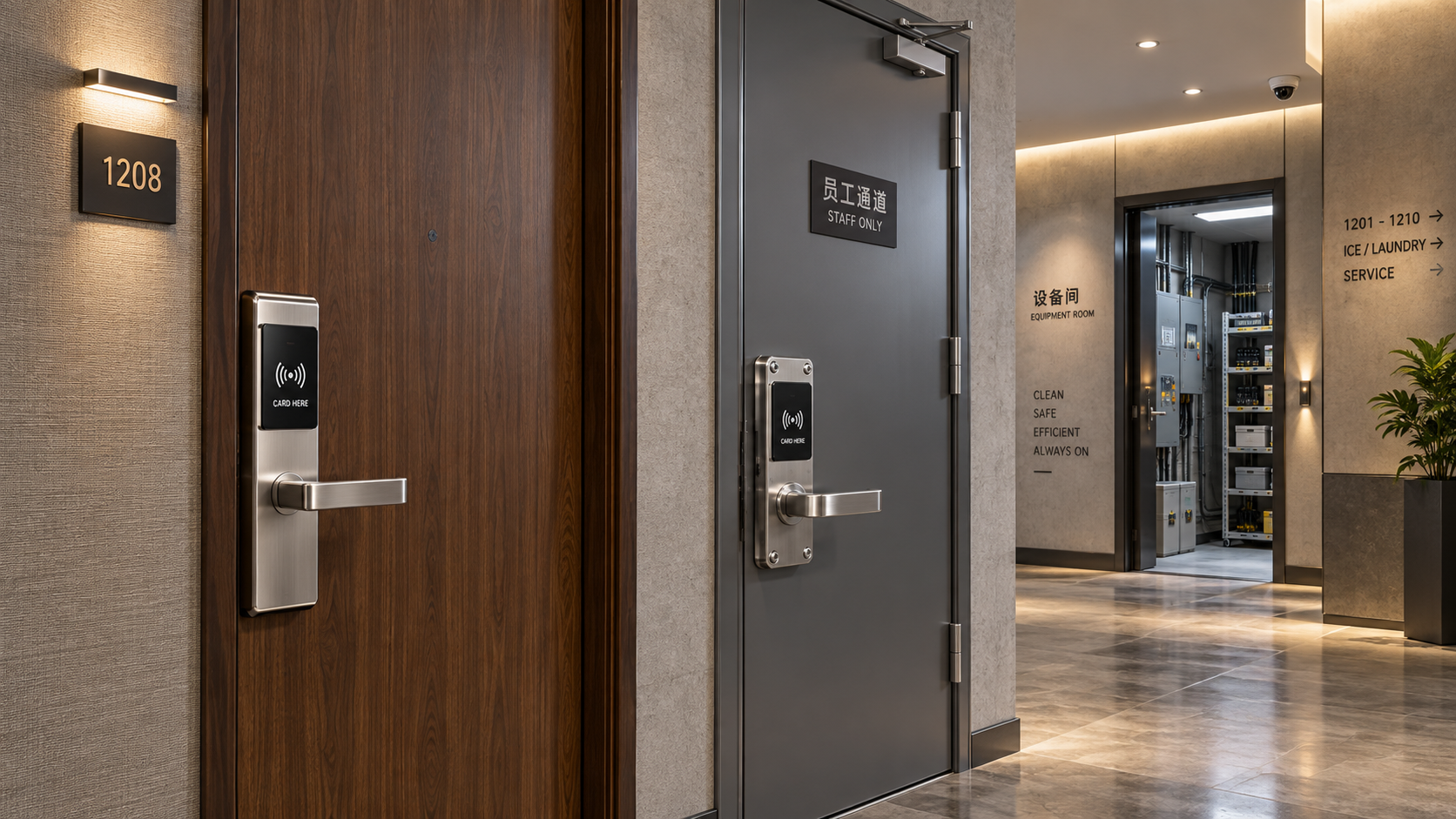
- How to Select Electronic Hotel Key Card Locks for Guest Rooms and Staff AreasAuthor :Safety Compliance Lead
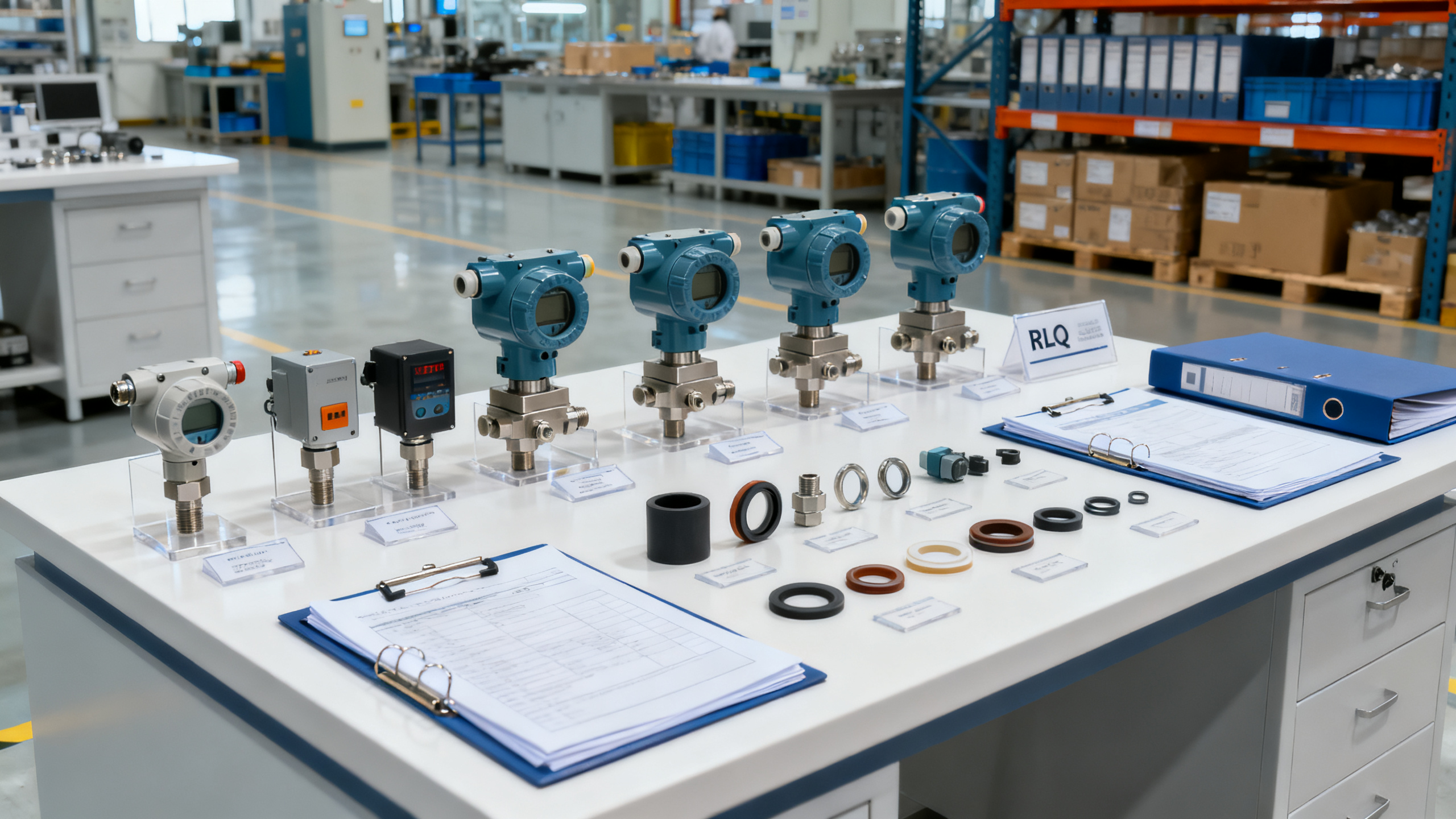
- How to Select Lab Instruments for Reliable Chemical Analysis WorkflowsAuthor :Precision Metrology Expert
- How to Size a UPS for Server Rooms: Load, Runtime, and Redundancy FactorsAuthor :Grid Infrastructure Analyst
Expert Insights

Chief Security Architect
Dr. Thorne specializes in the intersection of structural engineering and digital resilience. He has advised three G7 governments on industrial infrastructure security.
Related Analysis
- Sep 17, 2026How to Select Electronic Hotel Key Card Locks for Guest Rooms and Staff AreasAuthor :Safety Compliance Lead
- Sep 16, 2026How to Select Lab Instruments for Reliable Chemical Analysis WorkflowsAuthor :Precision Metrology Expert
- Sep 15, 2026How to Size a UPS for Server Rooms: Load, Runtime, and Redundancy FactorsAuthor :Grid Infrastructure Analyst
Core Sector // 01
Security & Safety
- How to Select Electronic Hotel Key Card Locks for Guest Rooms and Staff AreasAuthor :Safety Compliance Lead

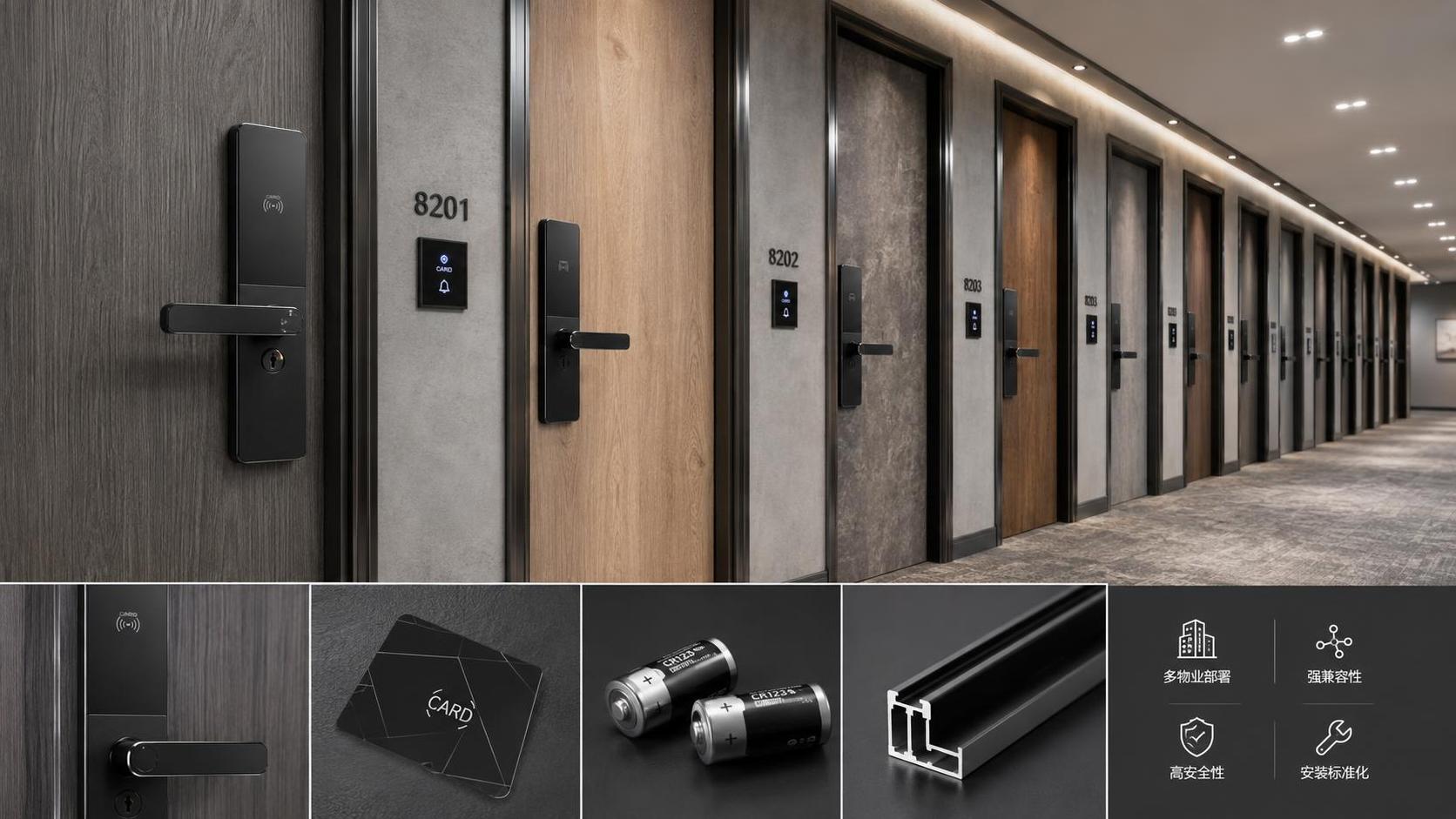
- How to Evaluate a Hotel Key Card Lock Supplier for Multi-Property RolloutsAuthor :Safety Compliance Lead

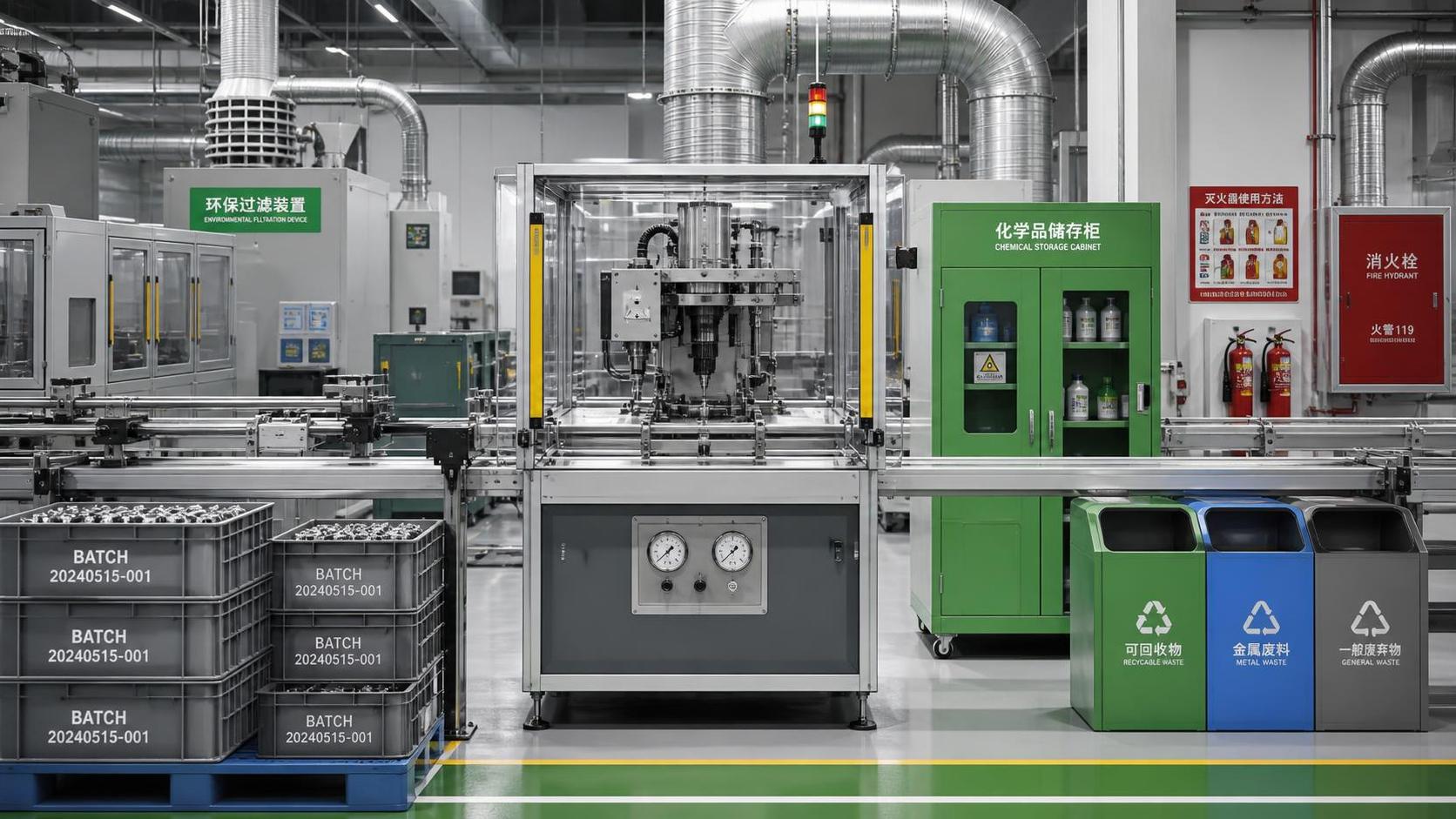
- Pre-Contract Audit Checklist for Verified Production Safety and Environmental ComplianceAuthor :Safety Compliance Lead

- How Can Distributors Build Procurement-Oriented Industrial Content That Drives RFQs?Author :Safety Compliance Lead

- EU Mandates EN 50131-1:2026 for Security SystemsAuthor :Safety Compliance Lead

- EU EN 50131-1:2026 Takes Effect on CCTV ComplianceAuthor :Safety Compliance Lead

- IEC Issues CCTV Interoperability Test StandardAuthor :Safety Compliance Lead

- EN 50131-4:2026 Raises EU Security Compliance BarAuthor :Safety Compliance Lead