US-China Trade Probes Raise Surveillance Export Risks
Author
Date Published
Reading Time

Image Placement Plan
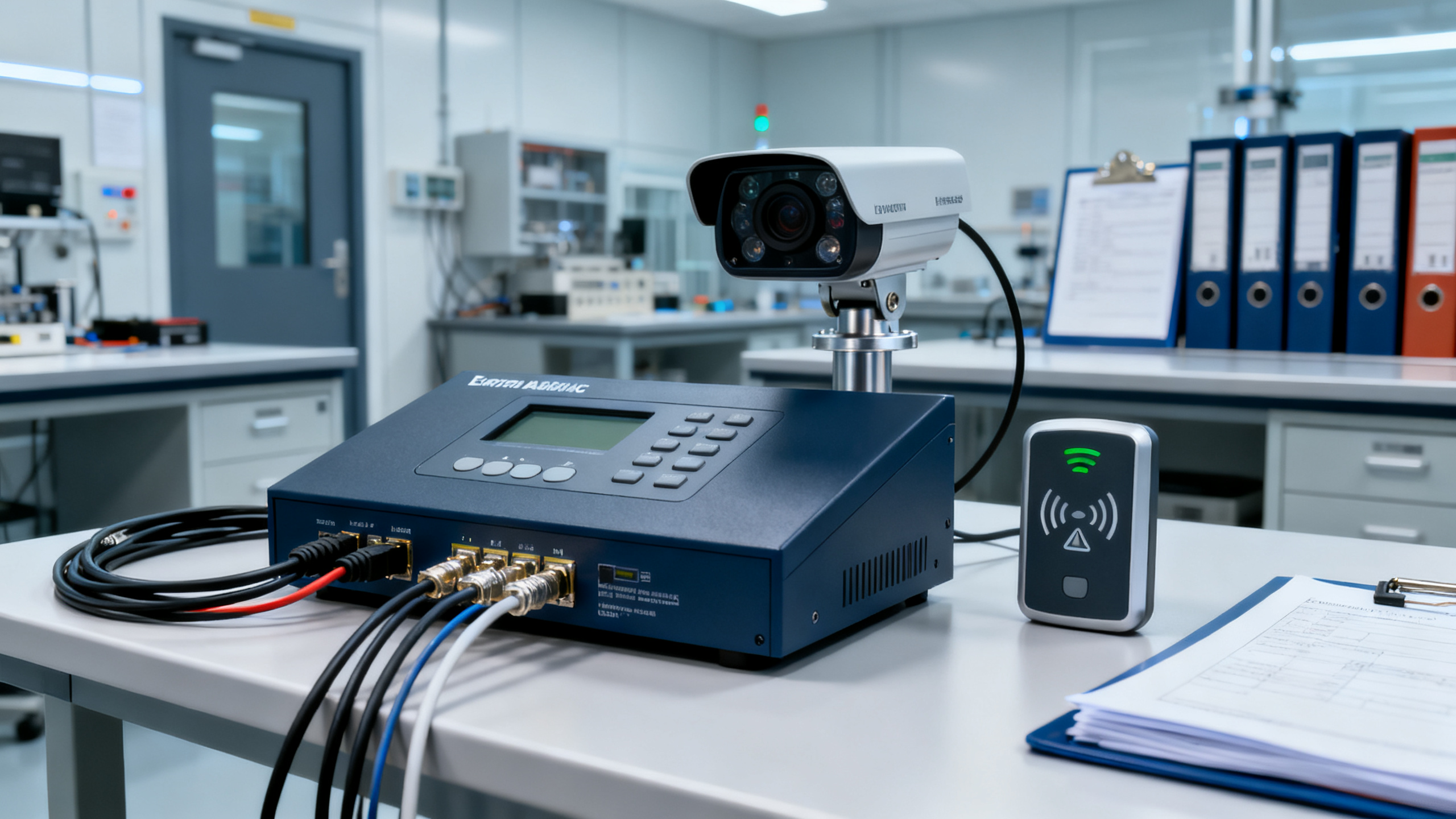
Place one industry image near the opening of the article to support the topic of trade compliance, supply chain traceability, and security surveillance equipment exports.

On March 27, 2026, the Ministry of Commerce of China initiated two trade barrier investigations under the Foreign Trade Law, a move relevant to exporters, importers, manufacturers, and service providers involved in security surveillance equipment because the review concerns rules of origin, technical standards, certification procedures, and future supply chain compliance expectations.
Confirmed Developments Around the Trade Barrier Review
According to the provided event summary, the Ministry of Commerce of China launched two trade barrier investigations on March 27, 2026, under the Foreign Trade Law.
The action was described as a direct response to U.S. Section 301 investigations involving Chinese security surveillance equipment and other products, where the stated U.S. concerns included forced labor and overcapacity.
The investigations are expected to examine several compliance-related areas, including the applicability of rules of origin, possible discrimination in technical standards, and the transparency of certification procedures.
The conclusions are expected to be released within approximately six months, based on the information provided.
Where the Pressure May Appear Across the Industry Chain
Direct trading companies
From an industry perspective, companies directly engaged in export and import transactions may be among the first to feel the impact because the event is linked to trade barrier investigations and Section 301-related scrutiny. The affected business links may include customs documentation, origin declarations, contract review, customer due diligence, and post-shipment record retention.
These companies may need to pay close attention to how rules of origin are interpreted, whether buyers request additional declarations, and whether future procurement documents require more detailed supply chain evidence.
Raw material and component purchasers
Analysis shows that purchasers of raw materials, components, and equipment used in security surveillance products could face stronger pressure to document sourcing paths. This is because the investigations include origin-related issues and because future supply chain due diligence may become more demanding for importers.
The practical impact may appear in supplier selection, purchase order terms, origin documentation, and the collection of supporting records from upstream vendors. Buyers may need to monitor whether suppliers can provide consistent documentation for materials, parts, and production inputs.
Processing and manufacturing enterprises
Manufacturers of security surveillance equipment may be affected through technical standards, certification procedures, and product documentation requirements. If technical standards or certification transparency become a focal point, manufacturers may need to review how product specifications, testing records, and certification files are prepared for overseas customers.
What deserves closer attention is the connection between production traceability and export compliance. Manufacturing enterprises may need to align internal quality records, production batches, test reports, and product configuration documents with the expectations of importers and downstream distributors.
Supply chain service providers
Logistics providers, compliance consultants, testing service providers, and documentation service companies may see higher demand for traceability support. This is not a confirmed outcome, but it is a reasonable industry observation given the focus on origin rules, certification transparency, and supply chain due diligence.
Relevant business links may include document verification, supplier file management, shipment record organization, and coordination between exporters, importers, and certification-related parties.
Compliance Priorities Companies Should Review Now
Recheck certification files and compliance evidence
Companies involved in security surveillance equipment exports should review whether certification records, testing materials, and compliance documents are complete, consistent, and easy to trace. Because the investigations cover certification procedure transparency, unclear or fragmented records may increase communication costs with overseas buyers.
Strengthen origin and supplier traceability
Since rules of origin are one of the confirmed review areas, enterprises should examine whether supplier qualifications, purchase records, production locations, and origin statements can support each other. Importers may request more detailed documentation if supply chain due diligence expectations become stricter.
Align technical specifications with buyer requirements
The review of technical standards means exporters and manufacturers should pay attention to specification alignment in contracts, bidding documents, and product files. Any mismatch between product descriptions, testing reports, and customer requirements may create additional review questions during trade or procurement processes.
Prepare for longer review and procurement cycles
Although no specific implementation measures have been confirmed, the expected six-month timeline for conclusions may lead market participants to adopt more cautious procurement and shipment planning. Companies may need to reserve additional time for document review, customer inquiries, and internal approval procedures.
Industry Observation: Compliance Is Becoming a Trade Variable
Analysis shows that this event should not be viewed only as a bilateral trade dispute. It is more appropriate to understand this as a sign that trade compliance, certification transparency, and supply chain traceability are becoming more closely linked in the security surveillance equipment sector.
From an industry perspective, technical standards and certification procedures may increasingly affect commercial competitiveness. Even when product performance remains unchanged, the ability to provide clear origin records, supplier documentation, and technical evidence may influence buyer confidence and procurement decisions.
Observably, importers may become more cautious about documentation gaps because the event summary indicates that future supply chain due diligence and compliance traceability requirements could become stricter. This is an analytical judgment based on the provided information, not a confirmed regulatory outcome.
Measured Outlook for the Surveillance Equipment Sector
The trade barrier investigations highlight the growing importance of regulatory transparency, origin compliance, and technical documentation in international trade involving security surveillance equipment.
For companies in the sector, the key lesson is to treat compliance records as part of export readiness rather than as an after-the-fact administrative task. The final impact will depend on the investigation conclusions and any subsequent changes in rules, procedures, or buyer requirements.
Information Basis and Items to Monitor
This article is based on the user-provided news title, event date, and event summary. Specific official source links were not provided in the input and should be verified continuously.
For similar matters, companies usually need to monitor official trade authority announcements, customs and import compliance guidance, certification body updates, and procurement documentation issued by relevant market participants.
Further observation is still needed on policy details, certification enforcement approaches, changes in bidding and specification documents, importer due diligence practices, and industry feedback after the investigation conclusions are released.
Technical Specifications
- How to Select Electronic Hotel Key Card Locks for Guest Rooms and Staff AreasAuthor :Safety Compliance Lead
- How to Select Lab Instruments for Reliable Chemical Analysis WorkflowsAuthor :Precision Metrology Expert
- How to Size a UPS for Server Rooms: Load, Runtime, and Redundancy FactorsAuthor :Grid Infrastructure Analyst
Expert Insights

Chief Security Architect
Dr. Thorne specializes in the intersection of structural engineering and digital resilience. He has advised three G7 governments on industrial infrastructure security.
Related Analysis
- Sep 17, 2026How to Select Electronic Hotel Key Card Locks for Guest Rooms and Staff AreasAuthor :Safety Compliance Lead
- Sep 16, 2026How to Select Lab Instruments for Reliable Chemical Analysis WorkflowsAuthor :Precision Metrology Expert
- Sep 15, 2026How to Size a UPS for Server Rooms: Load, Runtime, and Redundancy FactorsAuthor :Grid Infrastructure Analyst
Core Sector // 01
Security & Safety
- How to Select Electronic Hotel Key Card Locks for Guest Rooms and Staff AreasAuthor :Safety Compliance Lead

- How to Evaluate a Hotel Key Card Lock Supplier for Multi-Property RolloutsAuthor :Safety Compliance Lead

- Pre-Contract Audit Checklist for Verified Production Safety and Environmental ComplianceAuthor :Safety Compliance Lead

- How Can Distributors Build Procurement-Oriented Industrial Content That Drives RFQs?Author :Safety Compliance Lead

- EU Mandates EN 50131-1:2026 for Security SystemsAuthor :Safety Compliance Lead

- EU EN 50131-1:2026 Takes Effect on CCTV ComplianceAuthor :Safety Compliance Lead

- IEC Issues CCTV Interoperability Test StandardAuthor :Safety Compliance Lead

- EN 50131-4:2026 Raises EU Security Compliance BarAuthor :Safety Compliance Lead