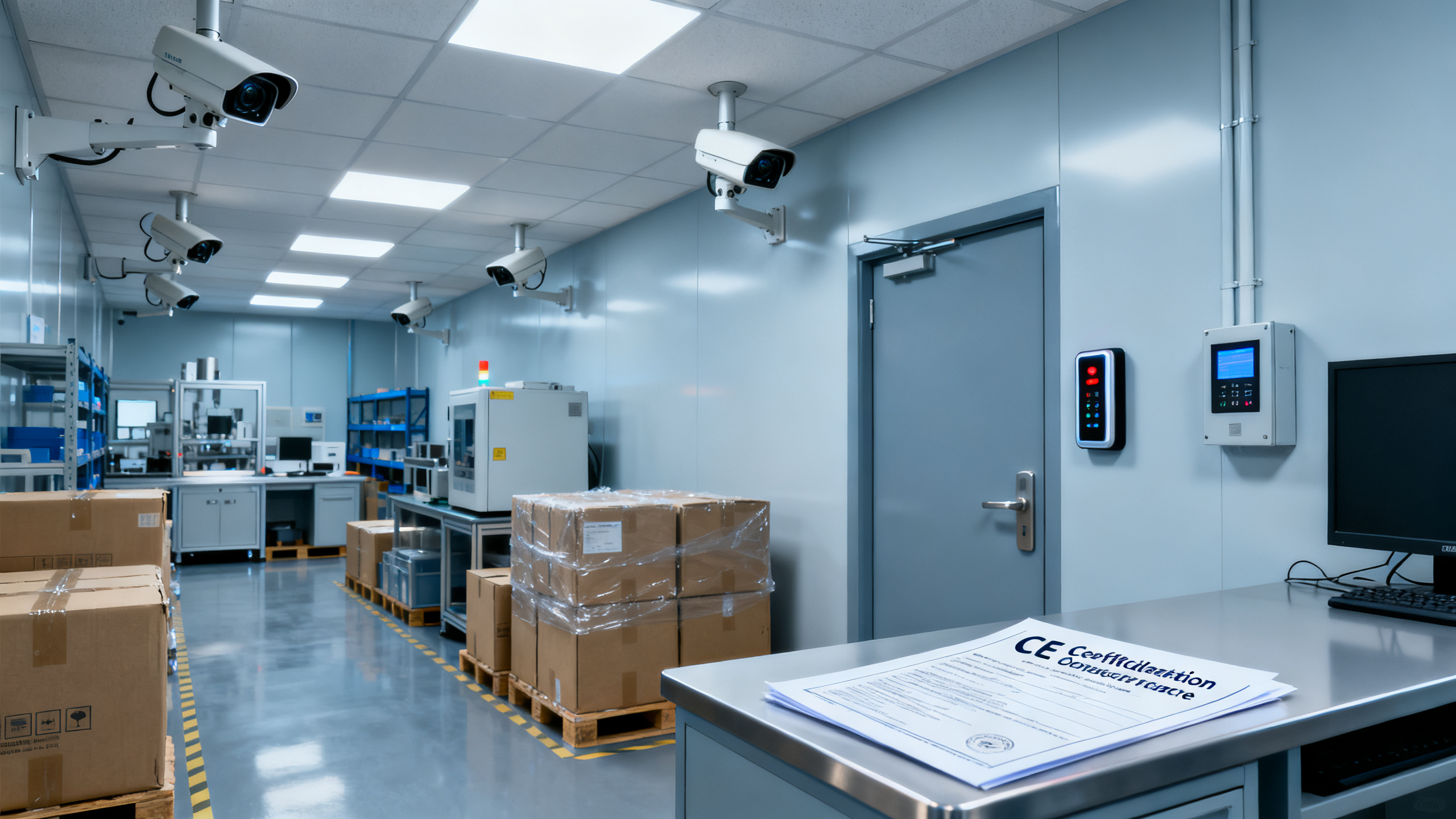
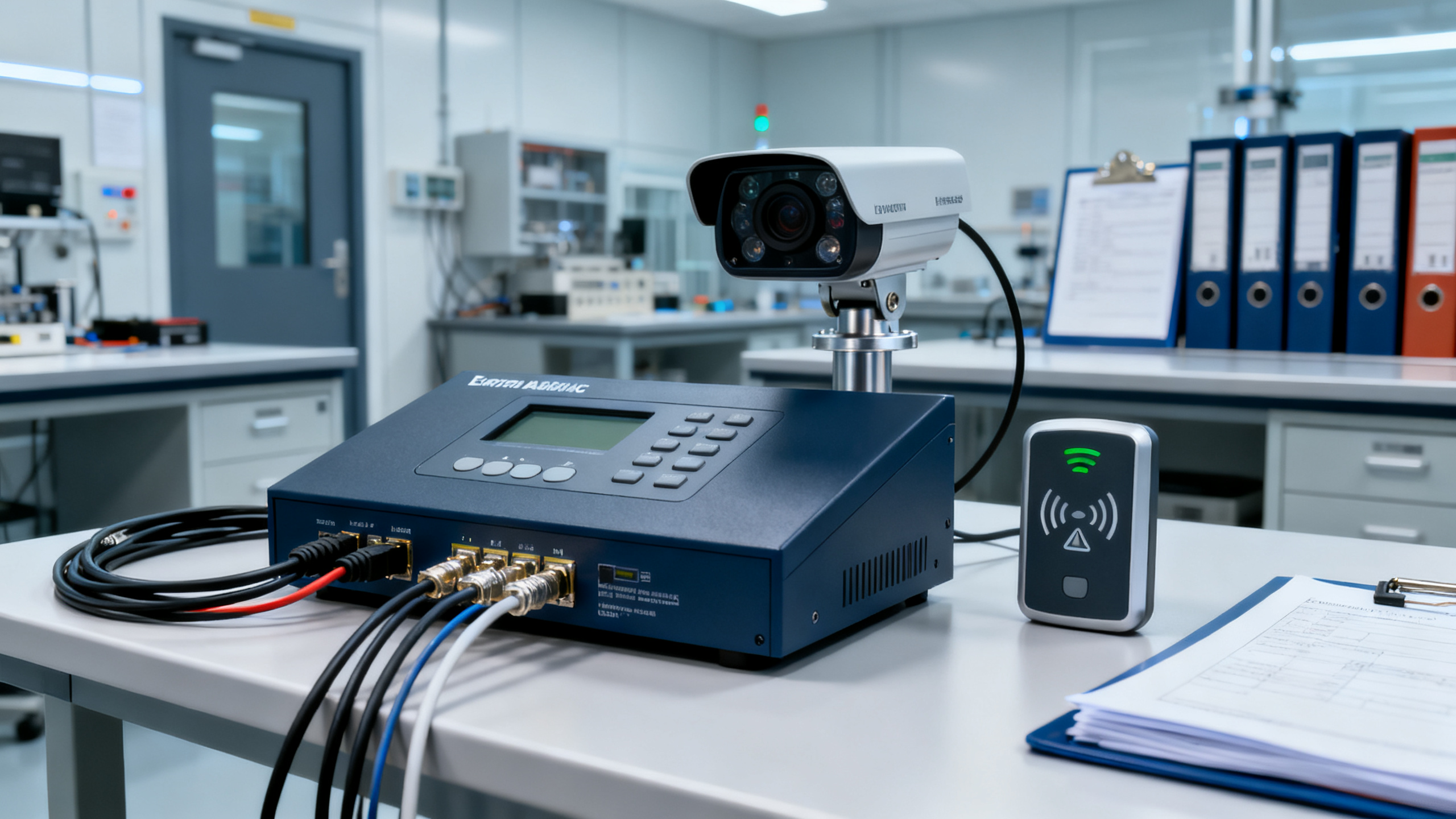
MSCI Asia-Pacific Index Rises 1.1% on Industrial Automation & Security Gains
Author
Date Published
Reading Time
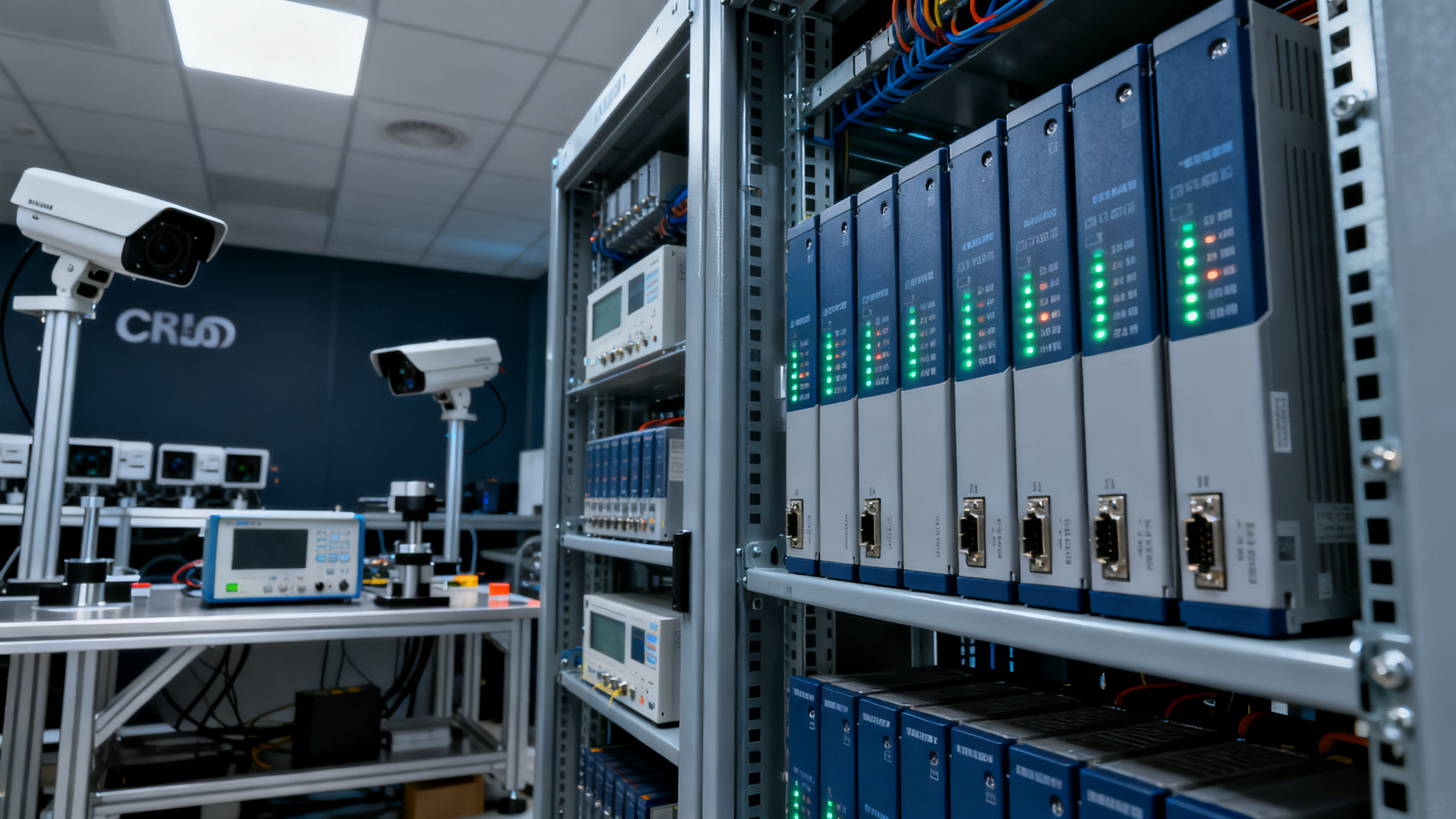
On May 21, 2026, the MSCI Asia-Pacific Index climbed 1.1% to 263.73 points, with industrial automation, CCTV and access control, and testing & measurement sectors leading gains—up 2.3% to 2.8%. This movement reflects broadening global infrastructure investment momentum, particularly in emerging manufacturing and smart city deployments, and signals improved export pricing power and order visibility for Chinese suppliers in these segments.
Event Overview
On May 21, 2026, the MSCI Asia-Pacific Index rose 1.1% to 263.73. Industrial automation, CCTV and access control, and testing & measurement subindices gained between 2.3% and 2.8%. According to institutional analysis, the rally was driven by increased manufacturing reshoring orders in Southeast Asia, a surge in smart security tenders across the Middle East, and the launch of grid modernization procurement programs in Latin America.
Industries Affected
Direct Export Enterprises: Firms engaged in exporting industrial automation controllers, networked video surveillance systems, and calibrated test instruments benefit from stronger regional demand signals. Impact manifests in improved quotation leverage, shorter order-to-shipment cycles, and higher forward visibility—especially for Tier-1 OEMs with certified compliance (e.g., IEC 61508, ISO/IEC 17025).
Raw Material Procurement Enterprises: Suppliers sourcing semiconductors (e.g., image sensors, real-time MCUs), precision optical components, and industrial-grade PCB laminates face tightening supply-demand balance. While current spot prices remain stable, lead times for certain analog and mixed-signal ICs have extended by 2–3 weeks—suggesting early-stage pressure on input cost predictability.
Contract Manufacturing Enterprises: EMS and ODM providers serving automation and security OEMs report rising capacity utilization in SMT lines configured for high-reliability assemblies. The impact is most visible in yield consistency requirements: clients now mandate tighter process capability indices (Cpk ≥ 1.67) and accelerated FAI (First Article Inspection) turnaround—indicating elevated quality gatekeeping ahead of regional tenders.
Supply Chain Services Enterprises: Freight forwarders specializing in air-freight logistics for time-sensitive electronics and customs brokers with ASEAN/MENA regulatory expertise observe increased inquiry volume for multi-leg shipments (e.g., Shenzhen → Dubai → Riyadh). Demand for bonded warehousing near key ports (e.g., Tanjung Pelepas, Jebel Ali) has risen modestly—suggesting early inventory positioning ahead of tender award cycles.
Key Focus Areas and Recommended Actions
Monitor Tender Timelines in MENA and LATAM Markets
Regional smart security and grid upgrade procurements are typically awarded within 6–9 months of public announcement. Companies should track official portals (e.g., Saudi Tenders Portal, Chile Compras) and align technical documentation (e.g., UL 2900-2-1, IEC 62443-4-2) well ahead of submission deadlines.
Review Component Sourcing Strategy for Dual-Sourcing Resilience
Given observed lead-time extensions for select industrial ICs and optical modules, firms should assess dual-sourcing feasibility—not only for cost but for certification continuity (e.g., qualifying alternate suppliers under same ISO 9001/IECQ QC080000 scope).
Strengthen Local Compliance Support Capabilities
Successful bids in Southeast Asia and the Middle East increasingly require local representative registration, type approval (e.g., SIRIM, ESMA), and after-sales service localization. Exporters should prioritize partnerships with in-region technical support partners—not just distributors—before tender participation.
Editorial Perspective / Industry Observation
Analysis shows this index move is less about short-term speculation and more about structural recalibration: global capital is reallocating toward tangible infrastructure resilience, not just digital layer deployment. Observably, the outperformance of testing & measurement stocks—often overlooked in prior tech rallies—signals growing investor emphasis on verification rigor in industrial transformation. From an industry perspective, the convergence of manufacturing reshoring, urban security upgrades, and energy transition is creating a rare multi-regional demand tailwind—but one that rewards operational discipline over scale alone. Current data better supports a view of sustained mid-cycle strength rather than a speculative bubble.
Conclusion
This index movement underscores a broader shift: industrial infrastructure modernization is no longer regionally siloed but globally synchronized. For Chinese exporters and supporting enterprises, the implication is clear—not just higher demand, but demand that selects for compliance readiness, technical agility, and localized execution capability. A rational reading suggests selective opportunity, not blanket upside.
Source Attribution
Data sourced from MSCI Inc. (index level and sector weights, May 21, 2026 close); tender activity referenced from official portals of the Saudi Authority for Accredited Valuers (SAV), Singapore Government E-Procurement System (GeBIZ), and Chile’s Compras Públicas platform. Regulatory timelines and certification requirements verified against latest editions of IEC 62443-4-2 (2023), UL 2900-2-1 (2022), and SIRIM QAS Technical Bulletin No. 2024-07. Note: Tender award outcomes, final contract values, and regional import regulation updates remain subject to ongoing monitoring.
Technical Specifications
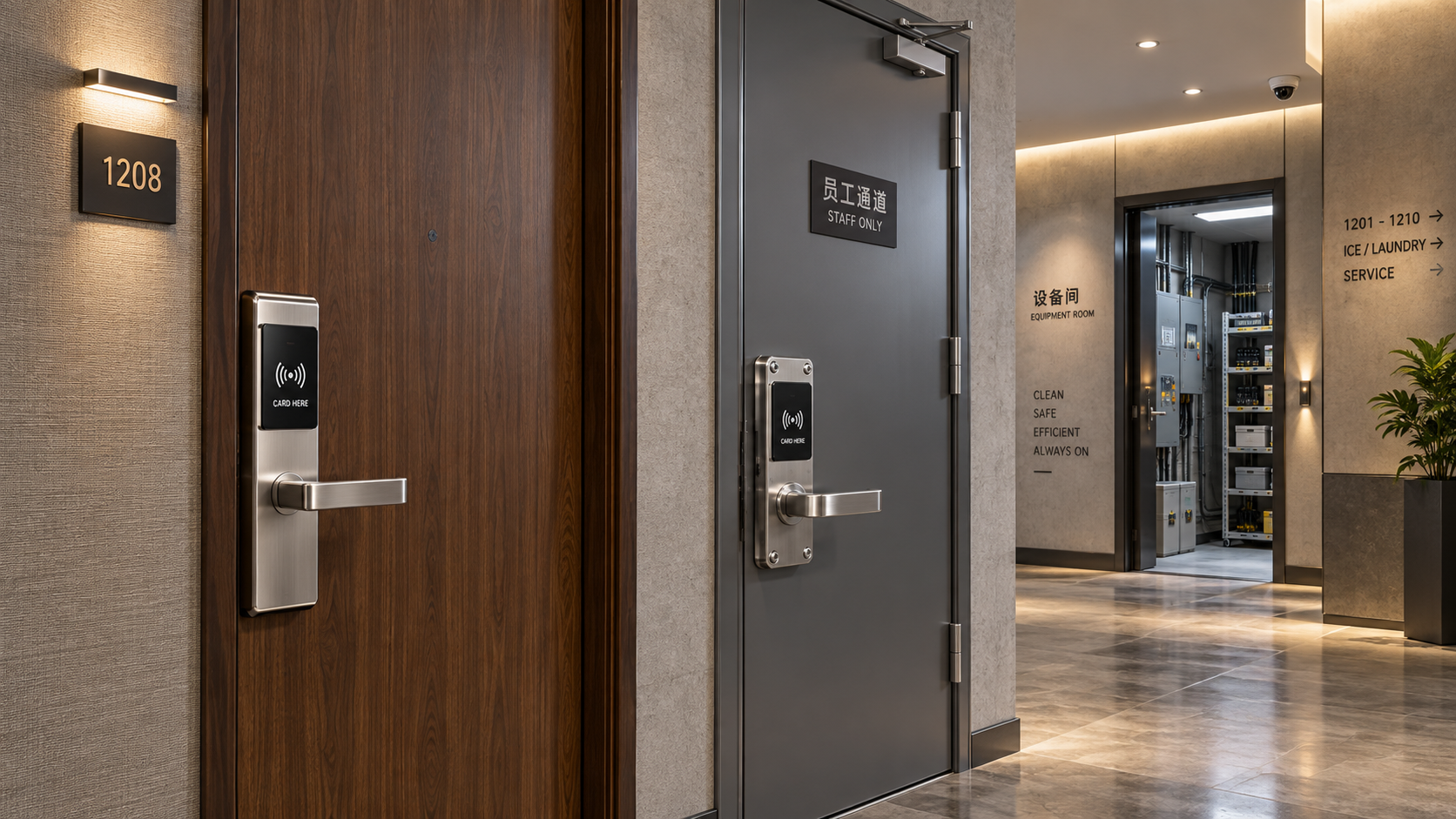
- How to Select Electronic Hotel Key Card Locks for Guest Rooms and Staff AreasAuthor :Safety Compliance Lead
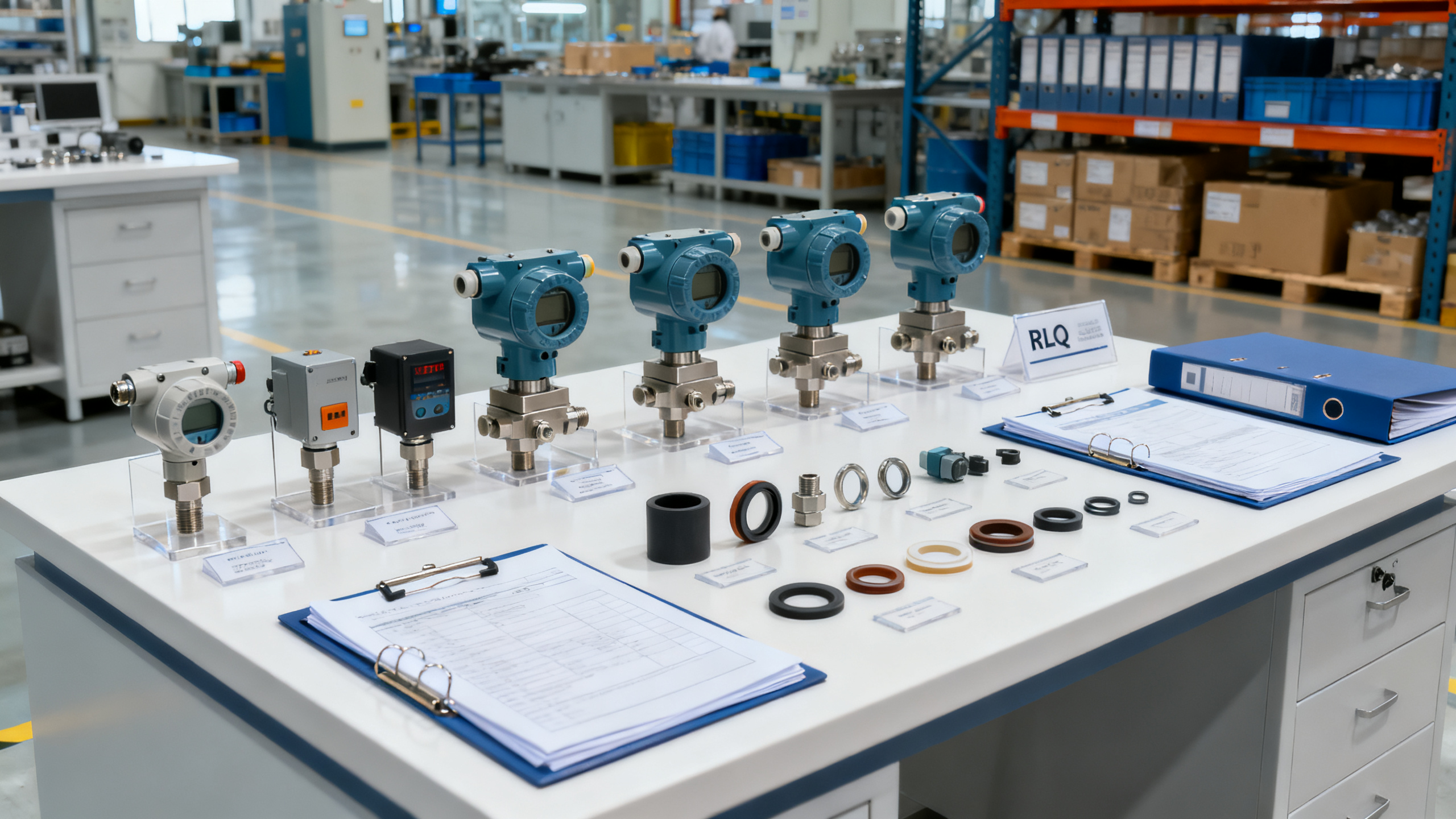
- How to Select Lab Instruments for Reliable Chemical Analysis WorkflowsAuthor :Precision Metrology Expert
- How to Size a UPS for Server Rooms: Load, Runtime, and Redundancy FactorsAuthor :Grid Infrastructure Analyst
Expert Insights

Chief Security Architect
Dr. Thorne specializes in the intersection of structural engineering and digital resilience. He has advised three G7 governments on industrial infrastructure security.
Related Analysis
- Sep 17, 2026How to Select Electronic Hotel Key Card Locks for Guest Rooms and Staff AreasAuthor :Safety Compliance Lead
- Sep 16, 2026How to Select Lab Instruments for Reliable Chemical Analysis WorkflowsAuthor :Precision Metrology Expert
- Sep 15, 2026How to Size a UPS for Server Rooms: Load, Runtime, and Redundancy FactorsAuthor :Grid Infrastructure Analyst
Core Sector // 01
Security & Safety
- How to Select Electronic Hotel Key Card Locks for Guest Rooms and Staff AreasAuthor :Safety Compliance Lead

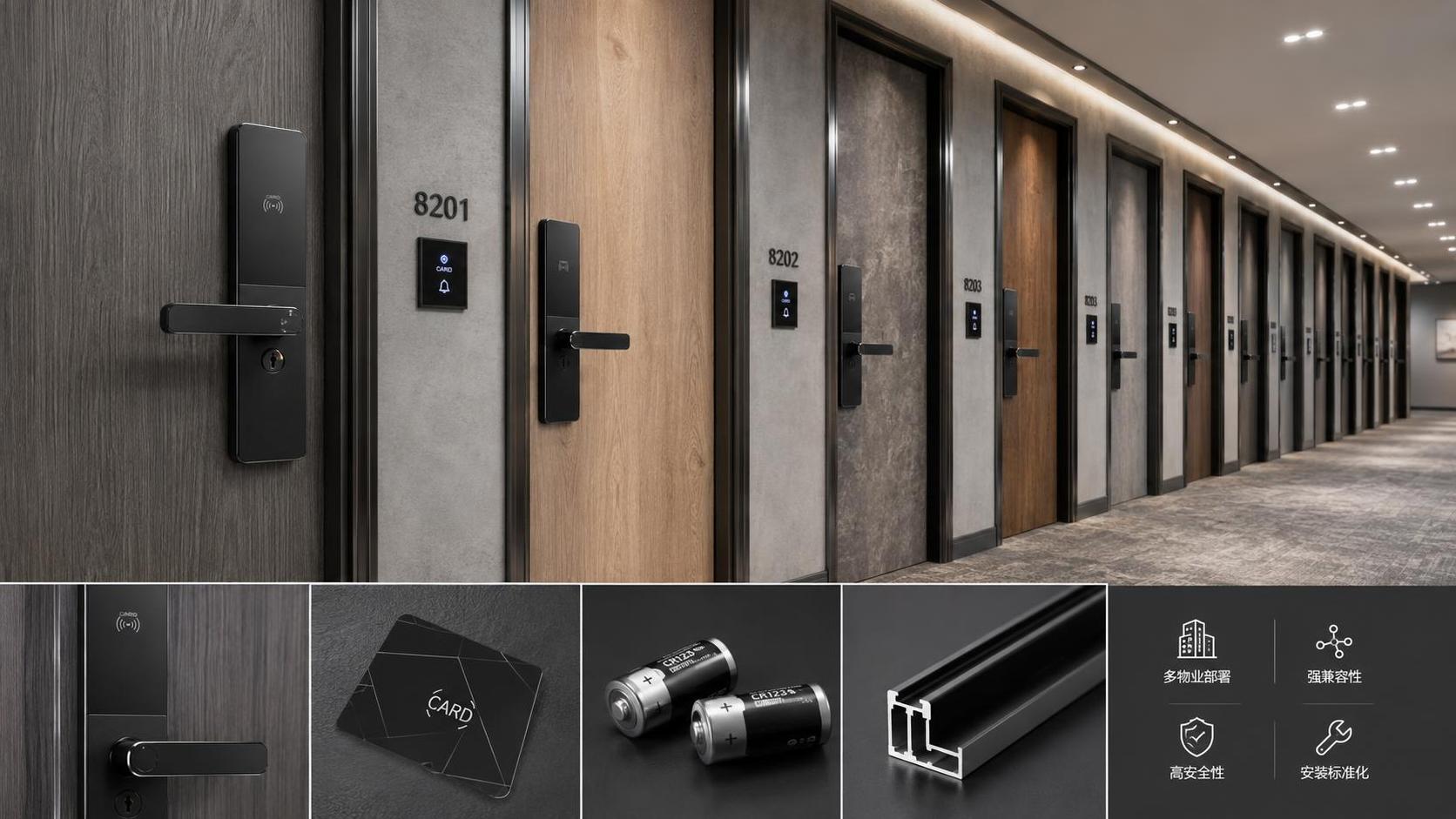
- How to Evaluate a Hotel Key Card Lock Supplier for Multi-Property RolloutsAuthor :Safety Compliance Lead

- Pre-Contract Audit Checklist for Verified Production Safety and Environmental ComplianceAuthor :Safety Compliance Lead

- How Can Distributors Build Procurement-Oriented Industrial Content That Drives RFQs?Author :Safety Compliance Lead

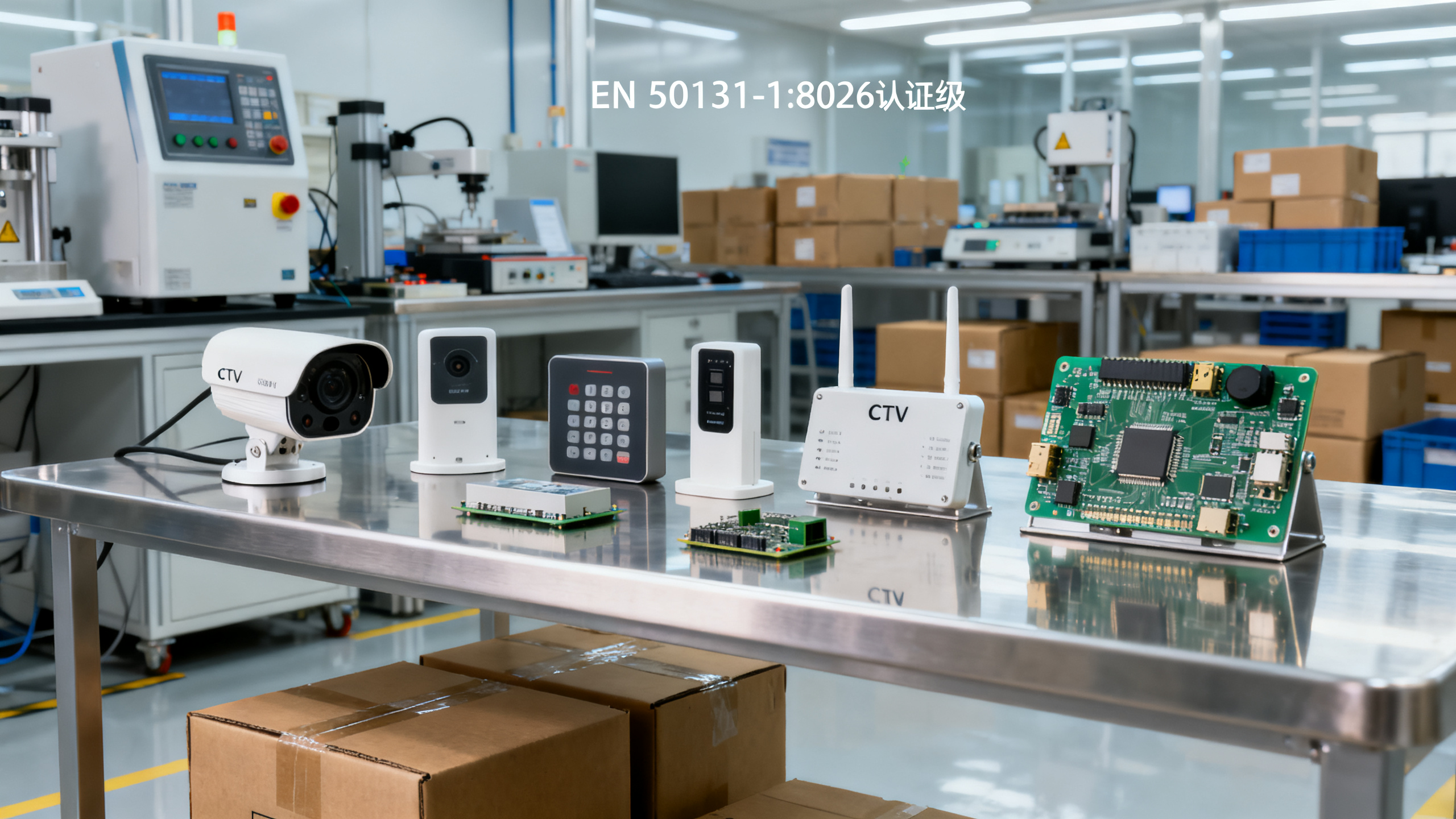
- EU Mandates EN 50131-1:2026 for Security SystemsAuthor :Safety Compliance Lead

- EU EN 50131-1:2026 Takes Effect on CCTV ComplianceAuthor :Safety Compliance Lead

- IEC Issues CCTV Interoperability Test StandardAuthor :Safety Compliance Lead

- EN 50131-4:2026 Raises EU Security Compliance BarAuthor :Safety Compliance Lead