2026 World Drone Conference in Shenzhen, May 21–23
Author
Date Published
Reading Time
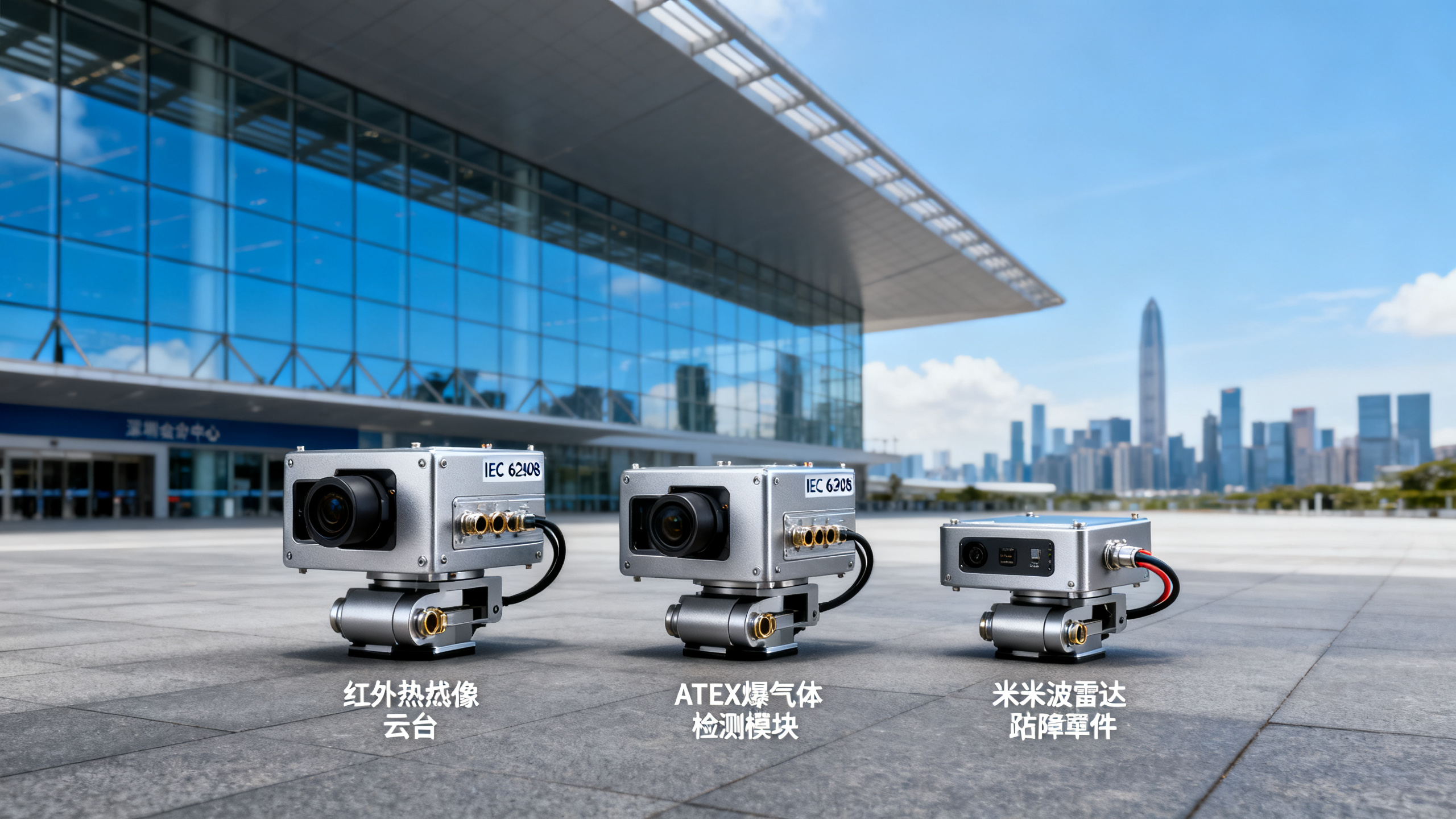
The 2026 World Drone Conference, scheduled for May 21–23 in Shenzhen, marks a strategic pivot toward industrial drone applications—particularly power line inspection, hazardous chemical tank monitoring, and mining slope surveying. With over 200 payload systems on display—including IEC 62908-compliant infrared thermal imaging gimbals, ATEX-certified explosion-proof gas detection modules, and millimeter-wave radar obstacle avoidance kits—the event signals growing maturity in mission-critical drone integration. Industries including energy infrastructure, petrochemicals, mining, and public safety should monitor developments closely: this is not merely a technology showcase, but an early indicator of emerging interoperability frameworks and cross-border validation pathways.
Event Overview
The 2026 World Drone Conference opens on May 21, 2026, in Shenzhen. It features more than 200 drone payload systems tailored for industrial inspection and security surveillance scenarios. Confirmed exhibits include infrared thermal imaging gimbals compliant with IEC 62908, explosion-proof gas detection modules certified under ATEX, and millimeter-wave radar-based obstacle avoidance kits. Chinese solution providers have signed joint testing memoranda of understanding (MoUs) with ACWA Power (Saudi Arabia) and Eletrobras (Brazil) to advance mutual recognition of technical standards.
Industries Affected
Power Infrastructure Operators
Industrial drone payloads targeting transmission line inspection directly affect utilities managing aging grids or expanding remote networks. The presence of IEC 62908-compliant thermal imaging systems indicates alignment with international electrical safety assessment benchmarks—potentially influencing procurement specifications and maintenance protocol updates.
Petrochemical & Hazardous Materials Facilities
Firms operating refineries, LNG terminals, or chemical storage sites face heightened regulatory scrutiny on continuous emissions and leak detection. ATEX-certified gas detection modules showcased at the event reflect evolving hardware readiness for intrinsically safe deployment in Zone 1/2 environments—impacting both operational risk mitigation and compliance audit preparedness.
Mining & Geotechnical Service Providers
Drone-based slope monitoring solutions—especially those integrating millimeter-wave radar for all-weather terrain mapping—address persistent challenges in open-pit and tailings dam surveillance. Adoption may shift field data collection workflows from periodic manual surveys toward automated, repeatable topographic benchmarking.
Drone Payload Manufacturers & Integrators
Companies developing or assembling mission-specific drone sensors are affected by the demonstrated demand for certification-aligned hardware (e.g., IEC, ATEX). Cross-border MoUs suggest increasing pressure to design for dual-market conformity—not only domestic regulatory acceptance but also third-country equivalence pathways.
What Enterprises and Practitioners Should Monitor and Do Now
Track official standardization timelines from participating national bodies
The MoUs with ACWA Power and Eletrobras reference joint testing—not formal standard adoption. Stakeholders should monitor announcements from China’s Standardization Administration (SAC), Saudi Standards, Metrology and Quality Organization (SASO), and Brazil’s INMETRO for upcoming working group outputs or draft harmonization documents.
Assess compatibility of existing inspection hardware against IEC 62908 and ATEX requirements
Operators deploying thermal cameras or gas sensors in industrial settings should review current equipment certifications. Where gaps exist—especially for use in classified hazardous areas—preliminary gap analysis supports prioritized upgrades or vendor engagement ahead of potential tender revisions.
Distinguish between MoU signaling and enforceable regulatory change
The signing of joint testing MoUs reflects collaborative intent, not binding regulatory alignment. Until test protocols are published, mutual recognition criteria defined, or certification pathways codified, enterprises should treat these as forward-looking indicators—not immediate compliance triggers.
Engage integrators early on radar-aided navigation capabilities for low-visibility operations
Millimeter-wave radar kits shown at the event enable reliable flight and mapping under fog, dust, or smoke—conditions common in mining and industrial perimeters. Field teams responsible for survey planning or emergency response should initiate technical briefings with integrators now to evaluate integration feasibility with existing drone platforms.
Editorial Perspective / Industry Observation
Observably, the 2026 World Drone Conference functions less as a product launch forum and more as a coordination node for industrial drone standardization. The emphasis on certified payloads—and bilateral MoUs focused on testing rather than sales—suggests a maturing phase where interoperability, not novelty, defines competitive differentiation. Analysis shows that this event is best understood as a signal: it reflects converging priorities among infrastructure owners in emerging markets seeking verifiable, certifiable tools—but does not yet indicate finalized cross-border regulatory equivalence. From an industry perspective, sustained attention is warranted because standard harmonization efforts often precede procurement policy shifts by 12–24 months; early awareness supports calibrated internal readiness.
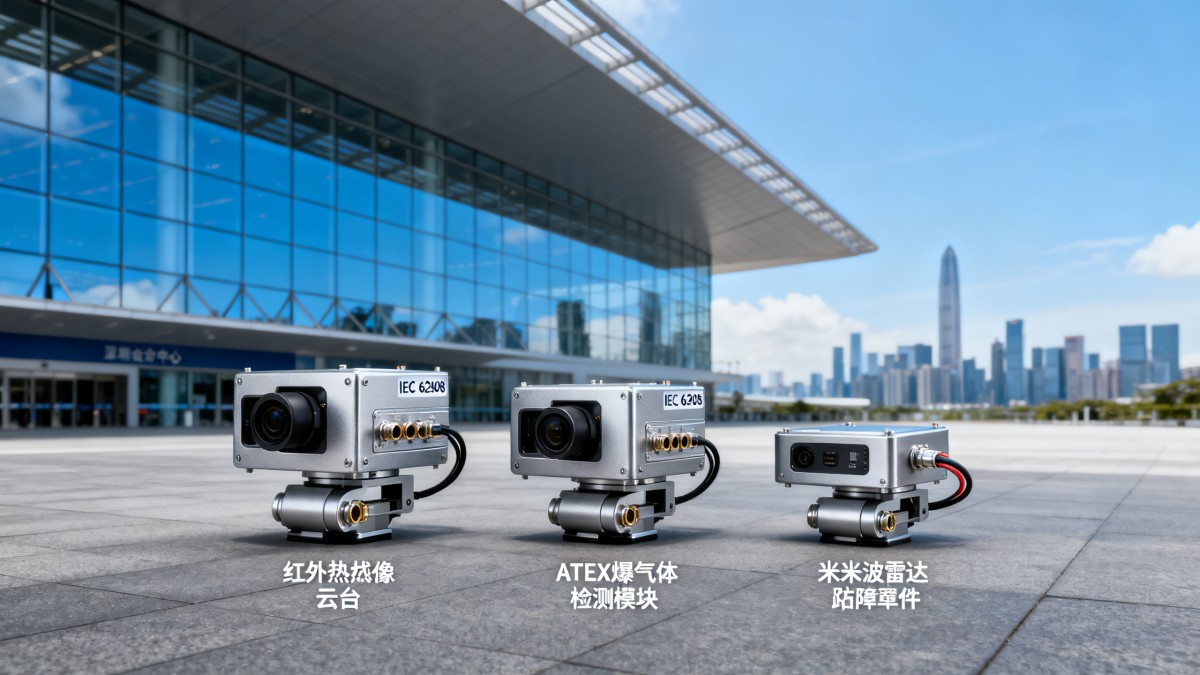
In summary, the 2026 World Drone Conference highlights a structural transition—from experimental drone use toward regulated, certifiable, and internationally benchmarked industrial deployment. Its significance lies not in new product announcements alone, but in the formalized collaboration between Chinese solution providers and major utilities in Saudi Arabia and Brazil. This points to a longer-term realignment in how industrial drone capabilities are validated, specified, and scaled globally. Currently, it is more accurate to interpret this development as an institutional coordination milestone than as an immediate market inflection point.
Source: Official announcement of the 2026 World Drone Conference (Shenzhen); confirmed exhibition scope and MoU signatories as disclosed in pre-event briefing materials. Note: Harmonization timelines, certification pathways, and commercial implementation schedules remain pending further disclosure and are subject to ongoing observation.
Technical Specifications
- How to Select Electronic Hotel Key Card Locks for Guest Rooms and Staff AreasAuthor :Safety Compliance Lead
- How to Select Lab Instruments for Reliable Chemical Analysis WorkflowsAuthor :Precision Metrology Expert
- How to Size a UPS for Server Rooms: Load, Runtime, and Redundancy FactorsAuthor :Grid Infrastructure Analyst
Expert Insights

Chief Security Architect
Dr. Thorne specializes in the intersection of structural engineering and digital resilience. He has advised three G7 governments on industrial infrastructure security.
Related Analysis
- Sep 17, 2026How to Select Electronic Hotel Key Card Locks for Guest Rooms and Staff AreasAuthor :Safety Compliance Lead
- Sep 16, 2026How to Select Lab Instruments for Reliable Chemical Analysis WorkflowsAuthor :Precision Metrology Expert
- Sep 15, 2026How to Size a UPS for Server Rooms: Load, Runtime, and Redundancy FactorsAuthor :Grid Infrastructure Analyst
Core Sector // 01
Security & Safety
- How to Select Electronic Hotel Key Card Locks for Guest Rooms and Staff AreasAuthor :Safety Compliance Lead

- How to Evaluate a Hotel Key Card Lock Supplier for Multi-Property RolloutsAuthor :Safety Compliance Lead

- Pre-Contract Audit Checklist for Verified Production Safety and Environmental ComplianceAuthor :Safety Compliance Lead

- How Can Distributors Build Procurement-Oriented Industrial Content That Drives RFQs?Author :Safety Compliance Lead

- EU Mandates EN 50131-1:2026 for Security SystemsAuthor :Safety Compliance Lead

- EU EN 50131-1:2026 Takes Effect on CCTV ComplianceAuthor :Safety Compliance Lead

- IEC Issues CCTV Interoperability Test StandardAuthor :Safety Compliance Lead

- EN 50131-4:2026 Raises EU Security Compliance BarAuthor :Safety Compliance Lead