MIIT Launches 'AI+Software' Initiative to Boost Industrial Software
Author
Date Published
Reading Time

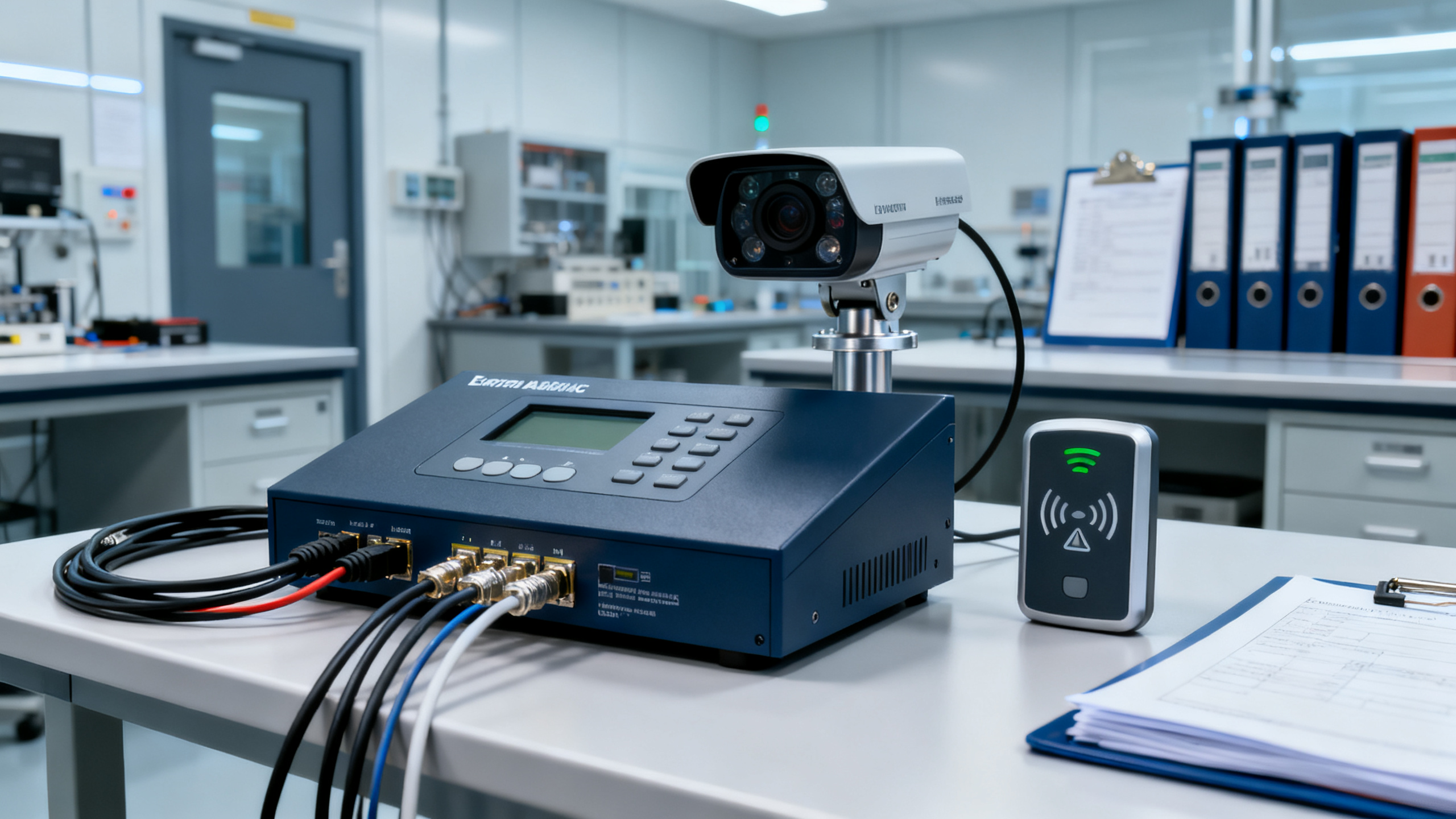
China's Ministry of Industry and Information Technology (MIIT) announced the launch of the 'AI+Software' Special Action on April 28, marking a strategic pivot toward accelerating domestic industrial software development powered by artificial intelligence. The initiative targets high-impact application scenarios across manufacturing, infrastructure, and smart devices — with direct implications for global supply chains serving industrial automation, security systems, and power distribution sectors.

Event Overview
On April 28, MIIT officially launched the 'AI+Software' Special Action, focusing support on three core technical areas: intelligent programming tools, industrial AI-based quality inspection software, and embedded edge inference frameworks. The action aims to strengthen R&D and real-world deployment of these technologies within China’s industrial software ecosystem.
Industries Impacted
Direct Trade Enterprises
Export-oriented trade firms supplying AI-enabled hardware — such as AI-powered CCTV cameras and self-diagnosing circuit breakers — to overseas markets are likely to experience accelerated demand for localized integration support. As the initiative shortens system integration timelines and reduces deployment costs for foreign end-users, trade enterprises may see improved win rates in competitive tenders — particularly where local compliance, language adaptation, or regulatory certification (e.g., CE, UL) previously created friction. However, this benefit is contingent on timely access to certified, MIIT-endorsed software modules.
Raw Material Procurement Enterprises
Suppliers of semiconductor components (e.g., AI accelerators, low-power MCUs), memory chips, and specialized sensors used in edge AI devices face indirect but material demand shifts. Increased adoption of embedded edge inference frameworks implies higher volume requirements for chips optimized for real-time inference at the device level — not just data center-scale AI. Procurement enterprises should monitor evolving hardware compatibility specifications published under the initiative, as these may influence component qualification cycles and long-term sourcing strategies.
Manufacturing Enterprises
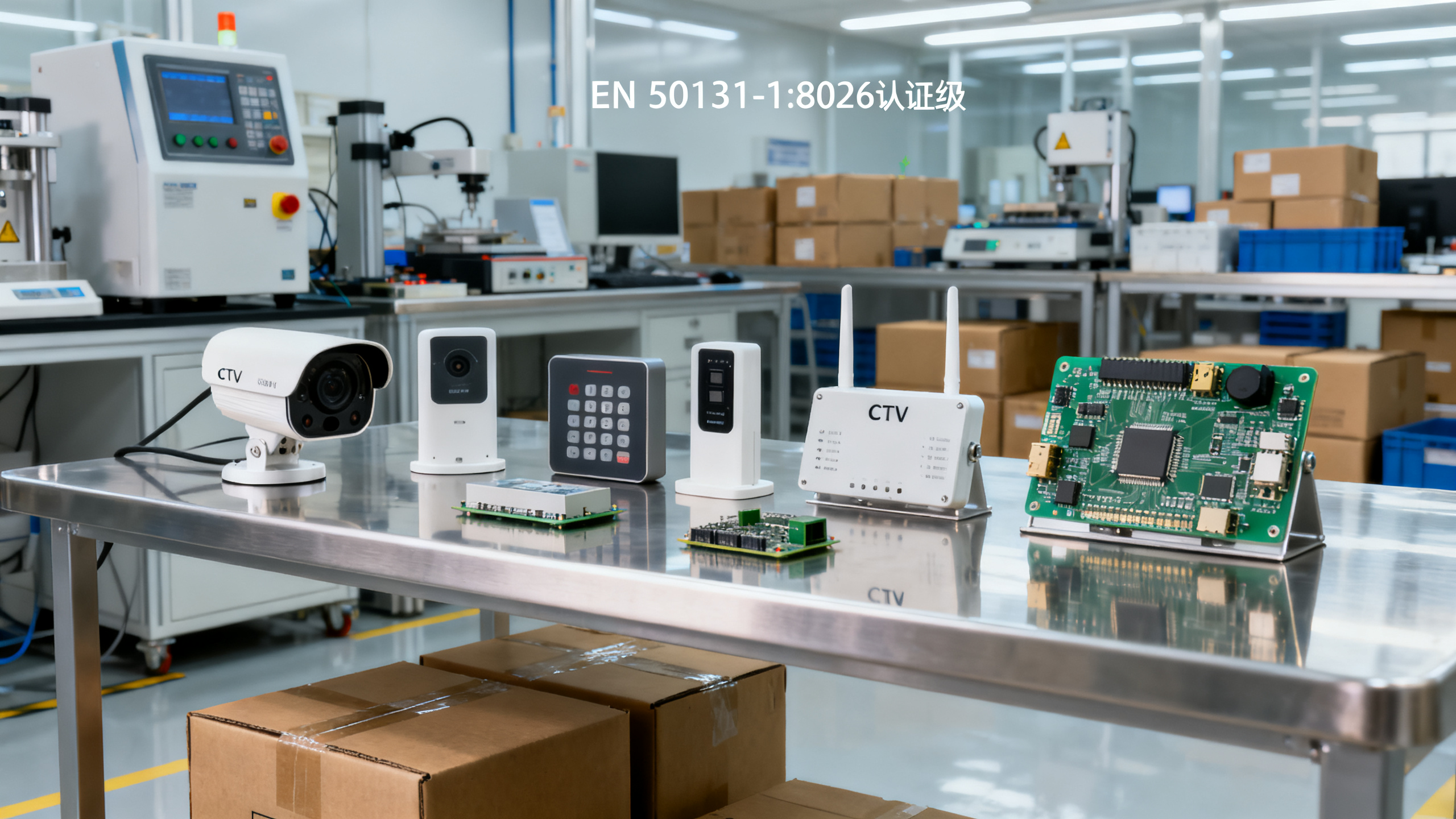
OEMs and ODMs producing industrial terminals — including smart surveillance equipment, programmable logic controllers (PLCs), and intelligent relays — will encounter stronger pressure to integrate domestically developed AI software stacks. The initiative explicitly prioritizes replacement of imported industrial software in Testing & Measurement, CCTV & Access Control, and Breakers & Relays segments. Manufacturers that proactively co-develop with MIIT-designated software vendors may gain preferential access to pilot programs, subsidies, or fast-tracked certifications — whereas lagging adopters risk marginalization in government-backed procurement and state-owned enterprise (SOE) projects.
Supply Chain Service Providers
Third-party system integrators, localization service providers (LSPs), and certification consultants supporting cross-border industrial deployments must adapt to new software validation requirements. With reduced reliance on legacy Western software platforms, service providers will need updated expertise in Chinese-developed AI toolchains — including debugging environments for embedded inference models and documentation standards aligned with GB/T national specifications. Demand for bilingual (English–Chinese) technical support teams and AI model retraining services for regional use cases is expected to rise.
Key Focus Areas and Recommended Actions
Track MIIT-Designated Pilot Projects and Vendor Lists
Enterprises should closely follow official MIIT bulletins and provincial implementation guidelines to identify priority application zones and pre-qualified software vendors. Early engagement with pilot partners can facilitate joint solution development and reduce time-to-market for export-ready configurations.
Evaluate Compatibility of Existing Hardware Platforms
Manufacturers and integrators must assess whether current hardware architectures — especially SoCs and edge AI modules — meet performance and interface requirements outlined for MIIT-supported frameworks. Incompatibility may trigger redesign cycles or necessitate firmware-level adaptations ahead of anticipated regulatory alignment timelines.
Prepare for Localized Certification Pathways
As domestic AI software gains traction in regulated verticals (e.g., power grid protection relays), international customers may begin requiring dual-certification: both global standards (IEC 61850, ONVIF) and emerging Chinese AI software evaluation criteria. Companies should initiate internal gap analyses and engage certification bodies familiar with GB/T 43719–2024 (AI software functional safety guidelines, draft stage).
Editorial Perspective / Industry Observation
Observably, the 'AI+Software' initiative is less about blanket substitution and more about building sovereign capability in *software-defined industrial control*. Analysis shows that MIIT is deliberately targeting software layers where algorithmic differentiation — not just compute scale — determines system-level competitiveness: e.g., real-time defect classification in visual inspection, or predictive tripping logic in digital relays. This suggests a longer-term shift from hardware-centric exports to integrated, upgradable AI-software-hardware solutions. From an industry standpoint, the move signals growing recognition that software maintainability, update velocity, and domain-specific fine-tuning are now decisive factors in global B2B industrial adoption — not merely raw AI model accuracy.
Conclusion
The 'AI+Software' Special Action represents a calibrated step toward reducing systemic dependency on foreign industrial software stacks — without abrupt decoupling. Its significance lies not only in accelerating domestic alternatives, but in reshaping how global industrial buyers evaluate Chinese-made smart devices: increasingly through the lens of embedded intelligence agility, not just cost or form factor. A rational interpretation is that this policy lowers the barrier to entry for mid-tier manufacturers to offer differentiated, AI-enhanced products — provided they align with China’s emerging software interoperability and verification norms.
Source Attribution
Official announcement: Ministry of Industry and Information Technology (MIIT), April 28, 2024. Supporting documents include the 'Guiding Opinions on Promoting the High-Quality Development of Industrial Software' (2023) and draft technical white papers on edge AI framework evaluation criteria (GB/T standardization working group, Q2 2024). Note: Final implementation details, provincial funding mechanisms, and vendor qualification timelines remain under active consultation and are subject to revision — continued monitoring is advised.
Technical Specifications
- How to Select Electronic Hotel Key Card Locks for Guest Rooms and Staff AreasAuthor :Safety Compliance Lead
- How to Select Lab Instruments for Reliable Chemical Analysis WorkflowsAuthor :Precision Metrology Expert
- How to Size a UPS for Server Rooms: Load, Runtime, and Redundancy FactorsAuthor :Grid Infrastructure Analyst
Expert Insights

Chief Security Architect
Dr. Thorne specializes in the intersection of structural engineering and digital resilience. He has advised three G7 governments on industrial infrastructure security.
Related Analysis
- Sep 17, 2026How to Select Electronic Hotel Key Card Locks for Guest Rooms and Staff AreasAuthor :Safety Compliance Lead
- Sep 16, 2026How to Select Lab Instruments for Reliable Chemical Analysis WorkflowsAuthor :Precision Metrology Expert
- Sep 15, 2026How to Size a UPS for Server Rooms: Load, Runtime, and Redundancy FactorsAuthor :Grid Infrastructure Analyst
Core Sector // 01
Security & Safety
- How to Select Electronic Hotel Key Card Locks for Guest Rooms and Staff AreasAuthor :Safety Compliance Lead

- How to Evaluate a Hotel Key Card Lock Supplier for Multi-Property RolloutsAuthor :Safety Compliance Lead

- Pre-Contract Audit Checklist for Verified Production Safety and Environmental ComplianceAuthor :Safety Compliance Lead

- How Can Distributors Build Procurement-Oriented Industrial Content That Drives RFQs?Author :Safety Compliance Lead

- EU Mandates EN 50131-1:2026 for Security SystemsAuthor :Safety Compliance Lead

- EU EN 50131-1:2026 Takes Effect on CCTV ComplianceAuthor :Safety Compliance Lead

- IEC Issues CCTV Interoperability Test StandardAuthor :Safety Compliance Lead

- EN 50131-4:2026 Raises EU Security Compliance BarAuthor :Safety Compliance Lead