Alibaba Cloud’s Daily Token Revenue Up 5x Since Early April
Author
Date Published
Reading Time

Alibaba Cloud’s daily token revenue has increased fivefold since early April, reaching a level of several hundred million RMB per day, according to a report by Caijing Magazine on May 13. This surge is primarily driven by sharply rising inference demand for industrial AI models—especially in visual quality inspection and equipment failure prediction—making it a notable development for manufacturers in industrial optics, testing & measurement, and CCTV & access control systems.
Event Overview
As reported by Caijing Magazine on May 13, Alibaba Cloud’s daily token revenue has grown fivefold since early April and now stands at a scale of several hundred million RMB per day. The growth is attributed to increased usage of domain-specific AI models deployed in industrial applications—including automated visual inspection and predictive maintenance. No further financial or operational details have been officially disclosed.
Impact on Specific Subsectors
Industrial Optics Equipment Manufacturers
These manufacturers are directly integrating domestic AI inference engines into their hardware to deliver out-of-the-box intelligent edge analytics. The rise in token-based model consumption signals growing market readiness for embedded AI functionality, reducing reliance on customer-side AI platform deployment.
Testing & Measurement (T&M) Equipment Providers
T&M vendors are increasingly embedding real-time AI inference capabilities into instruments used for condition monitoring and defect classification. Higher token demand reflects broader adoption of AI-augmented test workflows—especially where low-latency, on-device analysis is required.
CCTV & Access Control System Integrators
Integrators are shifting toward AI-native video analytics stacks that rely on scalable cloud-edge inference. The token revenue growth correlates with increased deployment of vision models for anomaly detection, behavior recognition, and access validation—often delivered as managed services to overseas clients.
What Enterprises and Practitioners Should Monitor and Do Now
Track integration timelines and inference engine compatibility requirements
Manufacturers planning AI-enabled product upgrades should verify support for Alibaba Cloud’s inference runtime across target hardware platforms—particularly for edge devices operating under constrained memory or thermal budgets.
Assess TCO implications of cloud-offloaded vs. fully embedded inference
With token-based pricing gaining traction, companies deploying AI at the edge must compare total cost of ownership between self-hosted inference, hybrid cloud-edge architectures, and pure SaaS-style inference-as-a-service—especially when serving international markets with data residency constraints.
Monitor technical documentation updates for industrial model APIs
Alibaba Cloud’s published APIs for visual inspection and predictive maintenance models are key enablers for OEM integration. Stakeholders should subscribe to official release notes for version changes, latency SLAs, and supported input formats—critical for firmware update planning.
Prepare for interoperability validation with overseas certification bodies
When bundling AI inference into export-bound hardware, vendors must anticipate additional validation steps—e.g., CE marking for EU markets or UL/ETL assessments—where AI model behavior may be subject to functional safety or transparency review.
Editorial Perspective / Industry Observation
Observably, this token revenue growth is less an isolated financial metric and more a proxy for accelerating industrial AI commercialization—specifically in verticals where accuracy, latency, and hardware integration matter more than general-purpose capability. Analysis shows that the trend reflects not just higher usage volume but also deeper embedding of AI into production-grade equipment stacks. From an industry perspective, this signals a shift from AI experimentation to AI-as-infrastructure in industrial automation. It is currently best understood as an early-stage signal—not yet a mature market outcome—because widespread adoption still hinges on consistent model performance across diverse factory environments and regulatory acceptance in key export markets.

In summary, Alibaba Cloud’s token revenue surge reflects growing traction of industrial AI models in real-world manufacturing and infrastructure settings. It does not indicate broad AI substitution across sectors, but rather targeted maturation in specific high-ROI use cases—particularly where AI augments physical equipment intelligence. Current evidence supports interpreting this development as an inflection point in AI deployment depth, not breadth.
Source: Caijing Magazine, May 13 report. Note: Further details on revenue composition, geographic breakdown, or model-level usage metrics remain unconfirmed and require ongoing observation.
Technical Specifications
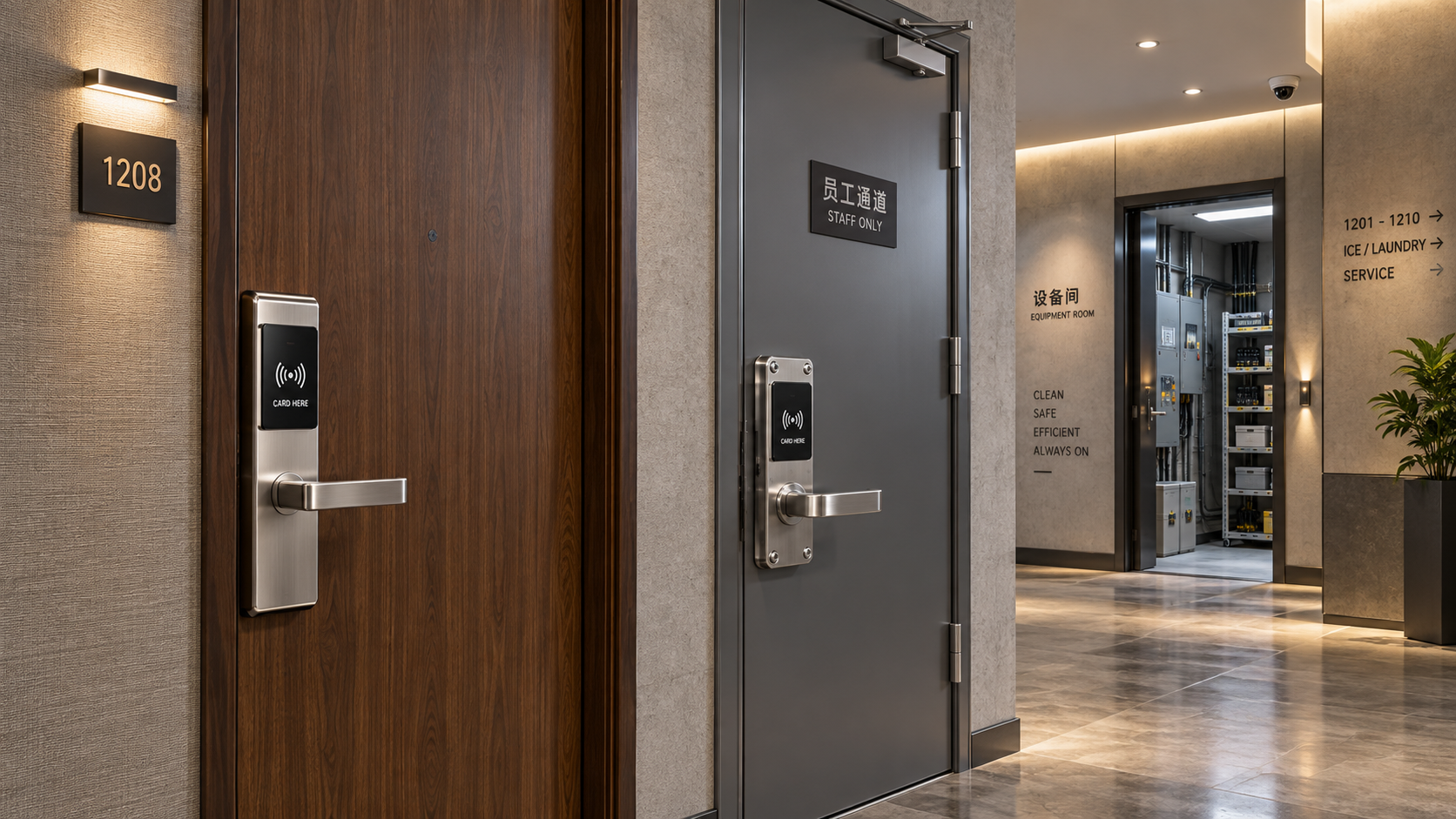
- How to Select Electronic Hotel Key Card Locks for Guest Rooms and Staff AreasAuthor :Safety Compliance Lead
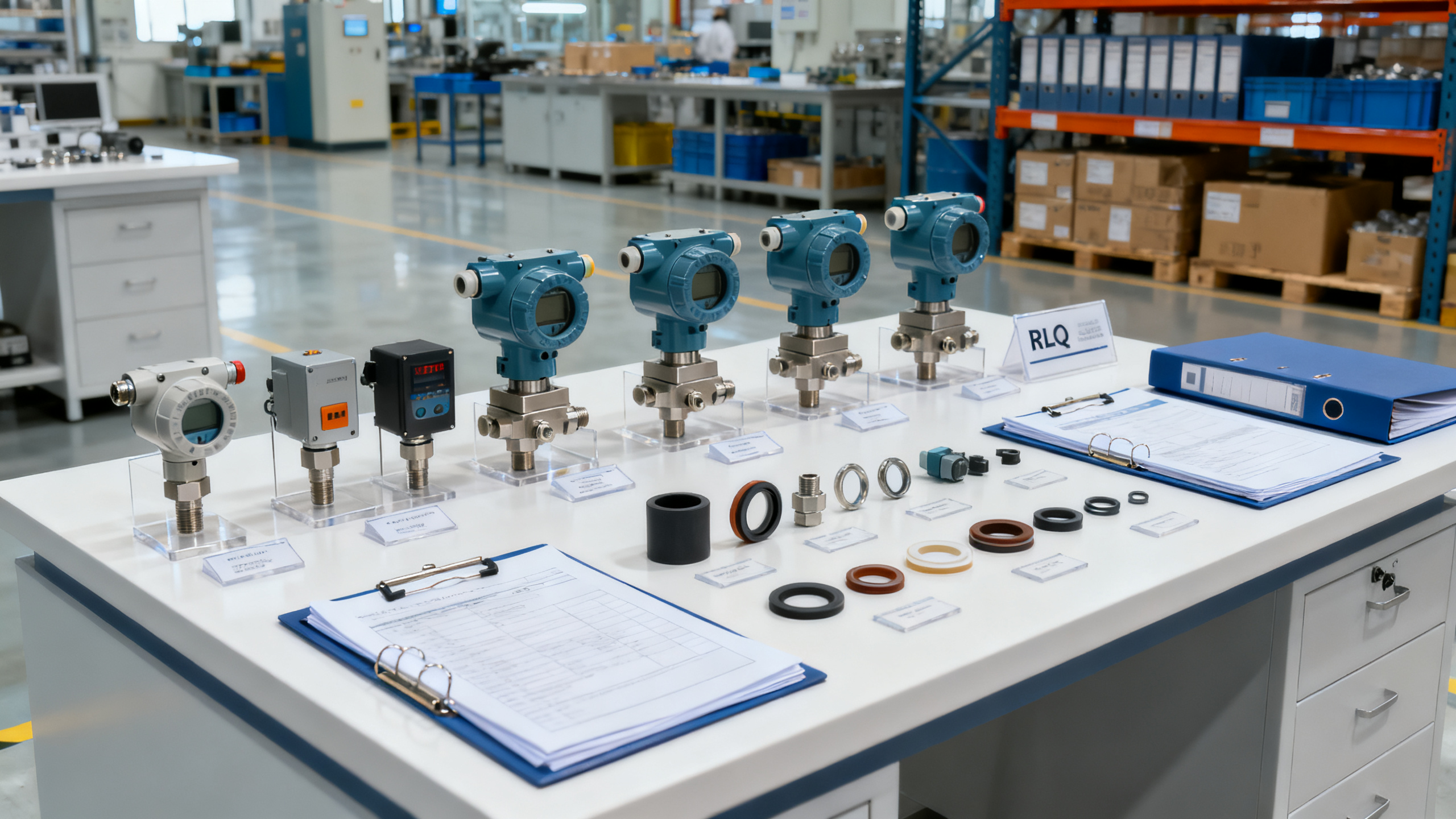
- How to Select Lab Instruments for Reliable Chemical Analysis WorkflowsAuthor :Precision Metrology Expert
- How to Size a UPS for Server Rooms: Load, Runtime, and Redundancy FactorsAuthor :Grid Infrastructure Analyst
Expert Insights

Chief Security Architect
Dr. Thorne specializes in the intersection of structural engineering and digital resilience. He has advised three G7 governments on industrial infrastructure security.
Related Analysis
- Sep 17, 2026How to Select Electronic Hotel Key Card Locks for Guest Rooms and Staff AreasAuthor :Safety Compliance Lead
- Sep 16, 2026How to Select Lab Instruments for Reliable Chemical Analysis WorkflowsAuthor :Precision Metrology Expert
- Sep 15, 2026How to Size a UPS for Server Rooms: Load, Runtime, and Redundancy FactorsAuthor :Grid Infrastructure Analyst
Core Sector // 01
Security & Safety
- How to Select Electronic Hotel Key Card Locks for Guest Rooms and Staff AreasAuthor :Safety Compliance Lead

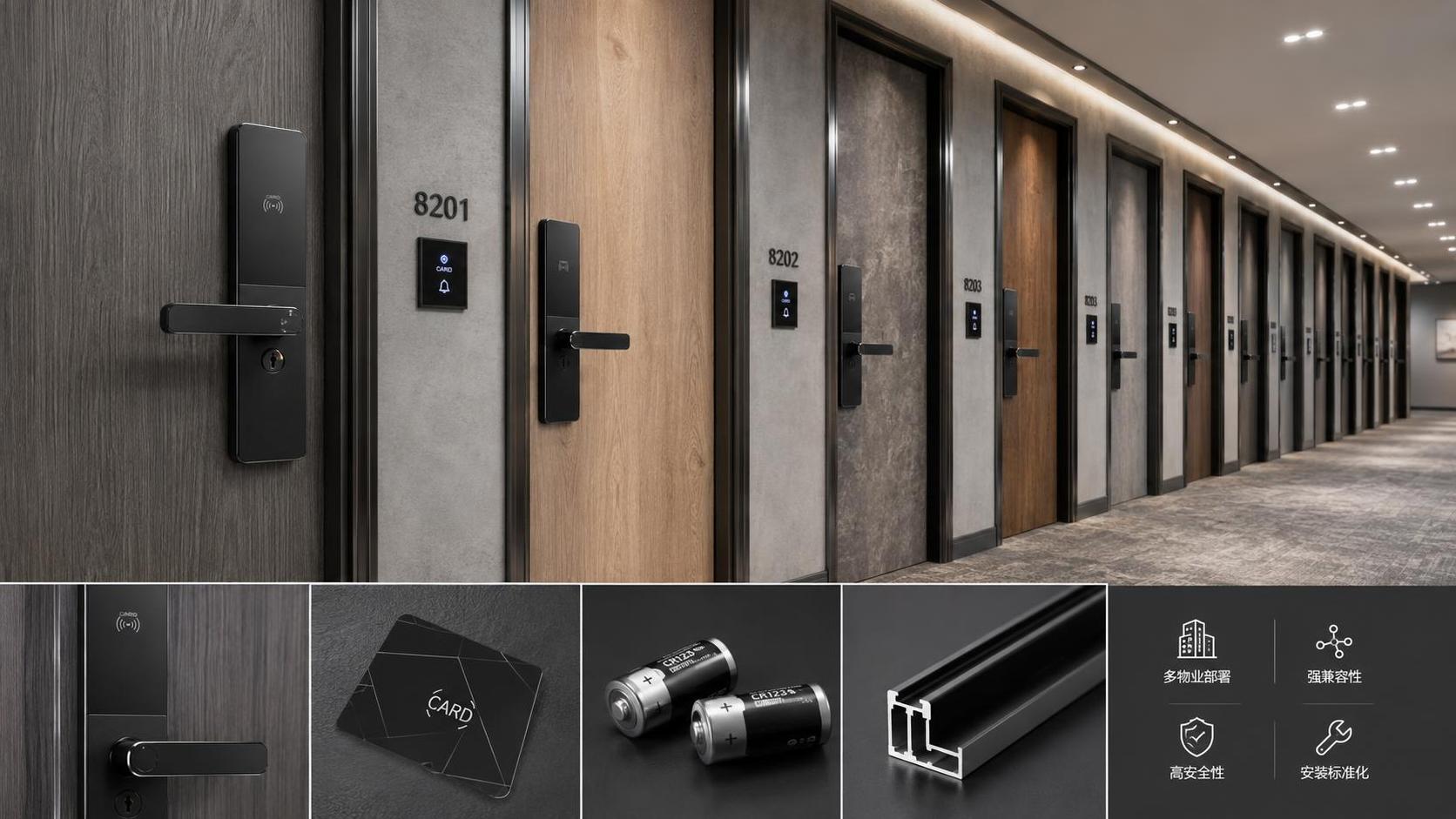
- How to Evaluate a Hotel Key Card Lock Supplier for Multi-Property RolloutsAuthor :Safety Compliance Lead

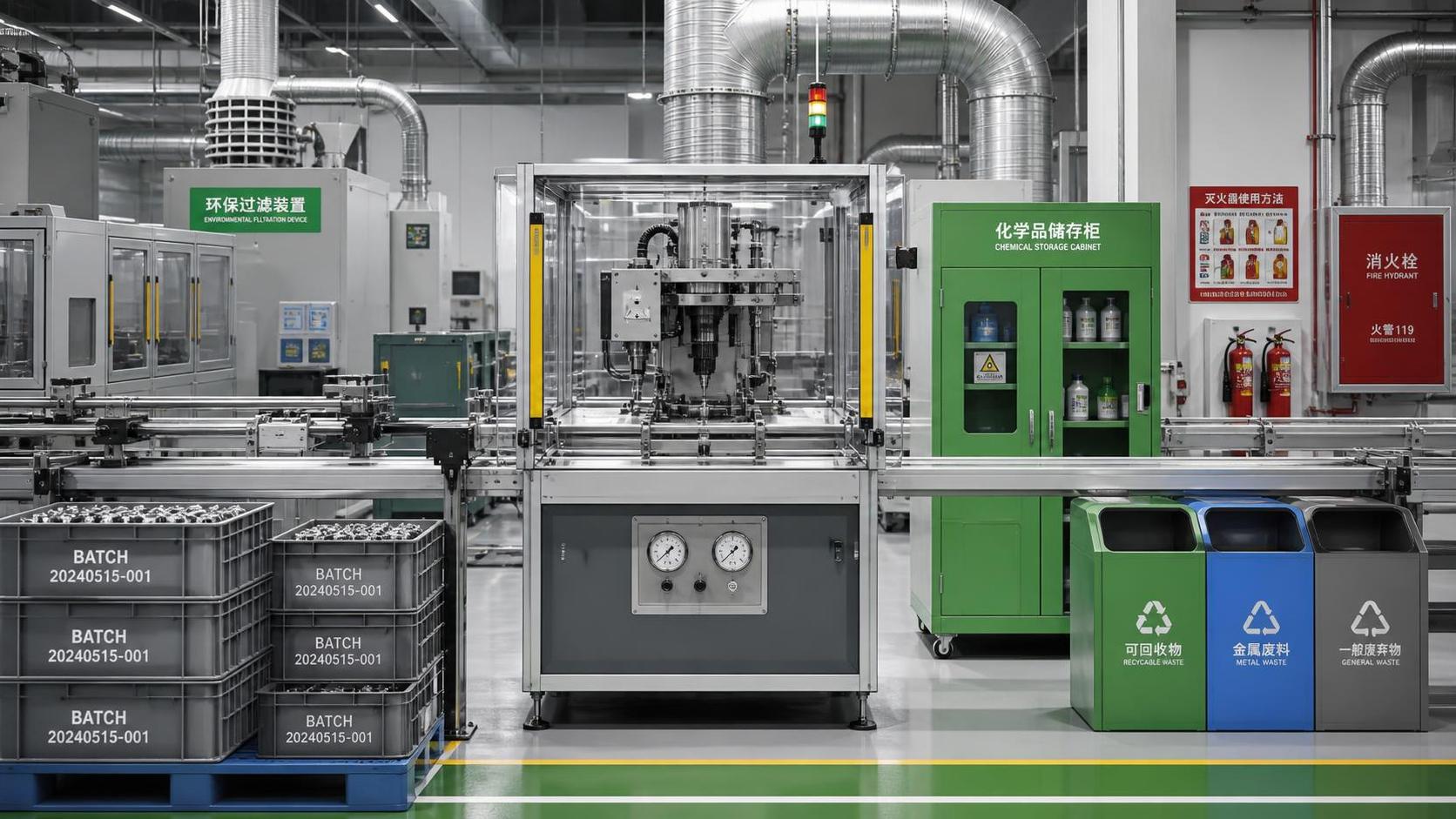
- Pre-Contract Audit Checklist for Verified Production Safety and Environmental ComplianceAuthor :Safety Compliance Lead

- How Can Distributors Build Procurement-Oriented Industrial Content That Drives RFQs?Author :Safety Compliance Lead

- EU Mandates EN 50131-1:2026 for Security SystemsAuthor :Safety Compliance Lead

- EU EN 50131-1:2026 Takes Effect on CCTV ComplianceAuthor :Safety Compliance Lead

- IEC Issues CCTV Interoperability Test StandardAuthor :Safety Compliance Lead

- EN 50131-4:2026 Raises EU Security Compliance BarAuthor :Safety Compliance Lead