How to judge a reliable Security & Safety supplier
Author
Date Published
Reading Time
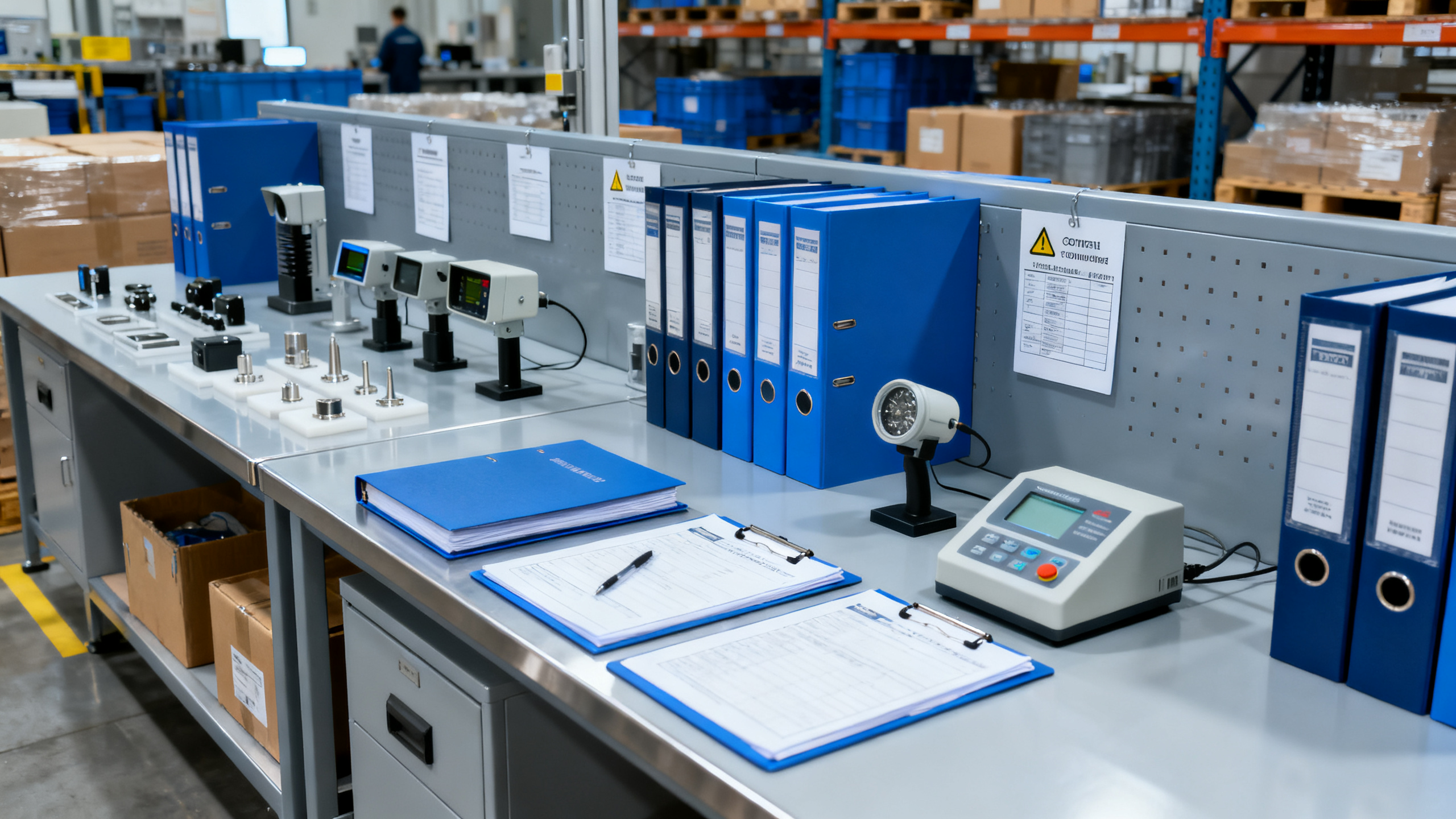
Choosing a reliable Security & Safety supplier is not just about price or product range—it directly affects compliance, operational continuity, and workplace risk control. For quality control teams and safety managers, the right partner must demonstrate certified standards, consistent product performance, and dependable technical support. This guide explains how to assess suppliers with confidence and avoid costly procurement mistakes.
What Quality and Safety Teams Really Need to Verify First
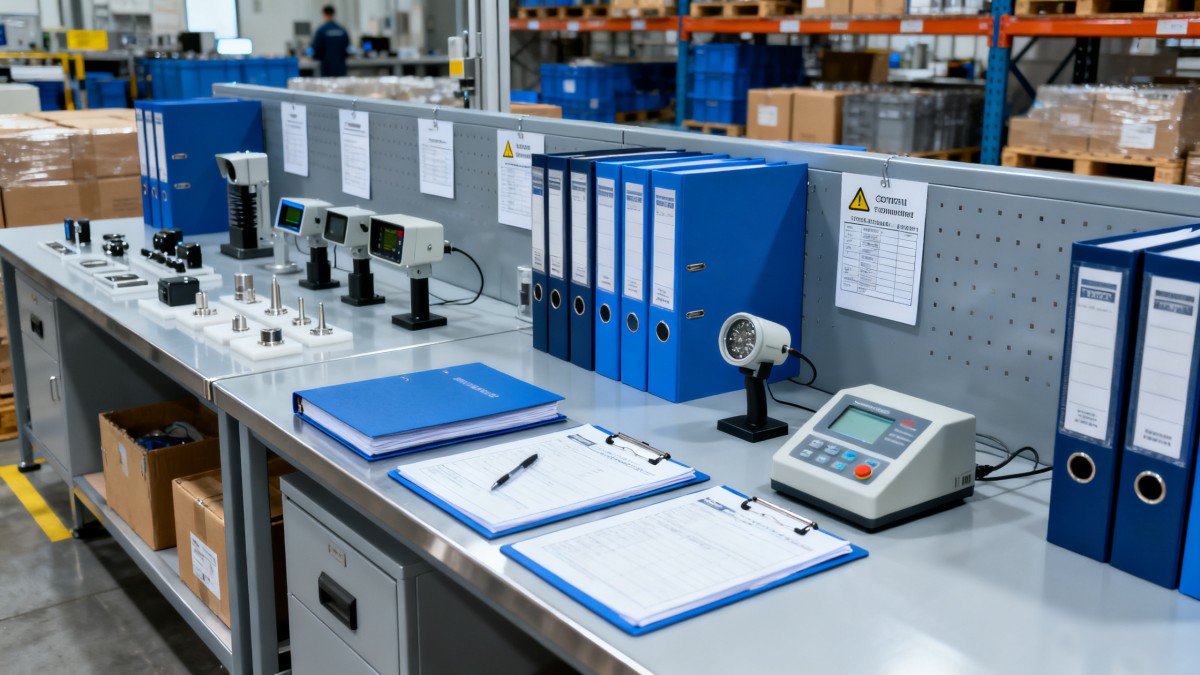
When buyers search for a reliable Security & Safety supplier, they usually want a practical way to reduce procurement risk, not a generic vendor checklist.
For quality control personnel and safety managers, the main concern is simple: can this supplier consistently deliver compliant, traceable, fit-for-purpose products under real operating conditions?
The answer rarely comes from catalogs alone. It comes from evidence, process discipline, certification validity, service capability, and the supplier’s performance after delivery.
A reliable supplier should help your organization prevent incidents, pass audits, reduce replacement rates, and maintain stable operations across sites, projects, and maintenance cycles.
That means the evaluation process should focus less on broad claims and more on verifiable proof tied to compliance, quality assurance, delivery reliability, and technical responsiveness.
Start with Compliance Evidence, Not Sales Claims
In Security & Safety procurement, compliance is the first filter. If a supplier cannot prove conformity to required standards, there is no reason to continue evaluation.
Depending on the product category, you may need CE, UL, ISO 9001, ISO 45001, ATEX, RoHS, REACH, or other regional and industry-specific certifications.
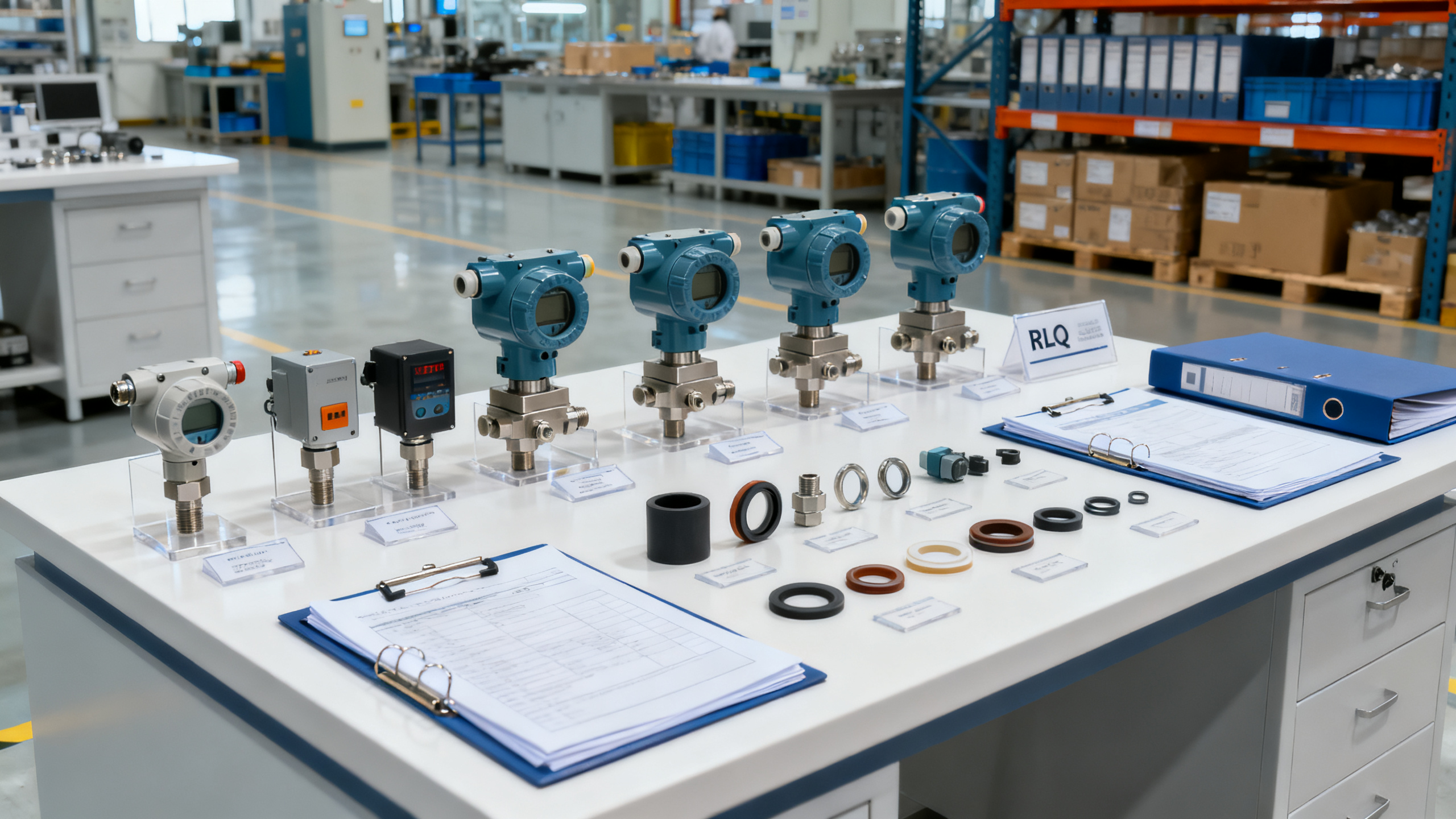
Do not accept logos on a brochure as proof. Ask for current certificates, scope statements, test reports, declarations of conformity, and the issuing body’s information.
Verify whether the certificate covers the actual product model, production site, and intended application. Many buyers make mistakes by reviewing only brand-level credentials.
A dependable Security & Safety supplier should also understand local regulatory requirements and explain how their documentation supports factory audits, project approvals, and internal compliance reviews.
If the supplier hesitates, provides incomplete files, or cannot explain certification limits, this is an early warning sign of future procurement and liability problems.
Check Whether Product Quality Is Consistent Batch After Batch
One of the biggest concerns for quality teams is not whether a sample works once, but whether every shipment performs to the same standard.
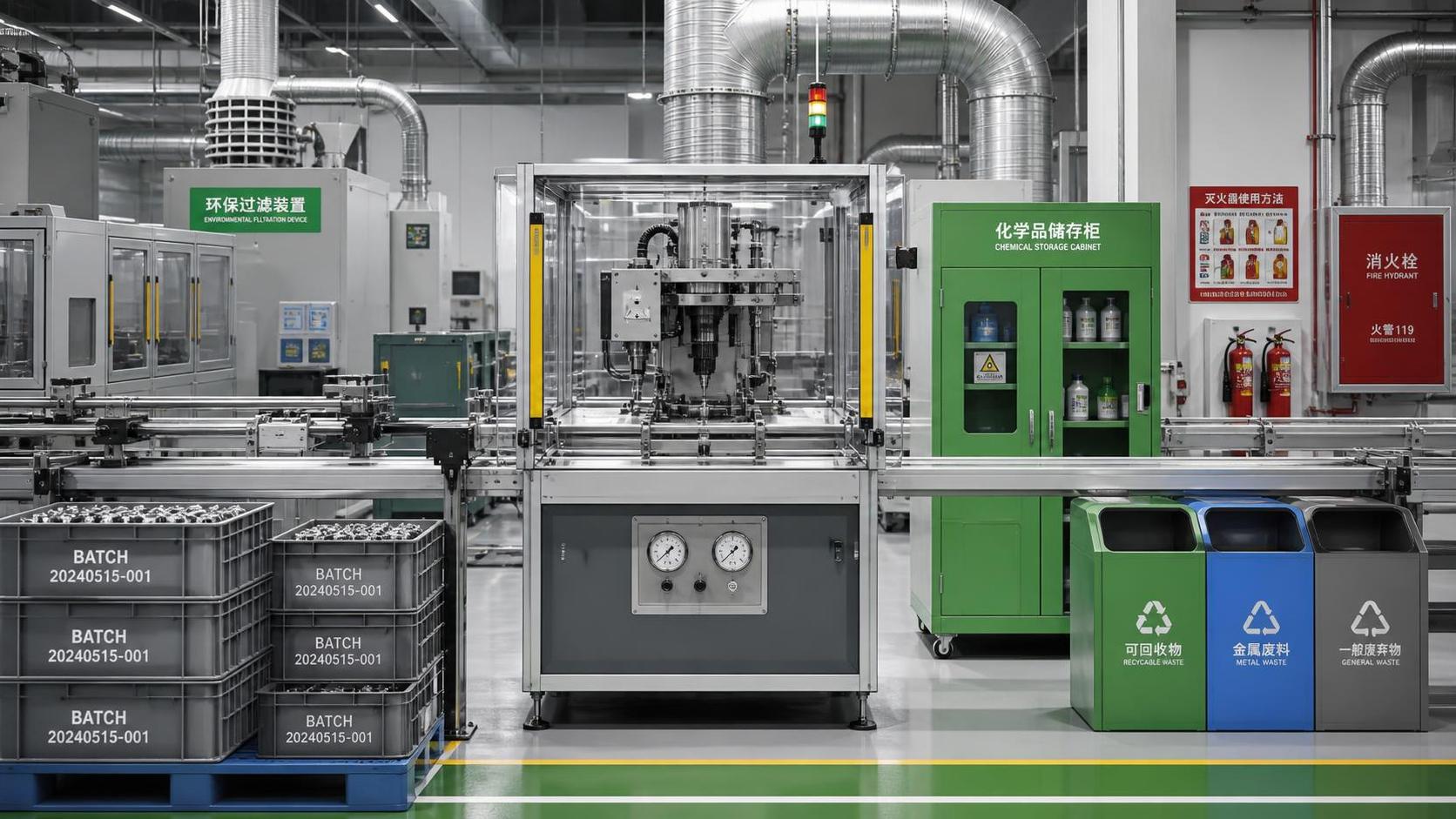
Reliable suppliers control consistency through documented incoming inspection, in-process quality control, final inspection, calibration routines, and traceability of components and materials.
Ask to review their quality management workflow. You want to know how nonconforming products are identified, segregated, investigated, and prevented from re-entering shipment.
It is also useful to request defect rate history, complaint records, corrective action reports, and stability data across multiple production lots.
For safety-critical items, such as alarms, emergency devices, access control units, PPE, gas detection equipment, or industrial monitoring components, small quality variations can create serious exposure.
A reliable Security & Safety supplier should be able to provide serial number tracking, lot traceability, test records, and documented retention policies for inspection data.
If the supplier cannot trace a delivered product back to production and testing records, quality verification becomes reactive instead of controlled.
Evaluate Technical Fit for the Real Use Environment
A product may be certified and still be unsuitable for your site. That is why safety managers should assess application fit as carefully as formal compliance.
Review the actual operating conditions: temperature range, humidity, dust exposure, vibration, corrosive chemicals, electrical load, ingress protection needs, and hazardous area classification.
A competent supplier will ask detailed application questions before recommending a model. An unreliable one will push stock products without understanding the operating environment.
For industrial Security & Safety applications, technical mismatch often leads to nuisance alarms, reduced service life, maintenance burden, or dangerous failure during critical events.
Ask for product life expectancy, maintenance intervals, calibration needs, spare parts availability, interoperability, and limitations under abnormal conditions.
If possible, request field references from similar industries, such as petrochemical, utilities, logistics hubs, manufacturing plants, or infrastructure projects.
The best supplier is not the one with the largest catalog, but the one whose products reliably perform in conditions close to your own.
Look Beyond Price to Total Procurement Risk
Low prices can hide expensive downstream problems. A cheaper supplier may increase inspection workload, replacement frequency, non-compliance risk, downtime, and emergency procurement costs.
That is why experienced buyers compare total cost of ownership rather than unit price alone. This is especially important for Security & Safety categories.
Total procurement risk includes product failure consequences, claims handling speed, installation support, lead time stability, warranty terms, and the cost of documentation gaps during audits.
A reliable Security & Safety supplier usually reduces invisible costs by delivering stable quality, accurate paperwork, dependable packaging, and faster technical problem resolution.
Ask your team to calculate the operational impact of one failed shipment, one non-compliant batch, or one delayed replacement in a critical safety application.
In many industrial settings, the true cost of a weak supplier is not measured in purchase price differences, but in incident exposure and disruption.
Assess Supply Chain Reliability and Delivery Discipline
Even a technically strong supplier becomes risky if they cannot deliver on time or maintain continuity during demand fluctuations, regulatory changes, or raw material constraints.
Quality control and safety management teams should review on-time delivery records, backup sourcing practices, production capacity, inventory planning, and logistics visibility.
Ask whether the supplier has multiple approved component sources, documented continuity plans, and procedures for handling shortages without unapproved substitutions.
Uncontrolled substitutions are a major red flag in safety procurement. A supplier should never change materials, components, firmware, or production methods without formal notification.
You should also review packaging standards, transportation protection, and shipment labeling, especially for calibrated devices, sensitive electronic equipment, or regulated safety products.
A reliable Security & Safety supplier treats delivery consistency as part of product quality, not as a separate commercial issue.
Test Their Responsiveness Before You Need Emergency Support
Service quality is often underestimated during supplier selection. Yet when incidents happen, response speed becomes as important as product quality.
Before approval, observe how the supplier handles technical questions, document requests, quotation revisions, and issue escalation. Slow or vague communication usually worsens after onboarding.
Ask who provides after-sales support, whether there is engineering assistance, how warranty claims are processed, and what the expected response times are.
For security and safety systems, support may include installation guidance, compatibility advice, maintenance training, software updates, replacement planning, and root cause analysis.
A reliable supplier should provide clear contact paths, escalation ownership, and evidence that support cases are tracked and closed systematically.
If every answer depends on a salesperson relaying messages to unknown internal teams, support risk is already visible.
Use Audits, Samples, and Trial Orders to Validate Claims
Supplier qualification should include direct validation. Documents are necessary, but they should be supported by observation and controlled testing whenever possible.
If the purchase category is important enough, conduct a remote or on-site audit focused on process control, inspection practices, document management, traceability, and change control.
Sample evaluation should go beyond visual review. Test performance, dimensional accuracy, labeling quality, packaging integrity, and compatibility with existing systems or site procedures.
A trial order is also valuable. It helps you assess order accuracy, lead time adherence, communication quality, shipping discipline, and consistency between sample and production batch.
During this stage, involve cross-functional stakeholders, including procurement, quality, EHS, maintenance, engineering, and end users where relevant.
A reliable Security & Safety supplier will usually welcome structured evaluation because strong suppliers know evidence-based qualification builds long-term business trust.
Watch for Red Flags That Signal Future Problems
Some warning signs appear early and should not be ignored. The first is inconsistent documentation, especially mismatched model numbers, expired certificates, or missing test references.
Another red flag is excessive dependence on marketing language with little technical depth. Reliable suppliers explain limitations as clearly as advantages.
Be cautious if the supplier avoids factory audits, cannot define their quality process, or resists sharing traceability and corrective action procedures.
Frequent price changes without explanation, unstable lead times, unclear warranty coverage, and undocumented product changes also indicate elevated sourcing risk.
If a supplier promises universal suitability for every industry and scenario, that usually suggests shallow application knowledge rather than broad capability.
For safety-critical procurement, uncertainty itself is a risk. If verification is difficult, approval should become stricter, not more flexible.
A Practical Evaluation Framework for Final Supplier Selection
To make decisions more objective, many teams use a weighted scorecard. This is especially useful when several suppliers appear acceptable at first glance.
Typical criteria include compliance documentation, product consistency, technical suitability, audit results, on-time delivery, support quality, traceability, and commercial stability.
You can assign higher weight to the factors that matter most in your environment. For example, hazardous operations may prioritize certification and field reliability over price.
Require minimum passing thresholds for non-negotiable categories such as regulatory compliance, change control, and quality system maturity.
This approach helps quality and safety teams explain decisions internally and defend supplier selection during audits or procurement reviews.
It also makes re-evaluation easier over time, since supplier performance can be tracked against the same standard after onboarding.
Conclusion: Reliability Means Proven Control, Not Good Presentation
To judge a reliable Security & Safety supplier, focus on evidence that the supplier can protect your compliance position and operational stability over time.
That means verified certifications, consistent manufacturing quality, strong traceability, realistic technical recommendations, disciplined delivery, and responsive post-sales support.
For quality control personnel and safety managers, the best supplier is not simply the cheapest or most visible one. It is the partner whose processes remain trustworthy under pressure.
If you evaluate suppliers through documentation checks, process validation, trial orders, and risk-based scoring, you will make better decisions and avoid preventable procurement failures.
In Security & Safety sourcing, reliability is never a slogan. It is a measurable capability that should be proven before the purchase order is approved.
Technical Specifications
- How to Select Electronic Hotel Key Card Locks for Guest Rooms and Staff AreasAuthor :Safety Compliance Lead
- How to Select Lab Instruments for Reliable Chemical Analysis WorkflowsAuthor :Precision Metrology Expert
- How to Size a UPS for Server Rooms: Load, Runtime, and Redundancy FactorsAuthor :Grid Infrastructure Analyst
Expert Insights

Chief Security Architect
Dr. Thorne specializes in the intersection of structural engineering and digital resilience. He has advised three G7 governments on industrial infrastructure security.
Related Analysis
- Sep 17, 2026How to Select Electronic Hotel Key Card Locks for Guest Rooms and Staff AreasAuthor :Safety Compliance Lead
- Sep 16, 2026How to Select Lab Instruments for Reliable Chemical Analysis WorkflowsAuthor :Precision Metrology Expert
- Sep 15, 2026How to Size a UPS for Server Rooms: Load, Runtime, and Redundancy FactorsAuthor :Grid Infrastructure Analyst
Core Sector // 01
Security & Safety
- How to Select Electronic Hotel Key Card Locks for Guest Rooms and Staff AreasAuthor :Safety Compliance Lead

- How to Evaluate a Hotel Key Card Lock Supplier for Multi-Property RolloutsAuthor :Safety Compliance Lead

- Pre-Contract Audit Checklist for Verified Production Safety and Environmental ComplianceAuthor :Safety Compliance Lead

- How Can Distributors Build Procurement-Oriented Industrial Content That Drives RFQs?Author :Safety Compliance Lead

- EU Mandates EN 50131-1:2026 for Security SystemsAuthor :Safety Compliance Lead

- EU EN 50131-1:2026 Takes Effect on CCTV ComplianceAuthor :Safety Compliance Lead

- IEC Issues CCTV Interoperability Test StandardAuthor :Safety Compliance Lead

- EN 50131-4:2026 Raises EU Security Compliance BarAuthor :Safety Compliance Lead