Russia's Forklift Market Growth Expected Amid EV & Explosion-Proof CCTV Demand
Author
Date Published
Reading Time
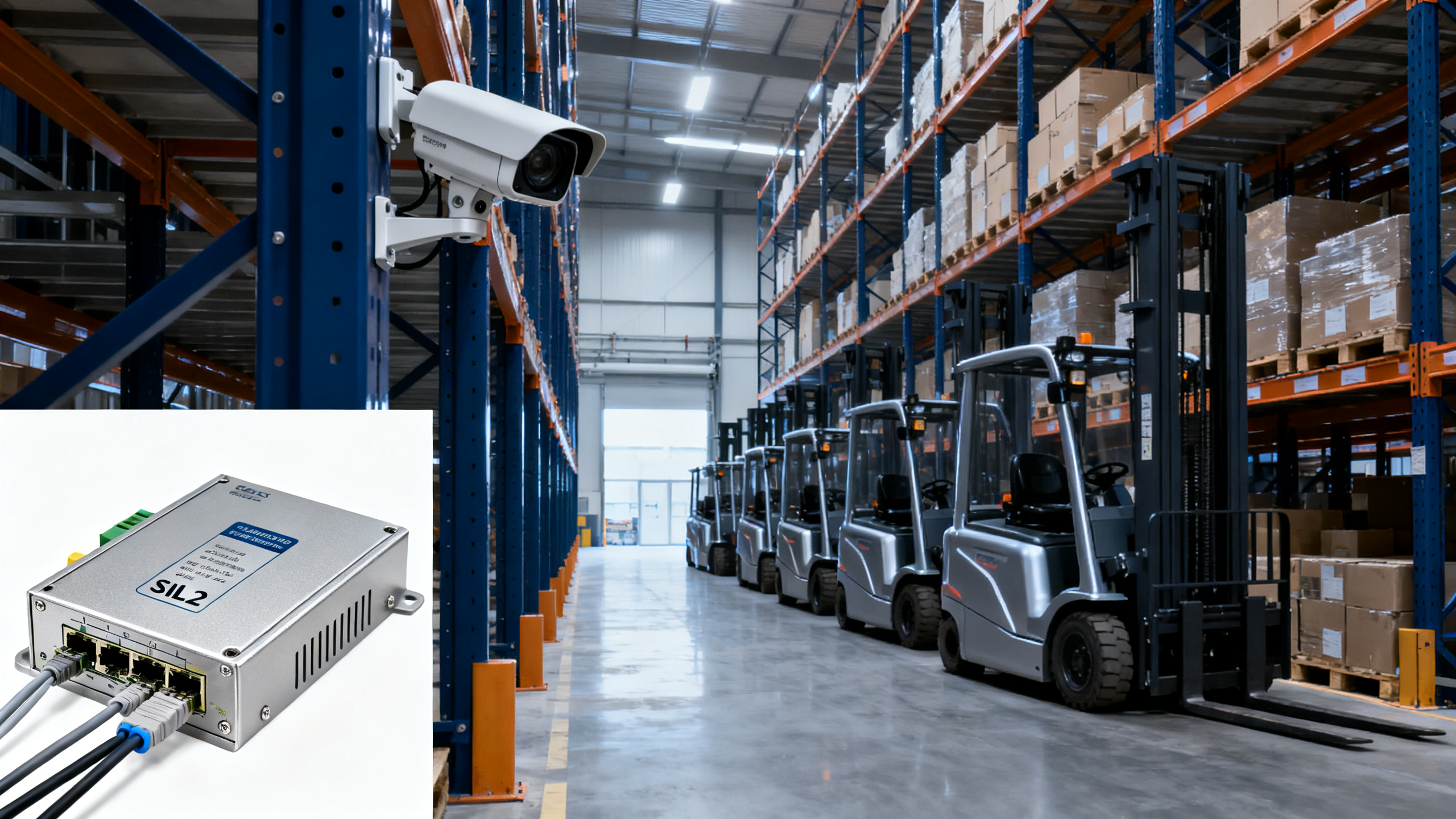
On April 1, 2026, Russia’s forklift import volume rose 37% year-on-year in Q1 2026, driven by e-commerce warehouse expansion. Electric forklifts accounted for 61% of imports, while updated GOST R IEC 62061 requirements — mandating SIL2 functional safety certification for all warehouse surveillance systems — significantly increased procurement demand for explosion-proof CCTV cameras, intrinsically safe power modules, and industrial-grade PoE switches. This development is especially relevant for material handling equipment suppliers, industrial automation integrators, and safety-critical infrastructure providers operating in or exporting to Russia.
Event Overview
On April 1, 2026, the Federal Agency for Technical Regulating and Metrology (Rosstandart) updated the national standard GOST R IEC 62061, requiring SIL2-level functional safety certification for all warehouse surveillance systems in Russia. Concurrently, Russian forklift imports in Q1 2026 increased 37% year-on-year, with electric forklifts representing 61% of total imports — a trend attributed to rapid growth in e-commerce warehousing.
Industries Affected
Direct Exporters & Trading Companies
These entities face immediate compliance pressure: shipments of CCTV systems into Russian warehouses must now meet SIL2 certification under the revised GOST R IEC 62061. Non-compliant products risk customs rejection or project disqualification during tender evaluation.
Industrial Automation & Safety System Integrators
Integrators deploying surveillance solutions in logistics facilities must verify that camera housings, power supplies, and network infrastructure (e.g., PoE switches) collectively satisfy SIL2 requirements — including failure mode analysis, diagnostic coverage, and proof testing intervals defined in the standard.
Manufacturers of Intrinsically Safe Power Supplies & Industrial Networking Hardware
Suppliers of power modules and PoE switches intended for hazardous-area warehouse deployments must confirm whether their current product certifications cover SIL2 alignment per GOST R IEC 62061 — particularly regarding hardware fault tolerance and systematic capability validation.
Warehouse Equipment Procurement Departments (End Users)
Russian logistics operators and third-party warehouse providers must now include SIL2 conformance documentation as a mandatory requirement in RFPs for CCTV systems — affecting vendor selection, acceptance testing protocols, and long-term maintenance planning.
What Relevant Enterprises or Practitioners Should Focus On
Monitor official Rosstandart implementation guidance and transitional timelines
The April 1, 2026 date reflects the effective date of the updated standard, but Rosstandart may issue clarifications on grandfathering clauses, conformity assessment procedures, or recognized certification bodies. Stakeholders should track updates via the official Rosstandart portal and accredited Notified Bodies.
Prioritize verification of SIL2 certification status for key components
Explosion-proof CCTV cameras, intrinsically safe power modules, and industrial PoE switches require individual and integrated SIL2 validation. Buyers and integrators should request full technical dossiers — not just declarations — from suppliers, including FMEDA reports and certificate scope details.
Distinguish between regulatory signal and operational rollout
While the standard is effective, enforcement maturity varies across regions and procurement channels. Large state-affiliated logistics projects are likely to enforce compliance immediately; smaller private warehouses may adopt gradually. Companies should assess exposure based on customer type and contract terms, not assume uniform application.
Review supply chain readiness for certified components
Lead times for SIL2-certified industrial PoE switches and intrinsically safe power modules may extend due to limited global production capacity. Firms should audit existing inventory, identify single-source dependencies, and engage suppliers early to secure allocation or qualify alternatives.
Editorial Perspective / Industry Observation
Observably, this update signals a tightening of functional safety governance in Russia’s logistics infrastructure — extending beyond machinery (e.g., forklifts) to encompass digital monitoring systems. Analysis shows the convergence of two trends: accelerated electrification of material handling and heightened regulatory scrutiny of system-level safety integrity. It is more accurately understood as an early-stage regulatory signal than a fully matured market outcome — adoption velocity will depend on certification availability, enforcement consistency, and end-user awareness. The industry should treat it as a structural shift requiring mid-to-long-term capability alignment, not merely a short-term compliance checkpoint.
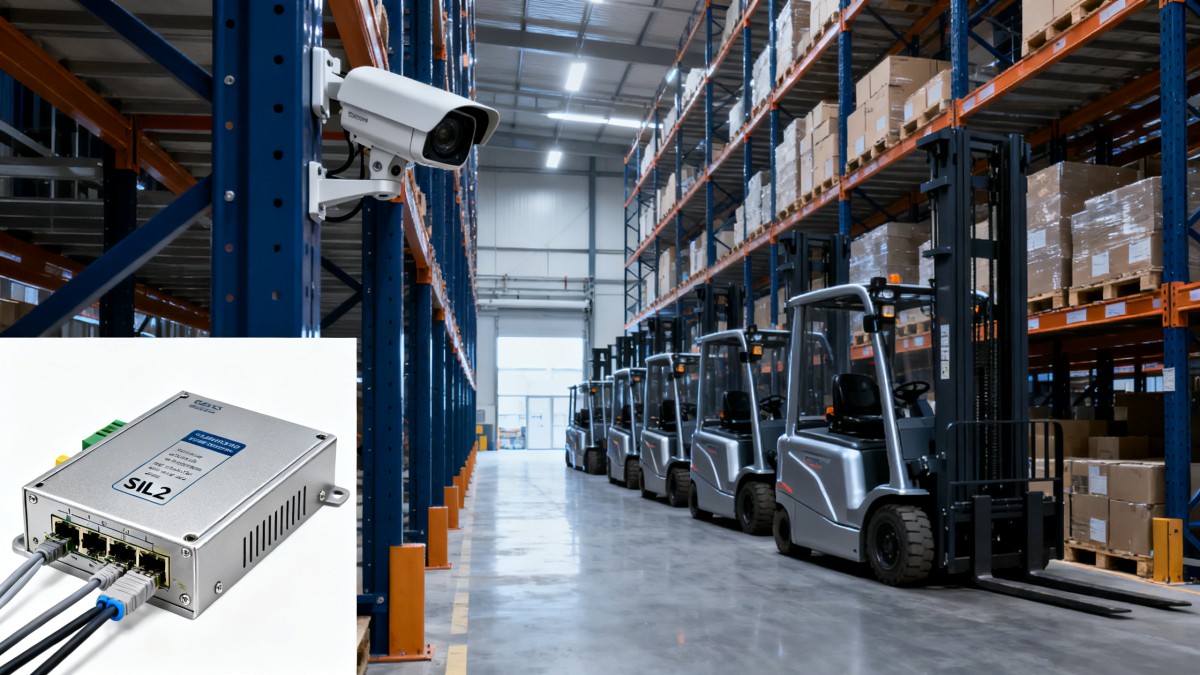
In summary, the April 2026 Rosstandart update and concurrent forklift import surge reflect coordinated evolution in Russia’s warehouse technology stack: electrification is advancing rapidly, and safety assurance is expanding from mechanical to cyber-physical systems. This is not yet a market-wide inflection point, but rather a clear directional indicator — one that favors players with certified product portfolios, cross-domain safety engineering expertise, and responsive supply chain coordination. Current understanding should emphasize preparedness over urgency, and systemic alignment over isolated compliance.
Source: Official announcement by the Federal Agency for Technical Regulating and Metrology (Rosstandart); publicly reported Q1 2026 forklift import statistics (source unspecified but cited in official trade briefings). Note: Transitional provisions and enforcement practices remain subject to ongoing observation.
Technical Specifications
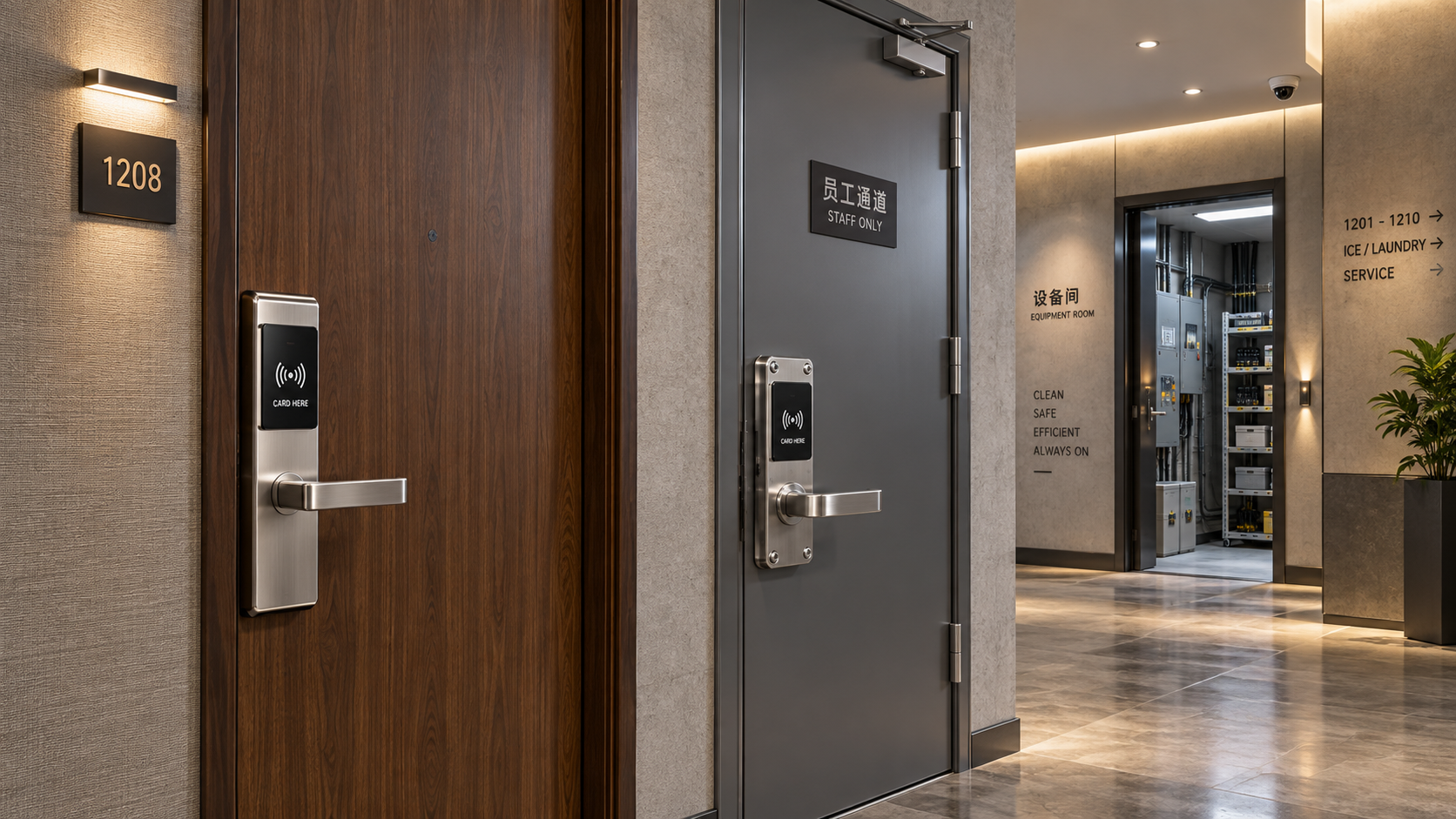
- How to Select Electronic Hotel Key Card Locks for Guest Rooms and Staff AreasAuthor :Safety Compliance Lead
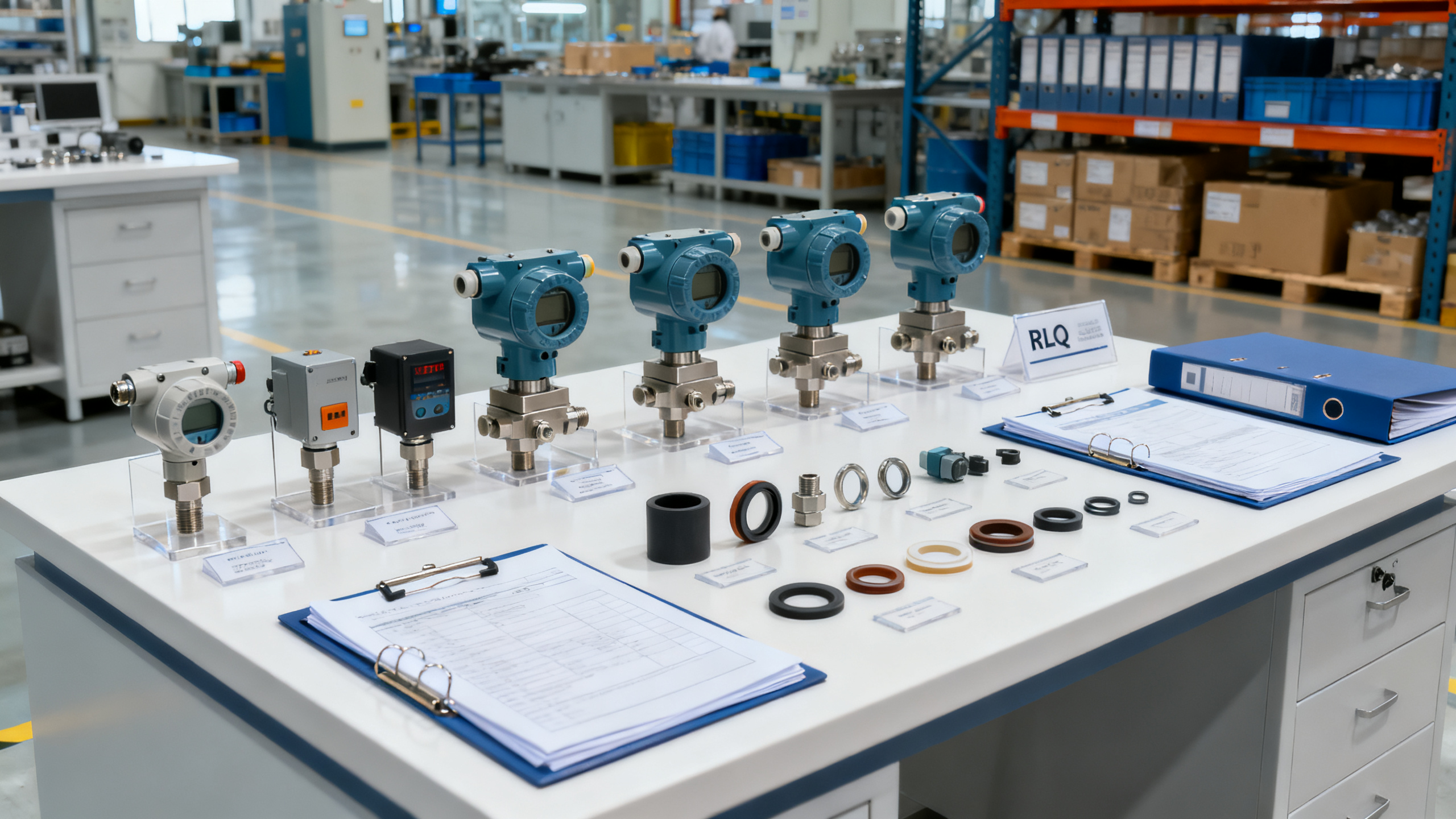
- How to Select Lab Instruments for Reliable Chemical Analysis WorkflowsAuthor :Precision Metrology Expert
- How to Size a UPS for Server Rooms: Load, Runtime, and Redundancy FactorsAuthor :Grid Infrastructure Analyst
Expert Insights

Chief Security Architect
Dr. Thorne specializes in the intersection of structural engineering and digital resilience. He has advised three G7 governments on industrial infrastructure security.
Related Analysis
- Sep 17, 2026How to Select Electronic Hotel Key Card Locks for Guest Rooms and Staff AreasAuthor :Safety Compliance Lead
- Sep 16, 2026How to Select Lab Instruments for Reliable Chemical Analysis WorkflowsAuthor :Precision Metrology Expert
- Sep 15, 2026How to Size a UPS for Server Rooms: Load, Runtime, and Redundancy FactorsAuthor :Grid Infrastructure Analyst
Core Sector // 01
Security & Safety
- How to Select Electronic Hotel Key Card Locks for Guest Rooms and Staff AreasAuthor :Safety Compliance Lead

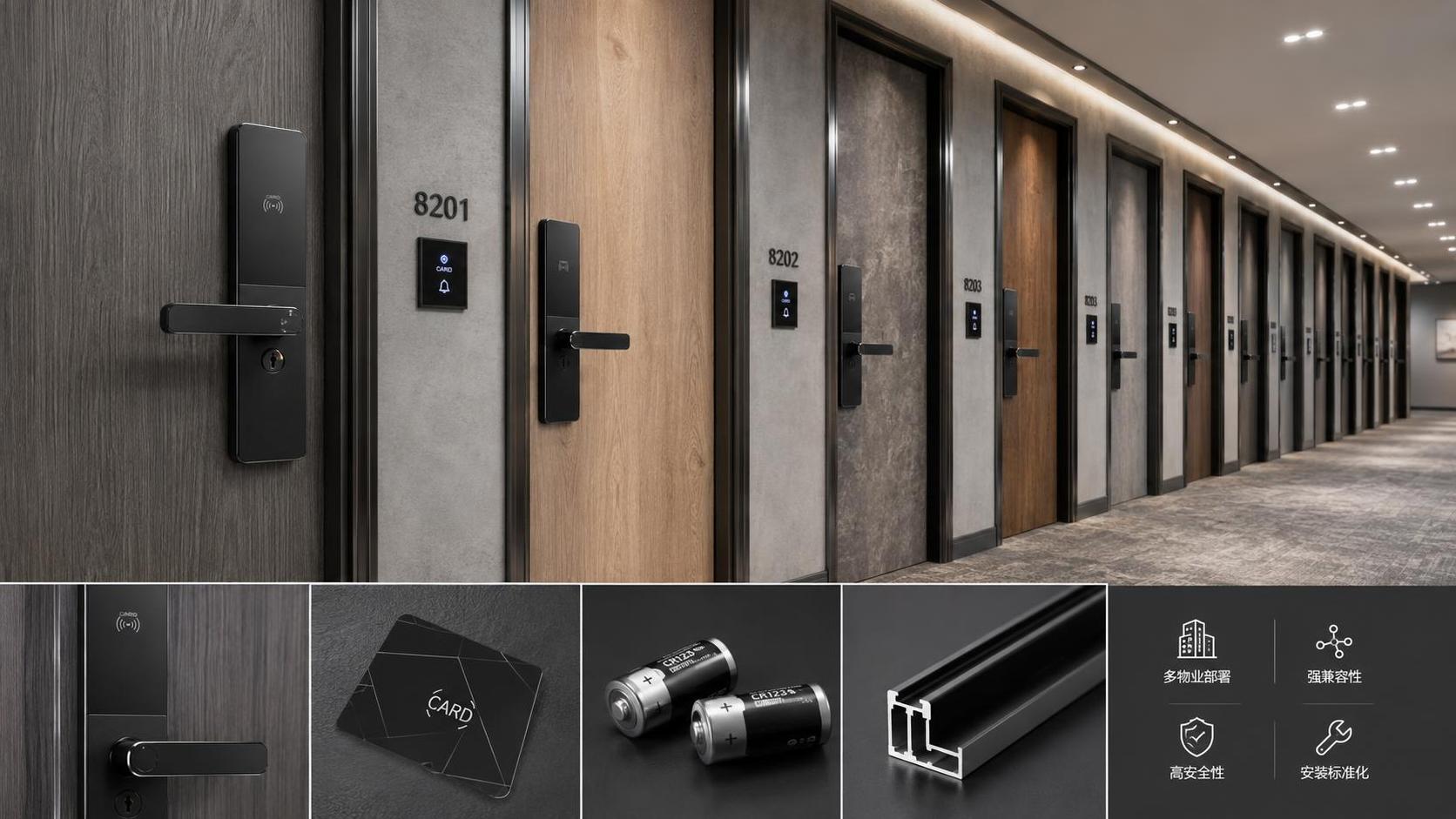
- How to Evaluate a Hotel Key Card Lock Supplier for Multi-Property RolloutsAuthor :Safety Compliance Lead

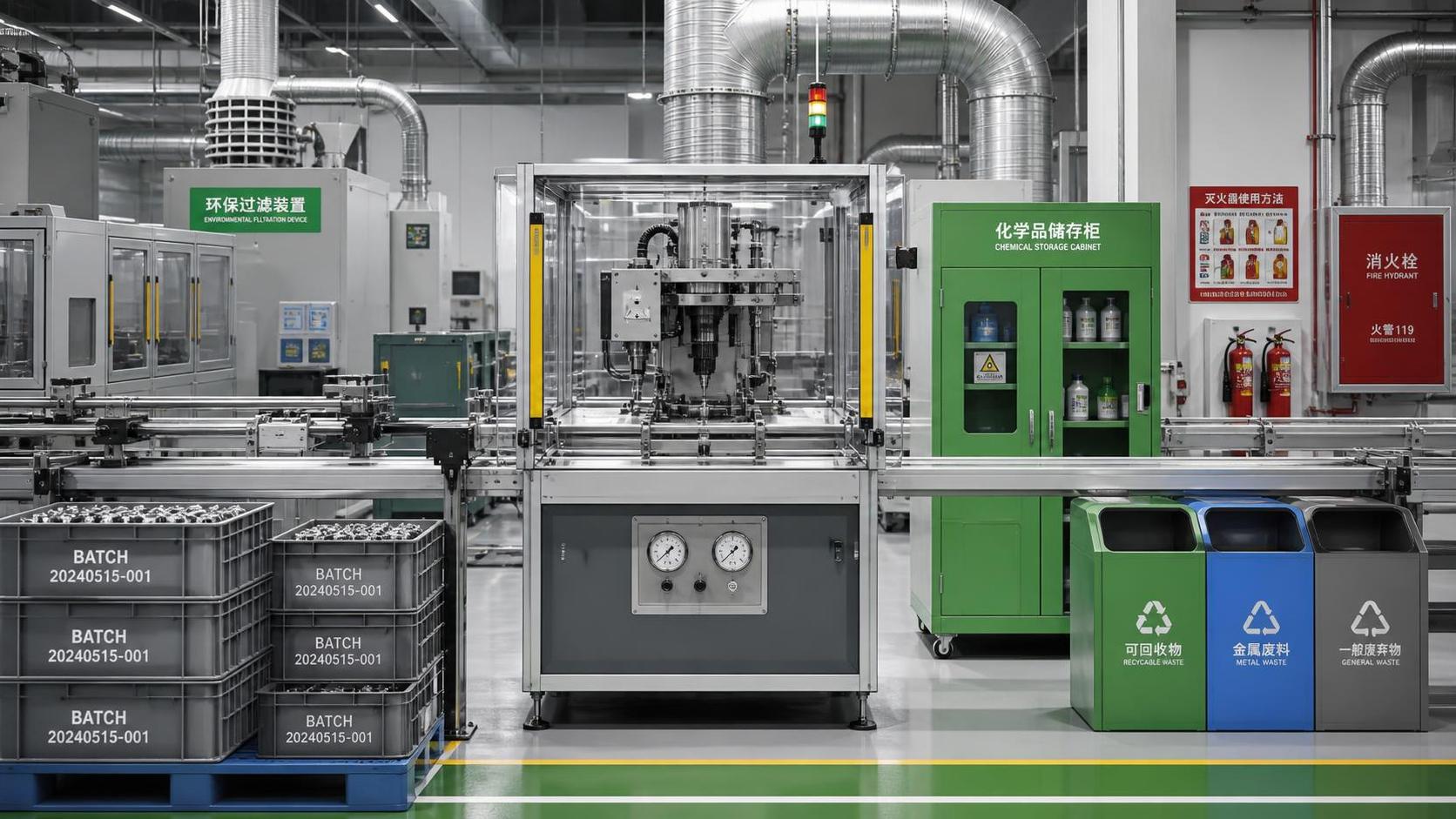
- Pre-Contract Audit Checklist for Verified Production Safety and Environmental ComplianceAuthor :Safety Compliance Lead

- How Can Distributors Build Procurement-Oriented Industrial Content That Drives RFQs?Author :Safety Compliance Lead

- EU Mandates EN 50131-1:2026 for Security SystemsAuthor :Safety Compliance Lead

- EU EN 50131-1:2026 Takes Effect on CCTV ComplianceAuthor :Safety Compliance Lead

- IEC Issues CCTV Interoperability Test StandardAuthor :Safety Compliance Lead

- EN 50131-4:2026 Raises EU Security Compliance BarAuthor :Safety Compliance Lead