Automatic Boom Barriers: Which Sites Need Them
Author
Date Published
Reading Time
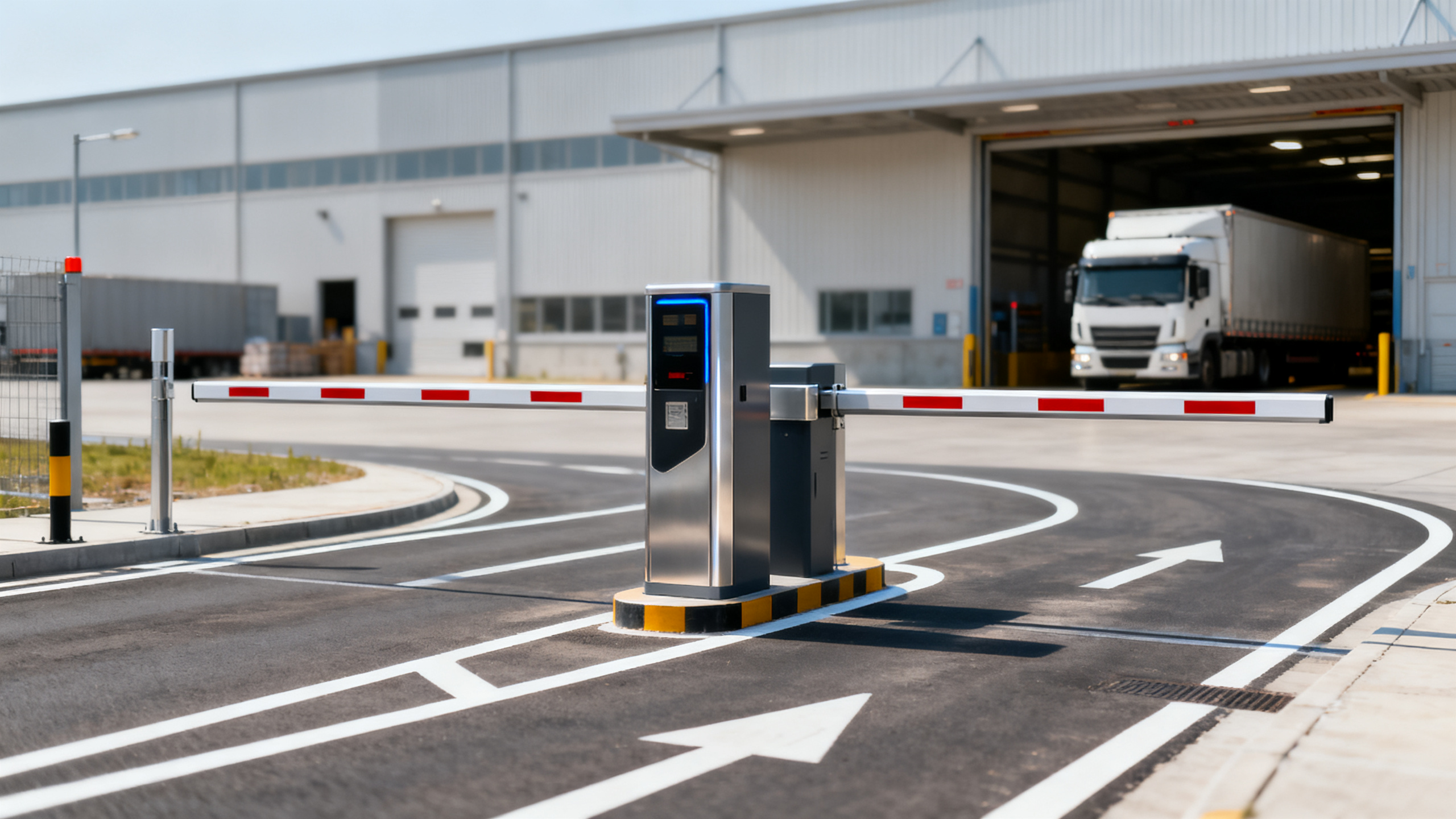
From logistics hubs and factories to campuses, toll lanes, and commercial compounds, automatic boom barriers help control vehicle access, improve safety, and support efficient site management. For buyers comparing automatic boom barriers with sliding gate motors wholesale, perimeter intrusion detection, and hotel key card locks, understanding where these systems deliver the most value is the first step toward smarter security planning.
The short answer is this: automatic boom barriers are most valuable at sites that need fast, repeatable vehicle control rather than full physical closure. If your facility handles regular vehicle flow, needs to separate authorized and unauthorized entry, wants to reduce guard workload, or must improve traffic discipline at entrances and exits, a boom barrier is often the right solution. They are especially effective where throughput, visibility, and integration with access control matter more than perimeter hardening alone.
Which sites benefit most from automatic boom barriers?
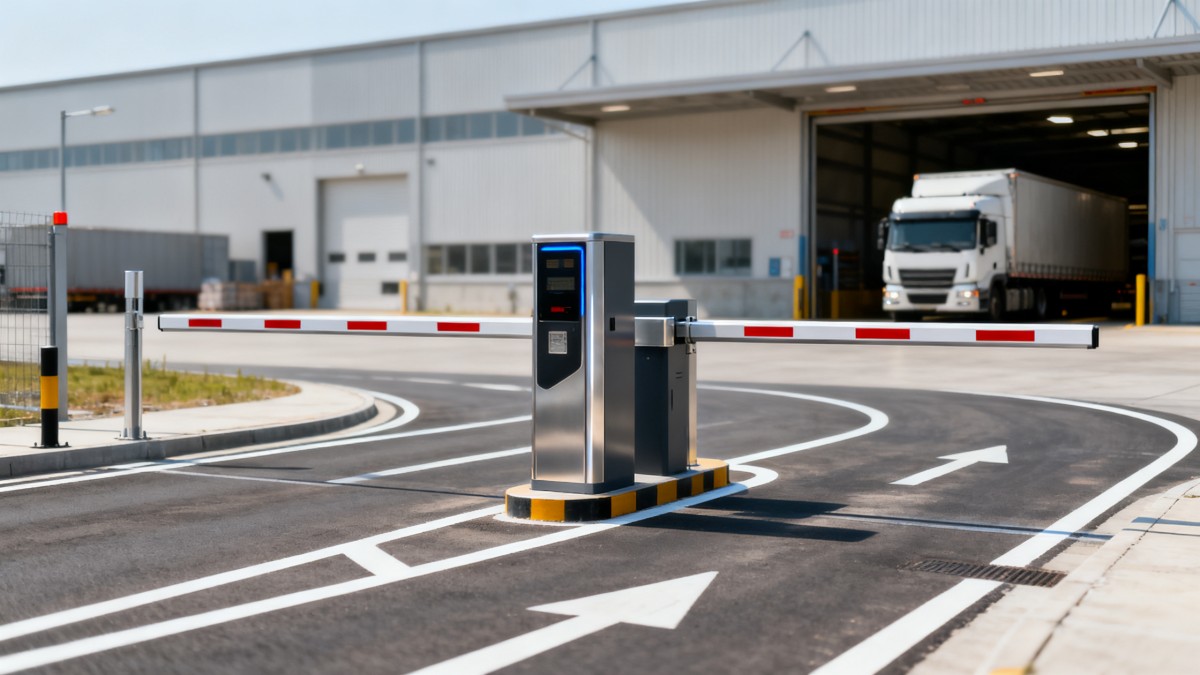
Automatic boom barriers are best suited to locations where vehicles need to be screened, counted, slowed, or granted access in an orderly way. Typical high-value applications include:
- Industrial plants and factories: to manage employee vehicles, contractor entry, loading bays, and restricted operational zones.
- Logistics hubs and warehouses: to organize truck movement, reduce congestion, and link access with scheduling or dock management.
- Office parks and commercial compounds: to separate staff, visitor, and delivery traffic while improving site security.
- Residential communities and mixed-use developments: to control resident access and reduce unauthorized vehicle entry.
- Hospitals, campuses, and public institutions: to manage daily traffic volume without creating excessive delays.
- Toll lanes, parking facilities, and transport terminals: to support high-cycle operation and automated payment or ticketing workflows.
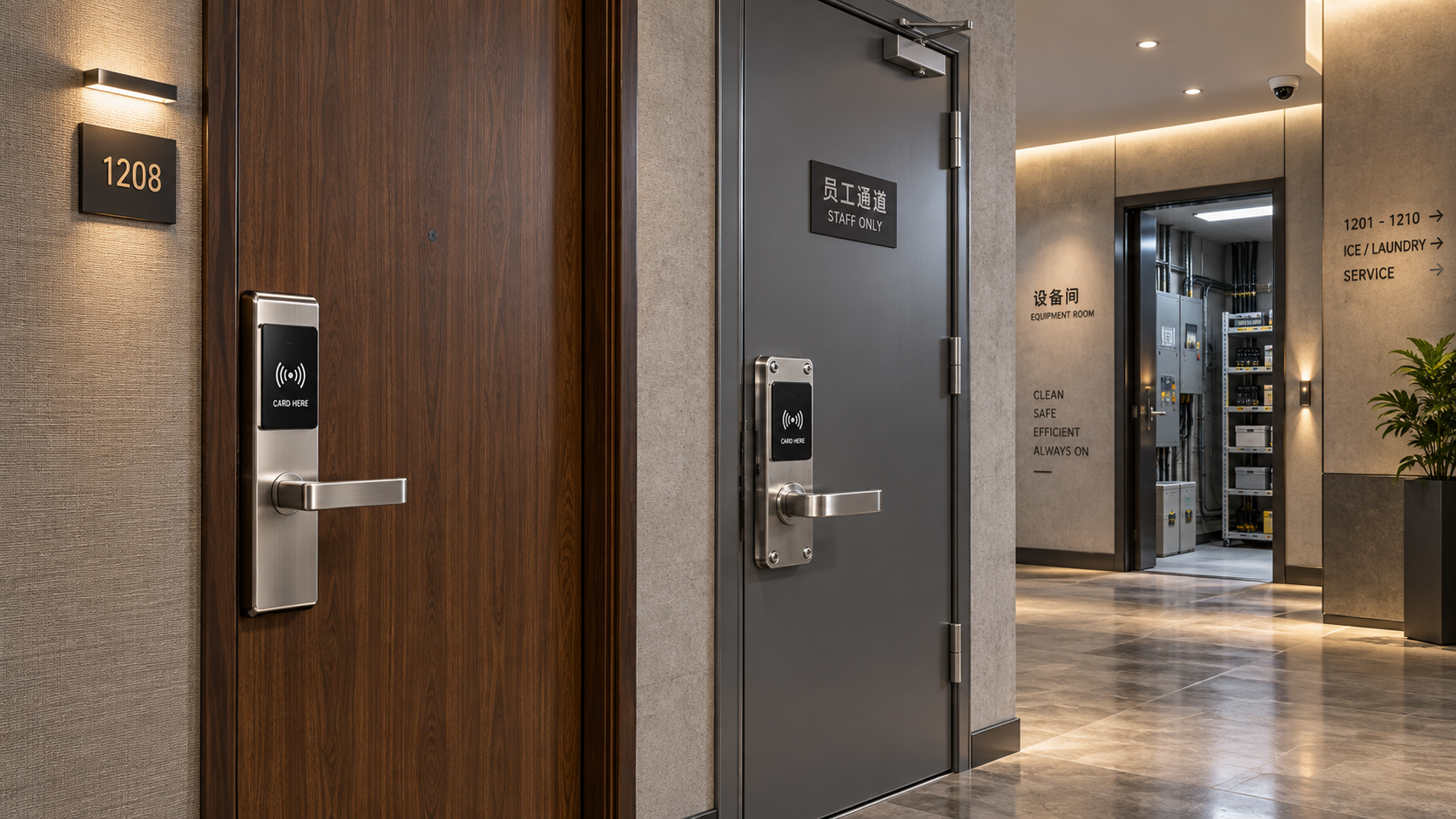
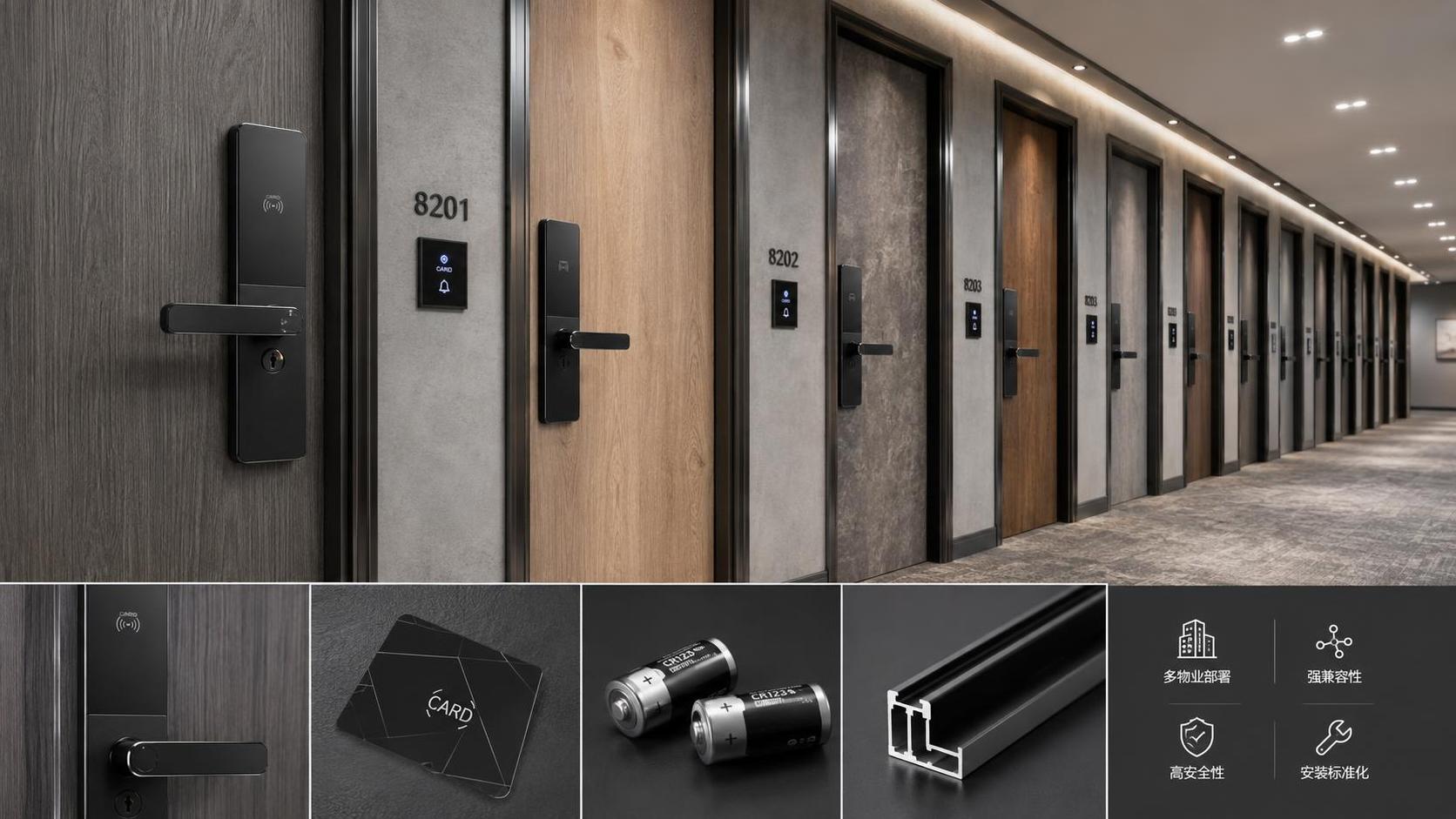
- Hotels and hospitality properties: to control car park entry alongside digital access systems such as hotel key card locks.
In all of these settings, the core need is similar: control the movement of vehicles at a defined point without unnecessarily slowing legitimate users.
When is a boom barrier the right choice instead of a sliding gate?
Many buyers evaluating automatic boom barriers are also considering sliding gate motors wholesale options. The key difference is function.
Choose an automatic boom barrier when you need:
- Fast opening and closing cycles
- High vehicle throughput
- Clear lane-based traffic control
- Lower obstruction to visibility
- Simple integration with RFID, ANPR, ticketing, or guard systems
Choose a sliding gate when you need:
- Stronger perimeter closure
- Better resistance to tailgating by vehicles or pedestrians
- Higher privacy or separation from public roads
- A more physically secure boundary line
In practice, many industrial and commercial sites use both. A sliding gate protects the perimeter, while an automatic boom barrier manages vehicle flow at the operational entrance. This layered approach often delivers better security and smoother site operations than relying on one system alone.
What problems do automatic boom barriers solve for operators and facility managers?
For users and site operators, the value of a boom barrier is not just that it opens and closes. It solves several day-to-day operational issues:
- Uncontrolled entry: vehicles cannot simply pass through without some form of authorization or intervention.
- Traffic disorder: lanes become more structured, especially during shift changes or delivery peaks.
- Guard dependency: staff can supervise more effectively instead of manually stopping every vehicle.
- Safety risks: drivers are forced to slow down at critical access points.
- Weak audit trail: when integrated with access systems, entries and exits can be logged automatically.
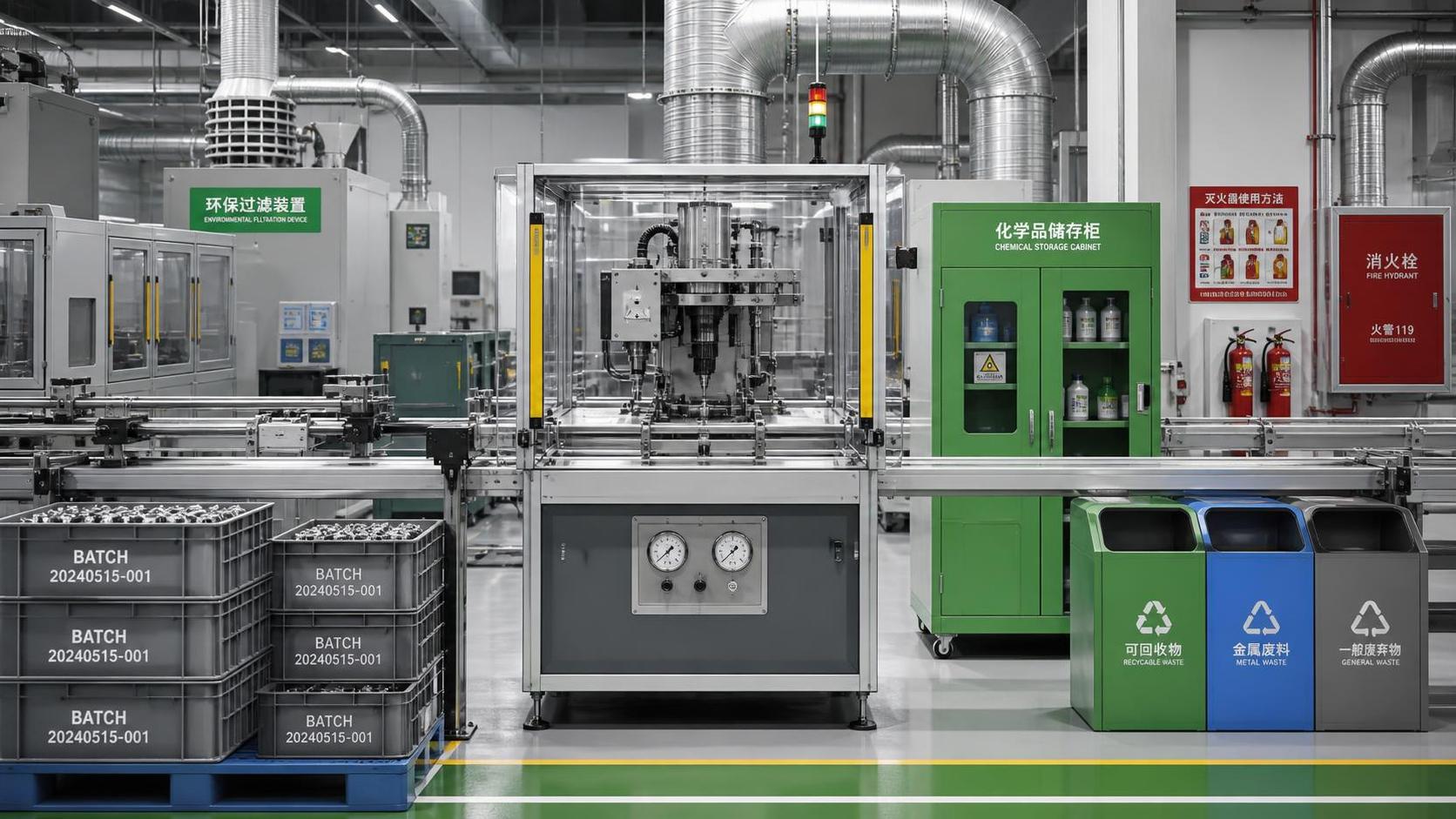
In industrial environments, this is especially important where vehicle access intersects with pedestrians, forklifts, hazardous areas, or controlled loading zones. A barrier helps create predictable movement, which directly supports safety management.
What should procurement teams and decision-makers evaluate before buying?
For procurement professionals and business decision-makers, the question is not only “Does this site need a barrier?” but also “Will this system fit our operational and compliance requirements?” Key evaluation criteria include:
- Traffic volume and duty cycle: high-frequency entrances need barrier systems rated for intensive use.
- Boom length and lane width: the arm must match the actual vehicle lane without compromising stability.
- Opening speed: this matters for busy sites where vehicle queues affect productivity.
- Safety devices: loops, photoelectric sensors, warning lights, and anti-crush functions are essential.
- Environmental conditions: wind load, dust, rain, corrosion, and temperature extremes all affect selection.
- Integration capability: compatibility with RFID, card readers, ANPR, intercoms, and central access control should be confirmed early.
- Compliance and certification: buyers should look for relevant CE, UL, ISO, or local regulatory alignment based on market and site type.
- Maintenance access and spare parts support: low downtime is critical for industrial and commercial entrances.
For EPC contractors and large facility operators, lifecycle reliability usually matters more than the lowest purchase price. A cheaper barrier that fails under high-cycle demand can create traffic bottlenecks, service calls, and security gaps that cost far more over time.
Which environments need more than a boom barrier alone?
Not every site should rely on a boom barrier as a standalone security measure. A barrier controls access flow, but it does not by itself stop determined intrusion in the same way a hardened gate, bollard, or fencing system might.
You likely need additional systems if your site has:
- High-security perimeter requirements
- Critical infrastructure exposure
- Risk of forced vehicle entry
- Unmanned perimeter zones
- Strict separation between public and restricted operations
In those cases, boom barriers work best as part of a broader architecture that may include perimeter intrusion detection, CCTV, sliding gates, fencing, bollards, intercoms, and identity verification systems. This is often the right model for power facilities, data-sensitive industrial compounds, petrochemical sites, and logistics yards with valuable cargo exposure.
How can you tell if your site truly needs one?
A practical way to decide is to ask five operational questions:
- Do vehicles enter and exit frequently enough that manual control is inefficient?
- Do you need to separate authorized traffic from visitor or contractor traffic?
- Are congestion, unsafe movement, or unauthorized entry recurring problems?
- Would integration with cards, tags, plate recognition, or parking systems improve control?
- Would a visible access point improve user compliance and guard effectiveness?
If the answer is yes to most of these, an automatic boom barrier is likely justified. If your main concern is perimeter resistance rather than traffic control, a gate or mixed system may be the better investment.
What business value does an automatic boom barrier deliver?
For enterprise decision-makers, the return on investment often comes from operational control rather than security alone. A well-chosen system can help:
- Reduce labor intensity at access points
- Improve vehicle throughput during peak periods
- Support access logs and accountability
- Lower the risk of casual unauthorized entry
- Strengthen site safety procedures
- Improve the professional image of the facility
In sectors where uptime, compliance, and controlled movement matter, these gains can be meaningful. Even a relatively simple barrier system can contribute to smoother operations when matched to the site’s actual traffic and risk profile.
Conclusion: where automatic boom barriers make the most sense
Automatic boom barriers are the right fit for sites that need efficient, visible, and repeatable vehicle access control. They are especially useful in factories, logistics centers, campuses, parking facilities, commercial compounds, and mixed-use properties where traffic flow and access discipline are daily operational priorities.
They are not a universal replacement for gates or perimeter intrusion detection, but they are highly effective when the main goal is to manage vehicle movement safely and efficiently. For procurement teams, operators, and business leaders, the smartest decision is to evaluate the barrier not as a standalone product, but as part of the site’s wider access control strategy, traffic pattern, and risk environment.
If your facility needs faster entry management, better lane control, and stronger oversight of who drives in and out, an automatic boom barrier is often a practical and high-value starting point.
Technical Specifications
Expert Insights

Chief Security Architect
Dr. Thorne specializes in the intersection of structural engineering and digital resilience. He has advised three G7 governments on industrial infrastructure security.
Related Analysis
Core Sector // 01
Security & Safety
- How to Build an Equipment Budget for EPC Projects Without Underestimating Lifecycle CostsAuthor :Safety Compliance Lead

- Selecting EPC Procurement Support Tools to Reduce Vendor and Delivery DelaysAuthor :Safety Compliance Lead

- How to Select an Access Control Management System for Multi-Site FacilitiesAuthor :Safety Compliance Lead

- How to Select Electronic Hotel Key Card Locks for Guest Rooms and Staff AreasAuthor :Safety Compliance Lead

- How to Evaluate a Hotel Key Card Lock Supplier for Multi-Property RolloutsAuthor :Safety Compliance Lead

- Pre-Contract Audit Checklist for Verified Production Safety and Environmental ComplianceAuthor :Safety Compliance Lead

- How Can Distributors Build Procurement-Oriented Industrial Content That Drives RFQs?Author :Safety Compliance Lead

- EU Mandates EN 50131-1:2026 for Security SystemsAuthor :Safety Compliance Lead