When Is Engineering Project Research for Infrastructure Worth the Cost?
Author
Date Published
Reading Time
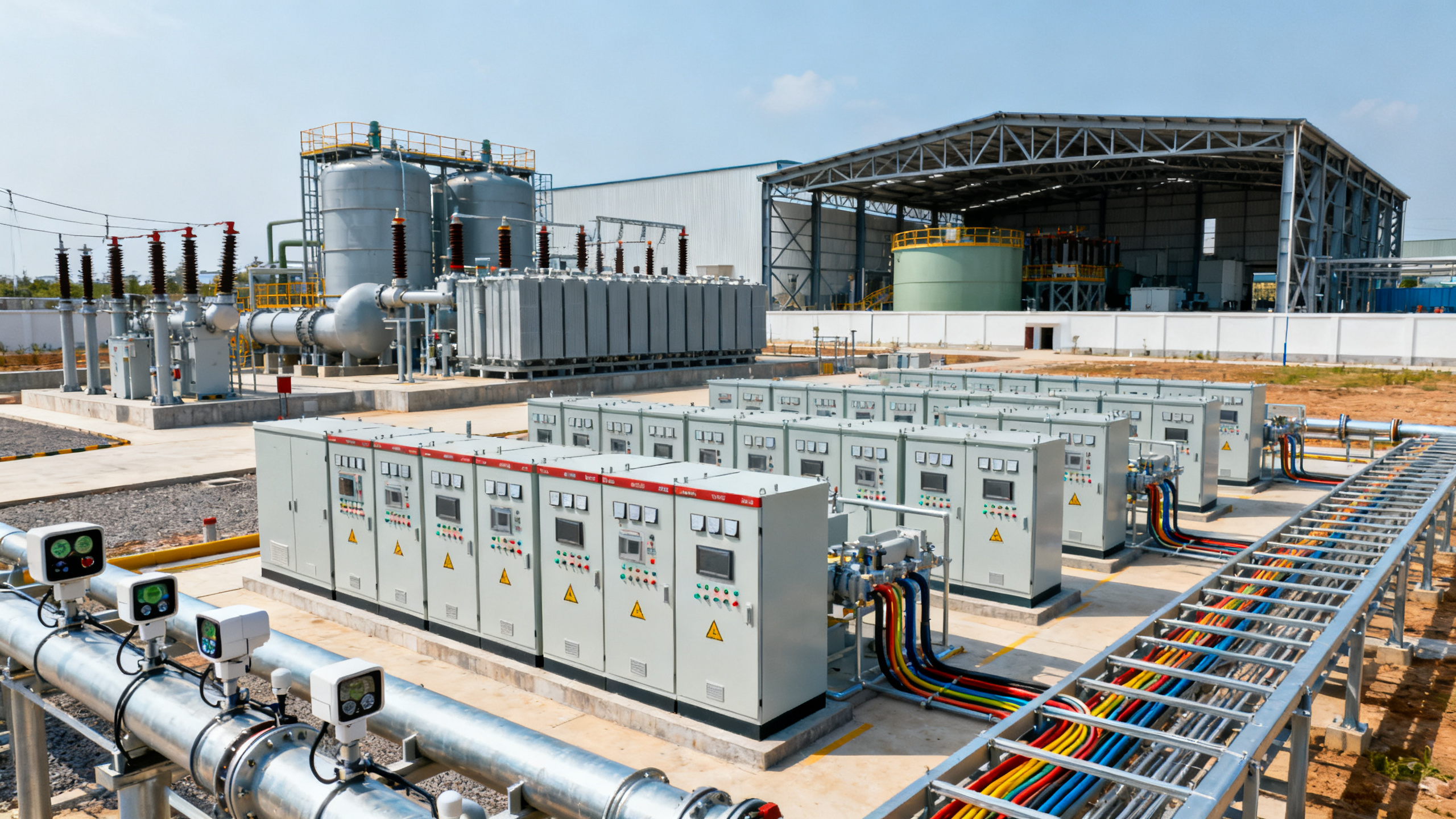
When does engineering project research for infrastructure actually pay off?
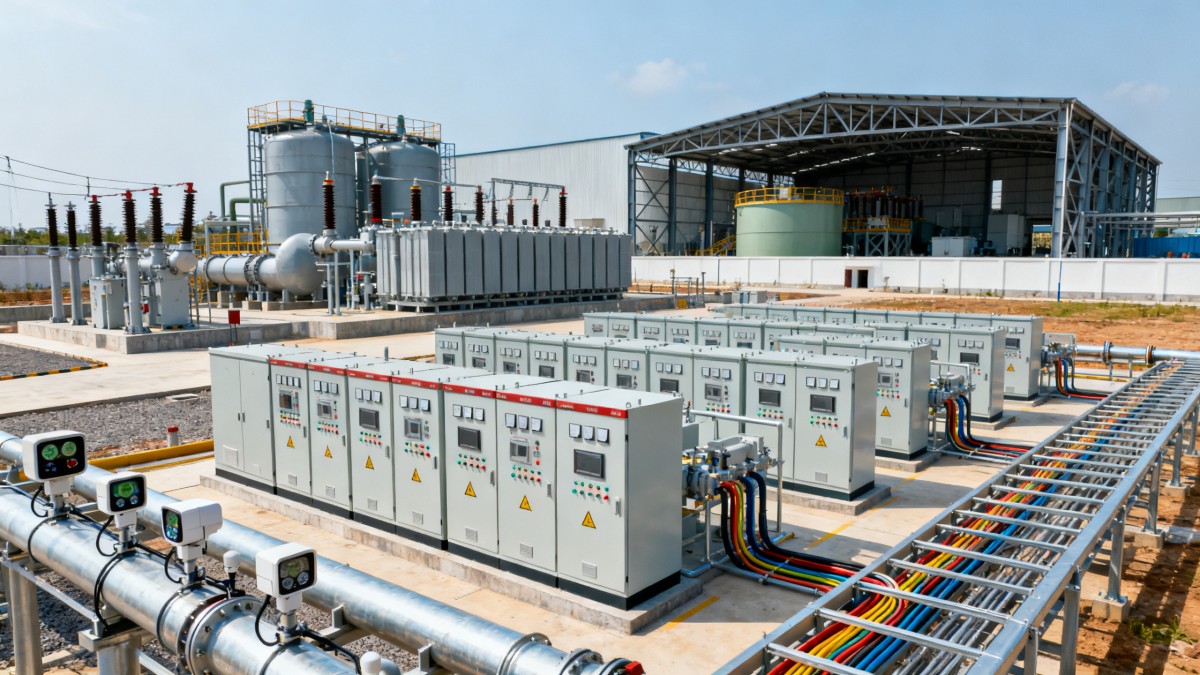
Engineering project research for infrastructure is rarely just a planning expense. In most industrial settings, it works as a risk filter before capital is committed.
That matters because infrastructure decisions lock in operating costs, compliance exposure, and maintenance difficulty for years. A low-cost mistake early can become a high-cost problem later.
The real value appears when research changes a decision. It may prevent an underspecified power component, reveal an environmental permitting issue, or flag a safety certification gap.
In practice, engineering project research for infrastructure is worth the cost when failure consequences are large, system interdependencies are high, and procurement choices are difficult to reverse.
This is especially true across heavy industry, where security systems, instrumentation, grid interfaces, emissions controls, and mechanical assemblies must perform under stress, not ideal conditions.
A useful way to frame the question is simple: will better research reduce uncertainty enough to improve specification, sourcing, installation, or lifecycle performance?
What does this research include beyond a standard feasibility check?
Many teams assume engineering project research for infrastructure means a broad feasibility report. That is only part of it.
The stronger version combines technical validation, procurement intelligence, compliance review, and operating context. It asks not only whether a project can work, but whether it can work reliably.
For industrial infrastructure, research often covers material compatibility, code requirements, site constraints, utility stability, environmental obligations, and supplier qualification.
It also tests assumptions hidden inside vendor proposals. A component may meet nominal performance targets while failing on ingress protection, temperature tolerance, calibration drift, or maintenance access.
That is where decision quality improves. Instead of comparing price alone, the process compares total technical fit.
Sources such as Global Industrial Core are useful when the decision spans several disciplines. The strongest research environments connect safety, measurement, electrical, environmental, and mechanical evidence in one view.
A quick distinction that often gets missed
Desktop market research tells you what is available. Engineering project research for infrastructure tells you what is defensible for a specific site, duty cycle, and compliance burden.
Which infrastructure projects deserve deeper research before procurement?
Not every purchase needs the same level of analysis. The better approach is to scale engineering project research for infrastructure to the project’s consequence profile.
Deeper research is usually justified when assets are safety-critical, hard to replace, highly customized, or tightly linked to other systems.
Examples include substation upgrades, process instrumentation networks, fire and gas integration, industrial ventilation retrofits, corrosion-sensitive piping, and emissions treatment equipment.
The same logic applies when supplier claims are difficult to verify. A short review of test certificates, tolerances, lifecycle data, and installed references may prevent a poor award decision.
More routine items can use a lighter process. If the specification is mature, standards are clear, and field conditions are predictable, a full research cycle may add little value.
Signals that the project needs more than basic vendor comparison
- Multiple systems must interface without tolerance for shutdown.
- Operating conditions include heat, dust, vibration, moisture, or corrosive media.
- Regulatory approval depends on traceable documentation and testing records.
- Lead times are long enough that specification errors will delay the whole project.
- Maintenance access, calibration, or spare parts strategy is still unclear.
How do you judge whether the research cost is too high or completely justified?
The simplest mistake is comparing research cost with purchase price alone. That misses the bigger cost structure of infrastructure decisions.
A better comparison uses avoided cost. Ask what happens if the specification is wrong, the certification is incomplete, or the asset underperforms after handover.
In many cases, the critical numbers are not on the quote. They sit in shutdown losses, contractor remobilization, disposal of noncompliant parts, warranty disputes, and delayed production ramps.
Engineering project research for infrastructure tends to justify itself fastest in four situations: high downtime cost, uncertain compliance, cross-border sourcing, and long asset life.
There is also a timing factor. Research done before bid finalization is much cheaper than research done after procurement commitments have narrowed available options.
Where teams want a practical threshold, they often use a staged approach. Start with a focused screening review, then expand only if red flags appear.
A practical decision frame
Engineering project research for infrastructure is usually justified when one verified insight can change specification, supplier selection, installation method, or lifecycle planning.
Where do companies overspend on research, and where do they underinvest?
Overspending usually happens when research becomes too broad and loses a decision focus. Long reports that do not influence scope, vendor choice, or compliance planning create weak return.
Another common issue is duplicating work already covered by proven standards, accepted designs, or site history. If the operating context is stable, repetition adds cost without adding clarity.
Underinvestment is more dangerous. It appears when technical risk is treated as a purchasing detail rather than a business exposure.
This often happens in instrumentation, protective systems, metallurgy, and environmental controls. The components may look comparable on paper, yet perform very differently in the field.
Needless research asks abstract questions. Useful research asks whether the design will comply, survive, integrate, and remain serviceable.
That is why curated industrial intelligence matters. Platforms like GIC are most relevant when they connect certifications, application evidence, and engineering judgment instead of simply listing suppliers.
What should be confirmed before approving engineering project research for infrastructure?
Before approving budget, define the exact decision that the research must support. If that point is vague, the work can drift.
Then confirm the scope boundaries. The review may cover supplier qualification, design assumptions, code compliance, material selection, performance testing, or lifecycle economics, but not everything at once.
It also helps to set evidence standards early. For infrastructure procurement, useful evidence includes certificates, third-party test data, site references, maintenance records, and documented operating limits.
Where the project touches safety or environmental performance, independent technical review should carry more weight than marketing claims or generic brochures.
The final checkpoint is actionability. The output should lead to a clearer specification, a tighter shortlist, a risk register, or a procurement hold point.
- Define the failure consequence the research is meant to reduce.
- List standards, approvals, and documentation requirements early.
- Separate essential technical questions from optional background analysis.
- Require evidence that reflects real operating conditions.
- Tie the final output to procurement, design, or commissioning decisions.
In the end, engineering project research for infrastructure is worth the cost when it prevents a larger downstream mistake. The strongest cases are not theoretical.
They show up in avoided shutdowns, fewer compliance surprises, cleaner vendor selection, and assets that perform as specified under real load and real environmental stress.
The next step is to map the decision, quantify the consequence of error, and test whether targeted research will materially improve the outcome. That is where cost becomes value.
Technical Specifications
- Air Handling Unit Supplier Checklist: Performance Data, Lead Times, and SupportAuthor :Environmental Engineering Director
- Buying Fiberglass Water Tanks Wholesale: Compare Quotes and Delivery CostsAuthor :Environmental Engineering Director
- Choosing an XLPE Power Cable Supplier: Test Reports, Traceability, and Lead TimesAuthor :Grid Infrastructure Analyst
Expert Insights

Chief Security Architect
Dr. Thorne specializes in the intersection of structural engineering and digital resilience. He has advised three G7 governments on industrial infrastructure security.
Related Analysis
- Oct 19, 2026Air Handling Unit Supplier Checklist: Performance Data, Lead Times, and SupportAuthor :Environmental Engineering Director
- Oct 18, 2026Buying Fiberglass Water Tanks Wholesale: Compare Quotes and Delivery CostsAuthor :Environmental Engineering Director
- Oct 17, 2026Choosing an XLPE Power Cable Supplier: Test Reports, Traceability, and Lead TimesAuthor :Grid Infrastructure Analyst
Core Sector // 01
Security & Safety
- Choosing a Bluetooth Total Station: Software Compatibility and Connection RangeAuthor :Precision Metrology Expert

- Material Testing Standards: ASTM E8 vs. ISO 6892-1 for Metal Tensile TestsAuthor :Precision Metrology Expert

- How to Verify Accuracy in Industrial Measurement Data and Test ReportsAuthor :Precision Metrology Expert

- Selecting a Steam Vortex Flow Meter: Sizing, Pressure, and Temperature LimitsAuthor :Precision Metrology Expert

- How to Select an Industrial Infrared Thermometer for Hot, Moving EquipmentAuthor :Precision Metrology Expert

- How to Evaluate a Precision Measurement Equipment Manufacturer for Critical TolerancesAuthor :Precision Metrology Expert

- How to Select an Emissions Monitoring System Analyzer for Compliance ReportingAuthor :Precision Metrology Expert

- Portable Gas Monitor Calibration: How Often Is It Needed for Safe Confined-Space Work?Author :Precision Metrology Expert