What Should an Industrial Procurement Reference Include for Safer Equipment Purchasing?
Author
Date Published
Reading Time
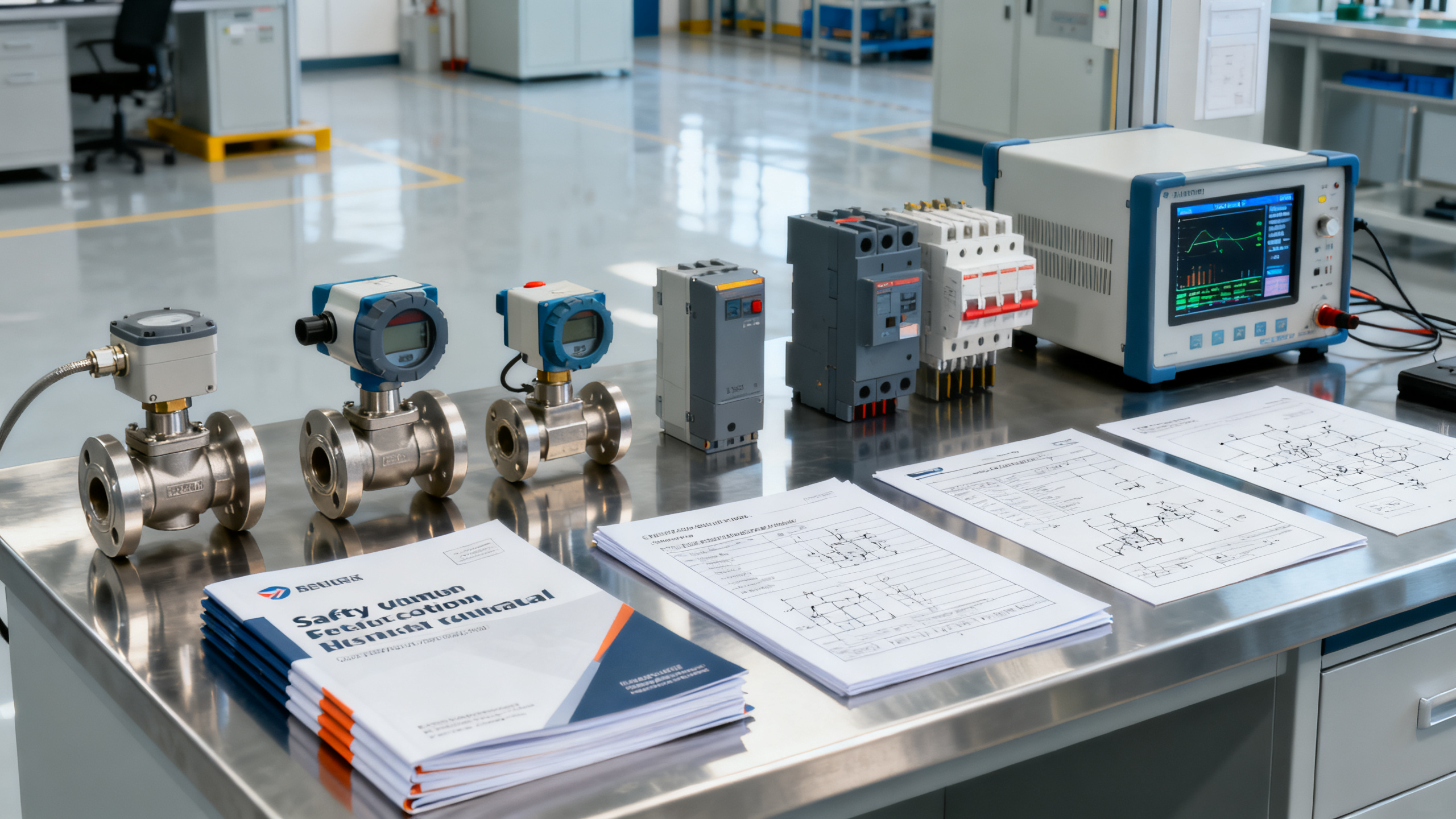
Safer equipment purchasing rarely depends on price alone. A reliable industrial procurement reference helps reduce exposure to compliance gaps, early failure, weak documentation, and supplier risk. In industrial settings where downtime, injury, or environmental damage can escalate quickly, that reference becomes a practical decision tool. It should connect technical standards, inspection points, service expectations, and lifecycle evidence so every purchase can be justified with confidence.
Why this reference matters more now
Industrial buying has become harder to evaluate because supply chains are wider, regulations are tighter, and equipment often operates under harsher conditions than before.
A basic vendor quote cannot show whether a switchgear assembly, sensor, valve, enclosure, or safety component will perform reliably in the field.
That is why an industrial procurement reference should function as a structured decision baseline. It aligns purchasing choices with operational safety, compliance obligations, and long-term asset resilience.
This is especially relevant across broad industrial environments, from utilities and process plants to logistics infrastructure and heavy manufacturing.
The wider market also rewards stronger evidence. Organizations increasingly need traceable records that support audits, insurance reviews, project approvals, and cross-border sourcing decisions.
Seen in that context, an industrial procurement reference is not just internal paperwork. It is part of operational governance.
What an industrial procurement reference should actually contain
A useful reference should be detailed enough to guide evaluation, yet practical enough to apply across multiple equipment categories.
The strongest version usually combines technical, commercial, regulatory, and supplier-related criteria in one place.
Core information areas
This structure makes the industrial procurement reference more than a checklist. It becomes a repeatable way to compare offers that may look similar on paper.
Standards, risk, and the difference between compliance and suitability
One common mistake is treating certification as full proof of field fitness. A product can be compliant and still be poorly suited to its operating context.
For example, a certified component may still fall short on corrosion resistance, electrical stability, vibration tolerance, or maintainability.
A stronger industrial procurement reference therefore separates mandatory compliance from application suitability. Both matter, but they answer different questions.
Questions the reference should force into view
- Is the certification current, authentic, and relevant to the intended region?
- Were tests performed on the exact model offered or only on a related configuration?
- Do performance ratings reflect continuous operation or only limited test conditions?
- Are spare parts, recalibration, and technical support available within the required time frame?
- Does the supplier disclose failure limits, exclusions, and maintenance intervals clearly?
This is where a data-led sourcing approach becomes useful. The logic applied by Global Industrial Core reflects that exact need for evidence-based evaluation.
Across safety systems, instrumentation, power infrastructure, environmental controls, and mechanical assemblies, the same principle applies: documented suitability reduces hidden risk.
How the reference changes by equipment category
Not every asset should be judged with the same weighting. The industrial procurement reference should adapt to the risk profile of the equipment involved.
Typical category differences
For safety barriers, emergency shutdown devices, and protective enclosures, certification integrity and fail-safe behavior deserve primary attention.
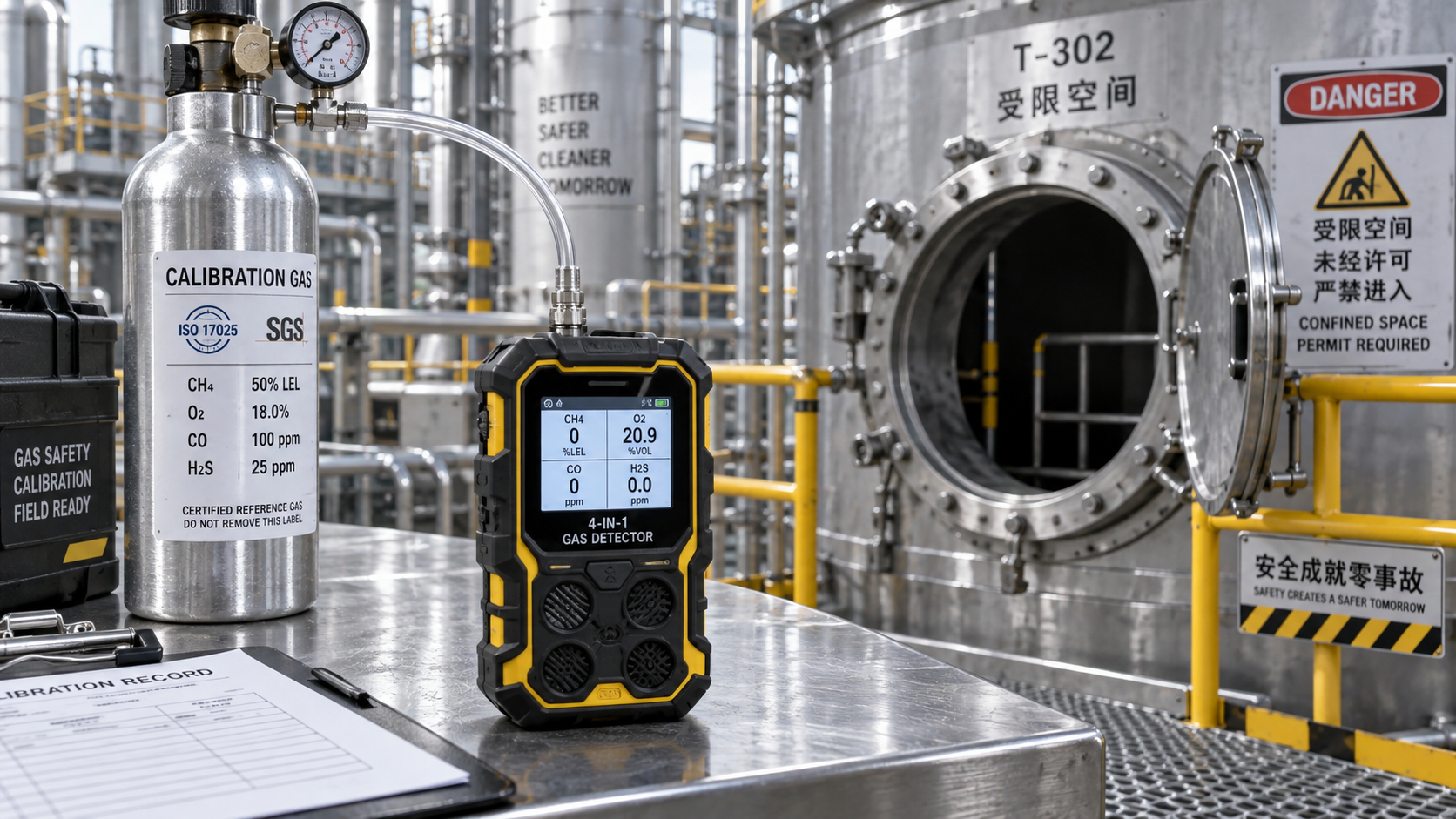
For instruments and measurement devices, calibration traceability, repeatability, environmental drift, and integration accuracy should carry more weight.
For electrical and power grid components, insulation class, thermal behavior, short-circuit performance, and installation compatibility become central.
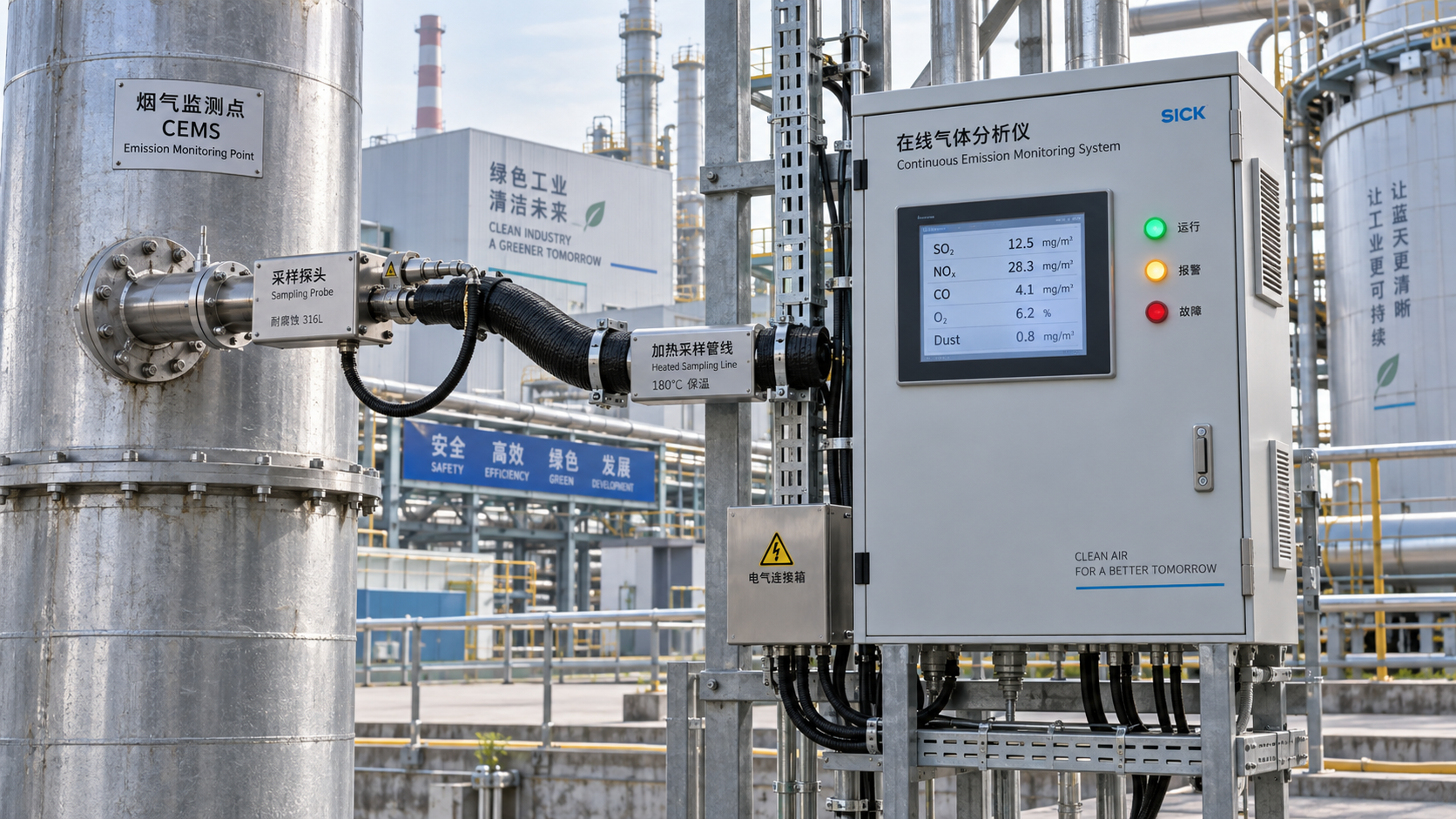
For environmental systems, discharge limits, media compatibility, monitoring capability, and operating stability often define purchasing risk.
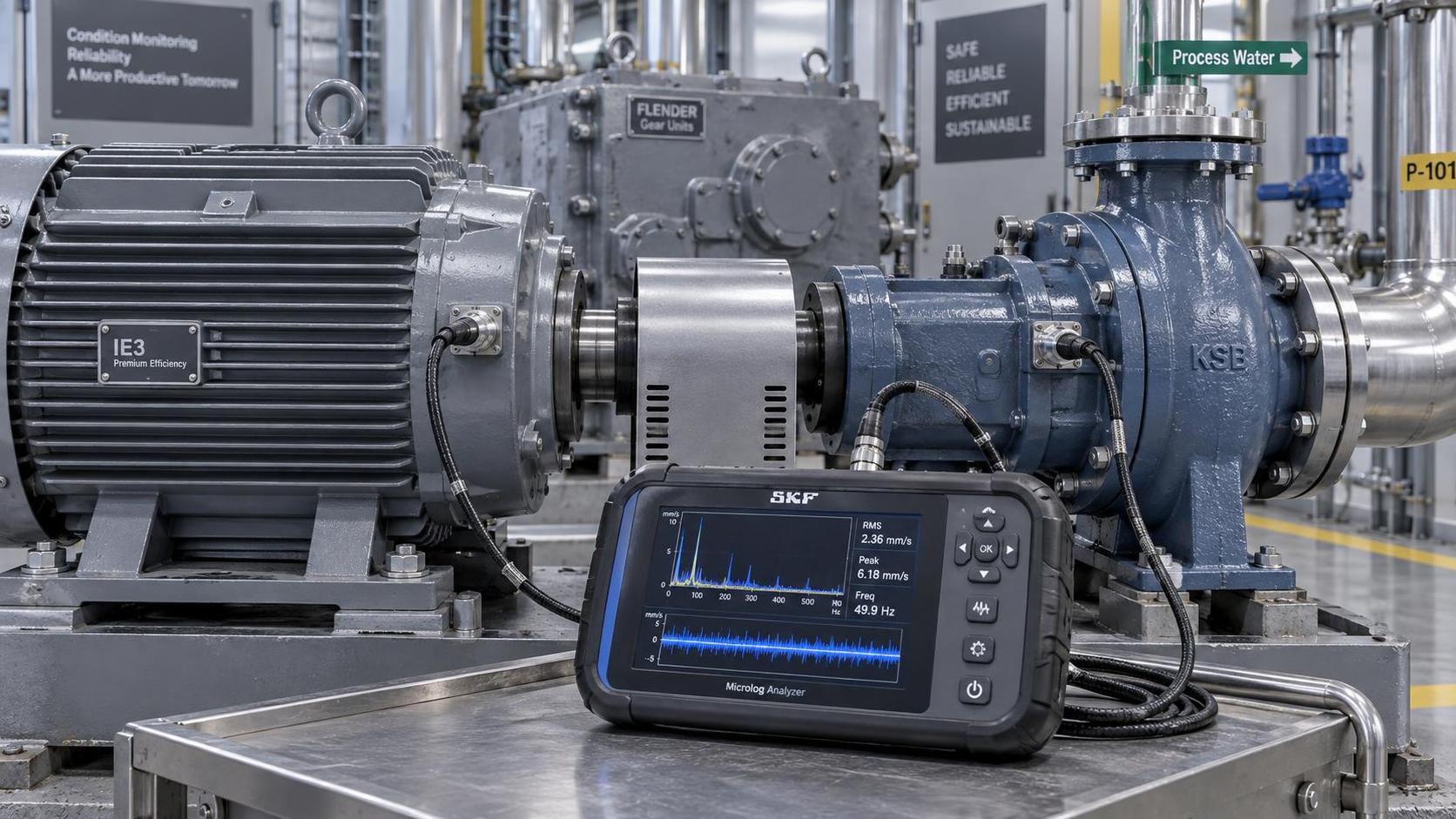
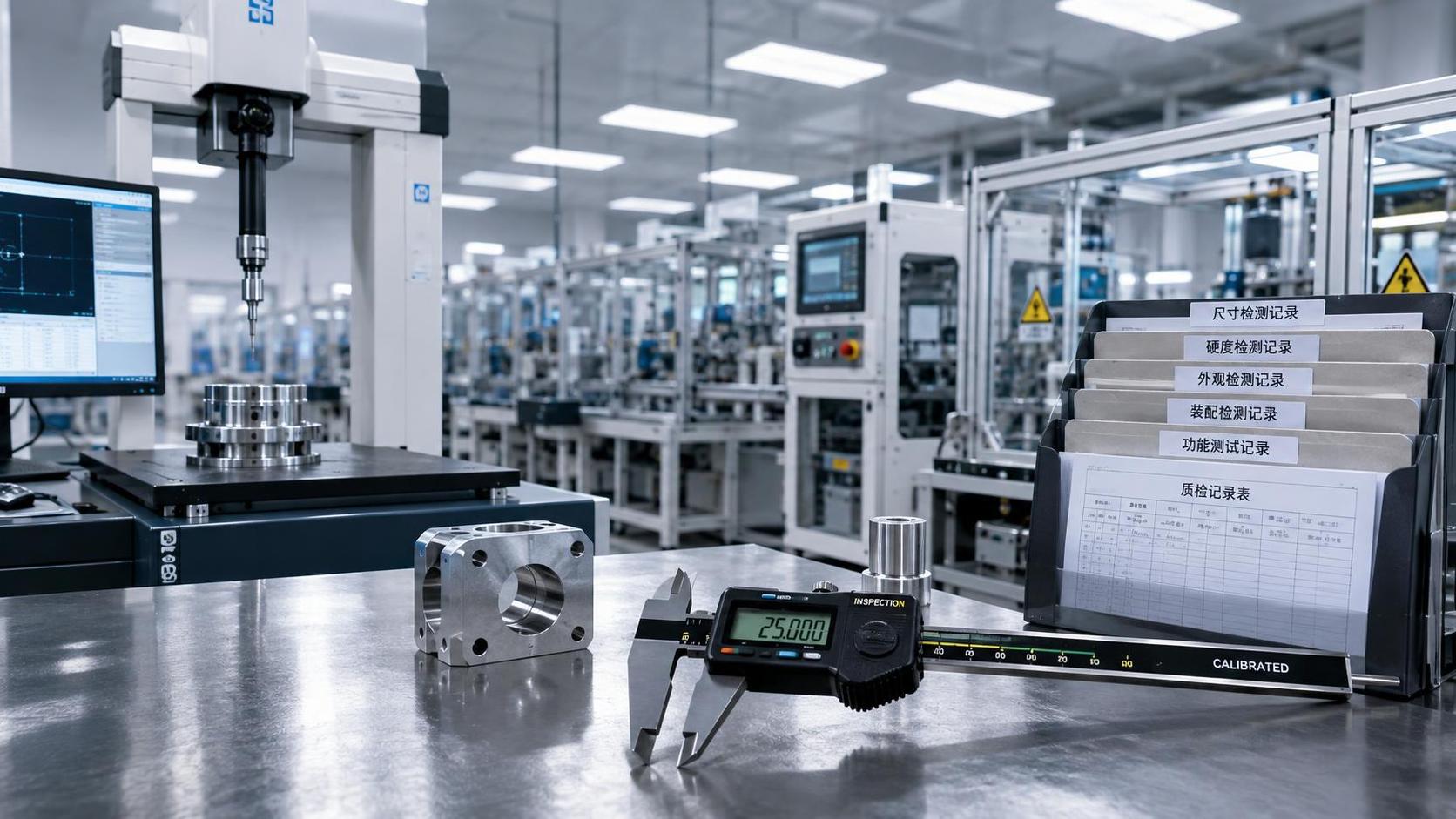
For mechanical components and metallurgy, material grade, fatigue resistance, machining tolerance, coating performance, and traceable batch records matter more.
A generic template misses these differences. A strong industrial procurement reference preserves a common structure but adjusts emphasis by asset class.
Supplier credibility belongs inside the reference
Safer purchasing depends not only on the product, but also on the organization standing behind it.
A supplier with incomplete traceability, weak change control, or inconsistent service support can introduce risk even when the equipment looks technically sound.
That is why the industrial procurement reference should include supplier evidence, not just product claims.
- Quality management records and audit history
- Manufacturing origin and subcontracting visibility
- Document control discipline and revision tracking
- Field performance references in similar environments
- Warranty terms linked to realistic operating conditions
- Availability of post-installation support and failure analysis
In practice, this section often reveals more than price comparison ever can. It shows whether the supply relationship is resilient under pressure.
How to use the reference in real evaluation work
The most effective industrial procurement reference is used early, not after a preferred supplier is already chosen.
It should shape the request for quotation, guide clarification rounds, and support final comparison.
A practical sequence
- Define the operating environment, risk severity, and critical performance limits.
- Assign mandatory requirements that cannot be negotiated away.
- Separate preferred features from essential safety and compliance conditions.
- Request supporting evidence in a standardized document set.
- Score supplier responses against the same industrial procurement reference.
- Record exceptions, assumptions, and unresolved technical risks before approval.
This method improves internal consistency. It also creates a defensible trail when later questions arise about why a certain option was selected.
Where sourcing decisions span countries or regulated sectors, that discipline becomes even more valuable.
What to review before the next purchasing cycle
An industrial procurement reference should not stay static. Standards change, suppliers change, and operating realities change with them.
A useful next step is to review existing reference documents against recent incidents, warranty claims, failed inspections, and delayed commissioning cases.
It also helps to compare the current reference with newer evidence sources, including verified technical analyses, certification updates, and application case data.
That is where a platform like Global Industrial Core can add value quietly but effectively, by consolidating trusted insight across safety, measurement, power, environmental, and mechanical domains.
The goal is not to make procurement slower. It is to make decisions clearer, safer, and easier to defend when equipment performance truly matters.
Before the next bid package is issued, refine the industrial procurement reference around actual field risk, required evidence, and lifecycle consequences. That often improves outcomes faster than chasing a lower unit price.
Technical Specifications
- How to Select an Emissions Monitoring System Analyzer for Compliance ReportingAuthor :Precision Metrology Expert
- How to Select an Access Control Management System for Multi-Site FacilitiesAuthor :Safety Compliance Lead
- Portable Gas Monitor Calibration: How Often Is It Needed for Safe Confined-Space Work?Author :Precision Metrology Expert
Expert Insights

Chief Security Architect
Dr. Thorne specializes in the intersection of structural engineering and digital resilience. He has advised three G7 governments on industrial infrastructure security.
Related Analysis
- Sep 21, 2026How to Select an Emissions Monitoring System Analyzer for Compliance ReportingAuthor :Precision Metrology Expert
- Sep 20, 2026How to Select an Access Control Management System for Multi-Site FacilitiesAuthor :Safety Compliance Lead
- Sep 19, 2026Portable Gas Monitor Calibration: How Often Is It Needed for Safe Confined-Space Work?Author :Precision Metrology Expert
Core Sector // 01
Security & Safety
- How to Select an Emissions Monitoring System Analyzer for Compliance ReportingAuthor :Precision Metrology Expert

- Portable Gas Monitor Calibration: How Often Is It Needed for Safe Confined-Space Work?Author :Precision Metrology Expert

- What to Check When Sourcing Vibration Meters Wholesale for Industrial MaintenanceAuthor :Precision Metrology Expert

- How to Select Process Control Instruments for Accuracy, Safety, and UptimeAuthor :Precision Metrology Expert

- What Should Standards Compliance Analysis Training Cover Before an Audit?Author :Precision Metrology Expert

- Why Do Pressure Instruments Fail in High-Vibration Sites?Author :Precision Metrology Expert

- Is FM Software Integration Needed for Overseas Instrument Maintenance?Author :Precision Metrology Expert

- What Are the Differences Between Lab and Field Testing Equipment?Author :Precision Metrology Expert