Global PMI Expands, Export Orders Ease
Author
Date Published
Reading Time

On May 31, 2026, the latest manufacturing indicators pointed to a split signal for the industrial sensor market: global factory activity remained in expansion, while China’s new export orders moved into contraction. In practical terms, this is not just a demand story. It also acts as a market signal for certification-driven procurement, regional stocking rules, and delivery planning, especially for exporters, channel partners, procurement teams, and compliance-focused suppliers dealing with industrial sensors across different destination markets.

What the latest data confirms
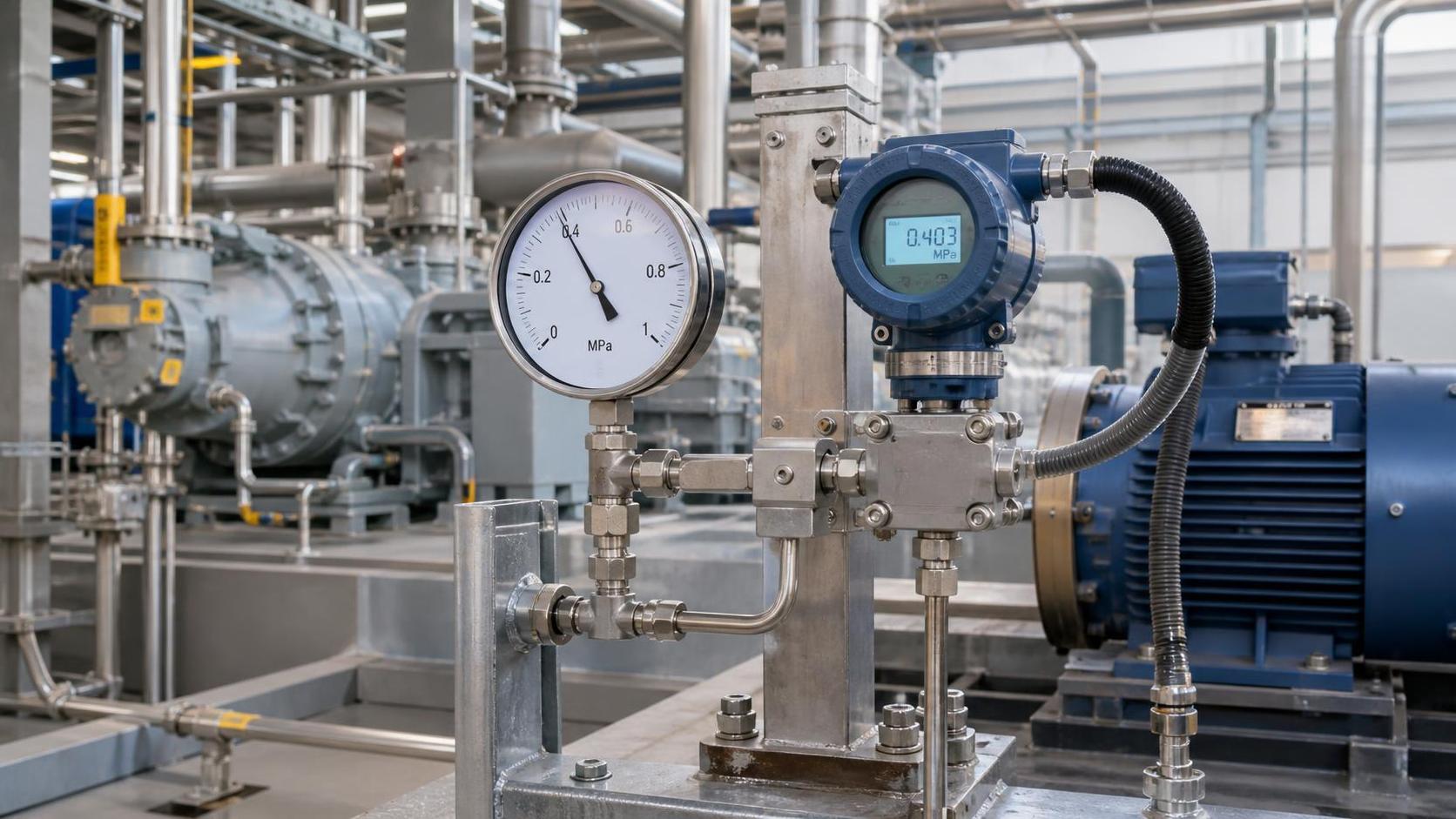
According to the latest JPMorgan data, the global manufacturing PMI reached 52.6% in May 2026, marking a tenth consecutive month of expansion. At the same time, China’s new export orders index fell to 48.6%, entering contraction territory. Within the industrial sensing segment, orders in Europe and the United States showed structural slowing for categories including laser displacement sensors, safety light curtains, and pressure sensors. By contrast, demand in the Middle East and Southeast Asia for explosion-proof sensors with ATEX and IECEx certification increased by more than 35%.
Why procurement and trade execution may diverge by market
For exporters and overseas channel partners
Analysis shows that the main impact is likely to appear in inventory positioning and order allocation rather than in a uniform slowdown across all sensor categories. Where orders in Europe and the United States are easing for some standard industrial sensor lines, exporters and distributors may need to reassess regional stock depth, shipment rhythm, and product mix. What deserves closer attention is whether customer inquiries increasingly distinguish between general-purpose products and certification-dependent products.
For buyers managing regulated applications
For procurement teams serving hazardous-area or compliance-sensitive projects, the rise in demand for ATEX and IECEx certified explosion-proof sensors suggests that certification status is becoming a more immediate purchasing filter. From an industry perspective, this affects vendor qualification, technical document review, and bid alignment, because certification markings and supporting documents may become central to whether a product can enter a project pipeline or remain on an approved supplier list.
For manufacturing and supply chain service providers
Observably, producers and supply chain coordinators may face a split operating environment: softer order flow in some Western markets for selected sensor types, alongside faster replenishment needs in markets prioritizing explosion-proof compliance. The business impact is likely to concentrate in production scheduling, stock turnover, export documentation readiness, and delivery coordination for certified products rather than in broad-based capacity expansion.
What companies should watch now
Recheck certification readiness by destination market
Analysis shows that companies should pay closer attention to whether product certification files, technical descriptions, and model-to-certificate matching are ready for markets where ATEX or IECEx compliance is a practical purchasing requirement. This is especially relevant when demand shifts faster than standard stocking cycles.
Adjust category planning instead of treating demand as uniform
What deserves closer attention is the category split inside the sensor market itself. The confirmed facts point to slower orders for laser displacement, safety light curtain, and pressure sensor products in Europe and the United States, while certified explosion-proof sensors are seeing stronger pull in other regions. Companies should therefore monitor whether procurement plans, replenishment logic, and customer quotation priorities need to be segmented by product type and region.
Prepare supporting documents for bid and delivery stages
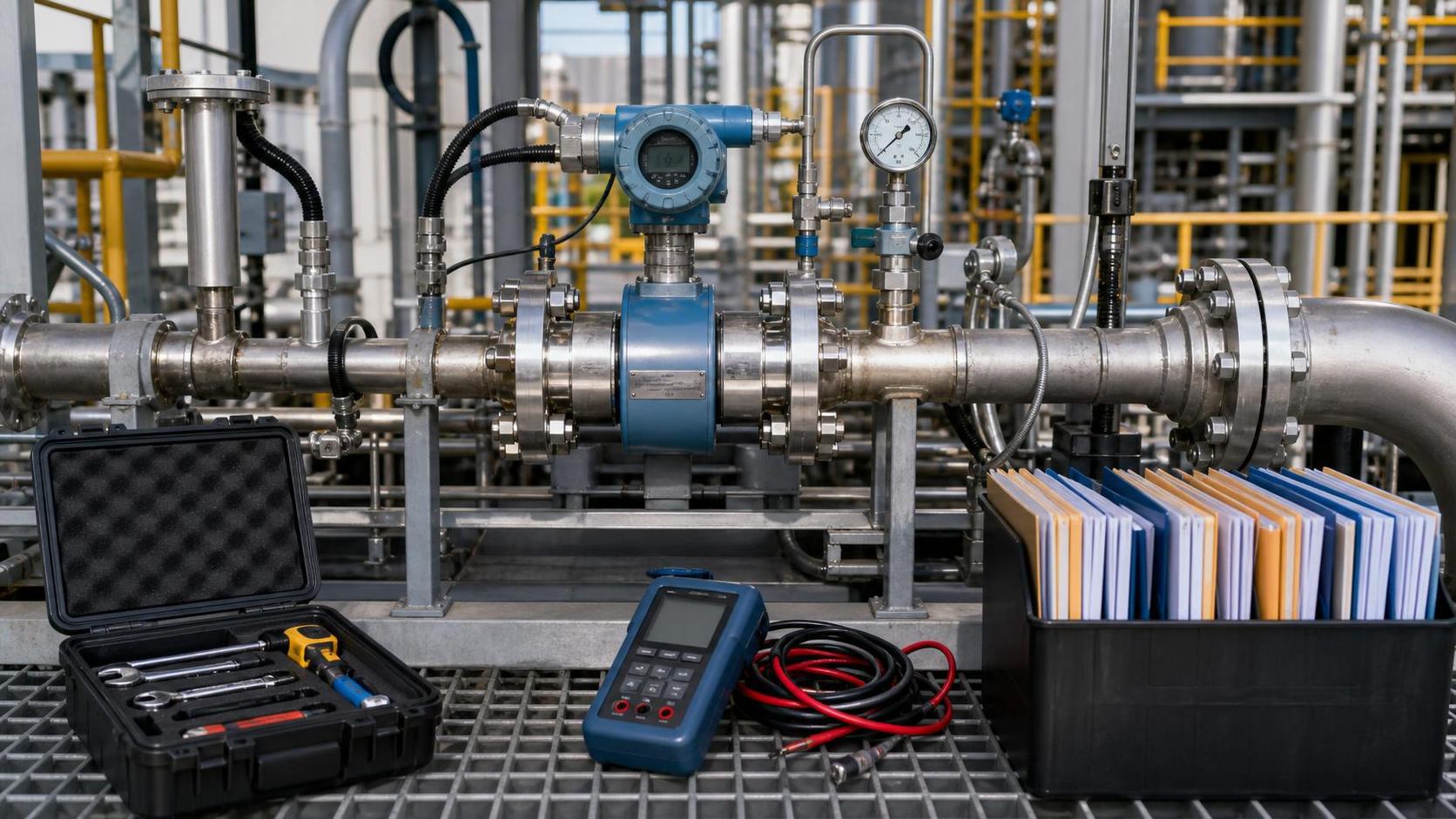
From an industry perspective, even without additional rule details in the input, firms should remain alert to documentation consistency across quotations, order confirmation, shipment preparation, and after-sales support. For certified products, the practical focus is likely to include test reports, certification records, technical datasheets, and product identification consistency in transaction documents.
Track whether market signals become execution requirements
It is more appropriate to understand this as an execution signal rather than a fully defined rule change. Companies should continue watching how customer requirements, tender specifications, and channel stocking decisions evolve before treating the current shift as a stable long-term pattern.
How this signal should be read
Editorial observation: the combination of continued global manufacturing expansion and weaker new export orders does not point to one single market direction. Instead, it highlights a more selective operating environment in which compliance-sensitive demand can strengthen even when broader export momentum softens. For the industrial sensor trade, the most important takeaway is that certification-related demand signals may now carry more weight in regional purchasing decisions than headline manufacturing growth alone.
A practical reading of the current shift
In summary, this development is best read as a market and compliance execution signal tied to regional demand differences, not as proof of a universal downturn or a fully settled trade rule change. The immediate implication for the industry is to align procurement, stocking, certification review, and delivery preparation more closely with destination-market requirements, while continuing to observe whether this pattern is reinforced by later market feedback and buying behavior.
Basis of this article and what still needs verification
This article is generated based on the user-provided news title, event date, and event summary. For this type of development, commonly relevant source categories may include official notices, regulator releases, customs or trade authority information, industry association updates, standards organization documents, and reporting from established business media. A specific official source link was not provided in the input, so further verification remains necessary. What still needs continued observation includes any later policy detail, certification interpretation in actual procurement, changes in tender documents, market feedback from channels and buyers, and how companies adjust execution in response.
Technical Specifications
- Selecting High-Temperature Gaskets for Steam, Flanges, and Thermal CyclingAuthor :Heavy Industry Strategist
- How to Select an Emissions Monitoring System Analyzer for Compliance ReportingAuthor :Precision Metrology Expert
- How to Select an Access Control Management System for Multi-Site FacilitiesAuthor :Safety Compliance Lead
Expert Insights

Chief Security Architect
Dr. Thorne specializes in the intersection of structural engineering and digital resilience. He has advised three G7 governments on industrial infrastructure security.
Related Analysis
- Sep 22, 2026Selecting High-Temperature Gaskets for Steam, Flanges, and Thermal CyclingAuthor :Heavy Industry Strategist
- Sep 21, 2026How to Select an Emissions Monitoring System Analyzer for Compliance ReportingAuthor :Precision Metrology Expert
- Sep 20, 2026How to Select an Access Control Management System for Multi-Site FacilitiesAuthor :Safety Compliance Lead
Core Sector // 01
Security & Safety
- How to Select an Emissions Monitoring System Analyzer for Compliance ReportingAuthor :Precision Metrology Expert

- Portable Gas Monitor Calibration: How Often Is It Needed for Safe Confined-Space Work?Author :Precision Metrology Expert

- What to Check When Sourcing Vibration Meters Wholesale for Industrial MaintenanceAuthor :Precision Metrology Expert

- How to Select Process Control Instruments for Accuracy, Safety, and UptimeAuthor :Precision Metrology Expert

- What Should Standards Compliance Analysis Training Cover Before an Audit?Author :Precision Metrology Expert

- Why Do Pressure Instruments Fail in High-Vibration Sites?Author :Precision Metrology Expert

- Is FM Software Integration Needed for Overseas Instrument Maintenance?Author :Precision Metrology Expert

- What Are the Differences Between Lab and Field Testing Equipment?Author :Precision Metrology Expert