Industrial Application Examples: How Monitoring Tools Improve Process Stability
Author
Date Published
Reading Time
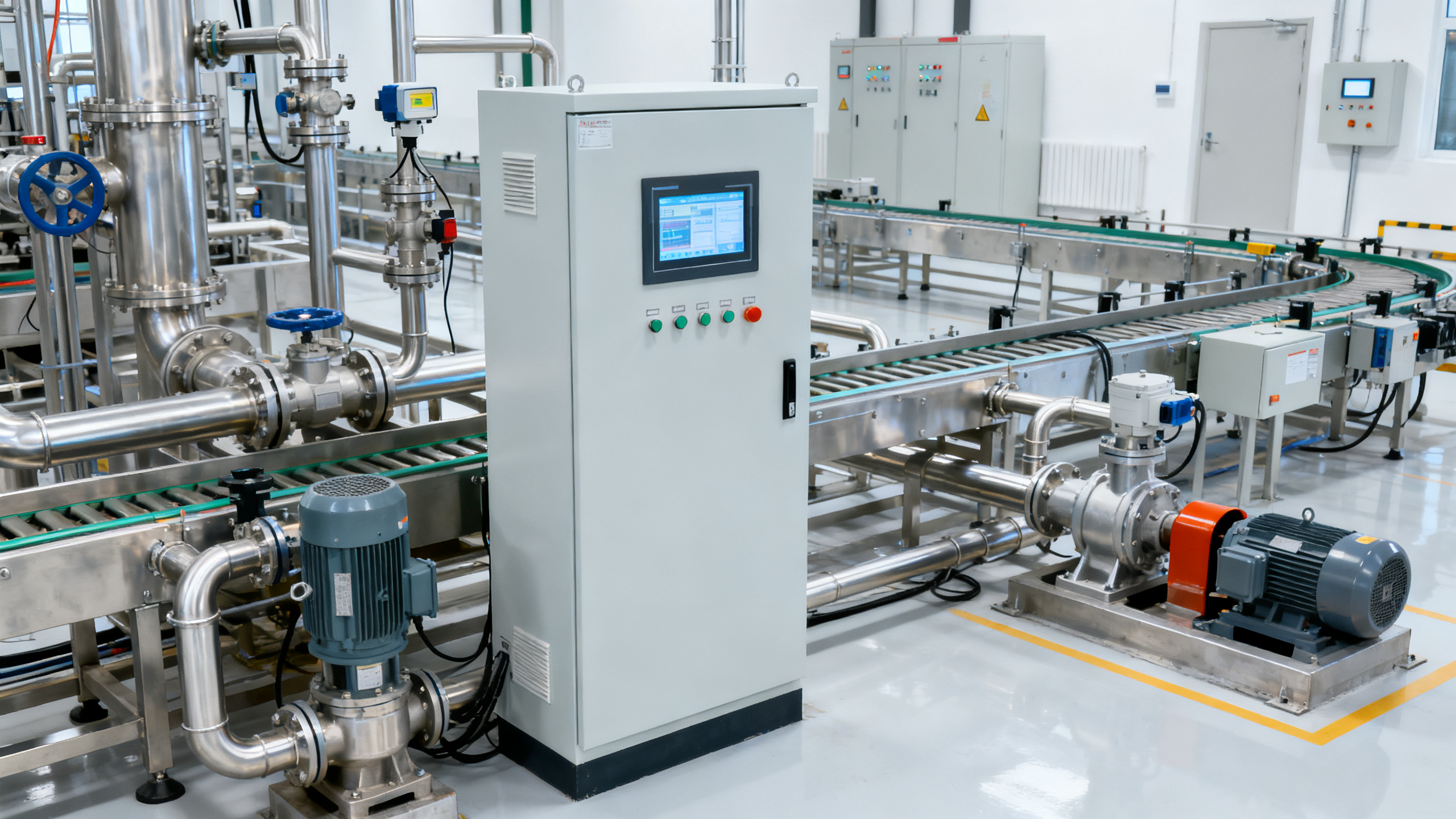
Industrial Application Examples: How Monitoring Tools Improve Process Stability
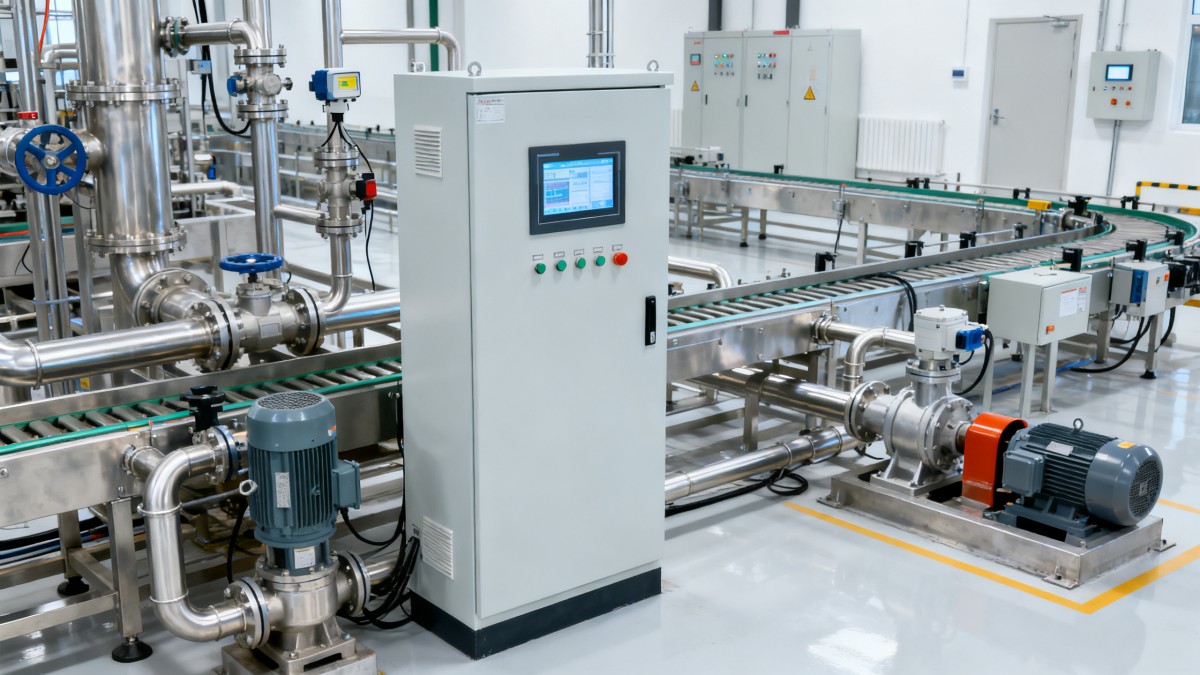
From utilities and processing plants to discrete manufacturing lines, industrial application examples show how monitoring tools turn scattered operational data into actionable control.
The biggest gain is not more dashboards. It is better stability, faster decisions, and fewer surprises during production, maintenance, and delivery.
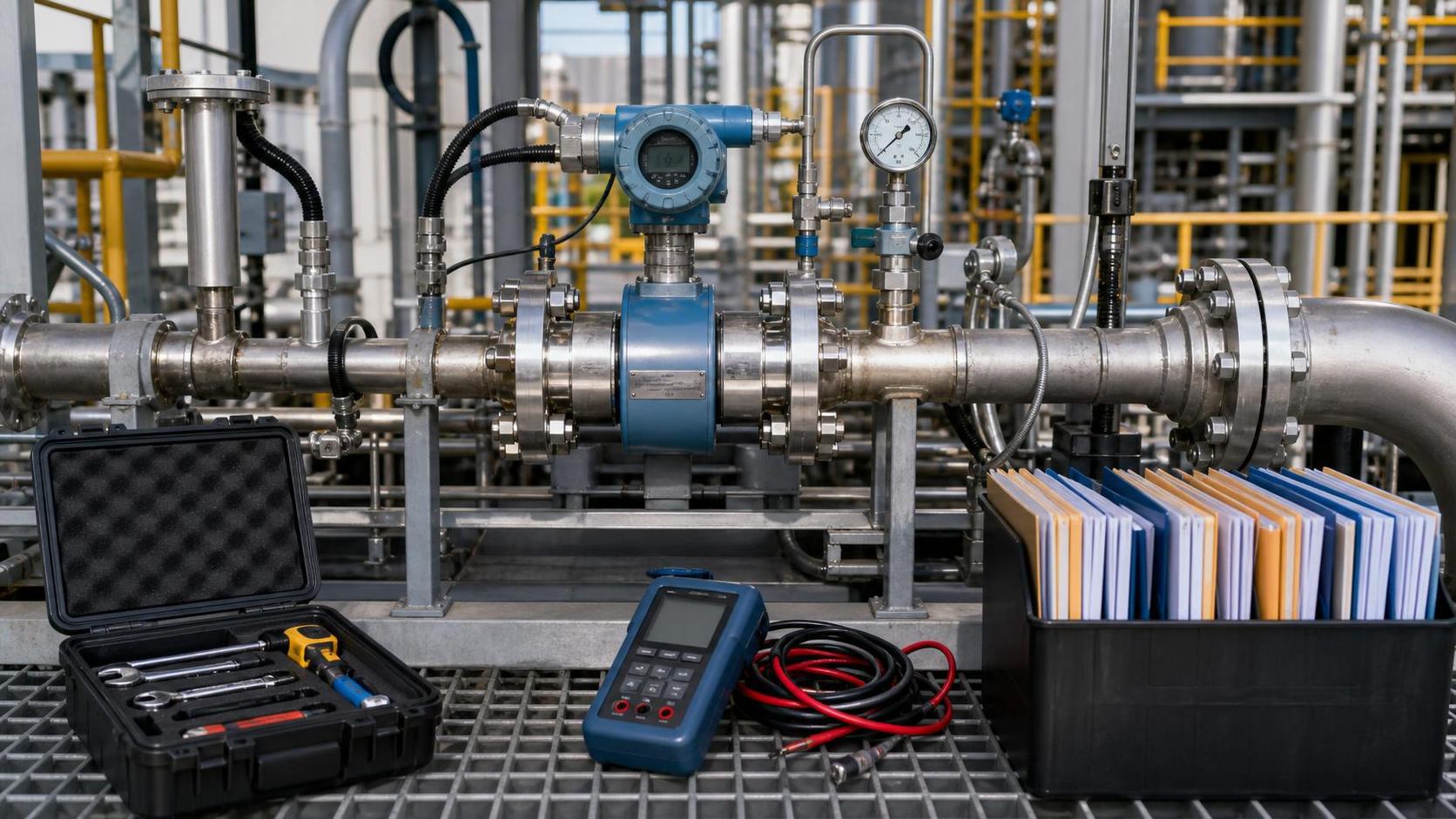
In practical terms, monitoring tools connect signals from instruments, motors, valves, power systems, and environmental points into one operating picture.
That picture helps teams catch drift early, reduce downtime risk, and keep output within tighter quality windows.
For industrial programs with strict uptime targets, these industrial application examples matter because instability usually starts small.
A pressure swing, a thermal rise, or a vibration spike may look minor at first. Left unchecked, each can become a shutdown event.
Modern monitoring platforms help teams see those weak signals sooner. They also create records that support compliance, root cause analysis, and supplier coordination.
This is especially relevant in heavy industry, where procurement choices, safety standards, and equipment performance are tightly linked.
Why process stability matters more than raw output
Many operations still focus on throughput first. Yet unstable output often creates hidden cost through scrap, energy waste, emergency maintenance, and schedule slippage.
That is why strong industrial application examples rarely begin with production speed. They begin with repeatability, safe operating limits, and predictable asset behavior.
A stable process is easier to optimize. It is also easier to scale across multiple plants, contractors, or regional sites.
Monitoring tools support this by creating a common truth across control rooms, maintenance teams, and project stakeholders.
- They reveal deviation before it affects finished product.
- They shorten response time during alarms and upset conditions.
- They support better planning for shutdowns and turnarounds.
- They reduce uncertainty when new equipment enters service.
More importantly, monitoring turns process stability into something measurable. That changes conversations from assumptions to evidence.
Industrial application examples across major operating environments
The most useful industrial application examples are specific. They show where data comes from, what risk appears first, and how monitoring improves control.
1. Water and wastewater utilities
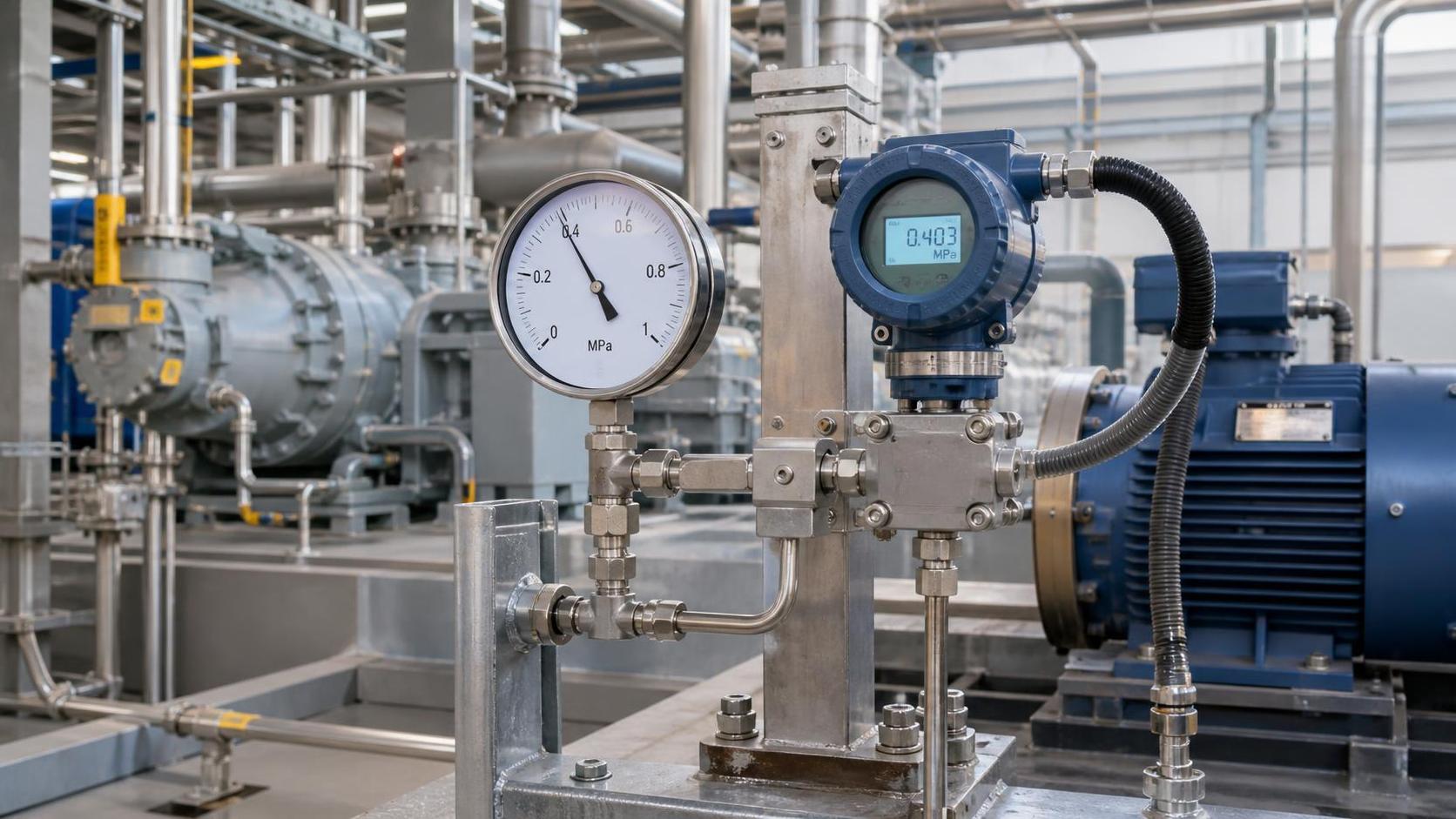
Utilities depend on stable flow, pressure, pump health, and water quality indicators. Small deviations can disrupt treatment performance or increase compliance exposure.
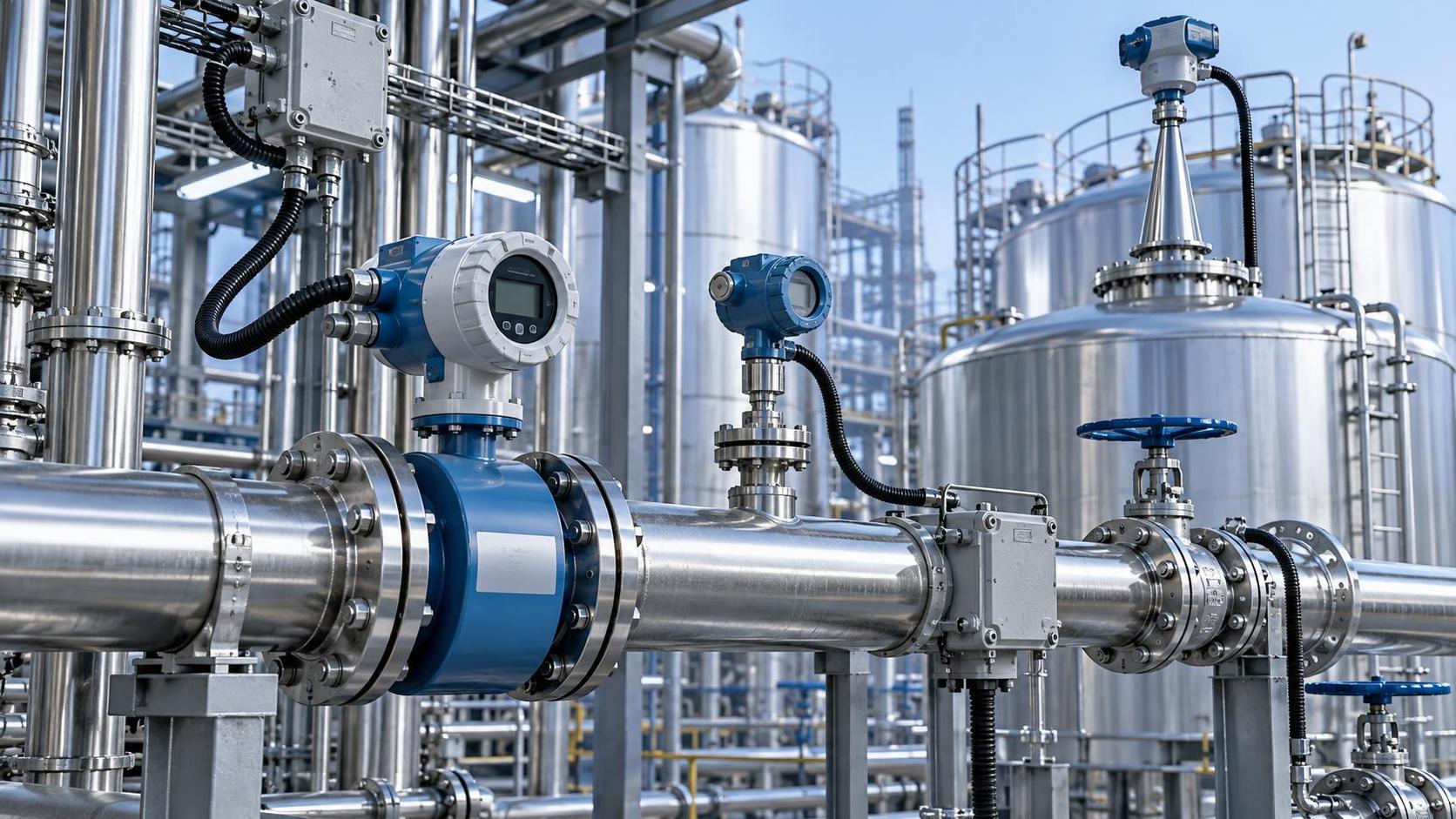
Monitoring tools combine level sensors, pressure transmitters, motor current, turbidity, pH, and chlorine readings in one view.
This helps operators detect pump cavitation, leaking valves, overloaded blowers, or treatment imbalance before service quality drops.
2. Chemical and process plants
In continuous processing, temperature, pressure, flow, and composition must stay within narrow ranges. Variation often leads to quality loss or safety concerns.
One of the clearest industrial application examples is reactor monitoring. Early trend shifts can indicate fouling, poor heat transfer, or control loop issues.
With better visibility, teams can adjust before batch yield falls or alarms escalate into a trip.
3. Discrete manufacturing lines
On assembly or machining lines, process stability often depends on cycle time consistency, tool condition, motor performance, and power quality.
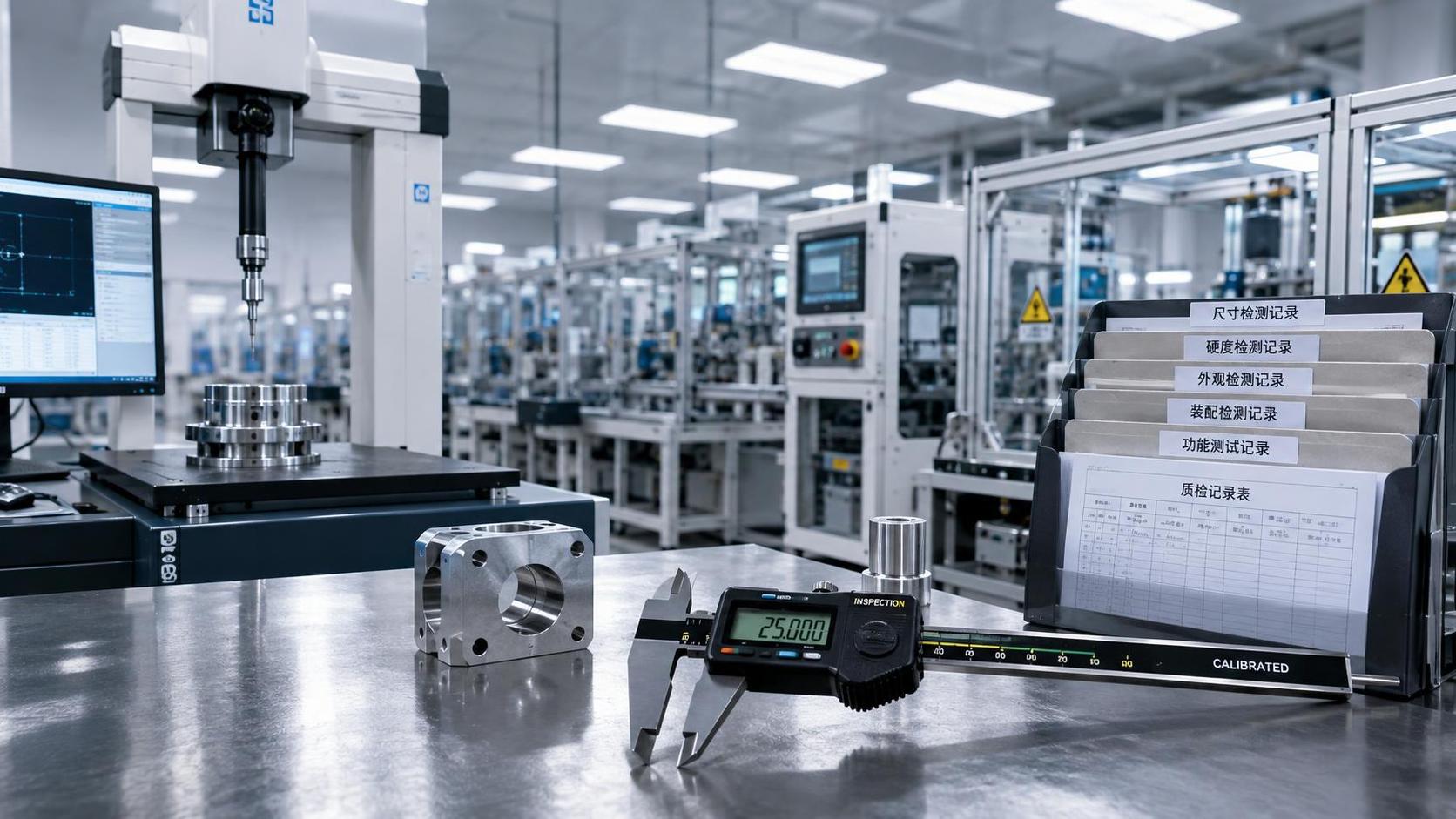
Monitoring tools track vibration, spindle load, temperature, and rejection rates. That allows teams to act before quality defects spread across a shift.
This is where industrial application examples become highly practical. Better monitoring protects both output and delivery commitments.
4. Power distribution and facility infrastructure
Power instability can quietly damage process stability everywhere else. Voltage dips, harmonic distortion, or thermal overload often appear before major failures.
Monitoring tools at switchgear, transformers, UPS systems, and critical feeders expose those issues early.
For facilities with mixed loads, this becomes one of the most valuable industrial application examples because electrical events often trigger wider process disruption.
How monitoring tools improve stability in daily operations
The real impact comes from how teams use the data. Monitoring only works when it supports fast interpretation and clear action.
Across many industrial application examples, four functions consistently improve process stability.
- Trend analysis highlights slow drift that alarms may miss.
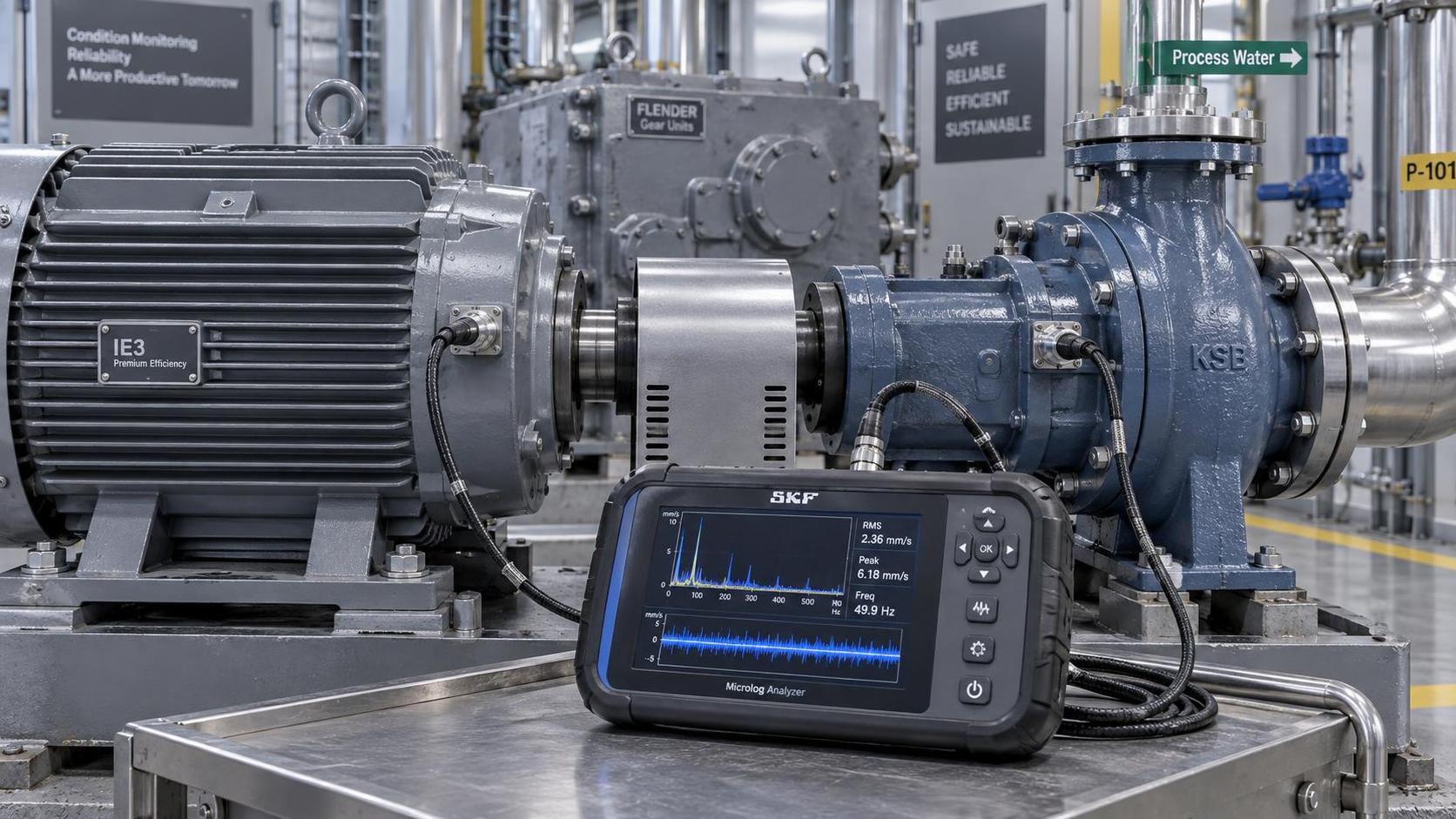
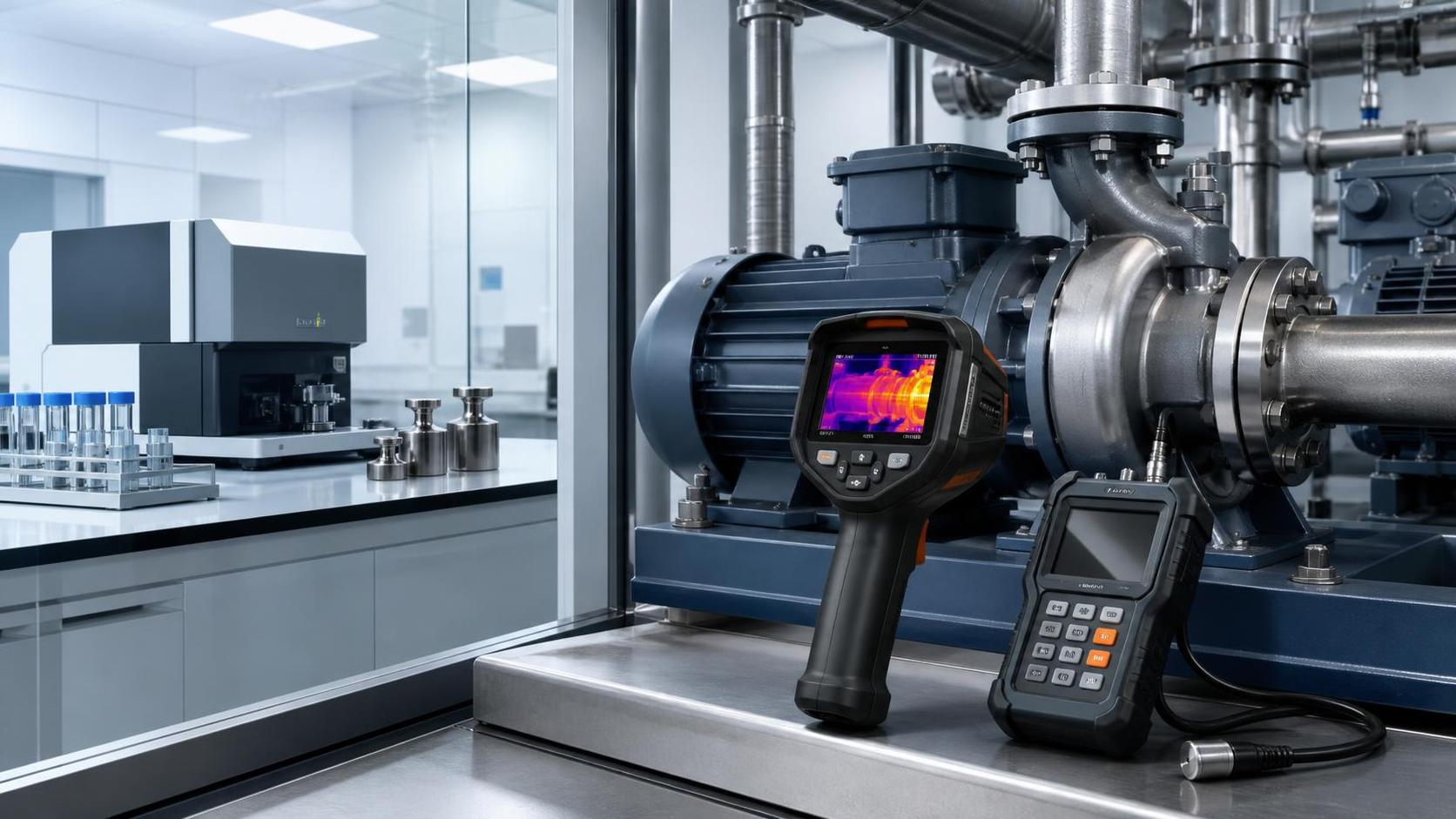
- Condition monitoring identifies asset degradation before failure.
- Event correlation links equipment behavior with process outcomes.
- Remote visibility keeps teams aligned across sites and contractors.
Consider a blower system in a treatment plant. Rising vibration alone may not trigger concern. Combined with temperature and power draw, the pattern looks different.
Now the maintenance team can inspect bearings before airflow drops. Operations avoid instability, and planning avoids a rushed repair window.
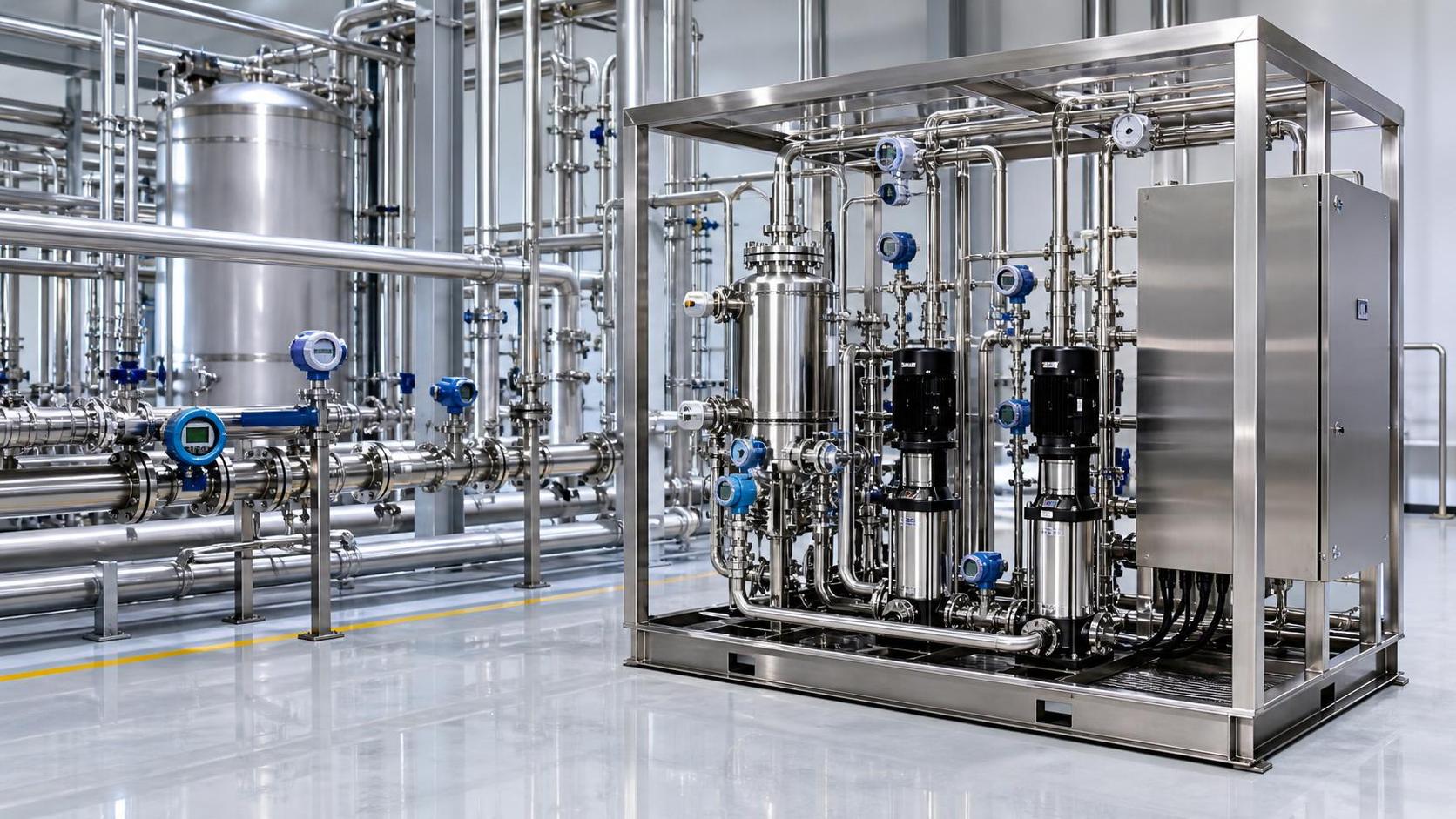
That same logic applies to conveyors, chillers, compressors, substations, and process skids. The best industrial application examples are often built from these linked signals.
What to monitor first when building a stable process
A common mistake is trying to monitor everything at once. A better approach is to start with variables that most strongly affect safety, uptime, and product quality.
In most industrial application examples, the first wave of monitoring includes a mix of process, asset, and infrastructure signals.
This staged method delivers faster value. It also makes industrial application examples easier to scale into larger digital monitoring programs.
Common implementation risks and how to avoid them
Even good tools can fail if deployment is rushed. In actual projects, the problem is often not sensor quality. It is weak integration and unclear response logic.
Several industrial application examples show the same avoidable issues.
- Too many alarms create fatigue and slow reaction.
- Isolated systems prevent cross-functional analysis.
- Poor sensor placement hides the real failure mode.
- No ownership means trend warnings go unresolved.
The fix is usually straightforward. Define critical assets first, map failure consequences, and set alarm thresholds that reflect actual operating context.
It also helps to align monitoring design with standards, maintenance workflow, and spare parts strategy. That reduces friction once the system goes live.
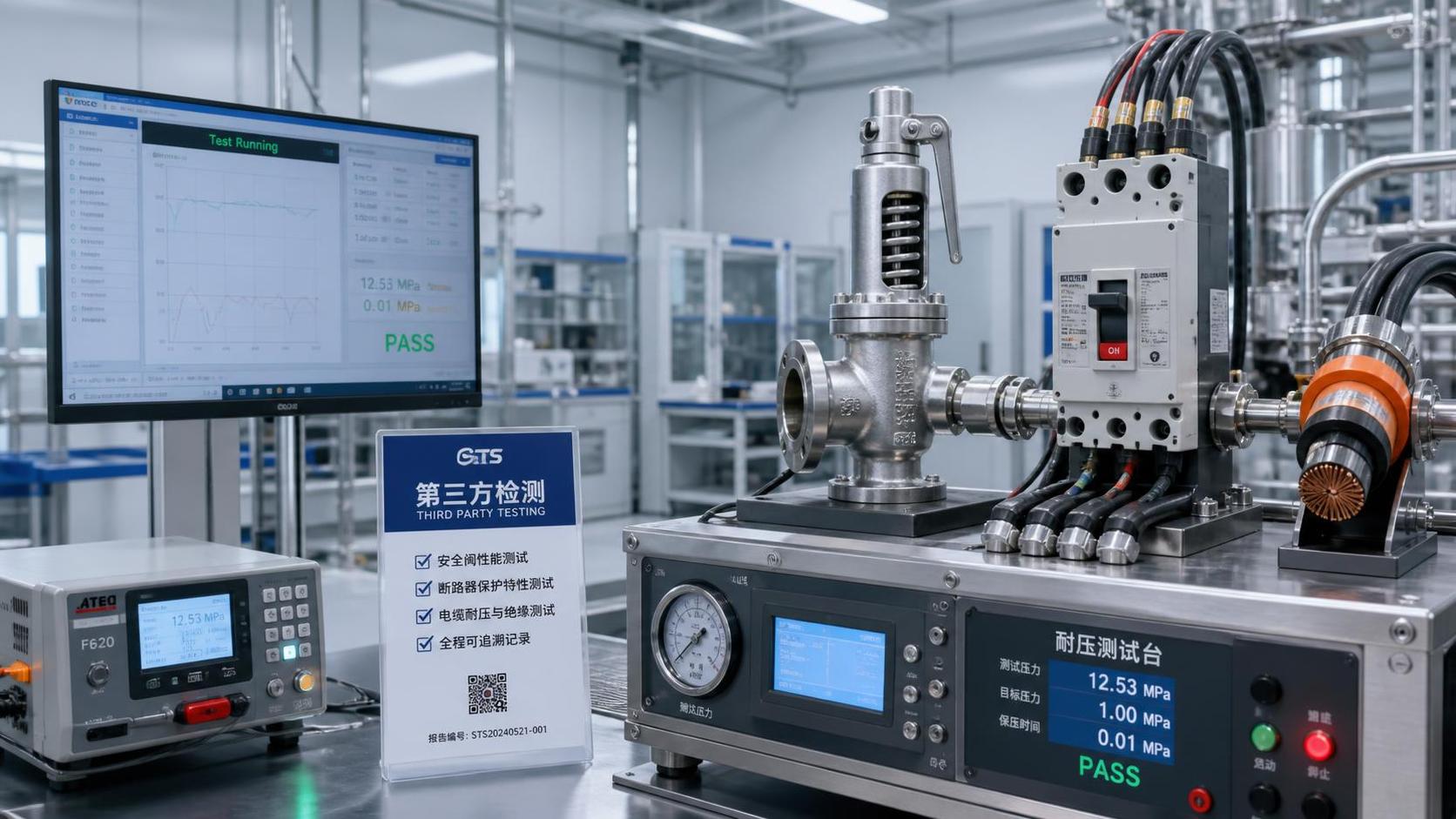
From a sourcing perspective, this is where trusted technical validation matters. Reliable industrial application examples should connect equipment performance with compliance and lifecycle demands.
A practical roadmap for stronger monitoring outcomes
If the goal is process stability, keep the rollout focused. Start small, prove value, then expand based on measured operational impact.
- Identify the assets and loops tied to the highest downtime cost.
- Select signals that show both process health and equipment condition.
- Set clear response rules for alerts, trends, and escalation.
- Review baseline data before changing thresholds or maintenance intervals.
- Expand coverage only after the first use case delivers stable results.
This is how industrial application examples move from theory into daily execution. They become part of planning, procurement, and operational discipline.
The strongest programs do not treat monitoring as an add-on. They use it as an operating layer that supports safer, more efficient industrial performance.
As facilities face tighter quality targets, energy pressure, and compliance demands, process stability becomes a strategic advantage.
That is why well-chosen monitoring tools, backed by credible industrial application examples, remain one of the most practical ways to reduce risk and improve execution at scale.
Technical Specifications
- How to Select Electronic Hotel Key Card Locks for Guest Rooms and Staff AreasAuthor :Safety Compliance Lead
- How to Select Lab Instruments for Reliable Chemical Analysis WorkflowsAuthor :Precision Metrology Expert
- How to Size a UPS for Server Rooms: Load, Runtime, and Redundancy FactorsAuthor :Grid Infrastructure Analyst
Expert Insights

Chief Security Architect
Dr. Thorne specializes in the intersection of structural engineering and digital resilience. He has advised three G7 governments on industrial infrastructure security.
Related Analysis
- Sep 17, 2026How to Select Electronic Hotel Key Card Locks for Guest Rooms and Staff AreasAuthor :Safety Compliance Lead
- Sep 16, 2026How to Select Lab Instruments for Reliable Chemical Analysis WorkflowsAuthor :Precision Metrology Expert
- Sep 15, 2026How to Size a UPS for Server Rooms: Load, Runtime, and Redundancy FactorsAuthor :Grid Infrastructure Analyst
Core Sector // 01
Security & Safety
- What to Check When Sourcing Vibration Meters Wholesale for Industrial MaintenanceAuthor :Precision Metrology Expert

- How to Select Process Control Instruments for Accuracy, Safety, and UptimeAuthor :Precision Metrology Expert

- What Should Standards Compliance Analysis Training Cover Before an Audit?Author :Precision Metrology Expert

- Why Do Pressure Instruments Fail in High-Vibration Sites?Author :Precision Metrology Expert

- Is FM Software Integration Needed for Overseas Instrument Maintenance?Author :Precision Metrology Expert

- What Are the Differences Between Lab and Field Testing Equipment?Author :Precision Metrology Expert

- Is Independent Testing Necessary for Critical Safety Components?Author :Precision Metrology Expert

- How to Validate Industrial Application Scenarios Before ProcurementAuthor :Precision Metrology Expert