Industrial Compliance Insights: Key Testing, Documentation, and Audit Preparation Steps
Author
Date Published
Reading Time
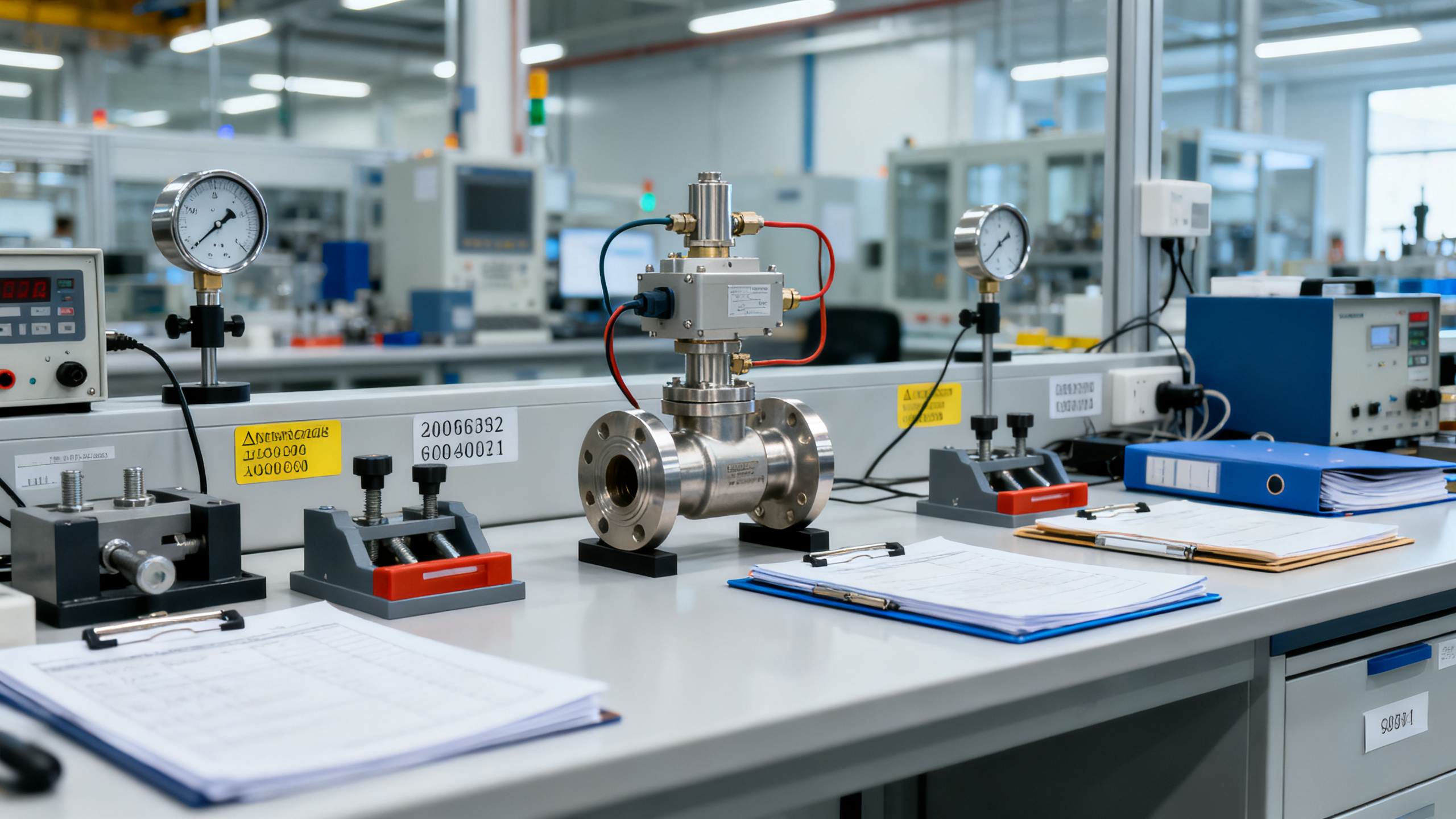
Industrial compliance insights sit at the intersection of safety, quality, and operational continuity. In sectors where a failed valve, unstable power component, or inaccurate instrument can trigger costly disruption, compliance is not a paperwork exercise. It is a working discipline that shapes testing, documentation, supplier control, and audit readiness across the full industrial lifecycle.
That is why the subject deserves closer attention now. Global supply chains are more scrutinized, regulatory expectations are less forgiving, and industrial buyers increasingly expect proof of conformity before approving equipment, materials, or system changes. Strong compliance performance supports market access, protects asset integrity, and helps organizations respond with confidence when auditors ask for evidence.
Why compliance has become an operational priority
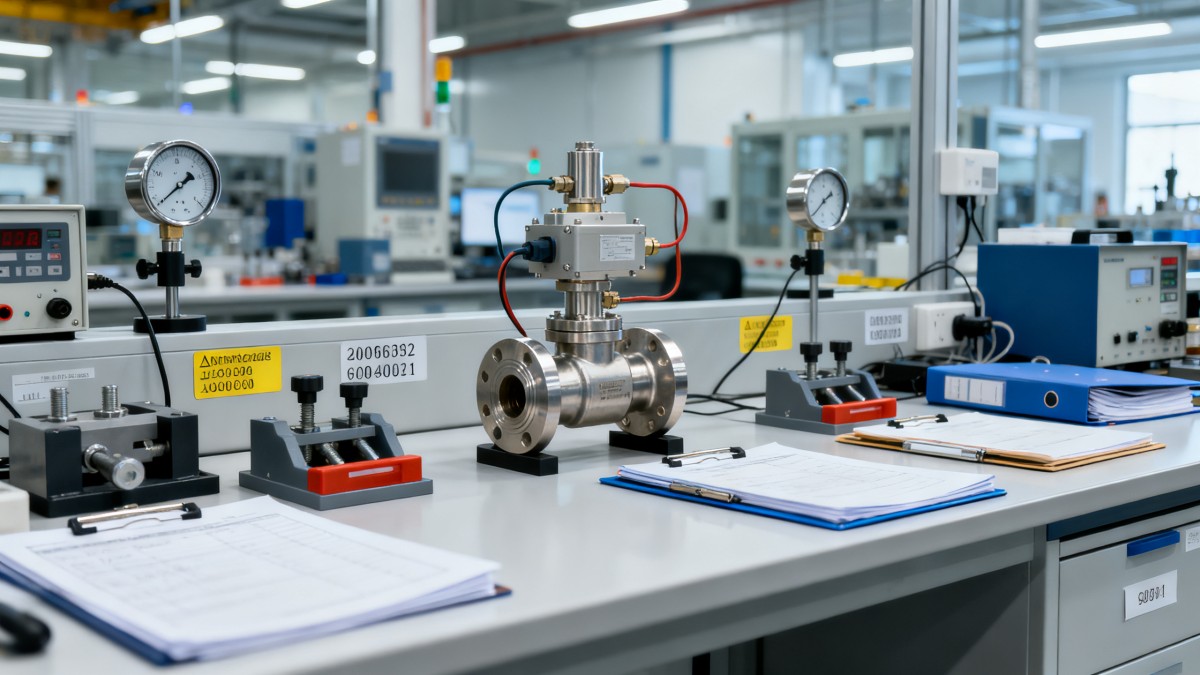
Industrial sites now operate under overlapping requirements. Product safety rules, environmental obligations, calibration controls, electrical standards, and traceability demands often apply at the same time.
In practice, industrial compliance insights help teams see how those layers connect. A nonconforming material certificate can affect a pressure system. A missing calibration record can undermine test results. An outdated procedure can weaken an otherwise strong audit response.
This is especially relevant in the environments covered by Global Industrial Core. Security and safety systems, metrology tools, power infrastructure, environmental controls, and mechanical assemblies all rely on documented proof that performance claims match real-world conditions.
What industrial compliance insights really involve
The phrase goes beyond knowing which standard applies. It refers to the practical ability to connect requirements with evidence, decisions, and daily control points.
At a basic level, that means three things. First, products and processes must be tested against clear criteria. Second, records must prove what happened, when it happened, and who approved it. Third, audit preparation must show that the system works consistently, not only when an inspection is scheduled.
Well-developed industrial compliance insights also create a common language between operations, quality, maintenance, sourcing, and external assessors. That shared understanding reduces confusion during vendor qualification, commissioning, incident review, and recertification cycles.
Testing that stands up to scrutiny
Testing is often the most visible part of compliance, but it is also where many weaknesses begin. A test can be technically correct and still fail an audit if the acceptance criteria, sample logic, or equipment traceability are unclear.
Start with the risk behind the test
Not every test carries the same business weight. Electrical insulation checks, pressure integrity verification, emissions monitoring, and dimensional inspection answer different risk questions.
A useful approach is to map each test to the consequence of failure. This makes it easier to justify frequency, tolerances, witness requirements, and escalation paths when results fall outside limits.
Control the variables around the result
Reliable testing depends on more than the instrument reading. Environmental conditions, operator competence, equipment calibration status, and sample identification can all affect validity.
This is where industrial compliance insights become practical rather than theoretical. Teams need to ask whether the method matches the standard, whether the test setup reflects field conditions, and whether the result can be reproduced if questioned later.
- Confirm the standard revision used in the test protocol.
- Link each sample or asset to a unique identifier.
- Verify calibration and maintenance records before testing begins.
- Define retest rules before any nonconformance appears.
Documentation that remains audit-ready
Documentation is often treated as an administrative burden. In reality, it is the evidence trail that turns compliance claims into something defensible.
For industrial systems, the most critical records usually include specifications, inspection plans, method statements, certificates, calibration logs, deviation approvals, training records, and corrective action histories.
The challenge is rarely total absence of records. More often, the problem is fragmentation. Files sit across email threads, shared drives, supplier portals, and site folders, with inconsistent naming and unclear ownership.
Build records around traceability
Audit-ready documentation should allow an external reviewer to follow a straight line from requirement to execution to approval. If that path breaks, confidence drops quickly.
In complex industrial environments, documentation quality often signals system maturity more clearly than slogans about safety culture. It shows whether compliance is managed proactively or reconstructed under pressure.
Preparing for audits before the notice arrives
External audits expose gaps that internal routines normalize. The best preparation is not a last-minute document chase. It is a pattern of readiness built into ordinary operations.
That includes clear document control, defined accountability, and periodic self-checks against actual requirements rather than assumptions. A site may believe it is compliant because the process feels familiar. Auditors assess evidence, consistency, and control.
Focus on high-friction areas
Some parts of an audit create more friction than others. Supplier qualification, engineering change control, nonconformance handling, and training effectiveness are frequent pressure points.
Industrial compliance insights are valuable here because they help prioritize the checks that matter most. If a plant uses safety-critical components from multiple regions, supplier certificates and approval boundaries deserve close attention. If instrumentation drives release decisions, calibration governance becomes central.
- Run internal mock audits using recent records, not ideal examples.
- Review whether procedures match the way work is actually performed.
- Check that deviations have formal approval and closure evidence.
- Prepare concise explanations for recurring technical decisions.
Where these steps matter most across industry
The same compliance principles appear across different industrial pillars, but the emphasis changes with the asset and risk profile.
In security and safety systems, response reliability and certification status are usually central. In instruments and measurement, accuracy, repeatability, and calibration traceability dominate. In electrical and power grid applications, insulation integrity, protection performance, and standards alignment often lead the review.
Environmental and ecology controls bring emissions, discharge, and monitoring evidence into focus. Mechanical components and metallurgy add material traceability, dimensional verification, coating performance, and failure analysis history.
This broader view reflects the kind of cross-sector intelligence that GIC is known for. Compliance rarely sits inside one department or one product family. It moves across systems, vendors, and operating conditions.
A practical framework for stronger compliance decisions
For many organizations, the next step is not adding more forms. It is improving decision quality around existing controls.
A practical review can begin with a few direct questions. Which tests are most critical to safety or release? Which records are hardest to retrieve quickly? Which suppliers create the most documentation ambiguity? Which audit findings tend to repeat?
Those answers often reveal where industrial compliance insights can create immediate value. Sometimes the solution is tighter revision control. Sometimes it is better test method alignment. In other cases, the priority is simply connecting technical evidence across departments before the next external review.
A useful path forward is to map critical assets, rank compliance risks, and review whether current evidence would satisfy an independent assessor without extra explanation. That exercise turns compliance from a reactive burden into a more reliable operating system for safety, quality, and long-term industrial resilience.
Technical Specifications
- How to Select Electronic Hotel Key Card Locks for Guest Rooms and Staff AreasAuthor :Safety Compliance Lead
- How to Select Lab Instruments for Reliable Chemical Analysis WorkflowsAuthor :Precision Metrology Expert
- How to Size a UPS for Server Rooms: Load, Runtime, and Redundancy FactorsAuthor :Grid Infrastructure Analyst
Expert Insights

Chief Security Architect
Dr. Thorne specializes in the intersection of structural engineering and digital resilience. He has advised three G7 governments on industrial infrastructure security.
Related Analysis
- Sep 17, 2026How to Select Electronic Hotel Key Card Locks for Guest Rooms and Staff AreasAuthor :Safety Compliance Lead
- Sep 16, 2026How to Select Lab Instruments for Reliable Chemical Analysis WorkflowsAuthor :Precision Metrology Expert
- Sep 15, 2026How to Size a UPS for Server Rooms: Load, Runtime, and Redundancy FactorsAuthor :Grid Infrastructure Analyst
Core Sector // 01
Security & Safety
- What to Check When Sourcing Vibration Meters Wholesale for Industrial MaintenanceAuthor :Precision Metrology Expert

- How to Select Process Control Instruments for Accuracy, Safety, and UptimeAuthor :Precision Metrology Expert

- What Should Standards Compliance Analysis Training Cover Before an Audit?Author :Precision Metrology Expert

- Why Do Pressure Instruments Fail in High-Vibration Sites?Author :Precision Metrology Expert

- Is FM Software Integration Needed for Overseas Instrument Maintenance?Author :Precision Metrology Expert

- What Are the Differences Between Lab and Field Testing Equipment?Author :Precision Metrology Expert

- Is Independent Testing Necessary for Critical Safety Components?Author :Precision Metrology Expert

- How to Validate Industrial Application Scenarios Before ProcurementAuthor :Precision Metrology Expert