Industrial Instruments in Daily Operations: Common Types, Functions, and Use Cases
Author
Date Published
Reading Time
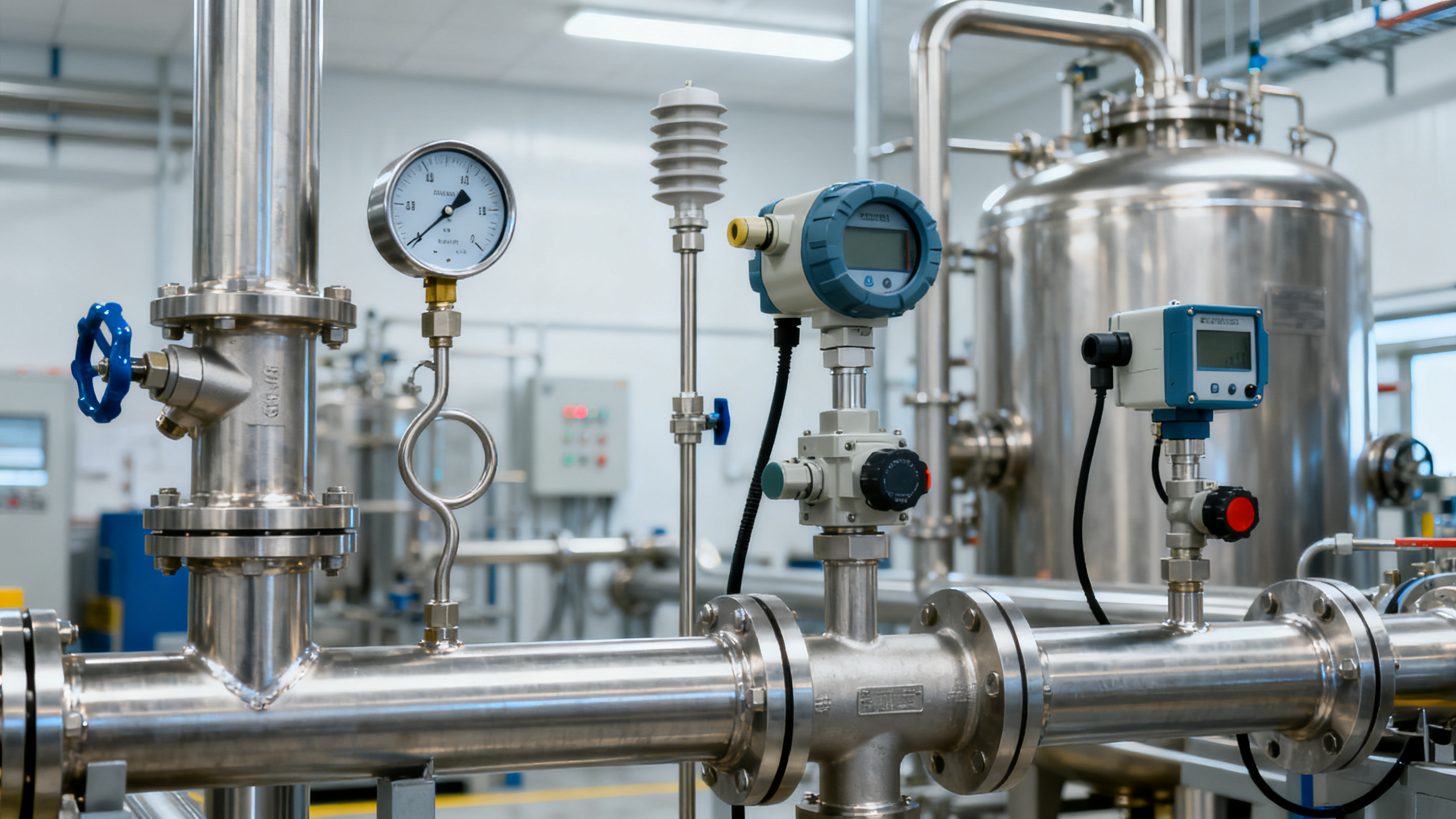
Why do industrial instruments matter so much in daily operations?
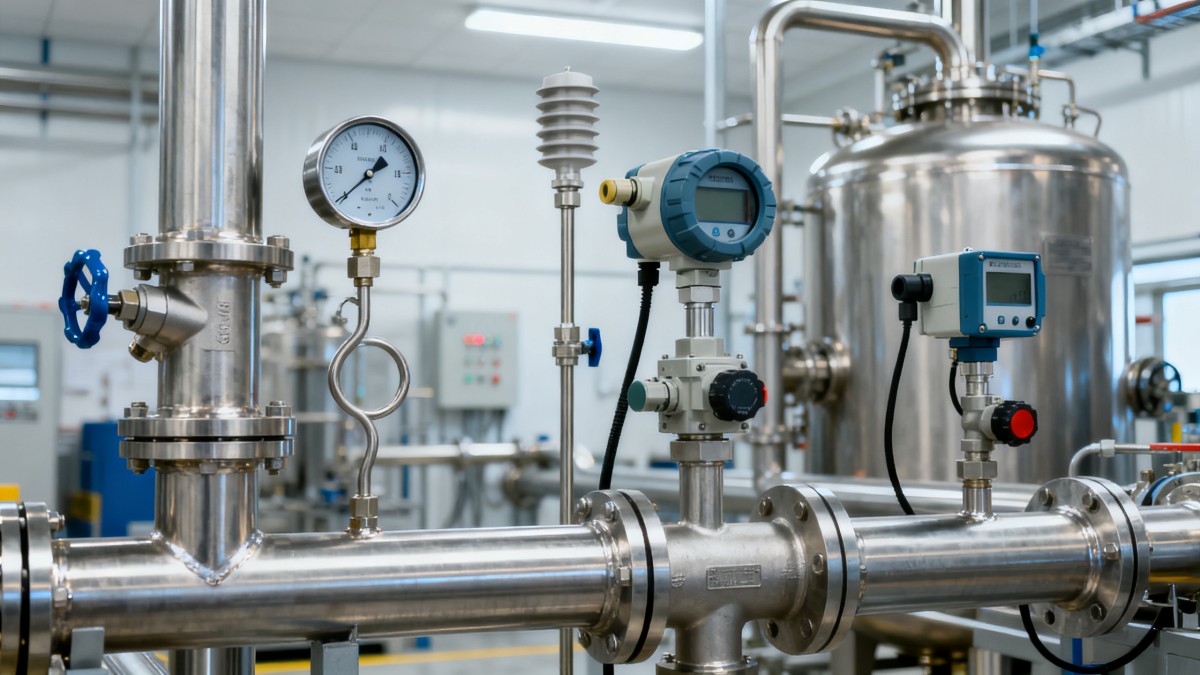
Industrial instruments sit behind many routine decisions that keep facilities stable, efficient, and compliant.
They measure pressure, temperature, flow, level, vibration, gas concentration, and electrical conditions before small deviations become larger failures.
In practical terms, industrial instruments turn physical conditions into usable data.
That data supports process control, maintenance planning, safety checks, energy management, and environmental reporting.
This matters across a broad industrial landscape, not only in one sector.
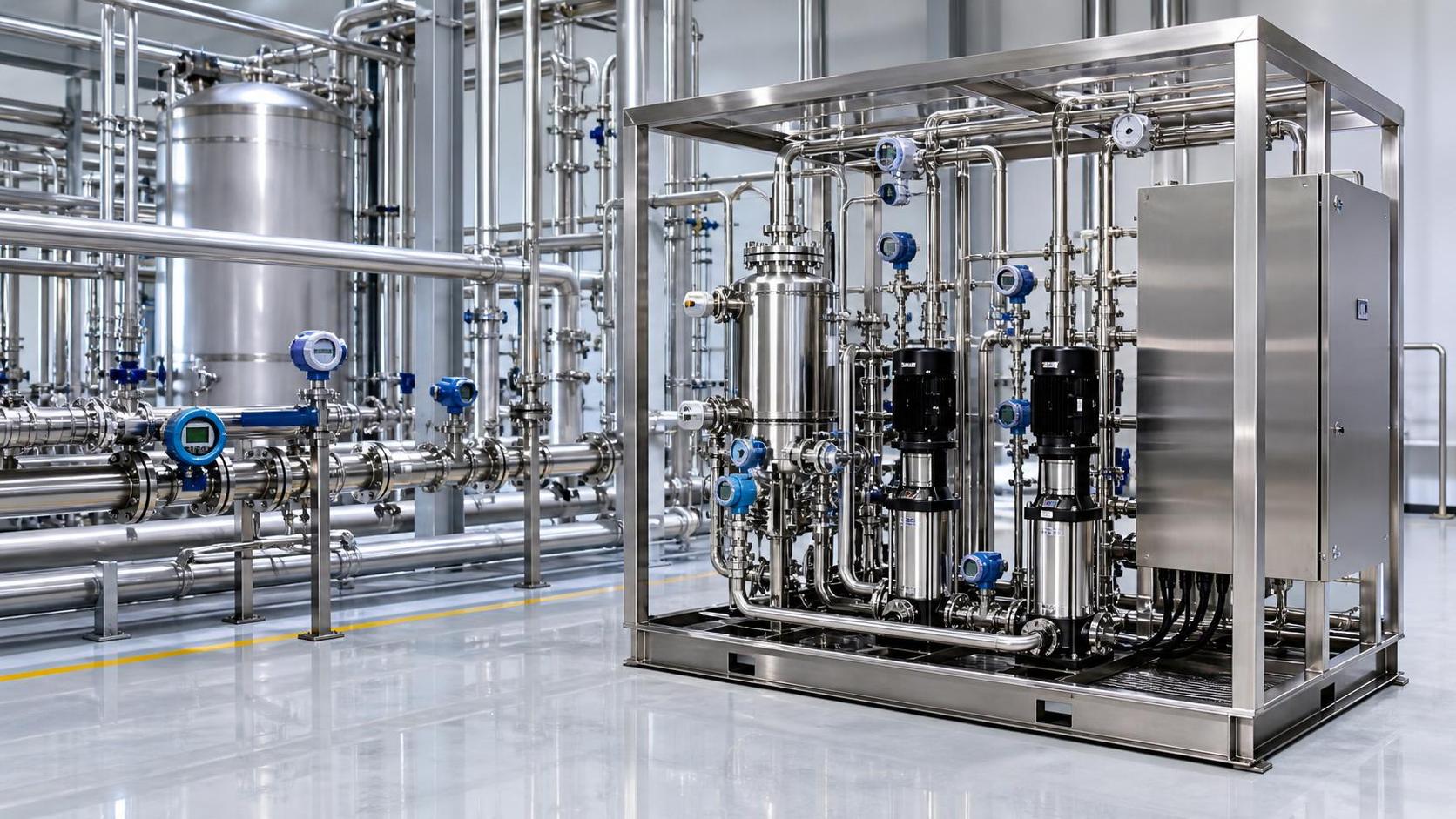
Power systems, water treatment, fabrication lines, warehouses, refineries, and utility plants all depend on reliable measurement.
A useful way to think about industrial instruments is simple.
They help operations answer three constant questions: what is happening, is it within limits, and what should happen next.
That is also why technical publishers such as Global Industrial Core focus heavily on instruments and measurement.
When infrastructure cannot afford blind spots, trustworthy measurement becomes a foundation, not an accessory.
Which industrial instruments are most common, and what does each one actually do?
Searches for industrial instruments often start with names, but daily use is easier to understand through function.
Some instruments monitor process conditions continuously.
Others verify quality, trigger alarms, or feed control systems that automate a response.
The table below summarizes the most common categories and where they usually fit.
More specialized industrial instruments include pH meters, conductivity probes, power quality analyzers, torque sensors, and particle counters.
Still, the pattern remains the same.
Each instrument exists to reduce uncertainty in a place where guessing would be expensive or unsafe.
Where are industrial instruments used most often in everyday facility work?
The common image is a complex production line, but industrial instruments appear far beyond that setting.
In daily operations, they support both continuous processes and routine inspections.
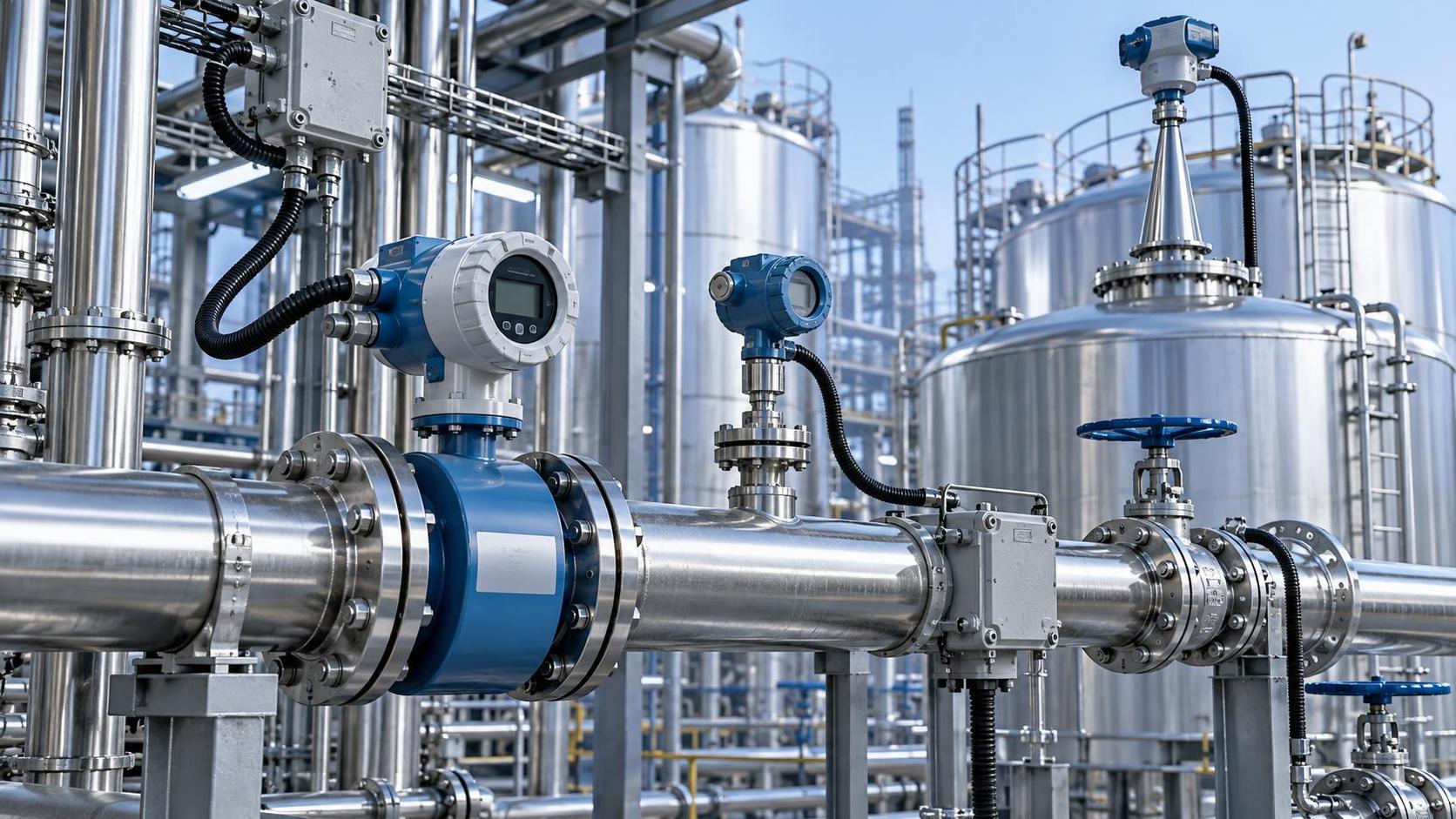
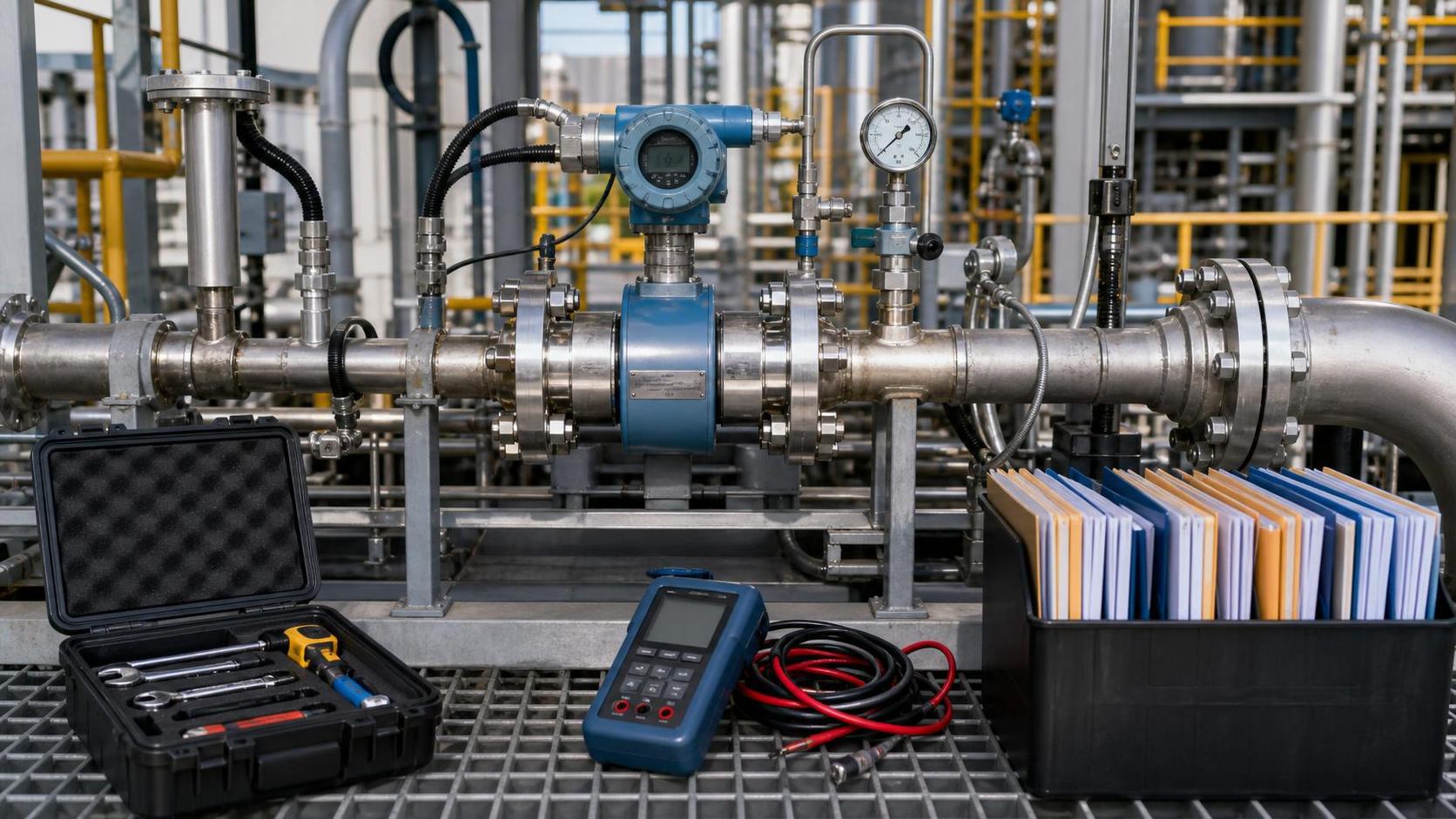
For example, a flow meter can verify cooling water delivery.
A level sensor can prevent overflow in a treatment tank.
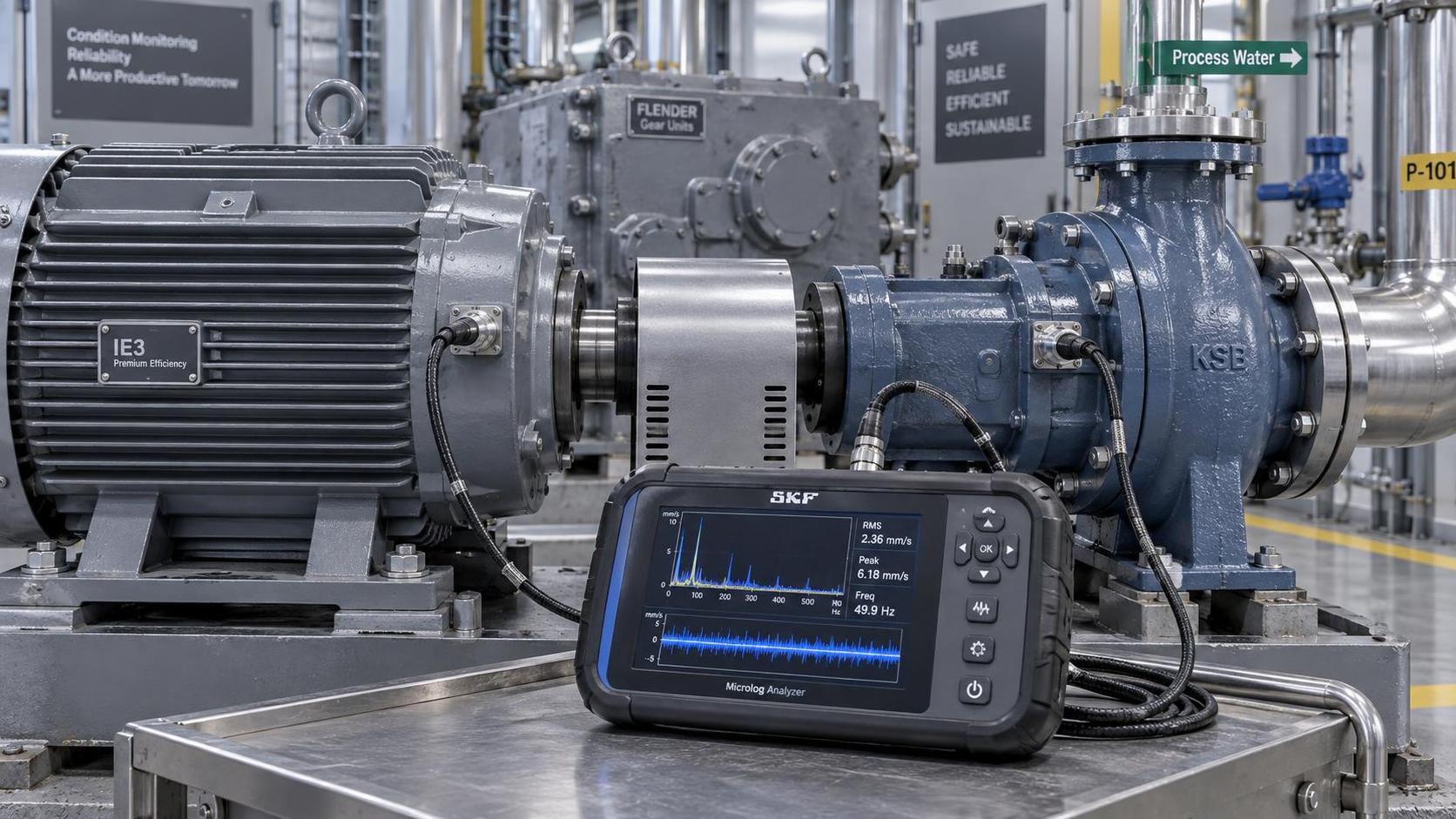
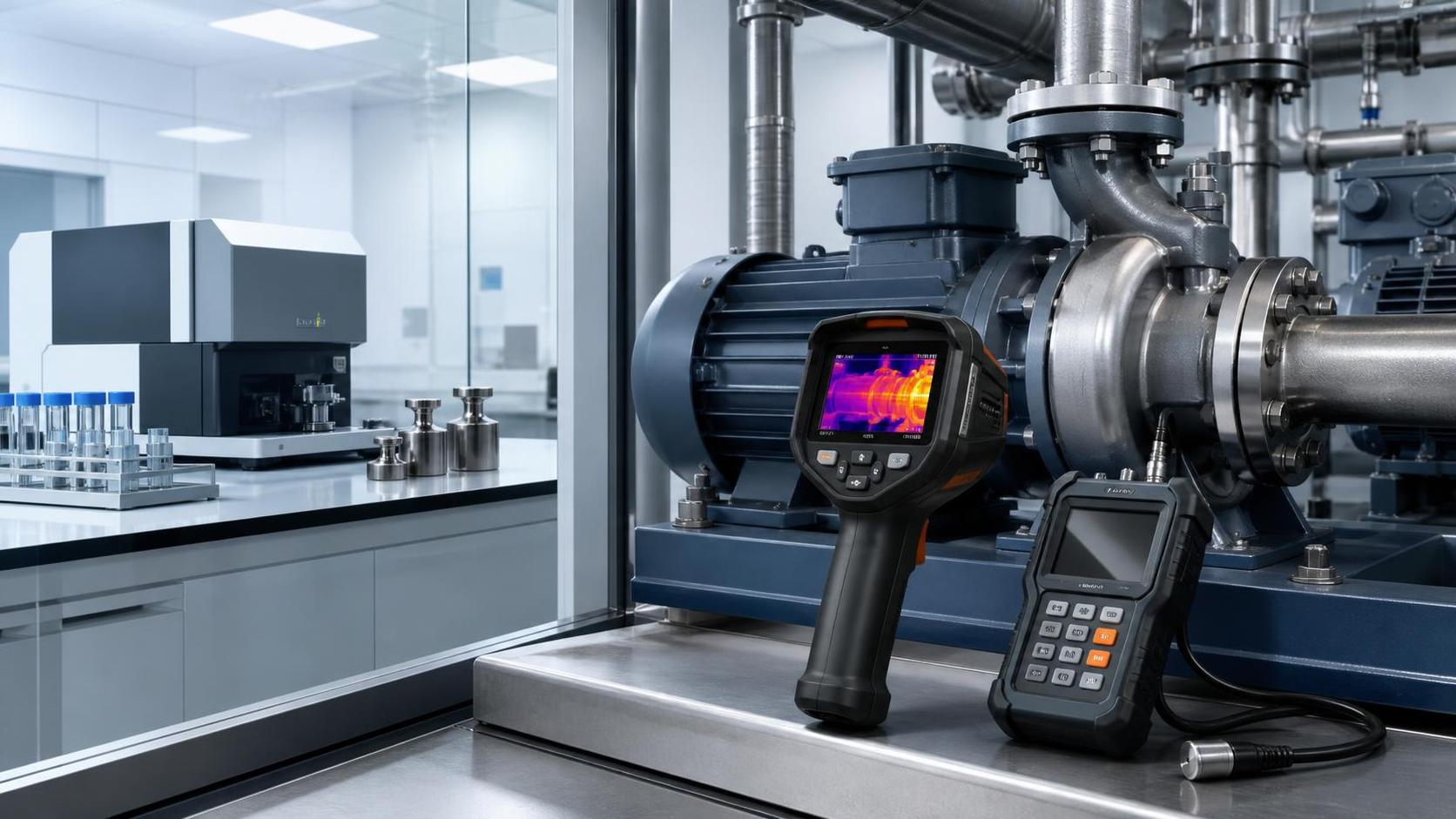
A temperature transmitter can catch heat buildup before a bearing fails.
That daily usefulness usually falls into several operational themes.
- Process control, where readings keep production within target conditions.
- Safety protection, where alarms react to dangerous pressure, gas, or temperature changes.
- Asset health, where vibration and thermal trends reveal maintenance needs.
- Compliance support, where logged data helps meet CE, UL, ISO, or environmental requirements.
- Resource efficiency, where metering reduces energy loss, leaks, and waste.
In actual sites, one instrument often serves more than one purpose.
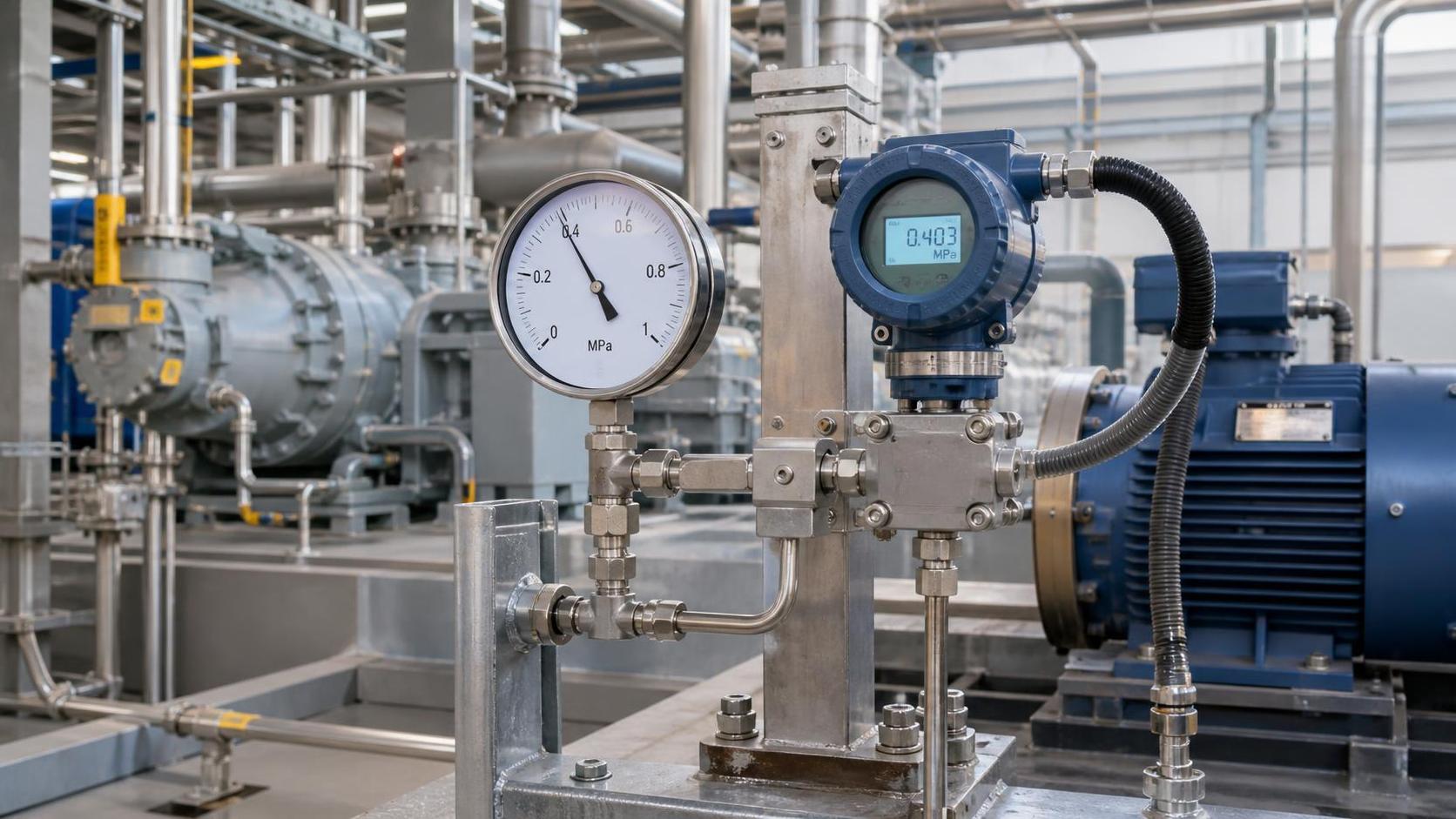
A pressure transmitter may support process stability, maintenance diagnostics, and safety interlocks at the same time.
That overlap is one reason industrial instruments are central to resilient operations.
They create a shared reference point between operations, engineering, safety, and environmental control.
How do you tell which industrial instruments fit a specific application?
This is where many comparisons become more practical than technical.
Choosing industrial instruments is rarely about the headline feature alone.
A durable instrument with the wrong range, material, or certification can still cause operational problems.
A better starting point is to check the application in layers.
What should be confirmed first?
- Measured variable: pressure, temperature, flow, level, gas, vibration, or power quality.
- Operating range: normal values, peak conditions, and upset scenarios.
- Media compatibility: corrosive fluids, dust, steam, slurry, or clean gas.
- Installation environment: indoor, outdoor, washdown, explosive area, or high vibration zone.
- Output and integration: local display, analog signal, digital protocol, or control system connection.
What often gets overlooked?
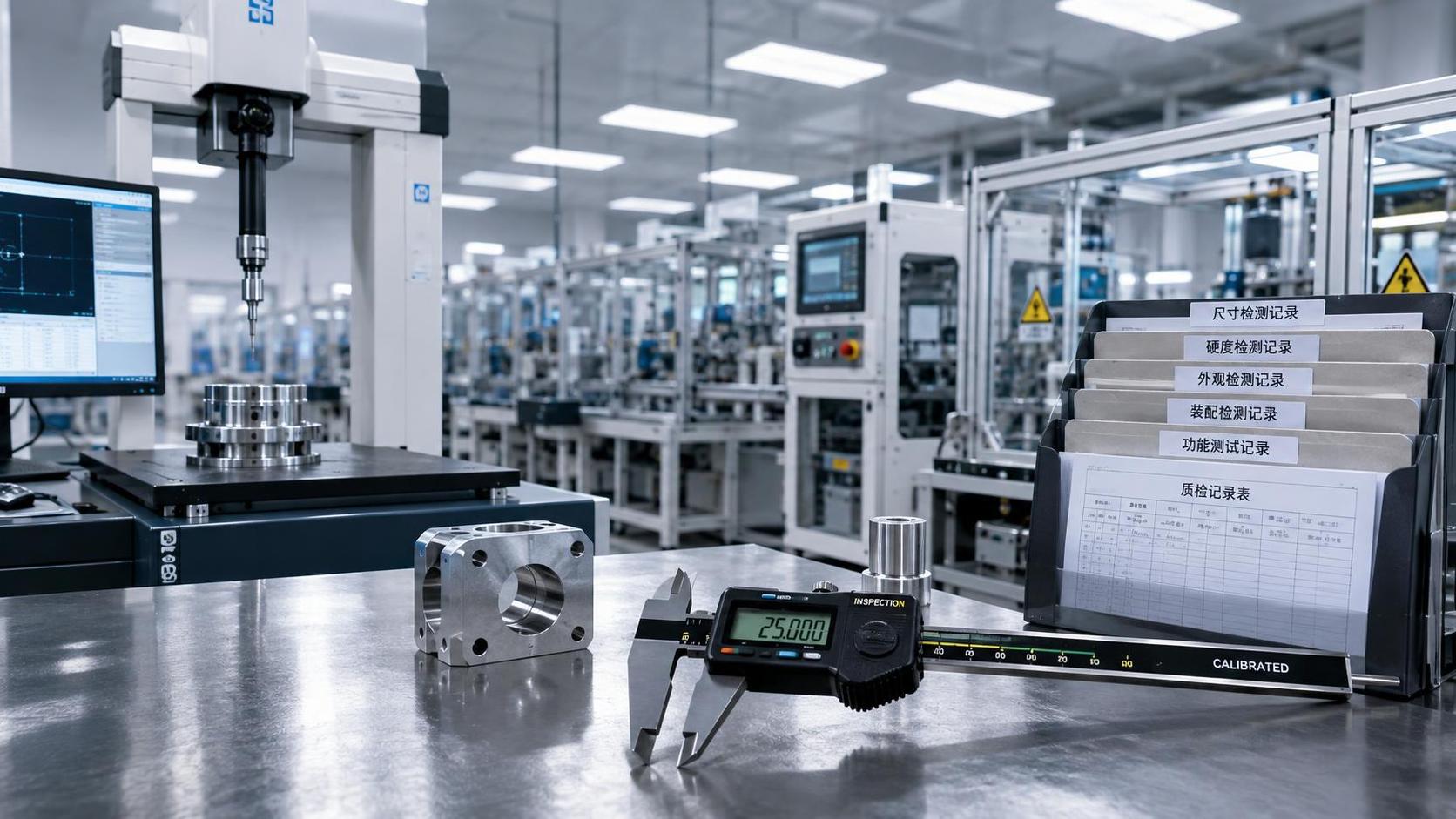
Calibration intervals are a common blind spot.
So are spare part availability, enclosure rating, and certification requirements.
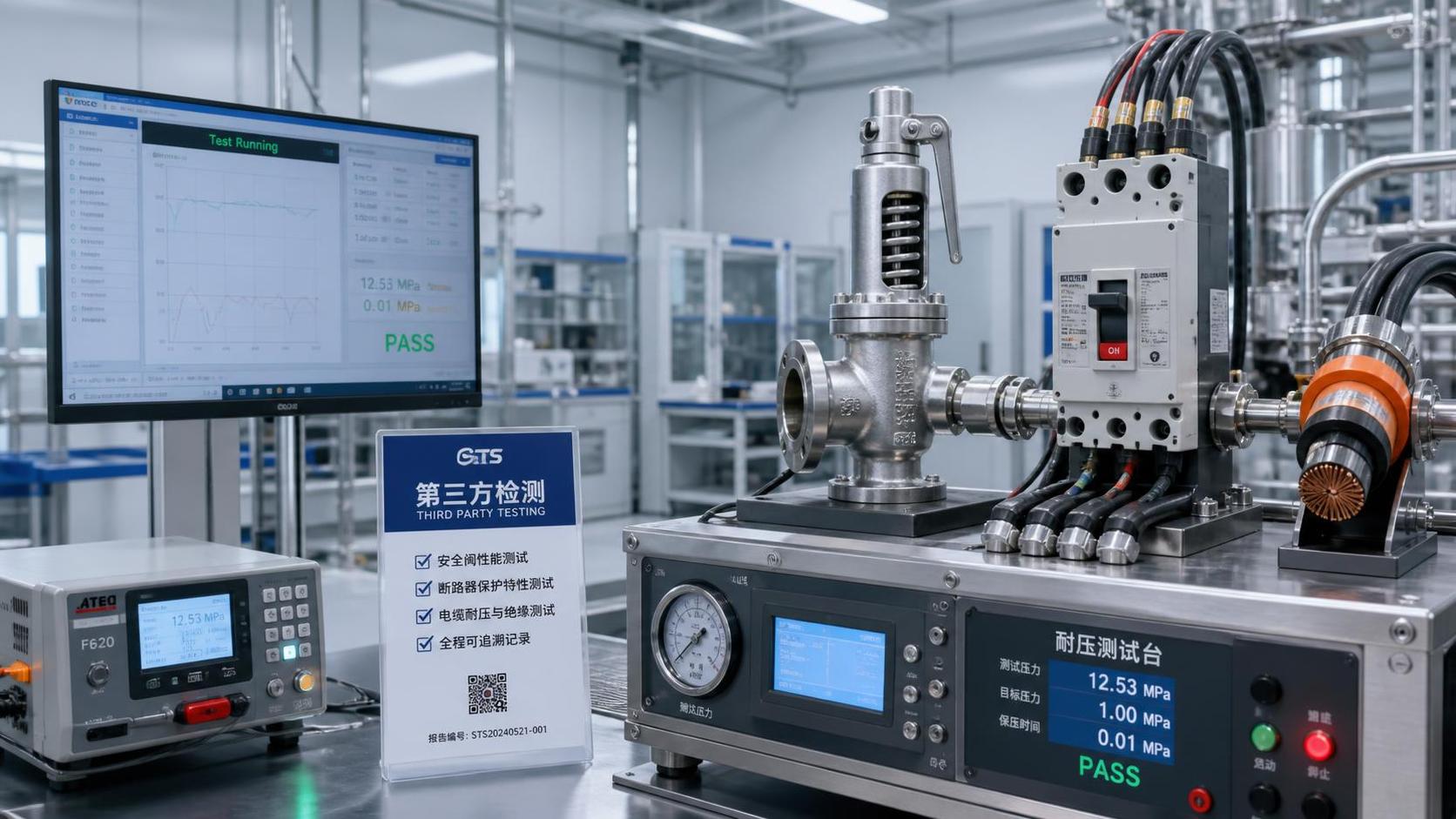
For critical infrastructure, selection should also consider traceability and documentation quality.
That aligns with the GIC view of industrial decision-making.
Reliable sourcing depends on standards, test evidence, and fitness for harsh conditions, not price alone.
What mistakes cause industrial instruments to underperform or fail early?
The biggest problems usually begin before installation.
A rushed choice can place an accurate instrument into an unsuitable environment.
That is not a quality issue alone.
It is often a mismatch between design assumptions and real operating conditions.
Several errors appear repeatedly across industries.
- Selecting by price without checking lifecycle cost, calibration needs, or failure history.
- Ignoring chemical compatibility and exposing wetted parts to corrosion or buildup.
- Using the wrong measuring range, which reduces accuracy under normal conditions.
- Skipping environmental checks for ingress protection, vibration, or temperature extremes.
- Treating installation and maintenance access as an afterthought.
Another frequent mistake is assuming all readings have equal decision value.
Some industrial instruments provide operational guidance.
Others support safety shutdowns or compliance evidence, which demands higher assurance.
When that difference is not defined early, maintenance priorities become unclear.
How should maintenance, cost, and lifespan be judged in real use?
Industrial instruments are often compared on purchase price, but that only reveals a small part of total value.
A lower-cost device may require more frequent recalibration, shorter replacement cycles, or more downtime during service.
A more durable option may cost more initially but reduce interruptions over several years.
A realistic evaluation usually includes the following questions.
In other words, the best industrial instruments are not always the most advanced.
They are the ones that stay accurate, fit the environment, and remain supportable over time.
What is the smartest next step when comparing industrial instruments?
Start with the operating problem, not the catalog page.
Clarify what must be measured, what risk the reading controls, and how the data will be used.
Then compare industrial instruments against the real environment, required standards, maintenance limits, and integration needs.
That approach creates better decisions than choosing by brand familiarity or basic specification alone.
For ongoing research, it helps to build a short evaluation sheet.
- List the measured variable and required accuracy.
- Record environmental stress factors and compliance needs.
- Note calibration, maintenance access, and expected service interval.
- Compare total lifecycle implications, not unit cost alone.
Industrial instruments support daily performance because they make conditions visible, actionable, and verifiable.
Once those basics are understood, comparing options becomes far more precise and far less risky.
Technical Specifications
- How to Select Electronic Hotel Key Card Locks for Guest Rooms and Staff AreasAuthor :Safety Compliance Lead
- How to Select Lab Instruments for Reliable Chemical Analysis WorkflowsAuthor :Precision Metrology Expert
- How to Size a UPS for Server Rooms: Load, Runtime, and Redundancy FactorsAuthor :Grid Infrastructure Analyst
Expert Insights

Chief Security Architect
Dr. Thorne specializes in the intersection of structural engineering and digital resilience. He has advised three G7 governments on industrial infrastructure security.
Related Analysis
- Sep 17, 2026How to Select Electronic Hotel Key Card Locks for Guest Rooms and Staff AreasAuthor :Safety Compliance Lead
- Sep 16, 2026How to Select Lab Instruments for Reliable Chemical Analysis WorkflowsAuthor :Precision Metrology Expert
- Sep 15, 2026How to Size a UPS for Server Rooms: Load, Runtime, and Redundancy FactorsAuthor :Grid Infrastructure Analyst
Core Sector // 01
Security & Safety
- What to Check When Sourcing Vibration Meters Wholesale for Industrial MaintenanceAuthor :Precision Metrology Expert

- How to Select Process Control Instruments for Accuracy, Safety, and UptimeAuthor :Precision Metrology Expert

- What Should Standards Compliance Analysis Training Cover Before an Audit?Author :Precision Metrology Expert

- Why Do Pressure Instruments Fail in High-Vibration Sites?Author :Precision Metrology Expert

- Is FM Software Integration Needed for Overseas Instrument Maintenance?Author :Precision Metrology Expert

- What Are the Differences Between Lab and Field Testing Equipment?Author :Precision Metrology Expert

- Is Independent Testing Necessary for Critical Safety Components?Author :Precision Metrology Expert

- How to Validate Industrial Application Scenarios Before ProcurementAuthor :Precision Metrology Expert