Electrical Infrastructure Maintenance for Industrial Measurement: Key Checks and Common Failures
Author
Date Published
Reading Time
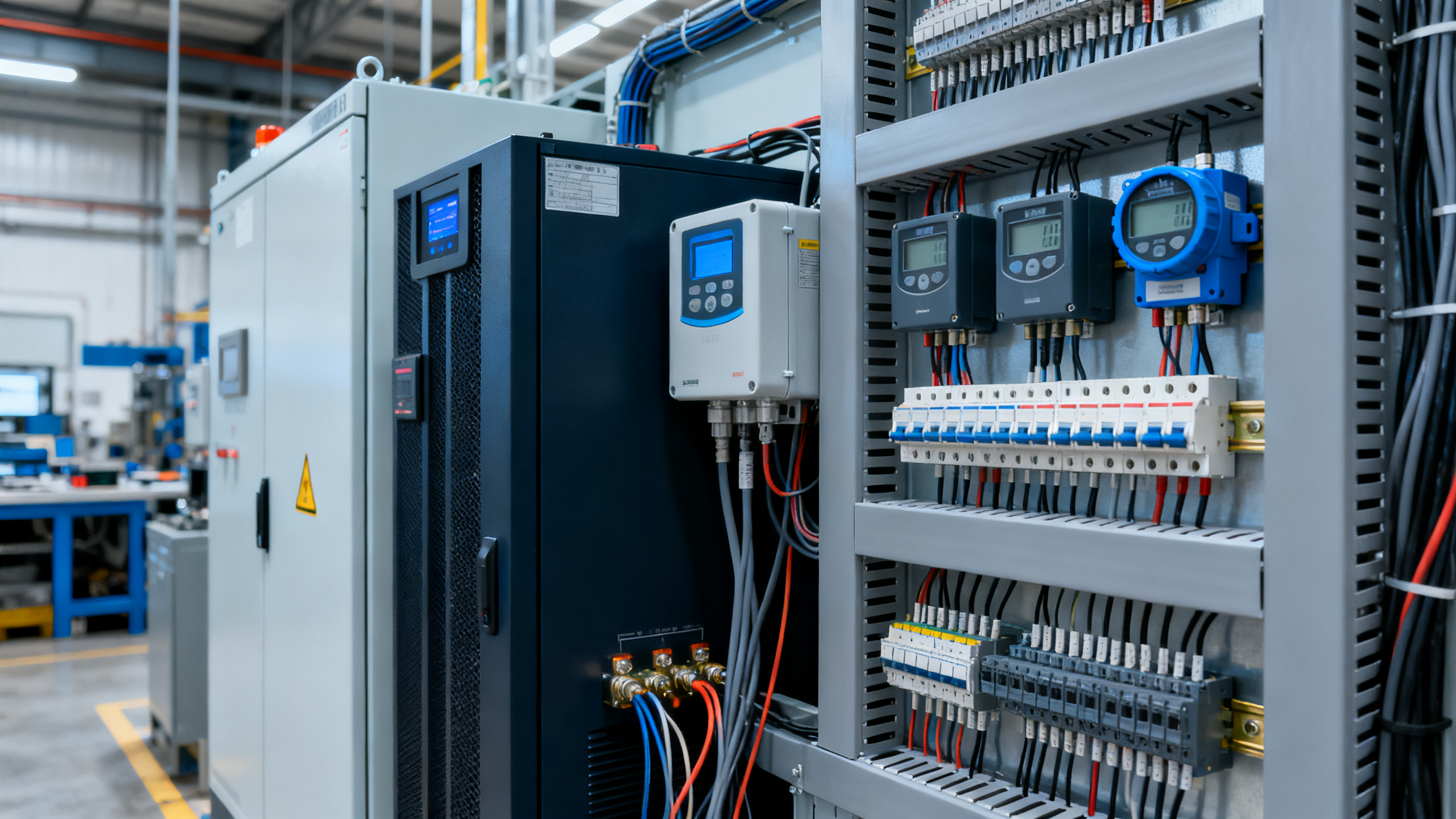
Reliable measurement depends on more than calibrated instruments. It also depends on stable supply quality, protected circuits, sound grounding, and disciplined service routines.
Electrical infrastructure maintenance for industrial measurement helps prevent signal drift, nuisance alarms, unsafe faults, and avoidable outages across utilities, process plants, workshops, and critical facilities.
This guide answers common questions about inspection priorities, failure patterns, maintenance intervals, and practical checks that improve accuracy, uptime, and compliance.
What does electrical infrastructure maintenance for industrial measurement actually include?
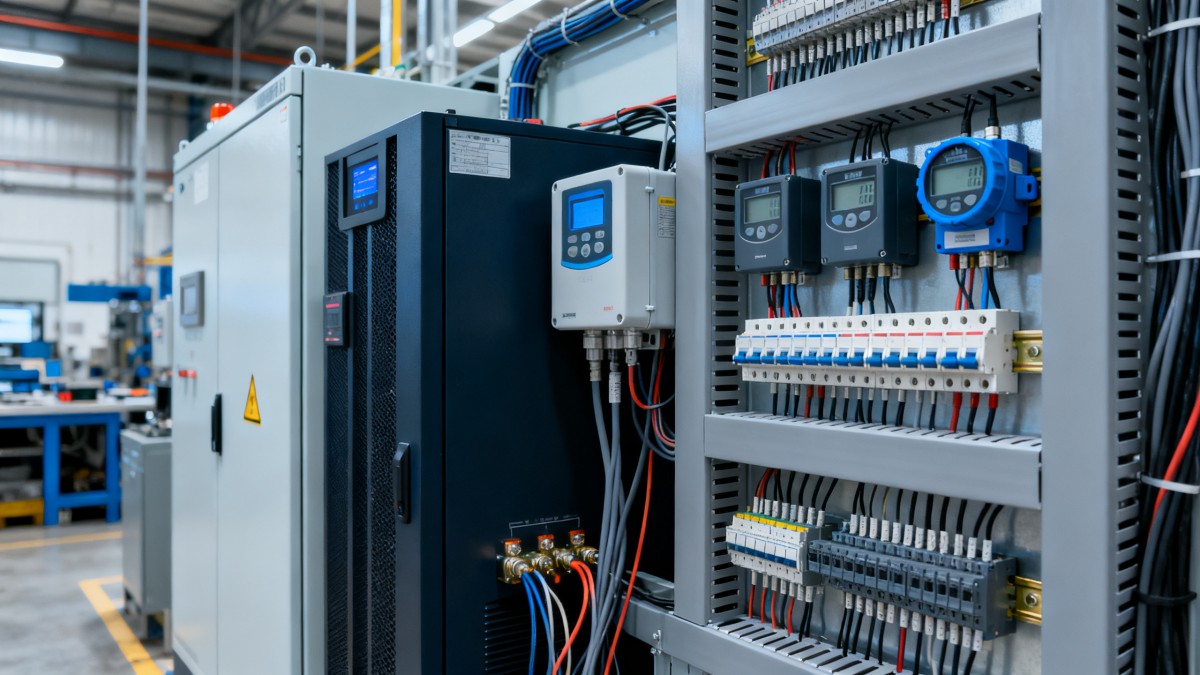
Electrical infrastructure maintenance for industrial measurement covers every power-related element that influences measurement reliability.
That includes incoming power quality, distribution panels, UPS systems, transformers, grounding networks, shielding, cable routes, junction boxes, surge protection, and instrument power supplies.
It also includes inspection of analog loops, digital communication lines, isolation barriers, terminal integrity, environmental sealing, and backup power transfer performance.
In industrial settings, measurement devices rarely fail alone. They often degrade because electrical support systems become unstable, contaminated, overheated, loose, or poorly coordinated.
A useful way to view electrical infrastructure maintenance for industrial measurement is through four layers:
- Power source health: voltage balance, frequency stability, harmonic distortion, interruption history.
- Distribution integrity: breakers, terminations, protective devices, panel temperature, labeling.
- Signal support quality: grounding, shielding, isolation, cable separation from noisy loads.
- Environmental protection: moisture control, dust exclusion, corrosion prevention, ventilation.
When these layers are managed together, instruments hold calibration longer and troubleshooting becomes faster and more defensible.
Which key checks matter most during routine inspection?
The best routine checks are simple, repeatable, and tied to known failure drivers.
Visual inspection remains the first step. Discoloration, cracked insulation, condensation, damaged glands, and missing covers often reveal early electrical stress.
Thermal checks are equally important. Hotspots at terminals, breakers, relays, and power supplies commonly indicate looseness, overload, or contact degradation.
For control and measurement circuits, these checks deserve priority:
- Measure line voltage stability under normal and peak load conditions.
- Verify grounding resistance and bonding continuity at panels and field devices.
- Inspect shield terminations and confirm correct single-point or design-approved grounding.
- Check loop power supplies for ripple, output drift, and loading margin.
- Inspect surge protection status indicators and replacement records.
- Review cable segregation between instrumentation wiring and motor power routes.
- Confirm enclosure sealing, drain function, and cabinet ventilation performance.
- Test backup power transfer where monitoring continuity is safety-critical.
Electrical infrastructure maintenance for industrial measurement should also include trend review, not just point inspection.
Voltage dips, repeating communication faults, and seasonal moisture problems often look random until service records are compared over time.
What are the warning signs before failure occurs?
Common early signs include unstable readings, intermittent zero shifts, unexplained transmitter resets, noisy signals, and increased calibration adjustment frequency.
Facilities may also see repeated fuse operations, flickering HMI data, communication dropout near large drives, or corrosion around low-voltage terminals.
What common failures disrupt industrial measurement systems?
Most failures in electrical infrastructure maintenance for industrial measurement are not dramatic. They begin as small quality losses.
Loose connections are among the most common issues. They generate heat, voltage instability, and intermittent faults that confuse root-cause analysis.
Grounding defects are another frequent source of trouble. Poor bonding or multiple unintended ground paths can create noise, offset errors, and communication instability.
Moisture ingress remains a major failure mode in outdoor and washdown areas. Condensation can bridge terminals, accelerate corrosion, and lower insulation resistance.
Surge damage often appears after storms, switching events, or nearby heavy-load starts. The instrument may survive, while its power conditioning degrades silently.
Other recurring failures include:
- Aged power supplies with excessive ripple.
- Cable insulation embrittlement from heat or chemicals.
- Shield breaks or improper shield continuity.
- Harmonic distortion affecting sensitive measurement loops.
- Overloaded UPS units with weak battery strings.
- Mislabeling after modifications, causing unsafe maintenance errors.
Electrical infrastructure maintenance for industrial measurement becomes more effective when failure modes are tied to physical evidence, load behavior, and environmental exposure.
Why do measurement errors persist after instrument replacement?
Because the instrument is often only the symptom point. The real problem may be unstable loop power, poor grounding, cabinet overheating, or a noisy cable route.
Replacing transmitters without fixing infrastructure causes repeat failures, unnecessary calibration work, and false confidence.
How should maintenance priorities differ by application?
Not every facility faces the same electrical risk profile. Maintenance must reflect process criticality, environment, load type, and regulatory expectations.
In process industries, continuity and signal stability usually dominate. Control loops, analyzers, and safety-related monitoring need tight grounding and power quality control.
In manufacturing lines, vibration, repeated starts, and variable frequency drives create noise and connection fatigue. Cable routing and terminal torque deserve extra attention.
In utility and infrastructure sites, outdoor exposure raises the importance of surge protection, enclosure integrity, and seasonal inspection cycles.
A practical priority model for electrical infrastructure maintenance for industrial measurement is:
How often should electrical infrastructure maintenance for industrial measurement be performed?
There is no single interval that fits every site. Frequency should be based on risk, environment, consequence of failure, and historical fault rate.
A layered schedule usually works best.
- Monthly: visual inspection, alarm review, enclosure condition, obvious cable damage.
- Quarterly: power supply checks, grounding spot checks, surge device status, environmental readings.
- Semiannual: thermal scans, terminal torque verification where permitted, UPS functional checks.
- Annual: full power quality review, insulation testing per procedure, documentation audit, trend analysis.
After abnormal events, maintenance should be immediate. Examples include lightning, flooding, major shutdowns, panel modifications, or repeated unexplained measurement deviations.
Electrical infrastructure maintenance for industrial measurement should align with safety rules, OEM recommendations, and site change-management procedures.
What is a common scheduling mistake?
Treating all assets equally. Low-risk local indicators do not need the same attention as safety-critical analyzers or custody-relevant measurement points.
How can teams reduce downtime and avoid repeated failures?
The first step is to move from reactive replacement to evidence-based maintenance.
Document every recurring fault with its electrical conditions, ambient environment, load state, and corrective action. Patterns then become visible.
Standardized checklists also help. They reduce missed steps during busy shutdown windows and improve consistency between technicians.
To strengthen electrical infrastructure maintenance for industrial measurement, focus on these practical controls:
- Separate measurement circuits from high-power switching routes wherever possible.
- Use approved grounding architecture and verify it after every modification.
- Replace aging surge and power-conditioning components before end-of-life symptoms escalate.
- Control cabinet temperature and humidity with suitable ventilation or heaters.
- Maintain accurate labels, drawings, and test records for safe fault isolation.
The highest-value improvement is often basic discipline. Clean panels, tight documentation, and trend-based follow-up outperform rushed emergency repairs.
Quick FAQ table: what should be checked first when issues appear?
Electrical infrastructure maintenance for industrial measurement is not only a maintenance task. It is a reliability strategy that protects data quality, process continuity, and operational safety.
Start with the most failure-prone points: power quality, grounding, terminations, environmental sealing, and surge protection. Then build inspection intervals around actual site risk.
When measurement problems repeat, investigate the supporting electrical infrastructure before replacing instruments again. That approach reduces downtime, extends service life, and supports compliant operations.
Technical Specifications
- How to Select Electronic Hotel Key Card Locks for Guest Rooms and Staff AreasAuthor :Safety Compliance Lead
- How to Select Lab Instruments for Reliable Chemical Analysis WorkflowsAuthor :Precision Metrology Expert
- How to Size a UPS for Server Rooms: Load, Runtime, and Redundancy FactorsAuthor :Grid Infrastructure Analyst
Expert Insights

Chief Security Architect
Dr. Thorne specializes in the intersection of structural engineering and digital resilience. He has advised three G7 governments on industrial infrastructure security.
Related Analysis
- Sep 17, 2026How to Select Electronic Hotel Key Card Locks for Guest Rooms and Staff AreasAuthor :Safety Compliance Lead
- Sep 16, 2026How to Select Lab Instruments for Reliable Chemical Analysis WorkflowsAuthor :Precision Metrology Expert
- Sep 15, 2026How to Size a UPS for Server Rooms: Load, Runtime, and Redundancy FactorsAuthor :Grid Infrastructure Analyst
Core Sector // 01
Security & Safety
- What to Check When Sourcing Vibration Meters Wholesale for Industrial MaintenanceAuthor :Precision Metrology Expert

- How to Select Process Control Instruments for Accuracy, Safety, and UptimeAuthor :Precision Metrology Expert

- What Should Standards Compliance Analysis Training Cover Before an Audit?Author :Precision Metrology Expert

- Why Do Pressure Instruments Fail in High-Vibration Sites?Author :Precision Metrology Expert

- Is FM Software Integration Needed for Overseas Instrument Maintenance?Author :Precision Metrology Expert

- What Are the Differences Between Lab and Field Testing Equipment?Author :Precision Metrology Expert

- Is Independent Testing Necessary for Critical Safety Components?Author :Precision Metrology Expert

- How to Validate Industrial Application Scenarios Before ProcurementAuthor :Precision Metrology Expert