EU Cybersecurity Rules Tighten for Industrial Device Exports
Author
Date Published
Reading Time
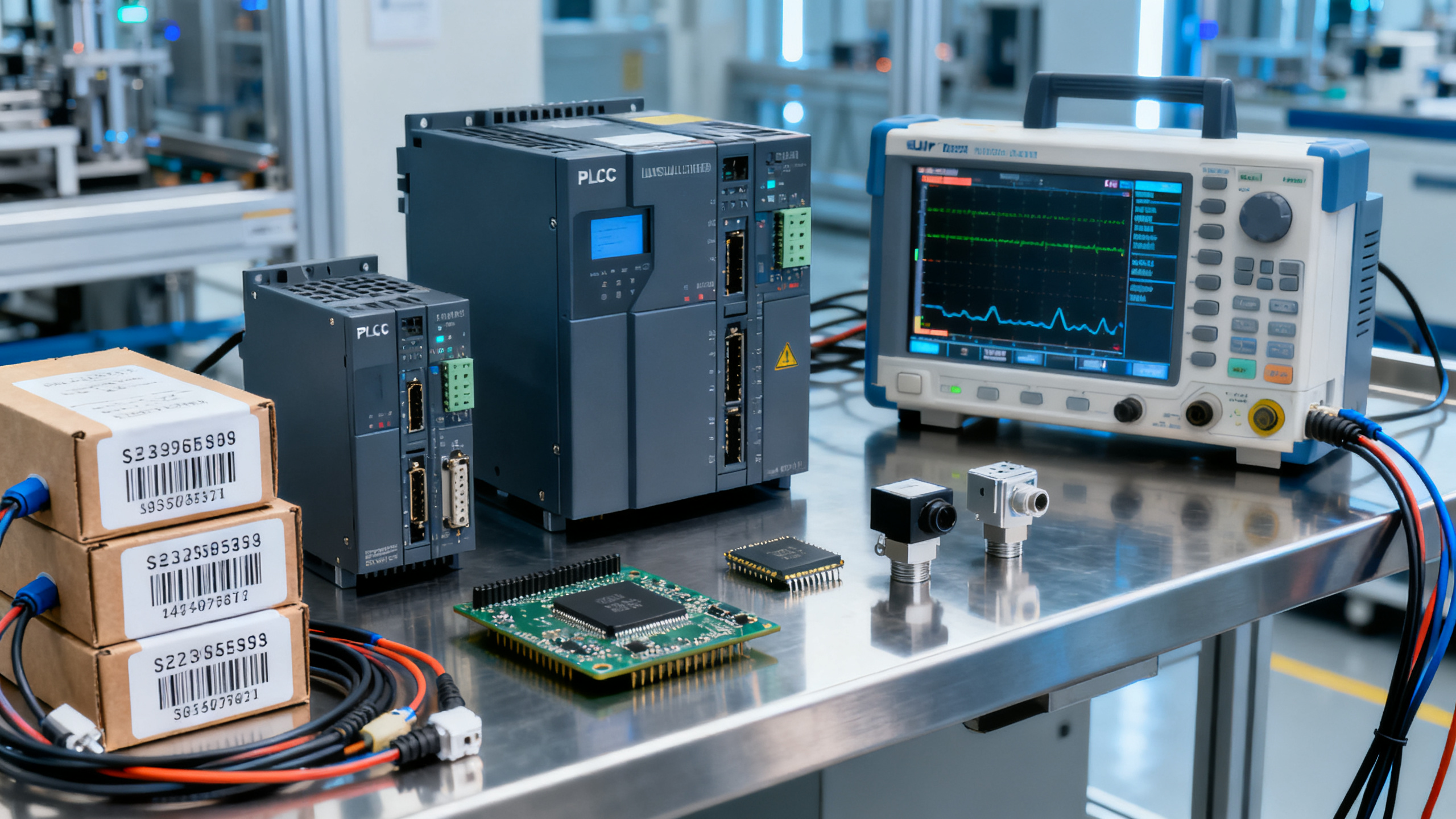
On June 3, 2026, the European Commission put a new technology sovereignty package into effect, linking the implementation of Chips Act 2.0 and the Cloud and AI Development Act to stricter market-access requirements for industrial electronics sold in the EU. For exporters of industrial microcontrollers, PLCs, smart sensors, and test and measurement equipment, the immediate issue is no longer only product performance or delivery, but whether EN 303 645 baseline cybersecurity certification and Digital Product Passport (DPP) registration can be completed before customs restrictions begin in October 2026.
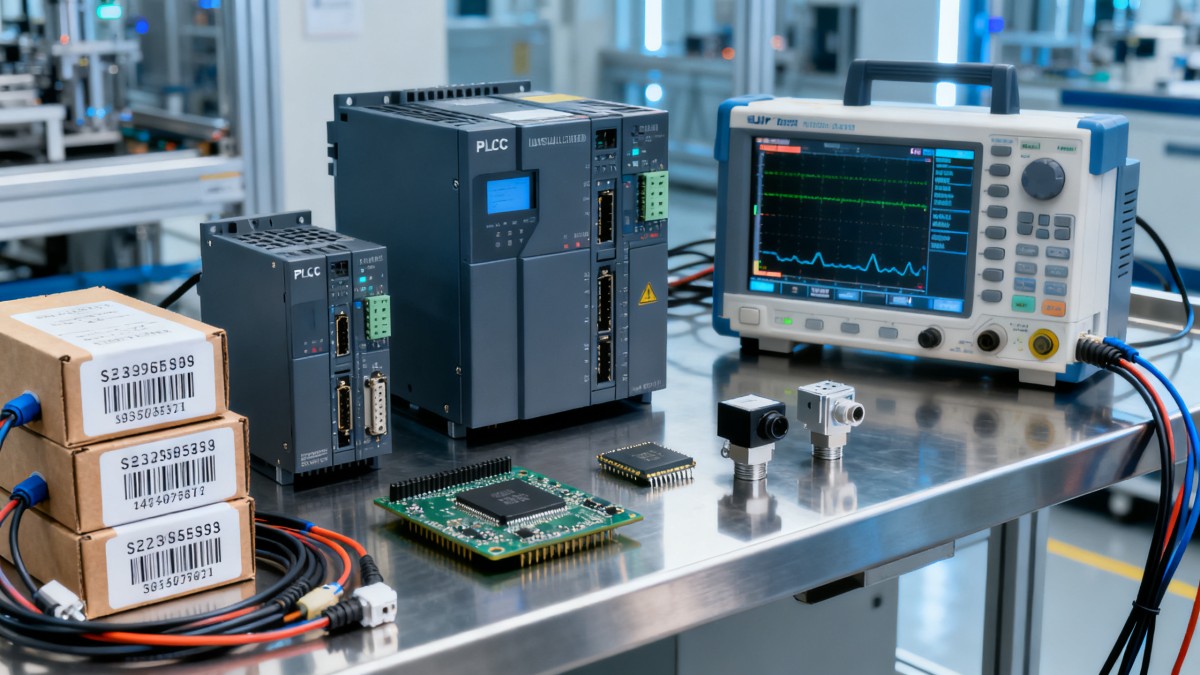
What Has Taken Effect
According to the provided event summary, the European Commission formally implemented its technology sovereignty package on June 3, 2026. Under this framework, Chips Act 2.0 requires all industrial-grade microcontrollers, PLCs, smart sensors, and test and measurement devices sold in the EU market to obtain EN 303 645 baseline cybersecurity certification and complete DPP registration.
The scope named in the input includes products such as oscilloscopes, calibration sources, and data acquisition systems. The same input states that products that do not meet these requirements will be barred from customs clearance starting in October 2026.
The provided information also indicates that Chinese manufacturers in the affected categories have only four months of export preparation time remaining.
Where the Pressure Appears First
Export-facing manufacturers face an immediate compliance gate
From an industry perspective, manufacturers that directly sell industrial controllers and test instruments into Europe are the first group affected because the new requirement is tied to whether products can enter the EU market at all. The main pressure point is the export readiness process, especially certification status, DPP registration, and shipment timing before the October 2026 customs deadline.
Testing and documentation teams move closer to the center of delivery
For companies already shipping oscilloscopes, calibration sources, data acquisition systems, PLCs, or smart sensors, the operational impact is likely to extend beyond product engineering. Documentation, product compliance, and technical file preparation become part of the delivery chain, because market access now depends on proving cybersecurity baseline alignment and completing digital product registration.
Channel and supply chain partners may need to recheck shipment viability
Distributors, logistics coordinators, and export service providers may also feel the change because customs clearance is explicitly mentioned in the provided summary. Analysis shows that shipment scheduling, document completeness, and product-by-product eligibility could become more sensitive in the remaining window before October.
EU buyers may pay closer attention to product eligibility
For procurement teams and end users in Europe, the issue is not only technical selection but also whether a product can be legally cleared and delivered. What deserves closer attention is that compliance status may become part of purchasing discussions for industrial control and test equipment orders within the current transition period.
What Companies Should Review Now
Check which product lines fall within the stated scope
Companies should first map their relevant product categories against the scope described in the provided information: industrial microcontrollers, PLCs, smart sensors, and test and measurement equipment, including the examples named in the summary. This is a practical starting point for deciding which exports face the shortest response window.
Separate certification work from shipment planning
Analysis shows that the policy signal and the delivery reality are not the same step. Even if a company understands the requirement, actual exports will depend on whether EN 303 645 certification and DPP registration can be completed in time for customs clearance. Businesses should therefore review order timing, documentation readiness, and delivery commitments together rather than treating compliance as a standalone legal issue.
Prepare customer and partner communication early
With only four months of stated export window remaining for affected Chinese manufacturers, customer communication becomes a near-term business task. Companies may need to clarify which models are already being prepared for compliance, which shipments may be time-sensitive, and what documentation may be needed by distributors or buyers.
Watch for further official clarification
Observably, the current input confirms the new requirements and the October 2026 customs consequence, but it does not provide the full operational detail of how every product category will be reviewed in practice. That means businesses should continue monitoring official wording, procedural clarification, and any implementation guidance related to certification and DPP registration.
Why This Looks Like More Than a Short-Term Filing Issue
Analysis shows that this development should not be read only as a temporary customs adjustment. The requirement connects cybersecurity certification and digital product registration directly to EU market access for industrial control and test equipment categories named in the input. That makes the change relevant not just for one shipment cycle, but for how exporters organize compliance, product records, and customer delivery into the EU.
At the same time, it is more appropriate to understand this as a confirmed regulatory shift with implementation details still worth tracking, rather than as a fully settled operating framework in every practical sense. The legal direction described in the input is clear; the business response will depend on how quickly companies can convert that direction into shipment-ready documentation and approved product status.
How to Read the Signal at This Stage
Based on the provided information, the most balanced interpretation is that the EU has moved cybersecurity and digital product traceability closer to the core of industrial device trade access. For affected exporters, this is already a short-term operational issue because October 2026 customs restrictions are explicitly stated. For the wider industry, it also serves as a longer-term signal that compliance expectations for industrial controllers and test equipment are becoming more tightly linked to market entry conditions.
Current attention should therefore stay on concrete execution: identifying covered products, checking certification and DPP readiness, and aligning shipment plans with the remaining time window. It is not necessary to overstate the outcome to see that the compliance threshold has become a direct business variable.
Basis of This Article
This article is based on the user-provided news title, event date, and event summary concerning the June 3, 2026 implementation of the EU technology sovereignty package and the related compliance requirements for industrial controllers and test and measurement equipment.
For this type of development, relevant source categories typically include official government or regulatory announcements, company disclosures, industry association updates, authoritative media reporting, and standards-related documents. No specific official source link was provided in the input, so the exact source trail still requires continued verification.
Follow-up attention should remain on any further official clarification regarding certification procedures, DPP registration practice, and the practical handling of customs restrictions for affected product categories.
Technical Specifications
- How to Select Electronic Hotel Key Card Locks for Guest Rooms and Staff AreasAuthor :Safety Compliance Lead
- How to Select Lab Instruments for Reliable Chemical Analysis WorkflowsAuthor :Precision Metrology Expert
- How to Size a UPS for Server Rooms: Load, Runtime, and Redundancy FactorsAuthor :Grid Infrastructure Analyst
Expert Insights

Chief Security Architect
Dr. Thorne specializes in the intersection of structural engineering and digital resilience. He has advised three G7 governments on industrial infrastructure security.
Related Analysis
- Sep 17, 2026How to Select Electronic Hotel Key Card Locks for Guest Rooms and Staff AreasAuthor :Safety Compliance Lead
- Sep 16, 2026How to Select Lab Instruments for Reliable Chemical Analysis WorkflowsAuthor :Precision Metrology Expert
- Sep 15, 2026How to Size a UPS for Server Rooms: Load, Runtime, and Redundancy FactorsAuthor :Grid Infrastructure Analyst
Core Sector // 01
Security & Safety
- What to Check When Sourcing Vibration Meters Wholesale for Industrial MaintenanceAuthor :Precision Metrology Expert

- How to Select Process Control Instruments for Accuracy, Safety, and UptimeAuthor :Precision Metrology Expert

- What Should Standards Compliance Analysis Training Cover Before an Audit?Author :Precision Metrology Expert

- Why Do Pressure Instruments Fail in High-Vibration Sites?Author :Precision Metrology Expert

- Is FM Software Integration Needed for Overseas Instrument Maintenance?Author :Precision Metrology Expert

- What Are the Differences Between Lab and Field Testing Equipment?Author :Precision Metrology Expert

- Is Independent Testing Necessary for Critical Safety Components?Author :Precision Metrology Expert

- How to Validate Industrial Application Scenarios Before ProcurementAuthor :Precision Metrology Expert