Carbon Monoxide Alarms Explained: Sensor Types, Placement Rules, and Common Mistakes
Author
Date Published
Reading Time
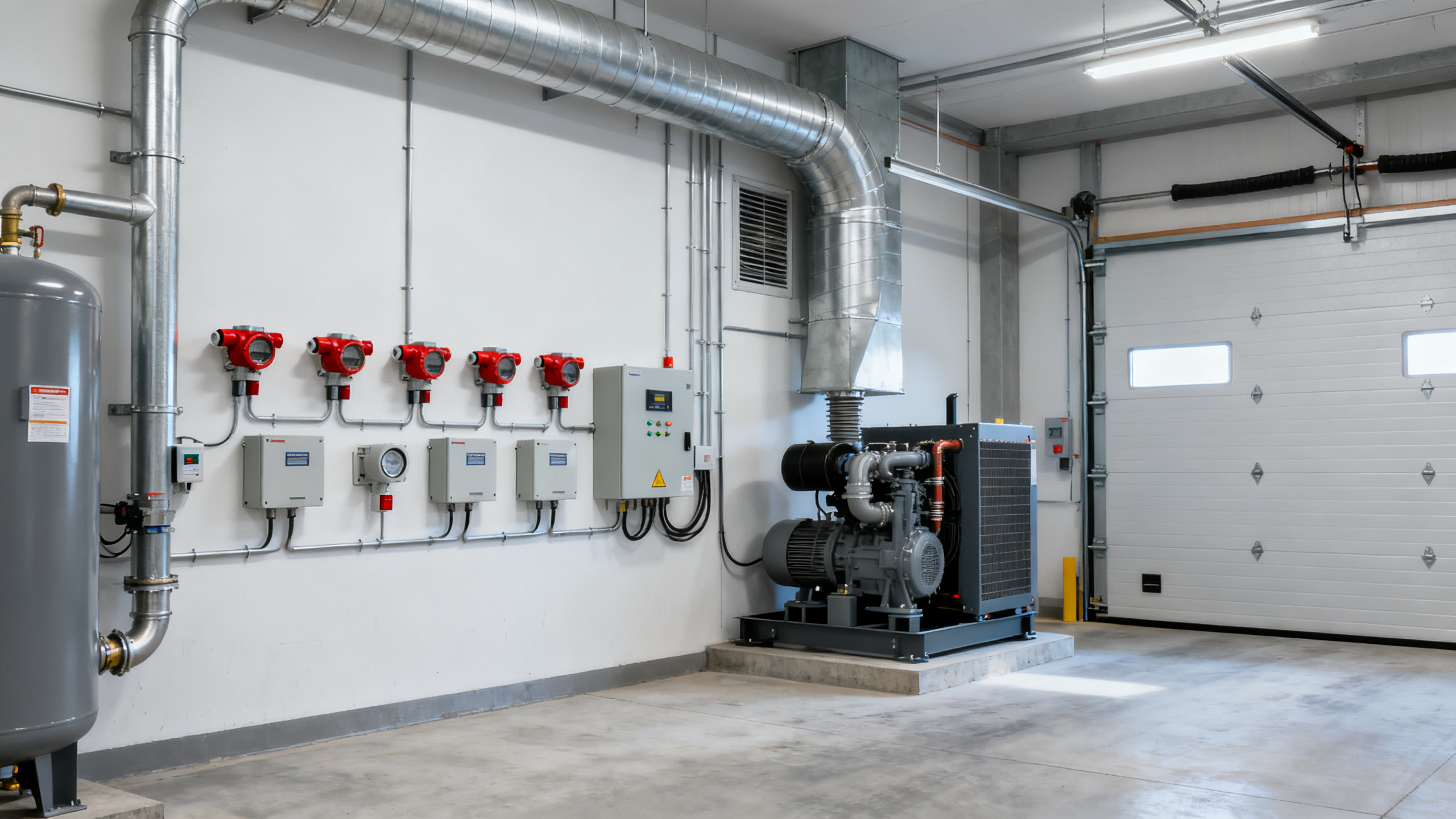
Carbon monoxide alarms sit at the intersection of life safety, compliance, and operational control. Their job sounds simple, yet real protection depends on sensor chemistry, installation discipline, and ongoing verification. In homes, offices, plant rooms, logistics sites, and mixed-use facilities, a poor device choice or a bad mounting location can turn a certified alarm into a weak link. That is why carbon monoxide alarms deserve closer attention wherever combustion equipment, enclosed spaces, or intermittent ventilation create invisible risk.
Why carbon monoxide alarms matter beyond basic code compliance
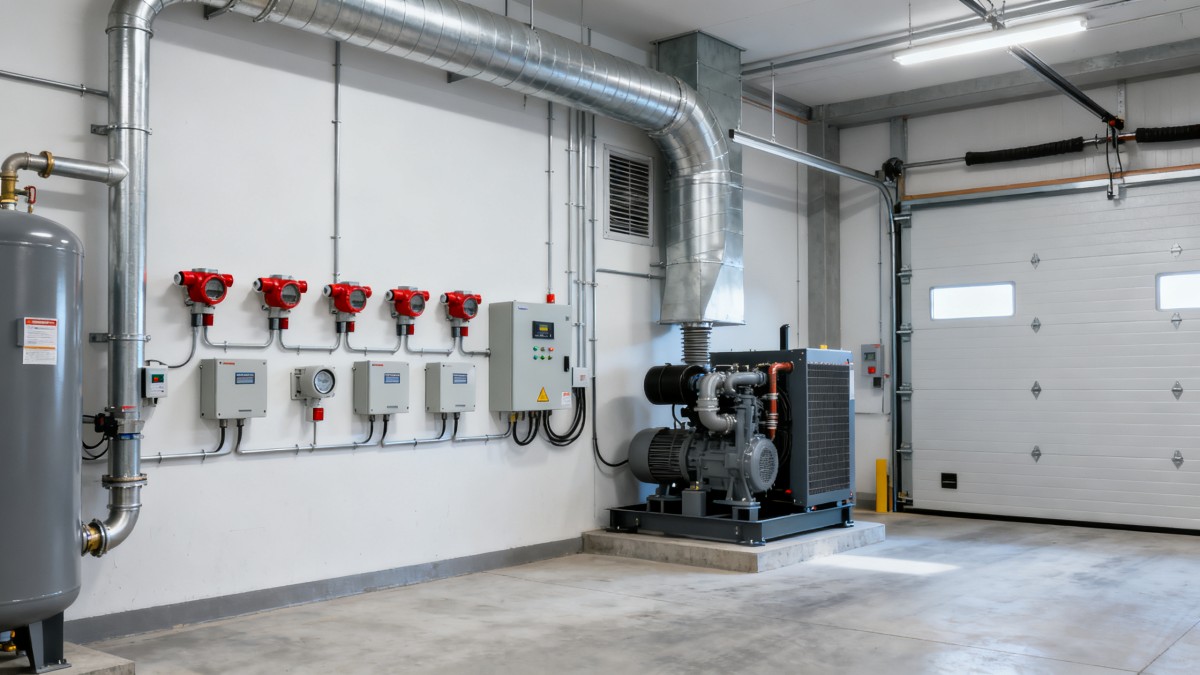
Carbon monoxide is colorless, odorless, and often underestimated until an incident occurs. It is produced when fuels do not burn completely, which means the hazard appears in routine conditions, not only during obvious failures.
In a broader industrial context, the issue is no longer limited to residential safety campaigns. Backup generators, boiler rooms, loading docks, parking structures, temporary heating systems, and service areas all introduce exposure pathways.
For organizations managing safety-critical infrastructure, carbon monoxide alarms support more than occupant warning. They also contribute to audit readiness, incident prevention, and a more defensible safety management process.
This aligns with the kind of risk-based evaluation emphasized by Global Industrial Core, where safety devices are judged not by price alone, but by reliability, certification integrity, and suitability for real operating conditions.
What these alarms actually detect and how they respond
Not every alarm responds in the same way. Carbon monoxide alarms measure gas concentration over time, then trigger according to preset thresholds and exposure patterns.
That time element matters. Short spikes may not create the same response as sustained exposure. A unit designed for a dwelling may behave differently from one selected for a commercial or light industrial zone.
The best interpretation is practical: an alarm is not simply a yes-or-no sensor. It is part detector, part decision device, and part compliance control.
Main sensor types in carbon monoxide alarms
Electrochemical sensors are the most common choice in quality applications. They are generally valued for accuracy, stable response, and better selectivity in many indoor environments.
Biomimetic sensors use a gel that changes when it absorbs carbon monoxide. These designs can work well in basic settings, but performance characteristics may vary with age and environmental conditions.
Metal oxide semiconductor sensors detect gas through changes in electrical resistance. They are often durable, but can be more sensitive to temperature, humidity, or interfering compounds if poorly matched to the setting.
In some integrated systems, carbon monoxide alarms are also tied into broader fire and gas platforms. That approach is useful where central monitoring, remote signaling, or trend logging is required.
Placement rules are as important as sensor quality
A high-quality unit in the wrong place can delay warning or create nuisance alarms. Placement rules should always follow manufacturer instructions and the applicable code framework in the installation region.
Even so, several principles remain consistent across most environments. Carbon monoxide alarms should be located where people could be exposed, where combustion sources exist, and where airflow will not distort detection.
Typical locations that deserve review
- Sleeping areas, corridors, and occupied rooms near fuel-burning appliances
- Boiler and generator support spaces, where leaks or exhaust backflow may occur
- Attached garages, loading interfaces, and enclosed vehicle zones
- Mechanical rooms in schools, healthcare sites, hotels, and mixed-use buildings
- Temporary project spaces using portable heaters during construction or maintenance
Height placement often causes confusion. Unlike some gases that clearly stratify, carbon monoxide mixes readily with air. That means the best position is usually determined by product instructions and room layout, not by guesswork.
Units should also stay away from dead-air pockets, supply vents, open windows, and excessively humid areas unless specifically rated for those conditions.
Distance and environment still matter
An alarm mounted directly beside a cooking appliance or exhaust source may produce unwanted activations. One installed too far away may react too late to an accumulating event.
This is where site surveys become valuable. A practical review should consider airflow paths, occupancy patterns, combustion equipment cycling, and maintenance access.
Common mistakes that reduce protection
Many failures linked to carbon monoxide alarms are not caused by defective products. They come from preventable specification, installation, or maintenance errors.
Frequent specification mistakes
- Choosing alarms by price without checking UL, CE, or relevant national approvals
- Using residential-grade units in harsher commercial environments
- Ignoring temperature, humidity, dust, or vibration exposure
- Overlooking end-of-life signaling and replacement intervals
Frequent installation and use mistakes
- Mounting behind curtains, shelving, or decorative covers
- Installing near fans or vents that dilute gas before detection
- Failing to test power status after commissioning or battery replacement
- Treating nuisance alarms as normal instead of investigating the cause
- Leaving expired devices in service because they still beep during test mode
The last point is especially important. A button test usually confirms electronics and sounder function. It does not always confirm that the sensing element remains within performance tolerance.
How to evaluate carbon monoxide alarms in real operations
In practice, the right choice depends on the risk profile of the site. A small office pantry, an apartment corridor, a warehouse dock, and a generator enclosure should not all be assessed in the same way.
A disciplined review usually starts with the source of combustion, the likelihood of incomplete burning, the expected occupancy, and the consequence of delayed warning.
This is also where an intelligence-led sourcing model becomes useful. GIC’s editorial lens is relevant because carbon monoxide alarms should be evaluated as part of a larger safety system, not as isolated commodities.
A practical checklist for stronger control
Sites that perform well usually rely on simple habits executed consistently. The following checkpoints are often more valuable than adding extra devices without a plan.
- Match sensor type to the environment, not only to the budget
- Confirm certification, alarm logic, and service life before purchase
- Map combustion sources, enclosed spaces, and occupancy routes
- Install according to product instructions and local code requirements
- Document testing, calibration checks where applicable, and replacement dates
- Investigate every alarm event instead of resetting and moving on
Carbon monoxide alarms deliver real value when specification, placement, and maintenance work together. The next sensible step is to review current device locations, compare sensor technology against site conditions, and verify whether each alarm still fits the risk it is supposed to control.
Technical Specifications
- Wholesale Borosilicate Lab Glassware: How Buyers Verify Quality, Specs, and Supply ReliabilityAuthor :Precision Metrology Expert
- How to Select Electronic Hotel Key Card Locks for Guest Rooms and Staff AreasAuthor :Safety Compliance Lead
- How to Select Lab Instruments for Reliable Chemical Analysis WorkflowsAuthor :Precision Metrology Expert
Expert Insights

Chief Security Architect
Dr. Thorne specializes in the intersection of structural engineering and digital resilience. He has advised three G7 governments on industrial infrastructure security.
Related Analysis
- Sep 18, 2026Wholesale Borosilicate Lab Glassware: How Buyers Verify Quality, Specs, and Supply ReliabilityAuthor :Precision Metrology Expert
- Sep 17, 2026How to Select Electronic Hotel Key Card Locks for Guest Rooms and Staff AreasAuthor :Safety Compliance Lead
- Sep 16, 2026How to Select Lab Instruments for Reliable Chemical Analysis WorkflowsAuthor :Precision Metrology Expert
Core Sector // 01
Security & Safety
- What to Check When Sourcing Vibration Meters Wholesale for Industrial MaintenanceAuthor :Precision Metrology Expert

- How to Select Process Control Instruments for Accuracy, Safety, and UptimeAuthor :Precision Metrology Expert

- What Should Standards Compliance Analysis Training Cover Before an Audit?Author :Precision Metrology Expert

- Why Do Pressure Instruments Fail in High-Vibration Sites?Author :Precision Metrology Expert

- Is FM Software Integration Needed for Overseas Instrument Maintenance?Author :Precision Metrology Expert

- What Are the Differences Between Lab and Field Testing Equipment?Author :Precision Metrology Expert

- Is Independent Testing Necessary for Critical Safety Components?Author :Precision Metrology Expert

- How to Validate Industrial Application Scenarios Before ProcurementAuthor :Precision Metrology Expert