EU EN 61326-3-2:2026 Takes Effect for EMC Testing
Author
Date Published
Reading Time
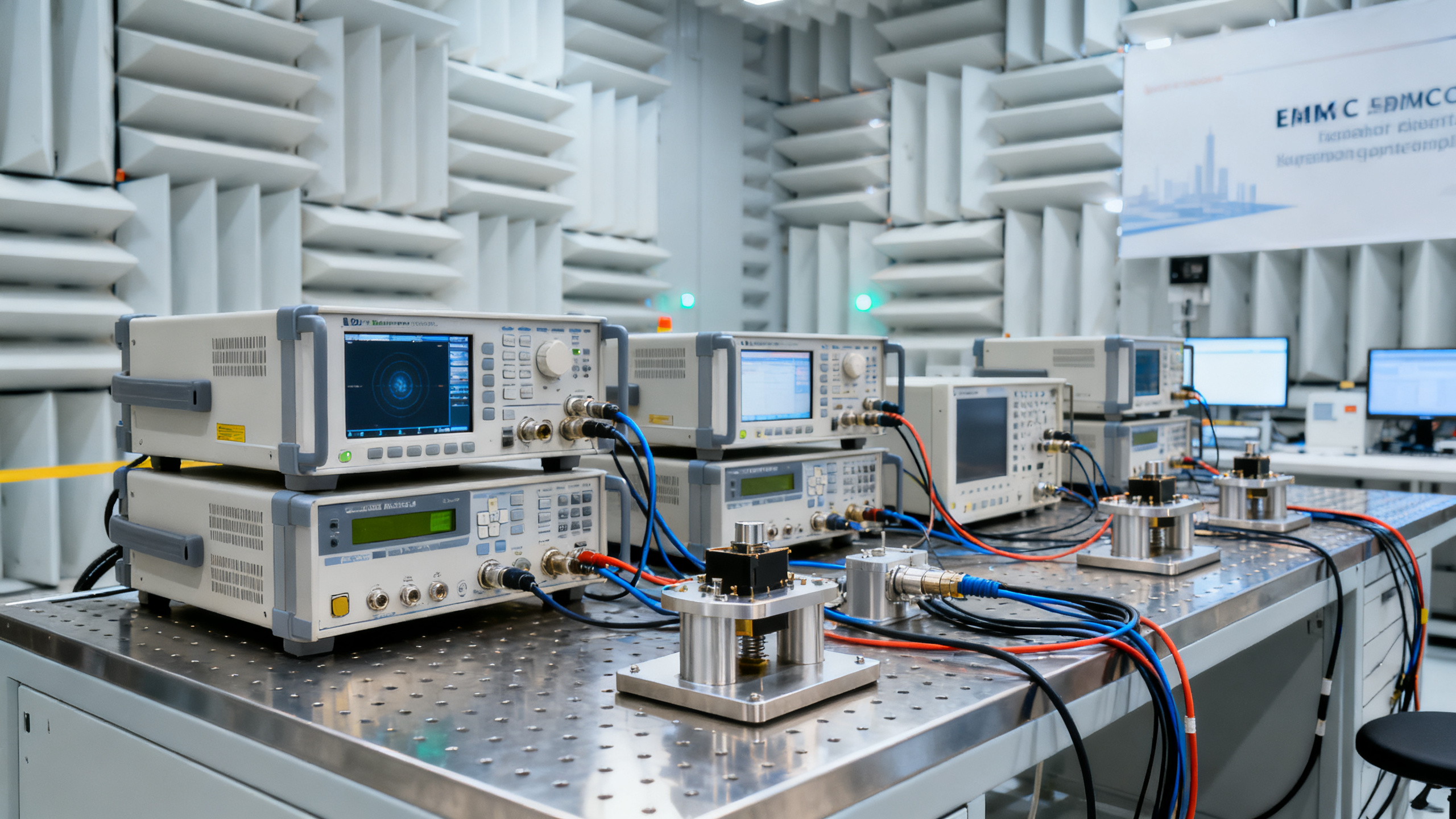
On June 19, 2026, the EU moved ahead with a new compliance benchmark for industrial test and measurement equipment by putting EN 61326-3-2:2026 into effect. The update matters not only to manufacturers of calibration instruments, signal generators, and data acquisition systems, but also to importers, distributors, certification teams, and buyers serving the EU market, because the rule raises EMC immunity expectations and leaves only a 90-day transition window for adjustment.
A tighter immunity requirement is now in force
According to the information provided, the Official Journal of the European Union (OJEU) published EN 61326-3-2:2026 on June 19, 2026, replacing EN 61326-3-2:2017. The new standard applies to industrial test and measurement equipment sold in the EU market, including products such as calibrators, signal generators, and data acquisition systems.
The stated change is not only a version update. The new requirement mandates compliance with stricter radiated radio-frequency electromagnetic field immunity testing, with IEC 61000-4-3 moving from Level 3 to Level 4, and also requires pulse magnetic field immunity testing. The rule takes effect immediately, with a transition period of only 90 days.
Where the impact is likely to be felt first
Product compliance and design teams face the earliest pressure
From an industry perspective, manufacturers and engineering teams are likely to feel the immediate impact because the new rule is tied directly to product certification thresholds. The most affected business links are expected to be product validation, EMC test planning, technical file preparation, and launch scheduling for equipment intended for EU sale.
Market access functions may need to reassess timing
Importers, brand owners, and EU-facing sales teams may be affected through market access planning. Analysis shows that when a standard takes effect immediately and the transition window is short, the practical issue is often not only whether a product can eventually comply, but whether shipments, listings, and customer commitments remain aligned with the updated certification pathway.
Channel partners and procurement teams will need clearer documentation
Distributors, procurement teams, and industrial buyers may need closer attention to product documentation and certification status. The likely point of impact is purchasing approval, vendor onboarding, and delivery coordination, especially for equipment categories explicitly covered by the update.
What companies should watch over the next 90 days
Check which EU-bound models fall under the revised scope
What deserves closer attention is whether current product lines sold into the EU include calibrators, signal generators, data acquisition systems, or other industrial test and measurement equipment that must now be assessed against EN 61326-3-2:2026 rather than the 2017 edition.
Separate formal rule changes from operational readiness
Analysis shows that the formal publication of a new standard and actual readiness to meet it are not the same thing. Companies may need to distinguish between the legal effect of the update and the internal ability to complete stricter RF immunity and pulse magnetic field immunity testing within existing product and delivery cycles.
Review certification materials and customer-facing records
For teams already supplying the EU market, a practical focus is likely to be whether technical documents, compliance records, and model-specific certification materials are aligned with the new edition. This is particularly relevant where sales, delivery, or tenders depend on up-to-date EMC compliance evidence.
Prepare for supplier and customer communication
Observably, a 90-day transition period makes communication a business issue as much as a technical one. Companies may need contingency messaging for suppliers, certification partners, distributors, and end customers regarding model status, testing schedules, and any possible effect on lead times or acceptance procedures.
Why this looks like both an immediate change and a longer signal
This article's observation is that the update should be understood first as an immediate compliance change, because the standard takes effect at once and the transition period is short. At the same time, it also looks like a longer-term signal that EMC immunity expectations for industrial test and measurement equipment in the EU are moving toward a stricter baseline.
That said, it would be premature to draw conclusions beyond the confirmed facts provided here. It is more appropriate to understand this as a regulatory development that already has direct operational relevance, while still requiring continued observation on how companies, testing workflows, and market access practices adapt during the transition period.
How this update is best understood now
Based on the available information, EN 61326-3-2:2026 is not simply a routine revision number change. It creates a near-term compliance task for companies placing industrial test and measurement equipment on the EU market, especially where EMC immunity testing plans and certification timing are already tied to active sales or delivery commitments.
A neutral reading is that the development deserves prompt attention but careful interpretation. The most reasonable view at present is to treat it as an immediate operational requirement with wider strategic implications that should continue to be monitored rather than overstated.
Basis of this article and points for follow-up
This article is generated from the user-provided news title, event date, and event summary. The confirmed basis includes the stated publication date of June 19, 2026, the replacement of EN 61326-3-2:2017 by EN 61326-3-2:2026, the stricter EMC immunity requirements, and the 90-day transition period.
For this type of development, source types usually relevant to verification include official notices, company compliance disclosures, industry association updates, authoritative media reports, and standard-related documents. A specific official source link was not provided in the input, so further verification remains necessary. Follow-up should focus on any later official wording, implementation clarifications, and market-facing compliance documentation connected with the new standard.
Technical Specifications
- Wholesale Borosilicate Lab Glassware: How Buyers Verify Quality, Specs, and Supply ReliabilityAuthor :Precision Metrology Expert
- How to Select Electronic Hotel Key Card Locks for Guest Rooms and Staff AreasAuthor :Safety Compliance Lead
- How to Select Lab Instruments for Reliable Chemical Analysis WorkflowsAuthor :Precision Metrology Expert
Expert Insights

Chief Security Architect
Dr. Thorne specializes in the intersection of structural engineering and digital resilience. He has advised three G7 governments on industrial infrastructure security.
Related Analysis
- Sep 18, 2026Wholesale Borosilicate Lab Glassware: How Buyers Verify Quality, Specs, and Supply ReliabilityAuthor :Precision Metrology Expert
- Sep 17, 2026How to Select Electronic Hotel Key Card Locks for Guest Rooms and Staff AreasAuthor :Safety Compliance Lead
- Sep 16, 2026How to Select Lab Instruments for Reliable Chemical Analysis WorkflowsAuthor :Precision Metrology Expert
Core Sector // 01
Security & Safety
- What to Check When Sourcing Vibration Meters Wholesale for Industrial MaintenanceAuthor :Precision Metrology Expert

- How to Select Process Control Instruments for Accuracy, Safety, and UptimeAuthor :Precision Metrology Expert

- What Should Standards Compliance Analysis Training Cover Before an Audit?Author :Precision Metrology Expert

- Why Do Pressure Instruments Fail in High-Vibration Sites?Author :Precision Metrology Expert

- Is FM Software Integration Needed for Overseas Instrument Maintenance?Author :Precision Metrology Expert

- What Are the Differences Between Lab and Field Testing Equipment?Author :Precision Metrology Expert

- Is Independent Testing Necessary for Critical Safety Components?Author :Precision Metrology Expert

- How to Validate Industrial Application Scenarios Before ProcurementAuthor :Precision Metrology Expert