APEC Accelerates ICV Testing Equipment Mutual Recognition
Author
Date Published
Reading Time
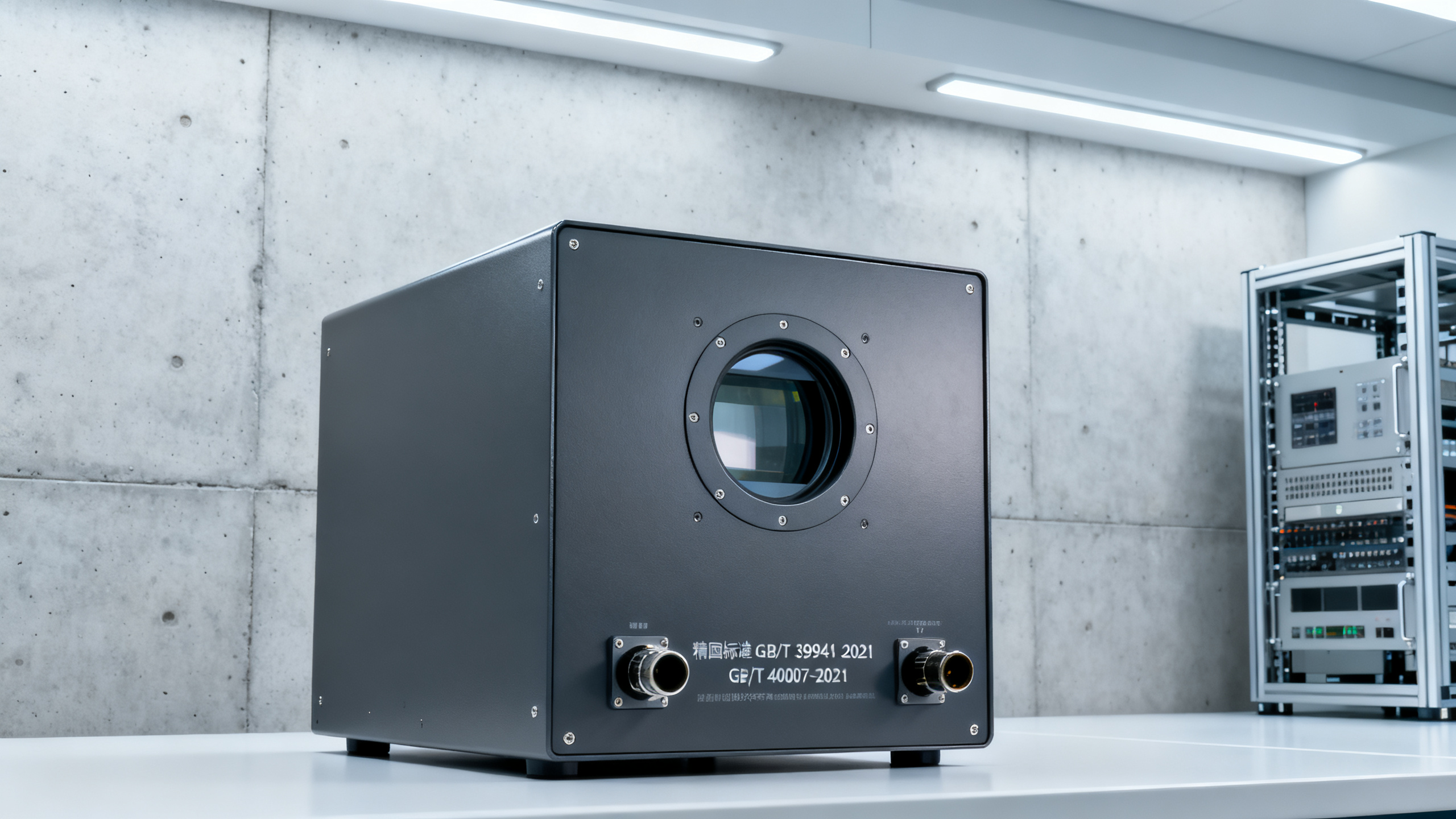
APEC Automotive Dialogue Meeting on May 12, 2026 announced accelerated international mutual recognition of standards for intelligent connected and new energy vehicles (ICVs), with significant implications for China’s sensor and testing & measurement (T&M) equipment exporters.
Event Overview
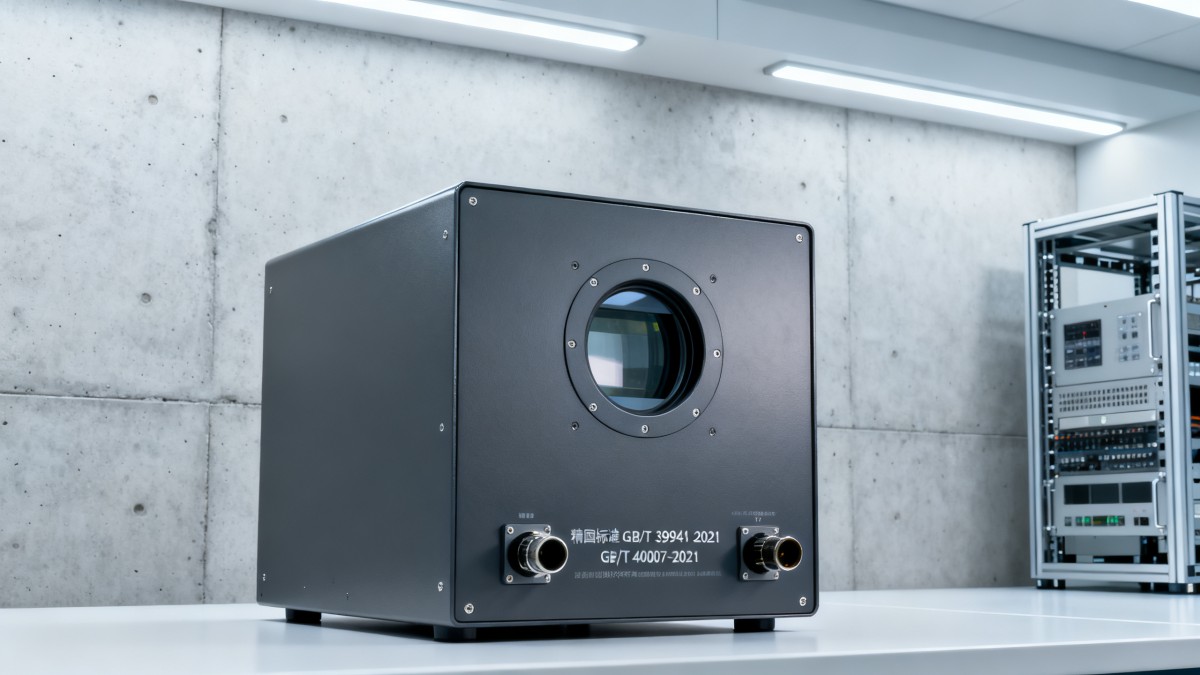
The 43rd APEC Automotive Dialogue Meeting was held in Shanghai on May 12, 2026. The Ministry of Industry and Information Technology of China signed the Memorandum of Cooperation on Mutual Recognition of Intelligent Connected Vehicle Testing Equipment with 12 economies, including the United States, Japan, South Korea, and ASEAN member states. The agreement explicitly includes two Chinese national standards — GB/T 39941-2021 (Test Methods for In-Vehicle LiDAR Systems) and GB/T 40007-2021 (Conformance Testing Methods for V2X Communications) — in the APEC mutual recognition list.
Industries Affected
Direct Export Enterprises: Companies engaged in cross-border sales of automotive T&M equipment — particularly those supplying LiDAR validation rigs, V2X protocol testers, and end-to-end ICV simulation platforms — will experience reduced regulatory friction. Certification timelines for entry into OEM supplier networks across APEC markets are expected to shorten by 40–60%, directly lowering time-to-market and compliance costs.
Raw Material Procurement Enterprises: Firms sourcing high-precision optical components (e.g., MEMS mirrors, InGaAs photodetectors), RF front-end modules, or calibrated reference antennas may see increased order visibility. Demand signals will strengthen not from final vehicle production volumes, but from upstream R&D and validation lab expansions driven by newly harmonized test requirements.
Contract Manufacturing & Assembly Enterprises: EMS providers and specialized test-system integrators supporting Chinese T&M vendors face higher demand for localized assembly, calibration, and firmware localization services — especially for devices requiring regional spectrum compliance (e.g., 5.9 GHz DSRC vs. 6 GHz C-V2X band adaptations). Capacity utilization is likely to rise, though margin pressure may emerge if rapid scaling triggers labor or calibration bottleneck constraints.
Supply Chain Service Providers: Third-party certification bodies (e.g., TÜV SÜD, SGS, and domestic CNAS-accredited labs), logistics firms offering temperature- and ESD-controlled equipment transport, and technical documentation translation services will observe growing demand for APEC-aligned test reports, bilingual validation protocols, and multi-jurisdictional conformity declarations.
Key Considerations and Recommended Actions
Validate Standard Alignment Against Target Markets
Exporters must cross-check whether their product’s current test reports reference GB/T 39941-2021 or GB/T 40007-2021 *as implemented*, not just cited. Some APEC members may require supplementary local verification — e.g., Japan’s MLIT may still mandate JIS Z 9113 addenda for environmental robustness testing. Pre-submission gap analysis is advised.
Prioritize Calibration Traceability Documentation
Mutual recognition hinges on demonstrable metrological traceability. Firms should ensure all internal calibration records reference national primary standards (e.g., NIM in China, NIST in the U.S.) and include uncertainty budgets compliant with ISO/IEC 17025:2017 Annex A.2 — a frequent audit failure point during early-stage APEC acceptance.
Engage Early with Regional Tier-1 Validation Labs
Rather than waiting for OEM requests, proactive outreach to major regional validation centers (e.g., Hyundai-Kia’s HMG Test Center in Ulsan, Toyota’s METI-certified lab in Aichi, or Thailand’s EVI Test Park) can accelerate co-development of joint test plans — increasing credibility beyond standard compliance alone.
Editorial Insight / Industry Observation
Observably, this agreement marks a strategic pivot: it is not merely about export facilitation, but about institutionalizing China’s technical governance footprint in ICV validation infrastructure. Analysis shows that inclusion of GB/T 39941-2021 — which defines angular resolution thresholds and dynamic range requirements stricter than ISO 21815:2022 in certain scenarios — signals growing influence over de facto performance benchmarks. However, current implementation remains voluntary among signatories; enforcement mechanisms and dispute resolution frameworks are still under negotiation. From an industry perspective, this is better understood as a foundational step toward interoperability, not an immediate harmonization of market access rules.
Conclusion
This mutual recognition framework represents a pragmatic, incremental advance in trans-Pacific technical alignment — one that lowers barriers for qualified Chinese T&M suppliers without requiring full regulatory convergence. Its real-world impact will depend less on the signing ceremony and more on consistent application across national accreditation bodies and OEM procurement policies over the next 12–18 months.
Source Attribution
Official release issued by the Ministry of Industry and Information Technology (MIIT), People’s Republic of China, May 12, 2026; APEC Secretariat Joint Statement No. APEC/AUTO/2026/043; Annex I of the Memorandum lists referenced standards and participating economies. Note: Implementation timelines, national adoption schedules, and scope of ‘testing equipment’ interpretation remain subject to ongoing working group deliberations — to be monitored via APEC Automotive Working Group quarterly updates.
Technical Specifications
- How to Select Electronic Hotel Key Card Locks for Guest Rooms and Staff AreasAuthor :Safety Compliance Lead
- How to Select Lab Instruments for Reliable Chemical Analysis WorkflowsAuthor :Precision Metrology Expert
- How to Size a UPS for Server Rooms: Load, Runtime, and Redundancy FactorsAuthor :Grid Infrastructure Analyst
Expert Insights

Chief Security Architect
Dr. Thorne specializes in the intersection of structural engineering and digital resilience. He has advised three G7 governments on industrial infrastructure security.
Related Analysis
- Sep 17, 2026How to Select Electronic Hotel Key Card Locks for Guest Rooms and Staff AreasAuthor :Safety Compliance Lead
- Sep 16, 2026How to Select Lab Instruments for Reliable Chemical Analysis WorkflowsAuthor :Precision Metrology Expert
- Sep 15, 2026How to Size a UPS for Server Rooms: Load, Runtime, and Redundancy FactorsAuthor :Grid Infrastructure Analyst
Core Sector // 01
Security & Safety
- What to Check When Sourcing Vibration Meters Wholesale for Industrial MaintenanceAuthor :Precision Metrology Expert

- How to Select Process Control Instruments for Accuracy, Safety, and UptimeAuthor :Precision Metrology Expert

- What Should Standards Compliance Analysis Training Cover Before an Audit?Author :Precision Metrology Expert

- Why Do Pressure Instruments Fail in High-Vibration Sites?Author :Precision Metrology Expert

- Is FM Software Integration Needed for Overseas Instrument Maintenance?Author :Precision Metrology Expert

- What Are the Differences Between Lab and Field Testing Equipment?Author :Precision Metrology Expert

- Is Independent Testing Necessary for Critical Safety Components?Author :Precision Metrology Expert

- How to Validate Industrial Application Scenarios Before ProcurementAuthor :Precision Metrology Expert