CNIPA Adds AI, Chips, Brain-Computer Interfaces to IP Fast-Track
Author
Date Published
Reading Time
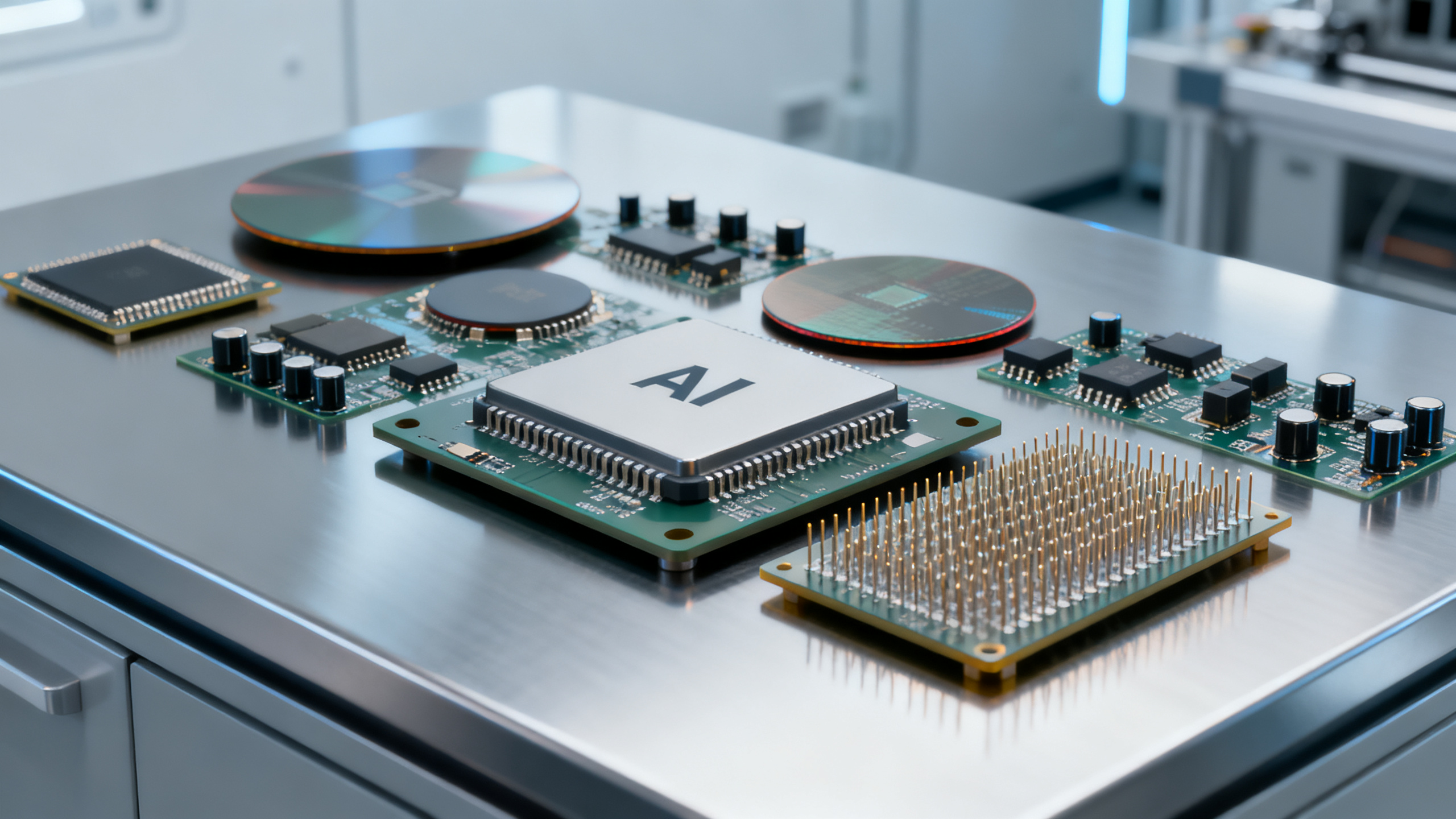
On April 24, the China National Intellectual Property Administration (CNIPA) announced the inclusion of artificial intelligence, semiconductor chips, and brain-computer interfaces into its intellectual property ‘fast protection’ channel. This policy shift directly affects high-precision industrial technology sectors—including industrial optics, test & measurement instrumentation, and lab analytics—by accelerating patent examination and strengthening international IP strategy capabilities.
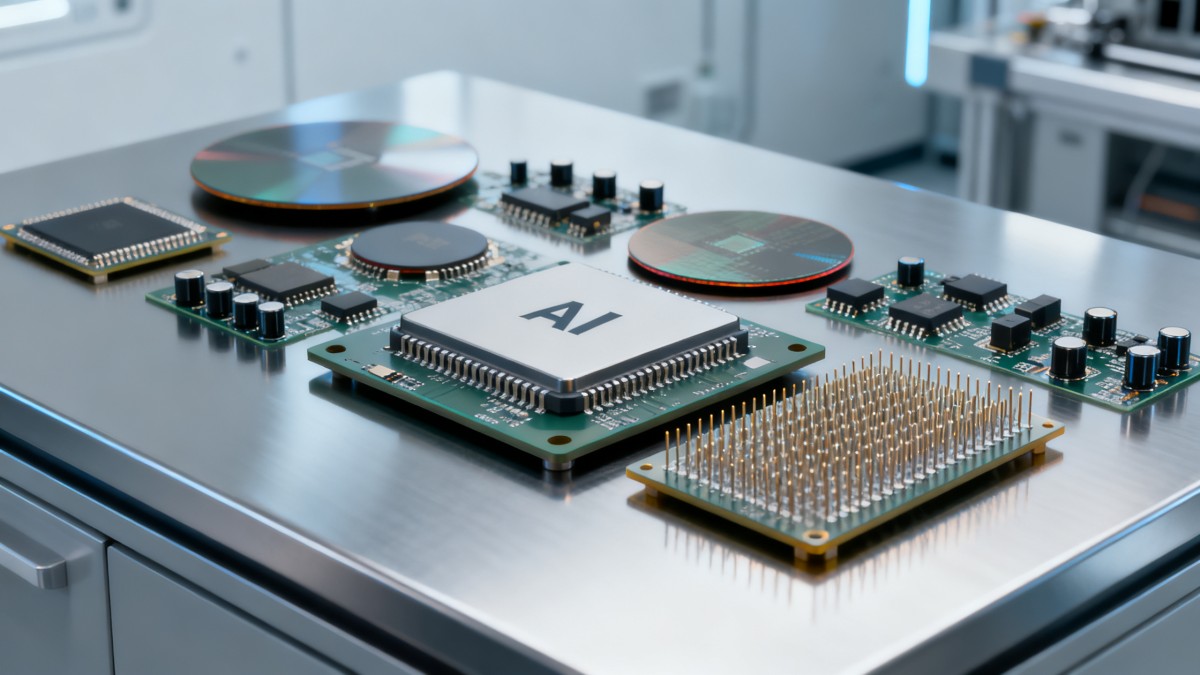
Event Overview
The China National Intellectual Property Administration announced on April 24 that artificial intelligence, semiconductor chips, and brain-computer interfaces have been formally added to the intellectual property ‘fast protection’ channel. Under this mechanism, the average examination cycle for invention patents in these fields is reduced to within 10 months.
Industries Impacted
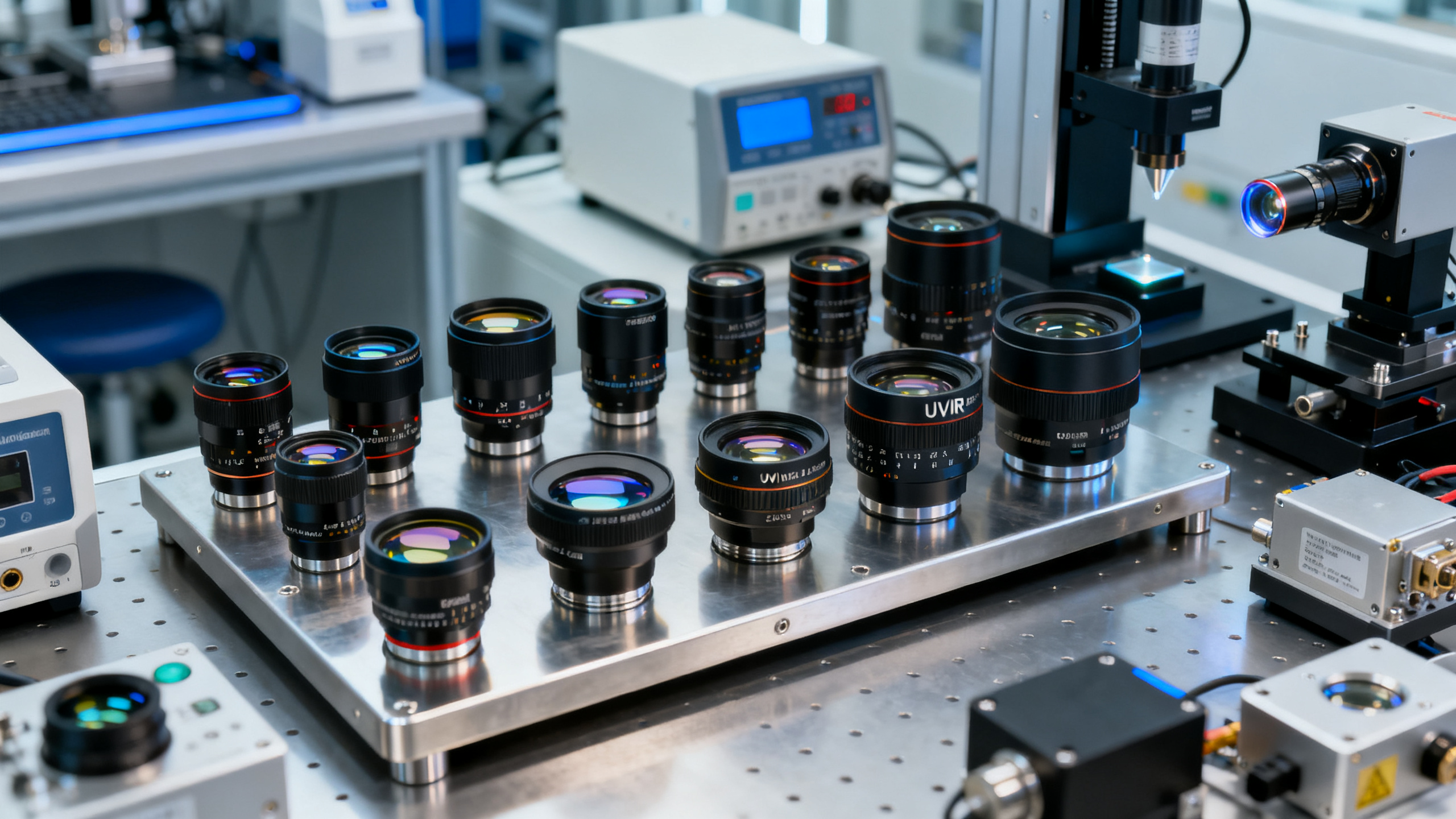
Direct trade enterprises: These firms—especially those exporting Industrial Optics lens modules, Testing & Measurement sensors, and Lab & Analytics chip-based analyzers—face heightened expectations from overseas partners regarding IP reliability and enforceability. Faster patent grant timelines improve credibility in cross-border licensing and joint development negotiations, though they also raise the bar for timely domestic filing prior to international disclosure.
Raw material procurement enterprises: Suppliers of specialized substrates, photolithography-grade chemicals, or neural interface biocompatible materials may see increased demand for traceable, IP-validated sourcing. While not direct patent holders, their supply chain documentation now carries greater weight in downstream IP due diligence—particularly where proprietary process know-how intersects with patented device architecture.
Contract manufacturing and OEM enterprises: Firms engaged in wafer fabrication, micro-optics assembly, or neural signal processing module integration must align internal design controls and confidentiality protocols with accelerated patent timelines. Earlier publication of core inventions increases exposure risk during production ramp-up unless robust NDA frameworks and clean-room development practices are already institutionalized.
Supply chain service providers: IP-focused legal service firms, PCT filing agents, and technical translation vendors are likely to experience rising demand for expedited prior art searches, multilingual specification drafting, and jurisdiction-specific fast-track coordination—especially for filings targeting the U.S., EU, and Japan, where CNIPA’s fast-track status may influence foreign office treatment under patent prosecution highway (PPH) agreements.
Key Considerations and Recommended Actions
File early—and globally coordinated
With domestic examination now compressed to 10 months, delaying first-filing risks forfeiting priority rights abroad. Enterprises should synchronize Chinese invention applications with PCT submissions, leveraging CNIPA’s fast-track status to accelerate corresponding national-phase entries via PPH pathways where available.
Strengthen pre-filing freedom-to-operate (FTO) analysis
Faster examination reduces time for third-party observations or oppositions. Companies must conduct rigorous FTO assessments before filing—not after—to avoid post-grant challenges that could undermine commercialization timelines or export clearance.
Document and classify internal R&D outputs systematically
Eligibility for the fast-track channel requires clear alignment with designated frontier domains. Firms should implement standardized technical tagging (e.g., ‘AI inference acceleration’, ‘neural electrode array miniaturization’) across lab notebooks, CAD metadata, and prototype logs to streamline future classification and substantiate fast-track eligibility claims.
Editorial Perspective / Industry Observation
Analysis shows this move is less about blanket acceleration and more about strategic signaling: CNIPA is prioritizing technologies where speed-to-patent directly correlates with speed-to-market in capital-intensive, standards-driven sectors. Observably, the selection of AI, chips, and brain-computer interfaces reflects a deliberate focus on stack-level innovation—where hardware-software co-design and interface-layer IP carry outsized leverage in global value chains. From an industry perspective, the policy’s real impact will hinge not on examination speed alone, but on whether parallel improvements follow in enforcement predictability, cross-border injunction reciprocity, and transparency in fast-track eligibility criteria.
Conclusion
This fast-track expansion marks a calibrated step toward reinforcing China’s position in foundational technology governance—not by lowering IP standards, but by compressing administrative latency where it most constrains innovation velocity. A rational reading suggests long-term benefit for globally oriented industrial tech firms, provided they treat accelerated examination as a catalyst for disciplined IP portfolio management—not merely a procedural shortcut.
Source Attribution
Official announcement issued by the China National Intellectual Property Administration (CNIPA), April 24, 2024. Details accessible via CNIPA’s public notice platform (www.cnipa.gov.cn). Note: Implementation guidelines, eligibility checklists, and updated examination quality metrics remain pending release and are subject to ongoing monitoring.
Technical Specifications
- How to Select Electronic Hotel Key Card Locks for Guest Rooms and Staff AreasAuthor :Safety Compliance Lead
- How to Select Lab Instruments for Reliable Chemical Analysis WorkflowsAuthor :Precision Metrology Expert
- How to Size a UPS for Server Rooms: Load, Runtime, and Redundancy FactorsAuthor :Grid Infrastructure Analyst
Expert Insights

Chief Security Architect
Dr. Thorne specializes in the intersection of structural engineering and digital resilience. He has advised three G7 governments on industrial infrastructure security.
Related Analysis
- Sep 17, 2026How to Select Electronic Hotel Key Card Locks for Guest Rooms and Staff AreasAuthor :Safety Compliance Lead
- Sep 16, 2026How to Select Lab Instruments for Reliable Chemical Analysis WorkflowsAuthor :Precision Metrology Expert
- Sep 15, 2026How to Size a UPS for Server Rooms: Load, Runtime, and Redundancy FactorsAuthor :Grid Infrastructure Analyst
Core Sector // 01
Security & Safety
- IEC 62443-3-3:2026 Raises Cybersecurity Bar for Industrial OpticsAuthor :Precision Metrology Expert

- EU Sets New CE Rules for Industrial OpticsAuthor :Precision Metrology Expert

- How to Evaluate a Metallurgical Microscope Exporter for Image Quality and ComplianceAuthor :Precision Metrology Expert

- UL Expands Certification Route for Hazardous-Area OpticsAuthor :Precision Metrology Expert

- Shanghai Port Delays Deepen Under Origin ChecksAuthor :Precision Metrology Expert

- CIOE 2026 to Spotlight Vision and Tactile SensorsAuthor :Precision Metrology Expert

- MWC Shanghai 2026 Opens June 24 With CPO and Industrial Security in FocusAuthor :Precision Metrology Expert

- Brazil Tightens INMETRO Rules for Industrial Optical LensesAuthor :Precision Metrology Expert