WTO Cuts 2026 Trade Growth to 1.9% on Hormuz Shock
Author
Date Published
Reading Time

Image Placement Plan
Place one visual after the opening paragraph to illustrate the trade-route disruption, the sharp decline in Hormuz Strait transit volume, and the extended Asia-Europe shipping route via the Cape of Good Hope.
On March 19, 2026, the WTO released its Global Trade Outlook report, cutting the 2026 goods trade growth forecast to 1.9% from the previous 4.6%, with the adjustment linked to Middle East conflict, a 94% plunge in Hormuz Strait transit volume, widespread service suspensions by major carriers including Maersk and MSC, and longer shipping cycles affecting heavy equipment sectors such as industrial water treatment equipment, transformers, and cables.
Confirmed Developments in the WTO Trade Outlook
According to the event summary, the WTO published its Global Trade Outlook report on March 19, 2026. The report lowered the full-year goods trade growth forecast to 1.9%, compared with the earlier forecast of 4.6%.
The stated reason for the sharp revision was the impact of conflict in the Middle East on maritime logistics. Transit volume through the Hormuz Strait fell by 94%, while major shipping companies, including Maersk and MSC, suspended services. The rerouting of Asia-Europe services via the Cape of Good Hope extended the average voyage by 12 days.
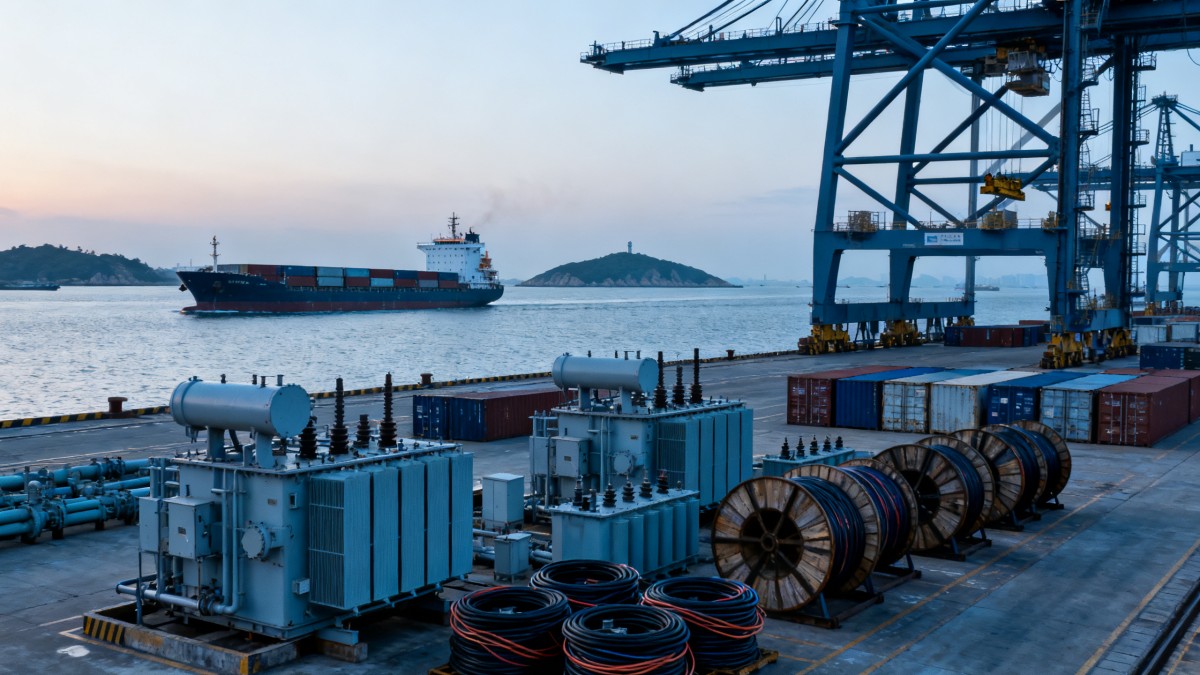
The event summary also states that heavy equipment categories, including industrial water treatment equipment, transformers, and cables, are facing simultaneous increases in maritime transport cycles and insurance costs.
How the Logistics Shock Reaches Key Industry Participants
Trading companies facing longer contract execution windows
From an industry perspective, direct trading companies are affected because international shipment timing is a core part of order fulfillment, payment scheduling, and customer delivery commitments. When maritime routes are suspended or rerouted, exporters and importers may need to reassess delivery clauses, booking availability, freight insurance arrangements, and communication with downstream buyers.
What deserves closer attention is the possible gap between contractual delivery expectations and the new shipping reality. For heavy equipment shipments, a 12-day average extension on Asia-Europe routes may affect cargo handover planning, customs preparation, site readiness, and after-sales coordination.
Raw material buyers exposed to procurement timing risk
Raw material procurement companies may be affected because longer ocean transit times can disrupt replenishment cycles and inventory planning. Analysis shows that when shipping capacity is restricted and insurance costs rise, buyers of materials, components, or supporting parts may need to review purchase lead times, safety stock levels, and supplier delivery commitments.
The key business links to monitor include purchase order timing, shipping space confirmation, freight insurance terms, and the ability of suppliers to provide updated logistics information before production schedules are finalized.
Manufacturers managing production and delivery pressure
Processing and manufacturing companies, especially those involved in heavy equipment such as industrial water treatment systems, transformers, and cables, may experience pressure in both inbound and outbound logistics. The reason is that production depends not only on factory capacity but also on timely arrival of components and predictable export shipping windows.
From an industry perspective, manufacturers may need to pay closer attention to production sequencing, packaging readiness, inspection scheduling, and technical documentation preparation. If shipping windows become less stable, coordination between engineering, procurement, quality control, and logistics departments becomes more important.
Supply chain service providers under operational strain
Supply chain service providers, including freight forwarders, logistics coordinators, insurance service providers, and documentation support teams, may face higher workload because customers require more frequent updates on route availability, transit time, and risk exposure.
Observably, the affected business links include carrier booking, cargo insurance review, route comparison, shipment tracking, and coordination of revised delivery dates. Service providers may also need to help clients understand how longer routes and service suspensions affect the practical execution of trade contracts.
Priorities for Companies Responding to the New Trade Outlook
Recheck compliance documents before shipment booking
Companies should review certification files, inspection records, customs documentation, and product conformity materials before confirming shipment plans. This is particularly important for heavy equipment, where delays in technical documents can compound the effect of already longer ocean transit times.
Although the event summary does not identify new certification rules, the changed logistics environment makes document readiness more important. A delayed certificate, incomplete inspection file, or inconsistent specification sheet may further extend delivery beyond the additional route time.
Adjust procurement plans around longer ocean transit
Because the Asia-Europe route is reported to be extended by an average of 12 days when rerouted via the Cape of Good Hope, companies may need to reassess procurement calendars for materials, parts, and finished equipment. This is especially relevant where project delivery depends on synchronized arrival of industrial water treatment equipment, transformers, cables, and other heavy cargo.
A practical response is to align purchasing decisions with updated shipping availability, insurance cost expectations, and supplier dispatch capability. Procurement teams should avoid assuming that previous delivery cycles remain valid under the changed route conditions.
Align technical bids and delivery clauses with route uncertainty
For companies participating in tenders or project-based supply, specification alignment should include realistic logistics assumptions. Technical bids, delivery schedules, packaging requirements, and acceptance milestones may need to reflect longer maritime transport cycles and higher insurance costs.
From an industry perspective, this does not mean changing product standards without basis. Rather, it means ensuring that bid documents, delivery commitments, and customer communications are consistent with current shipping constraints described in the WTO-related event summary.
Strengthen supplier qualification and traceability checks
Supplier qualification management becomes more important when transport delays and insurance costs rise at the same time. Companies may need to confirm whether suppliers can provide stable production schedules, timely documentation, reliable packing, and updated logistics coordination.
For heavy equipment exports, after-sales service and quality traceability should also be reviewed. If installation or commissioning is delayed because of maritime disruption, companies may need clearer records for product batches, inspection status, shipping dates, and warranty-related communication.
Industry Observation: Trade Risk Is Moving Into Delivery Rules
Analysis shows that the WTO forecast revision should be understood not only as a macro trade signal but also as a practical warning for contract execution, shipment planning, and supply chain risk control. The confirmed forecast cut to 1.9% reflects a weaker global goods trade outlook, while the Hormuz Strait disruption points to direct pressure on shipping routes.
From an industry perspective, companies dealing with heavy and project-based equipment may face a more rules-sensitive operating environment. Delivery terms, insurance arrangements, tender schedules, technical documentation, and supplier qualification may receive greater attention from buyers and project owners.
It is more appropriate to understand this as a change in trade execution conditions rather than a confirmed change in product regulation. The event summary does not provide new legal requirements or certification standards. However, the logistics disruption may indirectly raise the importance of compliance readiness, documentation accuracy, and schedule transparency.
Conclusion: A Logistics Event With Wider Trade Implications
The WTO downgrade of the 2026 goods trade growth forecast to 1.9%, together with the reported 94% drop in Hormuz Strait transit volume, highlights how geopolitical disruption can quickly affect maritime transport, insurance costs, and industrial delivery cycles.
For companies in industrial water treatment equipment, transformers, cables, and related heavy equipment sectors, the rational conclusion is to treat the event as a supply chain and trade execution risk that requires closer planning. The impact should not be overstated as a guaranteed long-term outcome, but it does call for more careful monitoring of freight availability, delivery commitments, and documentation readiness.
Information Basis and Items to Monitor
This article is based on the user-provided news title, event date, and event summary concerning the WTO Global Trade Outlook report released on March 19, 2026, the revised goods trade growth forecast, the decline in Hormuz Strait transit volume, carrier suspensions, route extension via the Cape of Good Hope, and the reported impact on heavy equipment shipping cycles and insurance costs.
Relevant source types for continued verification may include official WTO releases, carrier operational notices, maritime insurance updates, port and route advisories, and procurement or tender documents issued by project owners. Specific official source links were not provided in the input and should be verified continuously.
Follow-up attention should be paid to policy details, certification enforcement practices, changes in tender documents, shipping company service updates, insurance terms, and industry feedback from exporters, importers, manufacturers, and supply chain service providers.
Technical Specifications
- How to Select Electronic Hotel Key Card Locks for Guest Rooms and Staff AreasAuthor :Safety Compliance Lead
- How to Select Lab Instruments for Reliable Chemical Analysis WorkflowsAuthor :Precision Metrology Expert
- How to Size a UPS for Server Rooms: Load, Runtime, and Redundancy FactorsAuthor :Grid Infrastructure Analyst
Expert Insights

Chief Security Architect
Dr. Thorne specializes in the intersection of structural engineering and digital resilience. He has advised three G7 governments on industrial infrastructure security.
Related Analysis
- Sep 17, 2026How to Select Electronic Hotel Key Card Locks for Guest Rooms and Staff AreasAuthor :Safety Compliance Lead
- Sep 16, 2026How to Select Lab Instruments for Reliable Chemical Analysis WorkflowsAuthor :Precision Metrology Expert
- Sep 15, 2026How to Size a UPS for Server Rooms: Load, Runtime, and Redundancy FactorsAuthor :Grid Infrastructure Analyst
Core Sector // 01
Security & Safety
- How to Size a Wafer Butterfly Valve for HVAC Chilled-Water and Heating LoopsAuthor :Environmental Engineering Director

- How Pressure Class and Joint Design Affect Long-Term Performance of Ductile Iron Pipes in Drainage InfrastructureAuthor :Environmental Engineering Director

- How Ductile Iron Pipe Joints Affect Installation Reliability and Leak ControlAuthor :Environmental Engineering Director

- How to Size Effluent Treatment Equipment for Variable Industrial Wastewater LoadsAuthor :Environmental Engineering Director

- US Battery Push Raises New Entry Rules for SuppliersAuthor :Environmental Engineering Director

- EU EMC Rule Tightens for Water Treatment ExportsAuthor :Environmental Engineering Director

- EU REACH Restriction Targets PFAS Water Treatment ImportsAuthor :Environmental Engineering Director

- EU Mandates EN 14113:2026 for Water Treatment ExportsAuthor :Environmental Engineering Director