What makes an Environment & Ecology exporter worth trusting
Author
Date Published
Reading Time
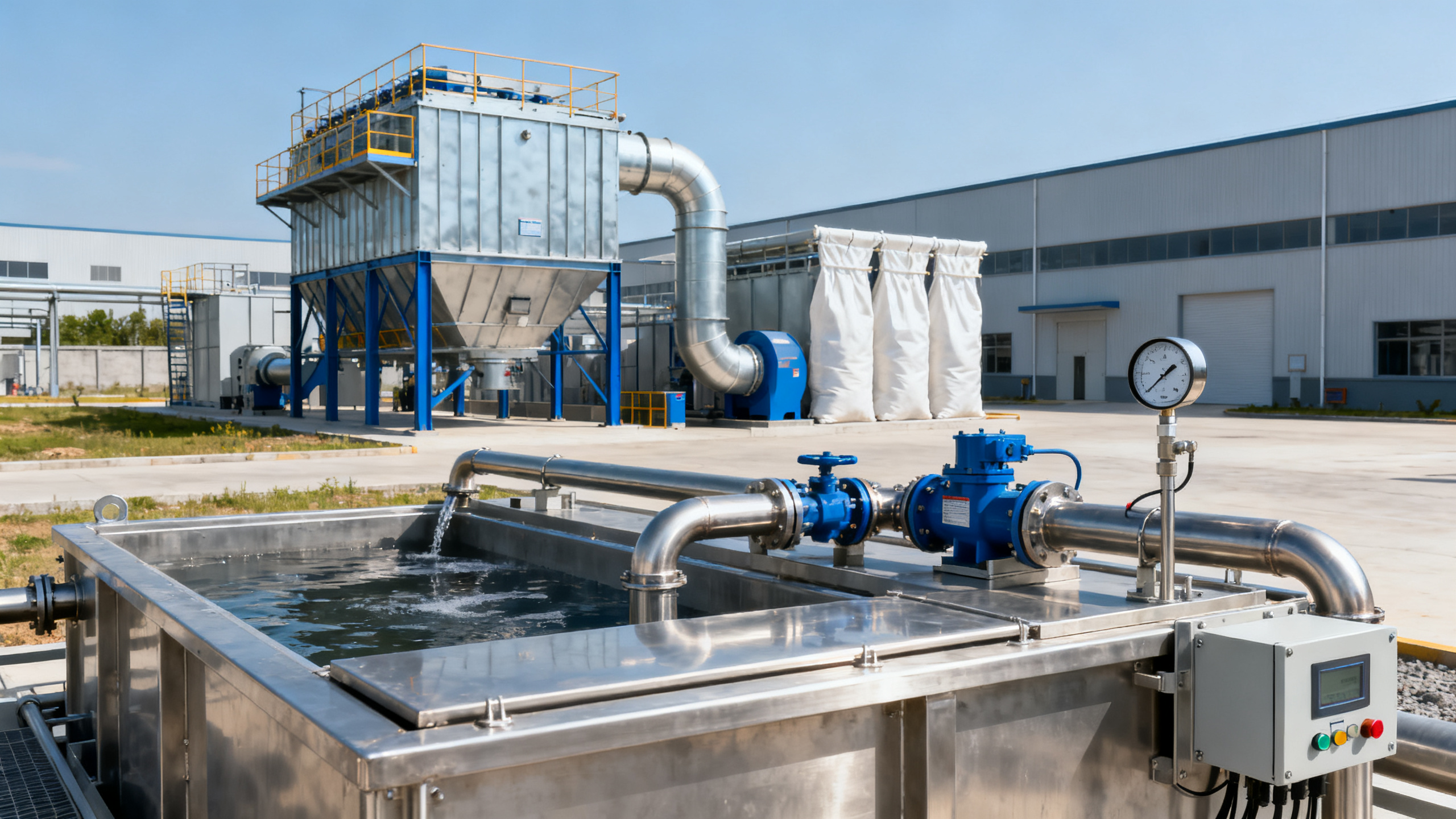
Choosing an Environment & Ecology exporter is not just about price or product range. It is about verified compliance, measurable performance, and dependable global execution.
In industrial supply chains, weak environmental equipment can trigger downtime, penalties, project delays, and safety exposure. A trusted Environment & Ecology exporter reduces those risks through evidence, not promises.
This article explains how trust should be judged across real scenarios. It focuses on practical signals, comparison logic, and next-step actions that support better supplier evaluation.
Why trust looks different across Environment & Ecology export scenarios
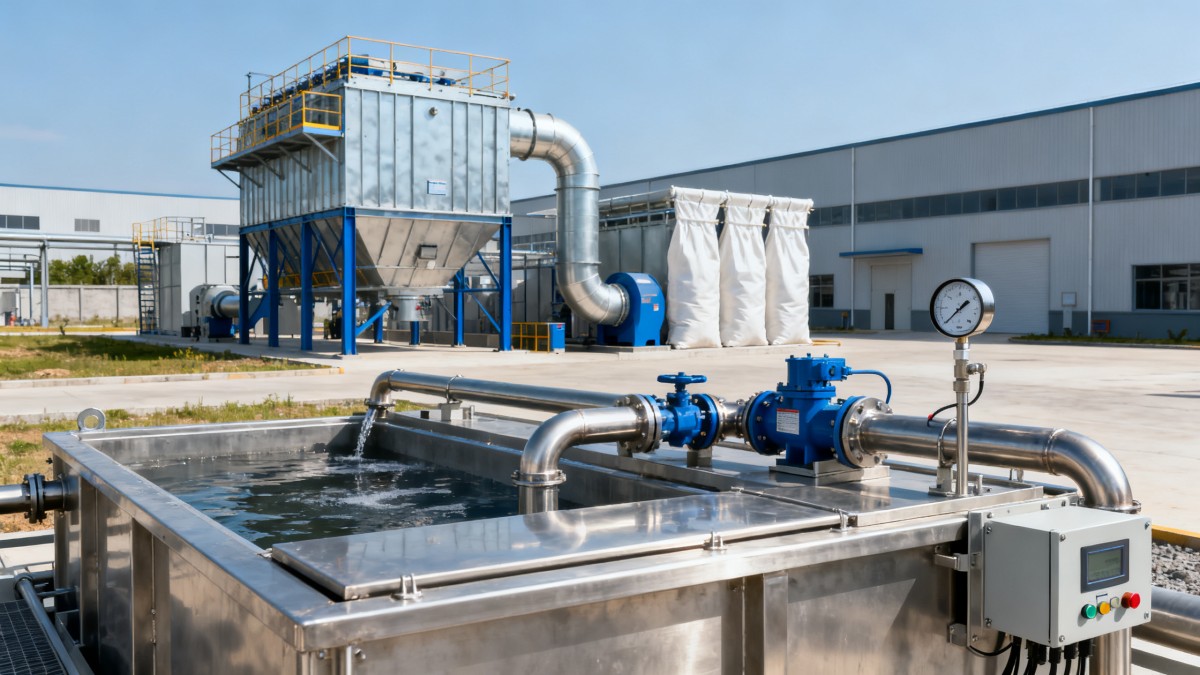
An Environment & Ecology exporter may serve wastewater treatment, air pollution control, solid waste systems, or monitoring equipment projects. Each scenario demands different proof of competence.
For example, a dust control package for cement plants faces abrasive conditions. A water treatment skid for pharmaceuticals faces strict purity, documentation, and validation demands.
That is why trust cannot be judged by a catalog alone. The reliable Environment & Ecology exporter shows scenario-specific engineering records, certifications, and installation references.
Scenario one: industrial wastewater projects require deep compliance proof
Wastewater projects often involve discharge limits, corrosion risks, chemical dosing accuracy, and long operating cycles. In this scenario, trust starts with traceable treatment performance.
A credible Environment & Ecology exporter should provide influent and effluent design parameters, membrane or media specifications, and evidence from comparable industrial water conditions.
What to verify in this scenario
- Compliance with ISO systems and relevant local discharge standards
- Material selection for chloride, acid, or solvent exposure
- Pump, valve, and instrument brand traceability
- Pilot data, case studies, and commissioning records
- Spare parts plan and operator training documents
The best Environment & Ecology exporter will also clarify energy consumption, sludge output, and maintenance intervals. These details influence lifetime cost far more than headline pricing.
Scenario two: air emission control needs performance under harsh operating conditions
Air pollution control systems work in heat, vibration, dust, and corrosive gas streams. Here, trust depends on proven field durability and emissions performance consistency.
A strong Environment & Ecology exporter should explain pressure drop, capture efficiency, filter life, fan sizing logic, and outlet concentration targets for real operating loads.
Signals that matter most
- Third-party test reports for bag filters, scrubbers, or collectors
- Structural and electrical compliance for export markets
- References in steel, mining, cement, or power sectors
- Corrosion protection strategy and coating details
- Commissioning support and troubleshooting response time
If an Environment & Ecology exporter cannot discuss site variables clearly, trust should be limited. Real expertise appears in detailed adaptation, not generic claims.
Scenario three: monitoring and analytical systems depend on data credibility
For monitoring stations, gas analyzers, water quality meters, and environmental sensors, trust is tied directly to data integrity. A reading is only useful when it is defensible.
A dependable Environment & Ecology exporter should disclose calibration standards, drift control methods, enclosure ratings, and communication protocol compatibility.
Key checks for monitoring applications
- Measurement accuracy, repeatability, and stability data
- Compliance with required test and calibration standards
- Remote diagnostics and data logging capability
- Maintenance cycle, consumables list, and firmware support
- Performance in humidity, dust, and temperature extremes
In this scenario, the trusted Environment & Ecology exporter behaves more like a technical partner than a trader. Documentation quality becomes a major trust signal.
How scenario demands change the definition of a trusted exporter
Different projects prioritize different risks. The table below shows how trust criteria change by application type.
This is why a trusted Environment & Ecology exporter must show adaptable competence. General export experience alone does not guarantee project fit.
Practical ways to judge whether an Environment & Ecology exporter is worth trusting
Trust should be tested through structured review. The following checks help separate capable exporters from marketing-driven suppliers.
- Check whether certifications match the actual product scope.
- Review technical drawings, P&IDs, and bill of materials depth.
- Ask for references in similar climates, industries, and capacities.
- Verify testing methods, not only final stated performance.
- Assess packaging, export documentation, and customs readiness.
- Confirm after-sales structure, spare stock, and response commitments.
A qualified Environment & Ecology exporter can usually answer these requests quickly. Slow, vague, or inconsistent replies often reveal weak internal control.
Best-fit recommendations by project situation
The right evaluation method depends on project complexity, regulatory exposure, and operating environment.
A serious Environment & Ecology exporter should adapt proposals to these conditions. Standard quotations without scenario alignment increase lifecycle risk.
Common misjudgments when evaluating an Environment & Ecology exporter
One common mistake is treating all environmental systems as interchangeable. Similar product names can hide major differences in duty rating, control logic, and compliance depth.
Another mistake is overvaluing price while ignoring commissioning, calibration, and consumables. A cheaper unit may become the highest-cost option after installation.
Some evaluations also confuse certificate presence with certificate relevance. A trusted Environment & Ecology exporter links each certificate to a defined product and market need.
Finally, many overlook communication discipline. Clear revisions, version control, and documented assumptions are strong indicators of exporter reliability.
What to do next when shortlisting a trusted Environment & Ecology exporter
Start with a scenario-based checklist. Define media conditions, standards, operating hours, ambient environment, and required outputs before requesting a quotation.
Then compare each Environment & Ecology exporter on evidence quality, not sales language. Use side-by-side scoring for compliance, engineering depth, references, and service readiness.
When technical risk is high, ask for a review package containing datasheets, test records, sample manuals, and previous project documentation. Trust grows when proof is easy to verify.
The Environment & Ecology exporter worth trusting is the one that can support industrial performance, regulatory confidence, and long-term operational resilience across real project scenarios.
Technical Specifications
- How to Select Electronic Hotel Key Card Locks for Guest Rooms and Staff AreasAuthor :Safety Compliance Lead
- How to Select Lab Instruments for Reliable Chemical Analysis WorkflowsAuthor :Precision Metrology Expert
- How to Size a UPS for Server Rooms: Load, Runtime, and Redundancy FactorsAuthor :Grid Infrastructure Analyst
Expert Insights

Chief Security Architect
Dr. Thorne specializes in the intersection of structural engineering and digital resilience. He has advised three G7 governments on industrial infrastructure security.
Related Analysis
- Sep 17, 2026How to Select Electronic Hotel Key Card Locks for Guest Rooms and Staff AreasAuthor :Safety Compliance Lead
- Sep 16, 2026How to Select Lab Instruments for Reliable Chemical Analysis WorkflowsAuthor :Precision Metrology Expert
- Sep 15, 2026How to Size a UPS for Server Rooms: Load, Runtime, and Redundancy FactorsAuthor :Grid Infrastructure Analyst
Core Sector // 01
Security & Safety
- How to Size a Wafer Butterfly Valve for HVAC Chilled-Water and Heating LoopsAuthor :Environmental Engineering Director

- How Pressure Class and Joint Design Affect Long-Term Performance of Ductile Iron Pipes in Drainage InfrastructureAuthor :Environmental Engineering Director

- How Ductile Iron Pipe Joints Affect Installation Reliability and Leak ControlAuthor :Environmental Engineering Director

- How to Size Effluent Treatment Equipment for Variable Industrial Wastewater LoadsAuthor :Environmental Engineering Director

- US Battery Push Raises New Entry Rules for SuppliersAuthor :Environmental Engineering Director

- EU EMC Rule Tightens for Water Treatment ExportsAuthor :Environmental Engineering Director

- EU REACH Restriction Targets PFAS Water Treatment ImportsAuthor :Environmental Engineering Director

- EU Mandates EN 14113:2026 for Water Treatment ExportsAuthor :Environmental Engineering Director