Event Overview
According to the provided information, the event occurred on March 16, 2026. Affected by the escalation of conflict in the Middle East, actual traffic through the Strait of Hormuz reportedly fell by 94%, or by more than 90% in practical terms.
Publicly available information in the provided material indicates that mainstream shipping companies, including Maersk and MSC, have suspended sailings on affected routes. As vessels divert around the Cape of Good Hope, the average Asia-Europe shipping cycle is being extended by 10 to 14 days.
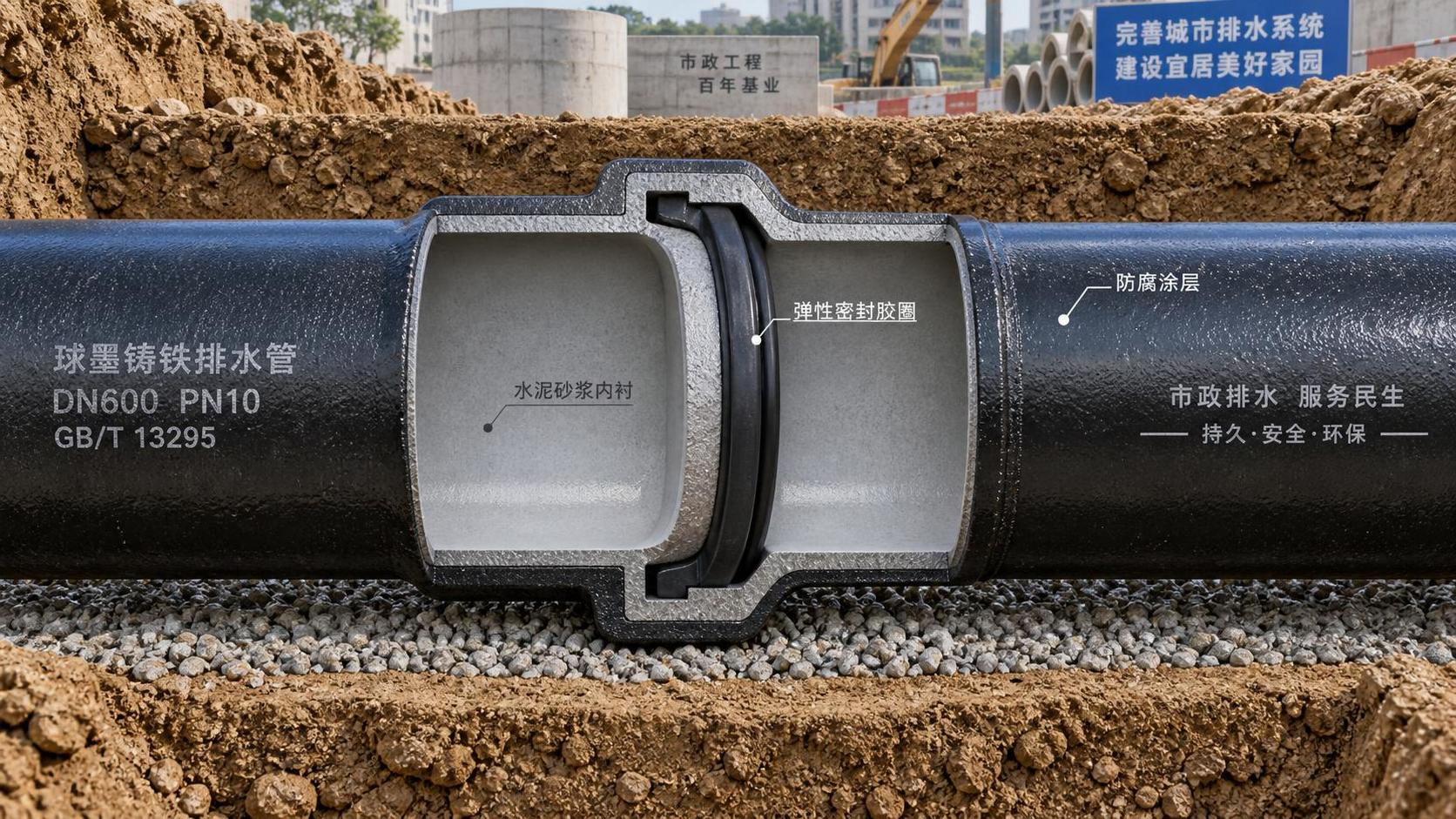
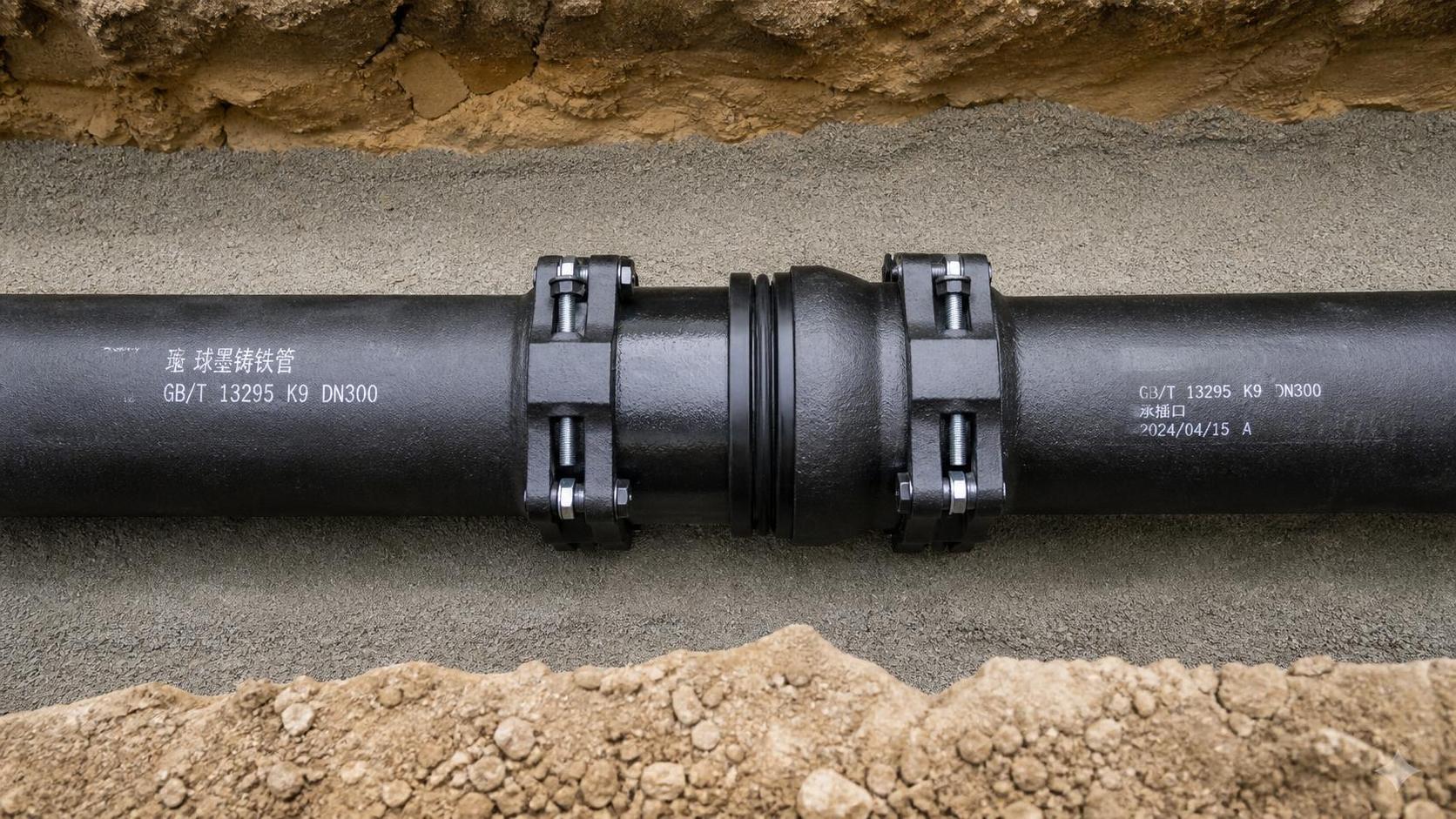
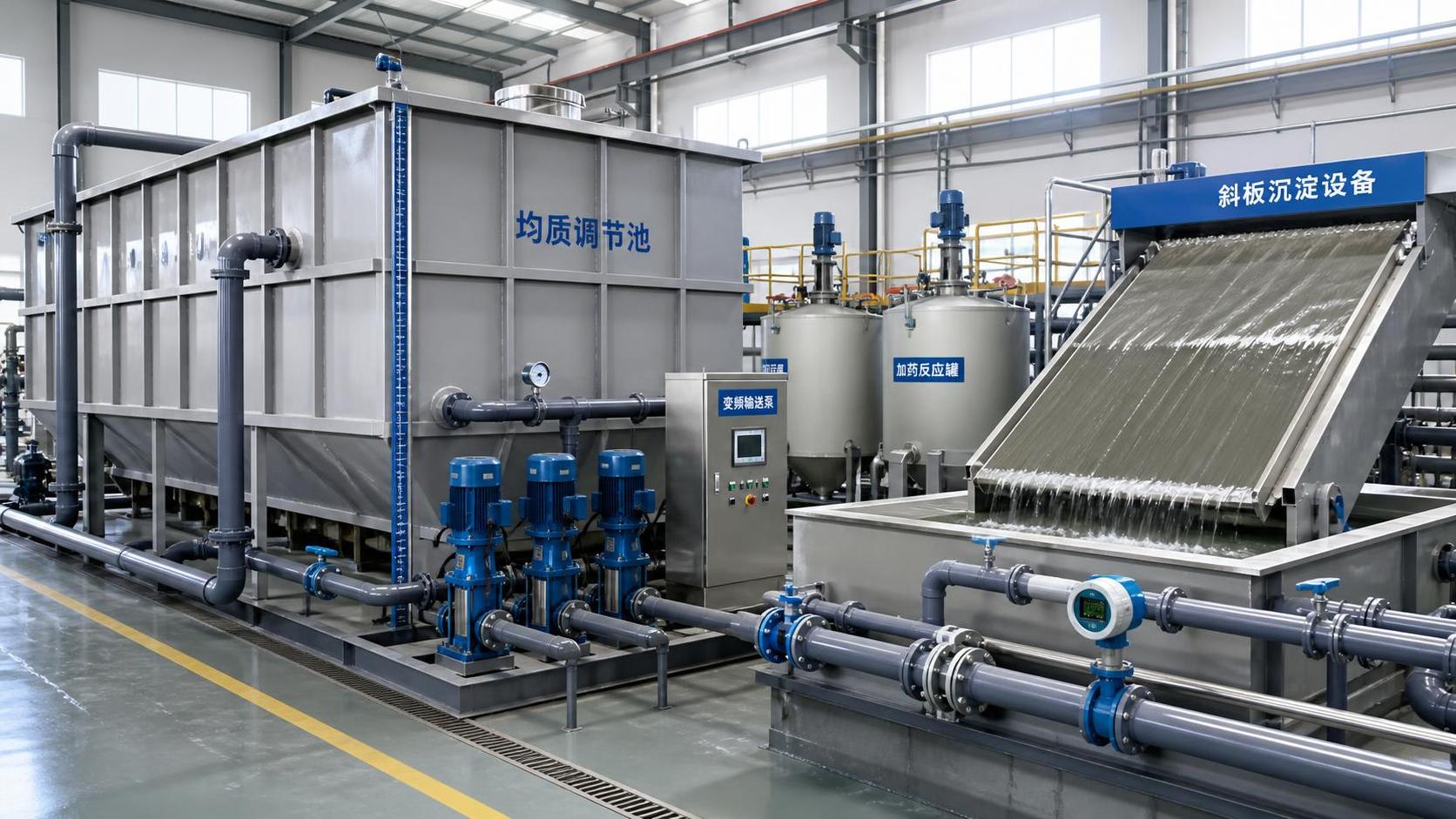
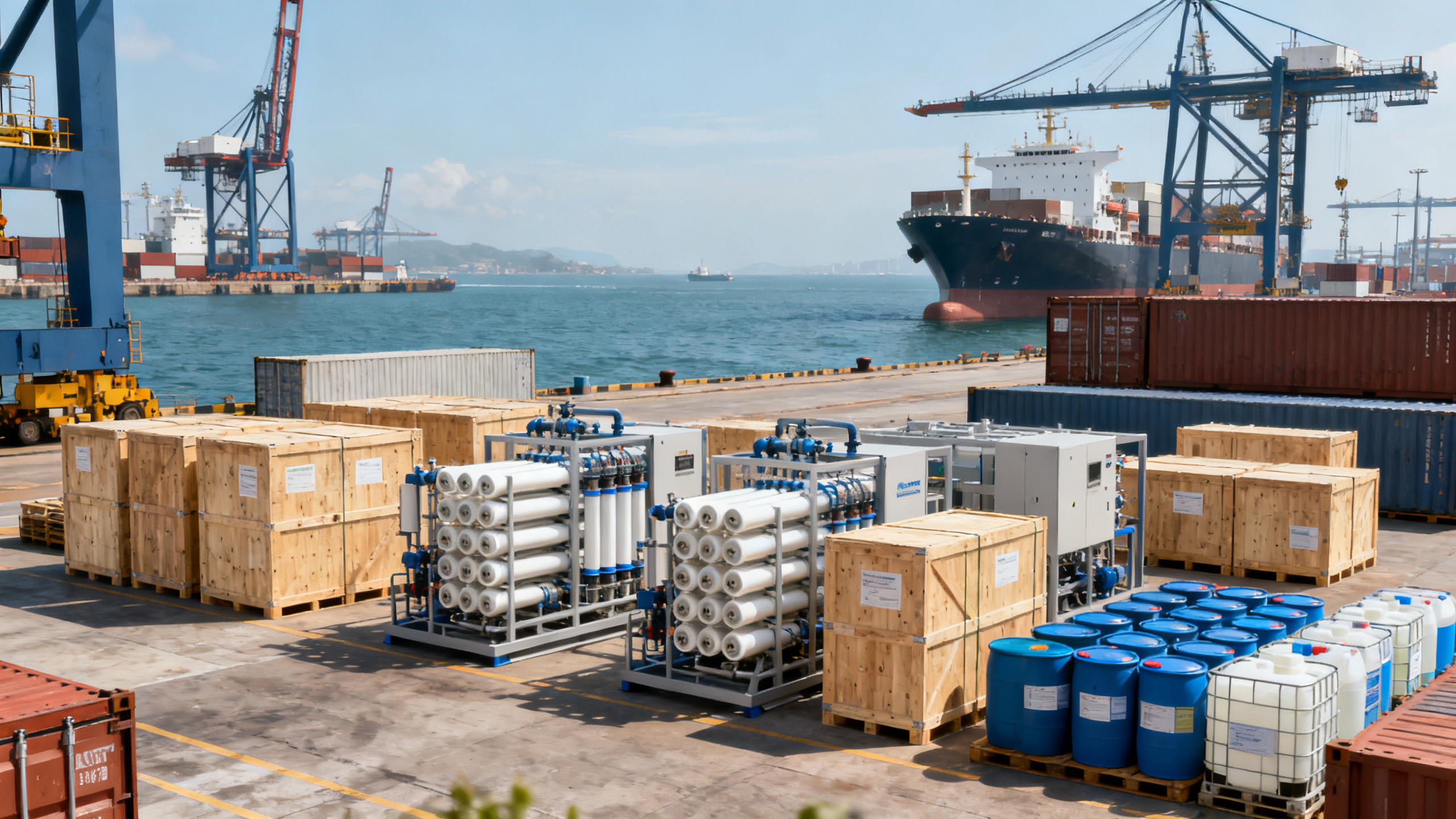
The Strait of Hormuz is identified in the provided information as a route carrying 46% of global seaborne urea trade and 30% of ammonia trade. It is also described as a core maritime export path for key industrial water treatment consumables and equipment, including water treatment chemicals, membrane modules, and online water quality monitoring instruments.
The current logistics delay has already been transmitted to delivery commitments, inventory strategies, and project performance evaluations for related businesses.
Which Segments Are Affected
Industrial Water Treatment Equipment Exporters
Industrial water treatment equipment exporters may be directly affected because the Strait of Hormuz is described as a core maritime route for relevant equipment exports. When major shipping companies suspend sailings and vessels are diverted, shipment schedules become longer and less predictable.
The main impact is reflected in delivery cycles, customer delivery commitments, and contract performance assessments. For companies shipping equipment to overseas projects, a 10 to 14 day extension on Asia-Europe routes may require reassessment of delivery windows and communication with downstream buyers.
Water Treatment Chemical and Consumable Procurement Companies
Companies procuring industrial water treatment chemicals and related consumables may also face pressure. The provided information indicates that the route carries a significant share of global seaborne urea and ammonia trade, while water treatment chemicals are also listed among key exported materials moving through this maritime path.
From an industry perspective, the impact is likely to be concentrated on replenishment timing, safety-stock arrangements, and the ability to match chemical supply with ongoing water treatment operations. This does not necessarily mean all procurement will be disrupted at the same level, but the affected route has become a more important variable in purchasing decisions.
Membrane Module and Online Monitoring Instrument Suppliers
Membrane modules and online water quality monitoring instruments are specifically mentioned in the provided information as key equipment categories connected to this shipping corridor. Suppliers of these products may see logistics delays reflected in order fulfillment and installation schedules.
Analysis shows that the impact is not limited to transportation time alone. For projects requiring commissioning, replacement, or phased installation, delayed arrival of membrane components or online monitoring instruments may affect the timing of acceptance, testing, and project handover discussions.
Engineering Contractors and Project Delivery Teams
Engineering contractors, system integrators, and project delivery teams involved in industrial water treatment projects may be affected through the equipment and consumables supply chain. If required components arrive later than planned, project milestones may need to be reviewed.
What currently deserves more attention is the connection between logistics delay and project fulfillment assessment. The provided information indicates that the delay has already been transmitted to project performance evaluation, meaning companies may need to examine whether original delivery assumptions remain realistic.
Channel Distributors and Supply-Chain Service Providers
Channel distributors and supply-chain service providers are affected because they sit between upstream exporters and downstream project users. Longer shipping cycles can change inventory turnover, delivery confirmation, and customer communication requirements.
Observably, the pressure on this segment is likely to appear in shipment tracking, warehouse allocation, and the timing of replenishment. Distributors may need to explain changes in lead time more clearly to avoid mismatches between promised delivery dates and actual cargo arrival.
What Companies and Practitioners Should Monitor and How to Respond
Track Shipping Line Updates and Route Adjustments
Companies should closely monitor subsequent statements from shipping lines and route-related updates connected to the Strait of Hormuz and Cape of Good Hope diversions. Since the provided information states that major carriers including Maersk and MSC have suspended sailings, shipping availability and schedule reliability should be treated as a key operating variable.
For current orders, businesses should verify whether cargo has already departed, whether transshipment is involved, and whether the shipment has been reassigned to a longer route. These checks are more practical than relying only on original estimated arrival dates.
Review Delivery Commitments for Key Product Categories
Enterprises handling industrial water treatment chemicals, membrane modules, online water quality monitoring instruments, and related equipment should review delivery commitments by product category and destination market. The disruption does not affect all items in the same way; the most relevant products are those linked to the affected maritime route.
Analysis shows that companies should distinguish between orders already in transit, orders awaiting booking, and orders still under negotiation. Each stage faces a different level of logistics uncertainty and should be communicated differently to customers or project partners.
Adjust Inventory Strategy Around Critical Consumables and Components
For buyers and distributors, current inventory plans should be reviewed against the additional 10 to 14 day shipping cycle mentioned in the provided information. This is especially relevant for consumables and components required for ongoing industrial water treatment operations or scheduled project commissioning.
From an industry perspective, the practical response is not simply to increase all inventory, but to identify items with tighter replacement windows, fixed project deadlines, or limited short-term substitution options. This allows companies to prioritize stock planning around operational continuity.
Communicate Logistics Risks in Project Fulfillment Assessments
Project teams should incorporate the route disruption into fulfillment assessments, especially where contracts involve fixed delivery dates or phased installation schedules. The provided information indicates that logistics delays have already affected delivery commitments and project performance evaluation.
It is more appropriate to understand this as a need for clearer risk communication rather than a reason to assume every project will be delayed. Companies should document shipment status, revised transit expectations, and customer communication records to support project coordination.
Editor’s View / Industry Observation
Observably, this event is no longer only a shipping-route issue. It has entered the operating layer of industrial water treatment supply chains, affecting how companies evaluate delivery promises, inventory buffers, and project timelines.
Analysis shows that the reported 94% decline in actual traffic through the Strait of Hormuz and the 10 to 14 day route extension should be read as a strong logistics signal with immediate operational consequences for affected cargo. However, the degree of impact will still depend on product category, shipment status, destination, and carrier arrangement.
What currently deserves more attention is whether the suspension of sailings and route diversions continue, ease, or expand. For industrial water treatment companies, the key issue is not only the current delay, but also whether future orders can be planned with reliable transit assumptions.